Serving Hendersonville, TN & nearby
(615) 413-4734
Hendersonville, TN

What Each Garage Door Noise Is Telling You in Hendersonville

Hendersonville homes built mostly between 1958 and 2005 carry specific noise patterns tied to that age and this area's cold winters. Here's what each sound means.

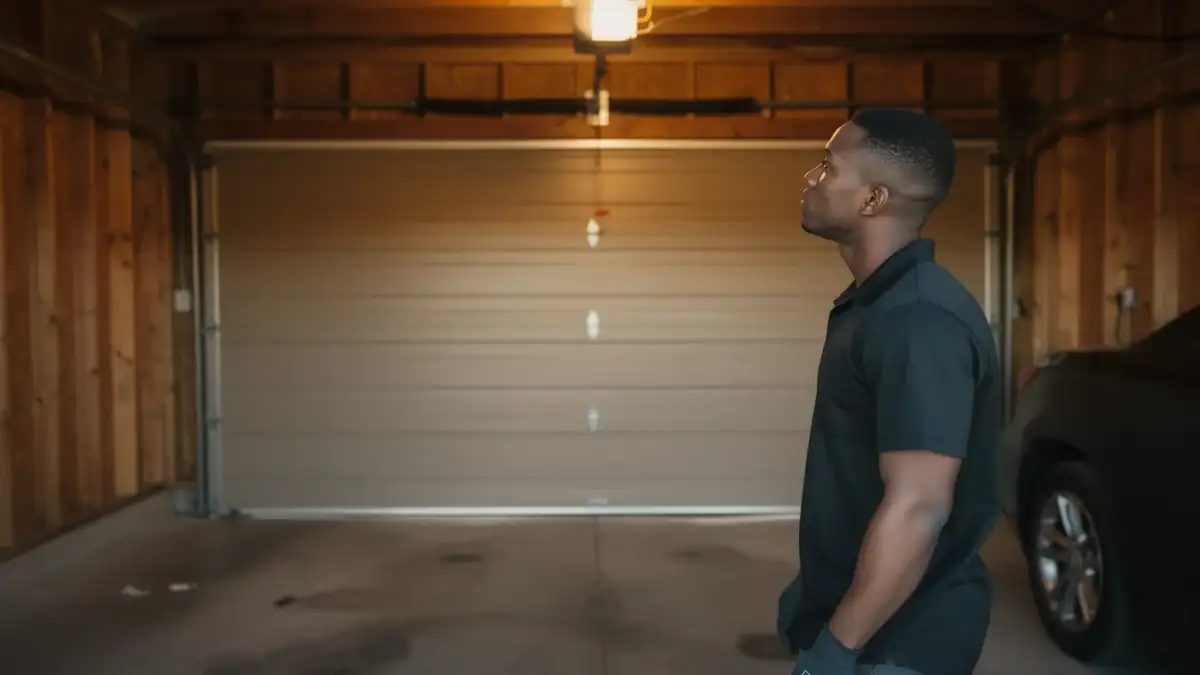
A technician in a black shirt looks up at a closed garage door.

The Cost of This Job

We can't quote you a number without looking at the door, but we can tell you what drives the cost in this town specifically. Housing here runs 1958 to 2005, with the median landing around 1990, and most of that stock sits in the 1980s-90s range across the named sections of the area. That matters because a house from that window usually still has its original torsion spring setup or a first-replacement opener bolted onto original track. Parts for that generation aren't always on the truck the same way current hardware is, so sourcing adds a step that a newer install wouldn't need. With roughly 34,671 owner-occupied houses in this service area, we see that same era of hardware over and over, which keeps some parts predictable to stock and others genuinely hard to find. The honest limitation: if your spring size or track style is unusual for the build year, we may need to order before we can finish the job, and that pushes the timeline, not just the price. A noise diagnosis by itself costs far less than a repair, and sometimes the noise points to something you can tighten yourself before any truck needs to come out.

What Local Conditions Do

Hendersonville sits in a cold-moderate climate band, which means real winter cold but not the deep sustained freeze you'd get further north. That swing matters for a garage door more than people expect. Steel springs contract in cold air, and a torsion spring that ran quietly all summer can start to bind and squeal once temperatures drop, especially on doors with original side-mounted hardware common to the older end of this area's housing stock. The reverse happens too: a cold night followed by a humid, warmer day leaves condensation sitting on the track, and that moisture is what you're hearing as a scrape or squeal on the first opening of the morning. Lubricant that worked fine in August can thicken and resist moving parts once the cold sets in. None of this means something is broken. It means the hardware is responding to a seasonal swing the same way it has for decades in houses built in this window. The noise is information, not necessarily a failure, and knowing the difference saves you a service call you don't need.

Checking It Yourself

Before you call anyone, open and close the door by hand with the opener disconnected, and listen for where the sound happens. A grinding noise concentrated at the rollers usually means the nylon rollers common to 1980s and '90s builder-grade doors have worn down and need replacing, not the track itself. A rhythmic thump as the door travels often means a flat spot on a roller or a bent track section, something you can usually see with a flashlight without pulling anything apart. Check the hinges between panels for visible rust or dry metal; a light household oil, not grease, on those pivot points often quiets a squeak within a day. Look at the torsion spring above the door opening for gaps between coils, which can signal it's reaching the end of its life rather than just needing lubricant. What you shouldn't do is touch the spring itself or try to adjust its tension; that's not a do-it-yourself repair given the force involved, full stop. If the noise persists after basic lubrication and a visual check turns up nothing obvious, that's the point where it's worth having someone look at the spring and hardware together rather than guessing further.

The Problem

Most of the noise complaints we hear in this area trace back to the same handful of causes tied directly to how old the hardware is. In the oldest homes here, built close to 1958, original torsion springs and side-mounted openers are still common, and those systems groan and bind differently than anything installed in the last fifteen years. In the bulk of the housing stock, built through the 1980s and '90s, the recurring issue is worn nylon rollers that were standard equipment on builder-grade doors of that period; they grind long before they fail completely, which is actually useful because it gives you warning. Loose hardware is the other repeat offender: after thirty-plus years of opening and closing, mounting bolts on tracks and brackets work themselves loose, and that shows up as a rattle rather than a grind. A worn torsion spring sounds different again, often a sharp creak under load rather than a steady scrape. None of these are mysteries once you know the pattern, and for a lot of houses in this area, the age of the build tells you more about what's wrong than the sound alone does.
How it works

From “it’s stuck” to “it’s fixed”

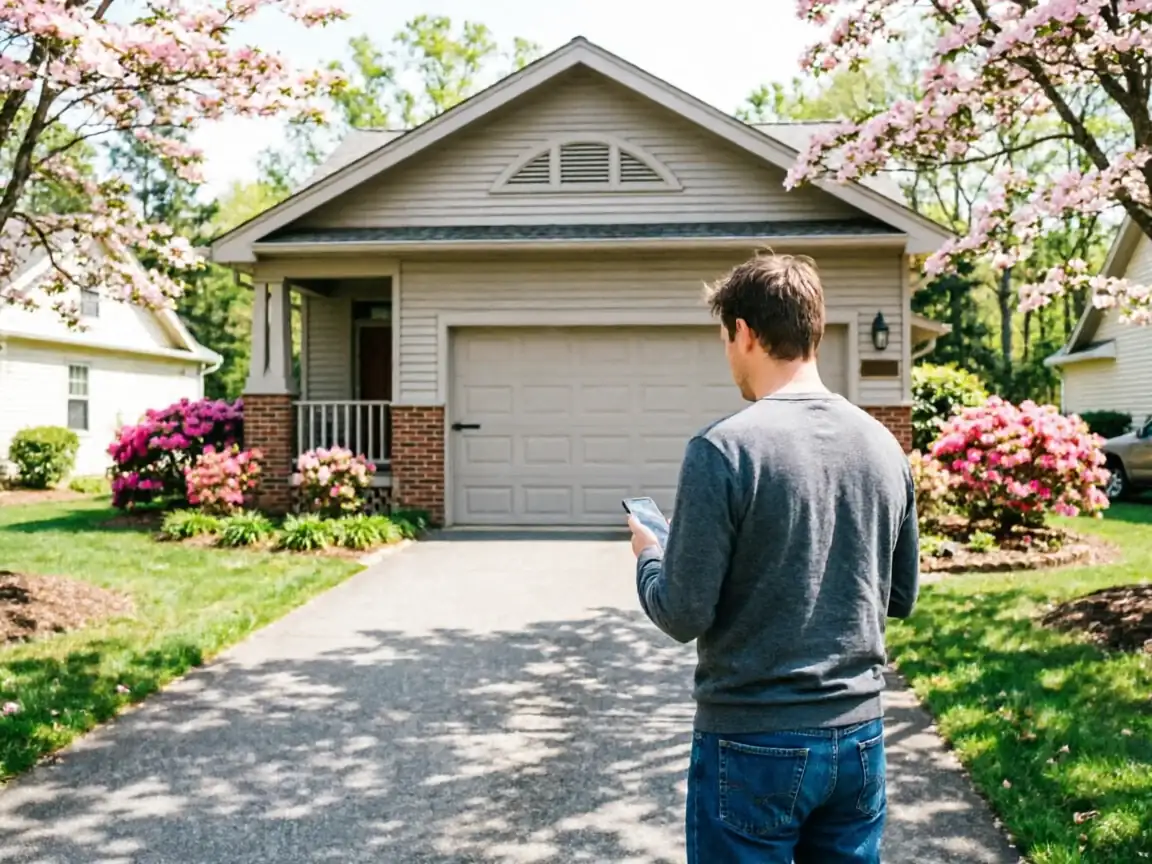
A man stands in a driveway looking at his phone, facing a house with a garage.
1

Tell us what’s wrong

Describe the symptom - won’t open, loud bang, opener runs but the door won’t move.

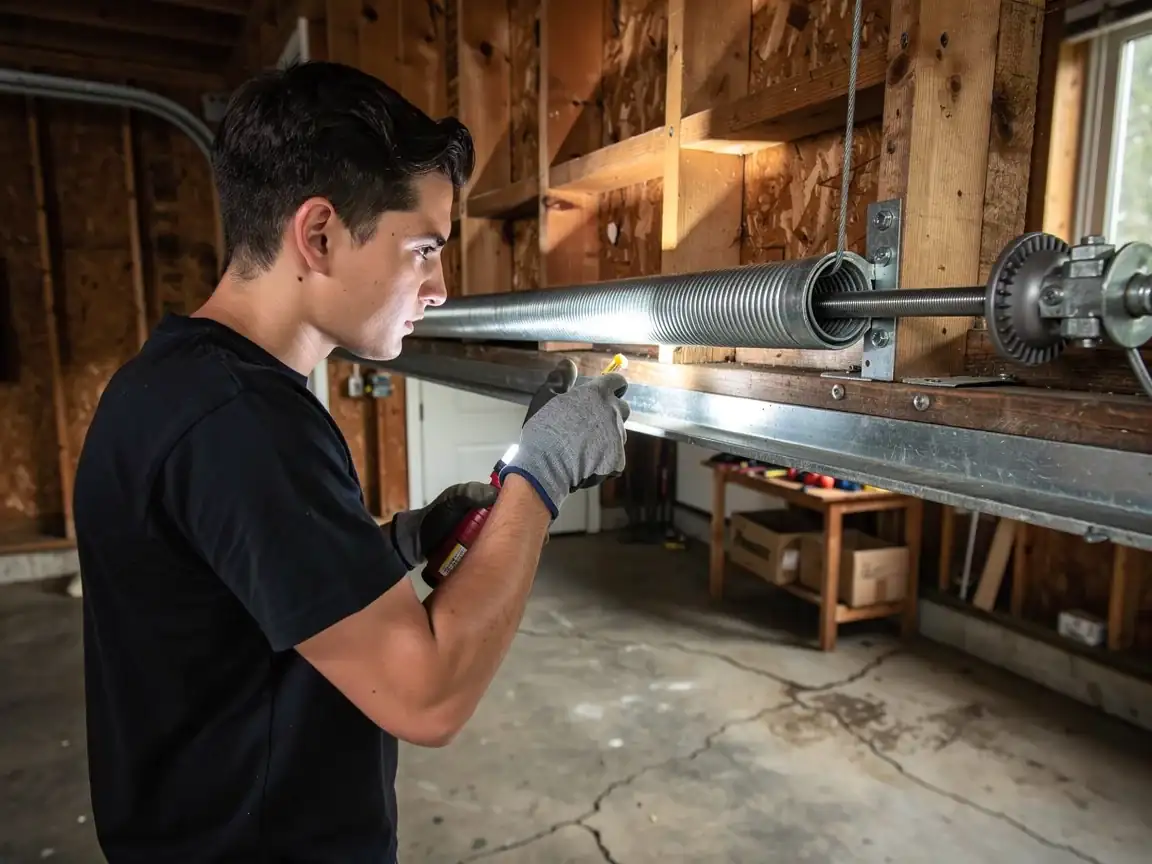
A technician shines a flashlight on a garage door torsion spring.
2

On-site diagnosis

A technician tests the door under power and by hand and finds what actually failed.

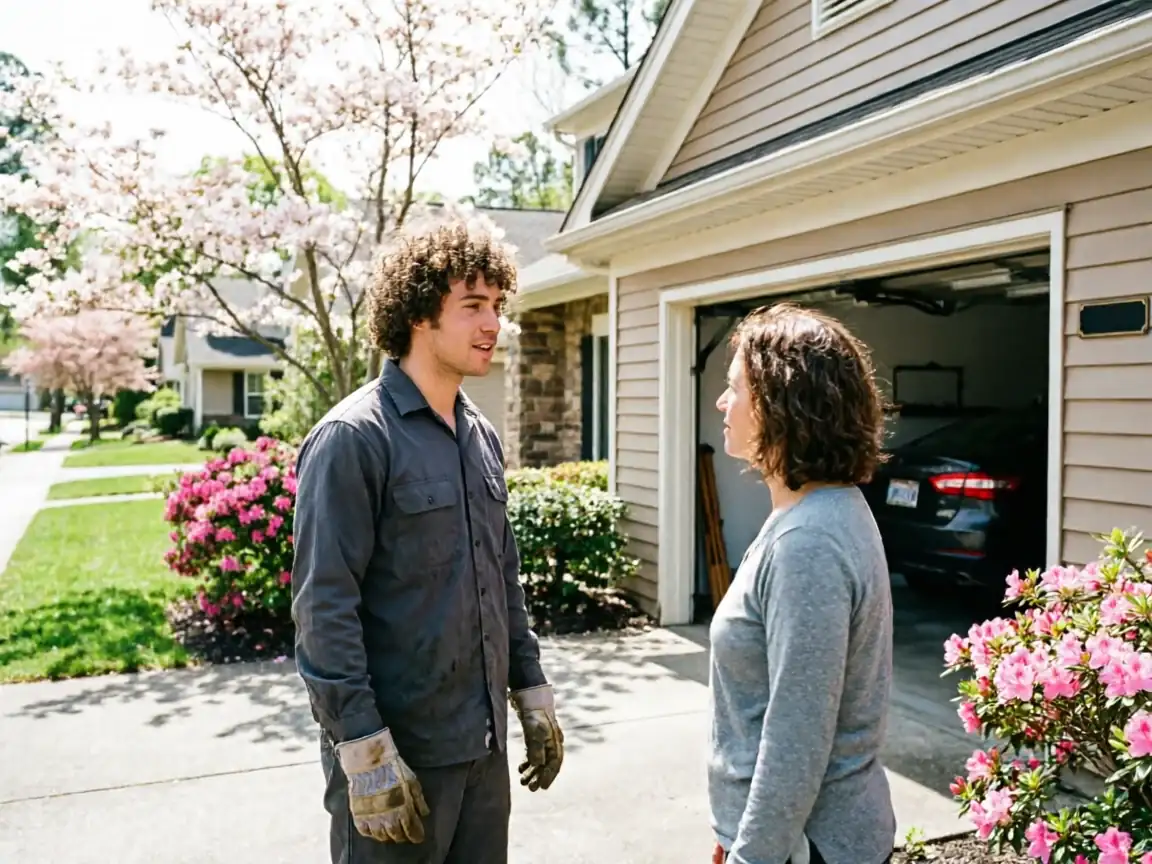
A technician wearing work gloves talks to a woman in front of an open garage.
3

Clear, up-front plan

You get the fix that’s needed and what drives the cost - before any work starts.

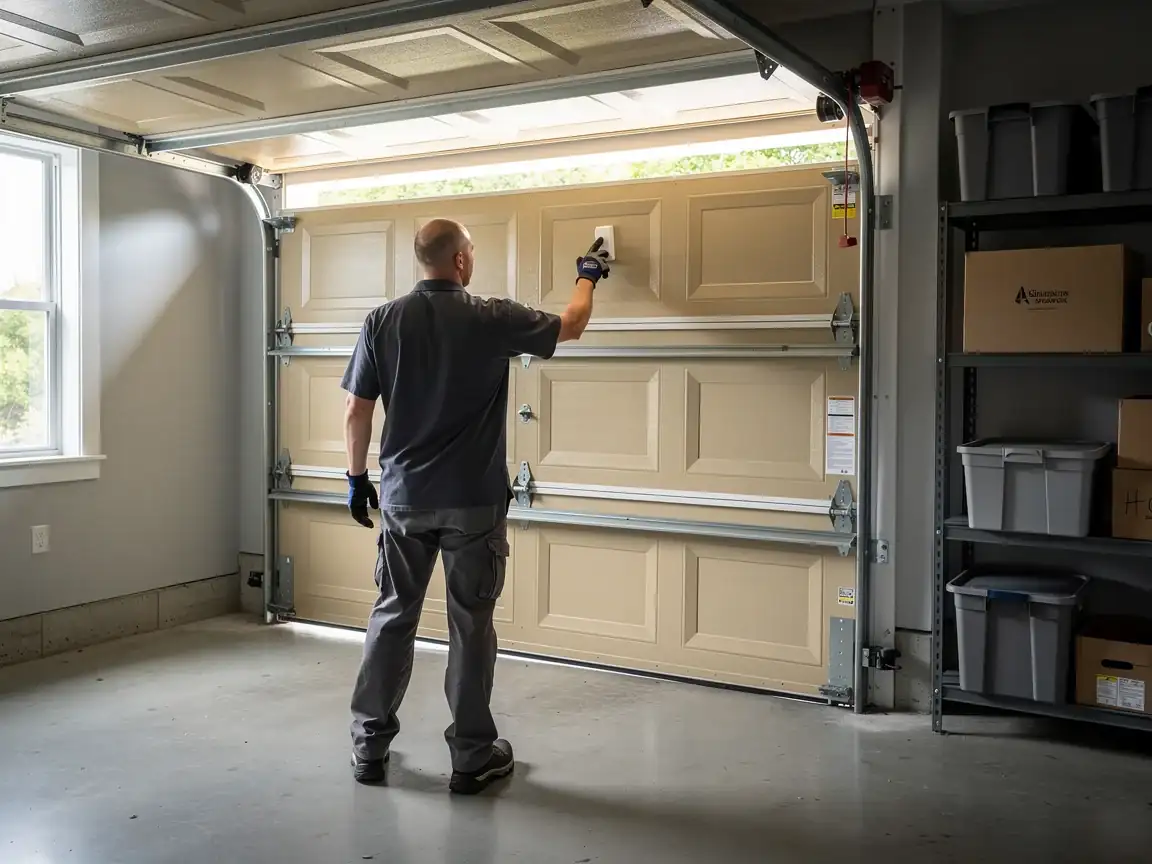
A technician in a gray uniform is pressing a button on a beige garage door.
4

Repaired & tested

The repair is done, the door is set true and tested, and the work area left clean.

Not sure which repair your door needs in Hendersonville, TN? Describe what it’s doing - every job starts with a diagnosis.

How we work

What to expect

Diagnosis first

Every visit starts by finding what actually failed - not a pre-written parts list.

The right part for the door

Springs and openers matched to the door’s weight and age, so the fix holds up.

Straight answers

When a repair makes more sense than a replacement - or the reverse - you hear it plainly.

Clean, careful work

Tension released safely, hardware set true, the door tested under power before we leave.

What we do

Garage Door Services

Repair and installation work for Hendersonville homes and businesses.

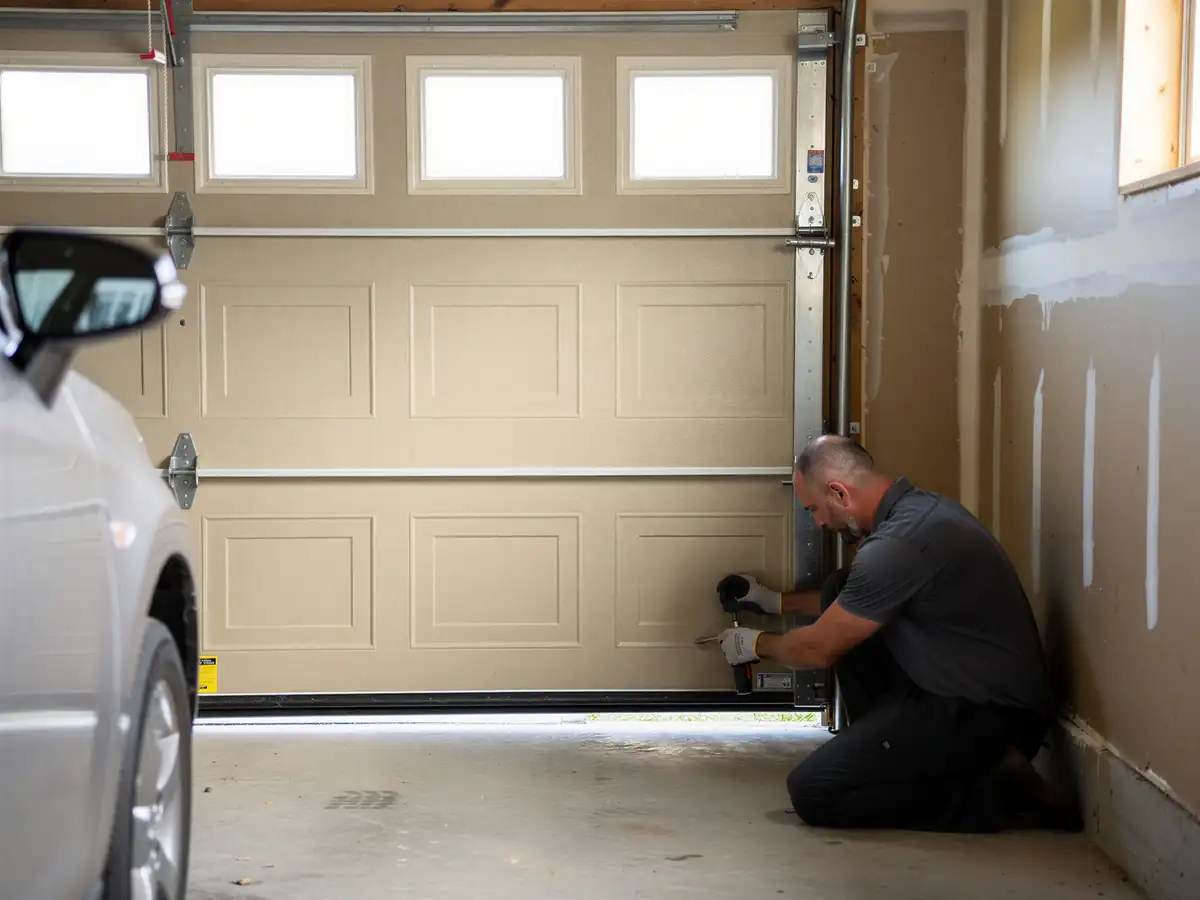
A technician kneels to work on the bottom panel of a beige garage door.

Garage Door Repair

Garage door repair for Hendersonville homes built mostly in the 1980s and 90s, where original hardware and cold snaps wear out springs and openers early.

Learn more
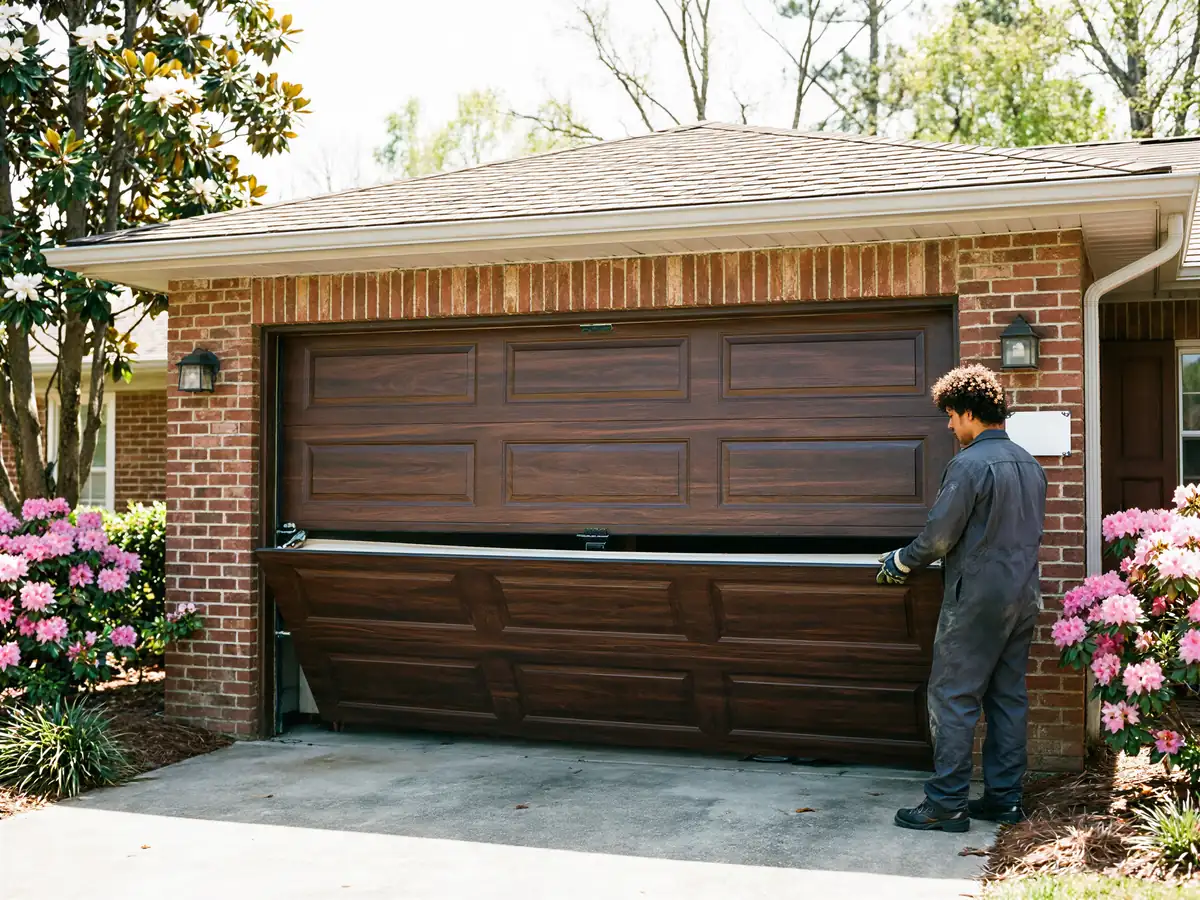
A technician in a gray jumpsuit works on a brown garage door on a brick house.

Garage Door Installation

New garage door installation for Hendersonville, TN houses built 1958-2005, matched to the cold-moderate climate and the original openings of the area's 1980s-90s stock.

Learn more
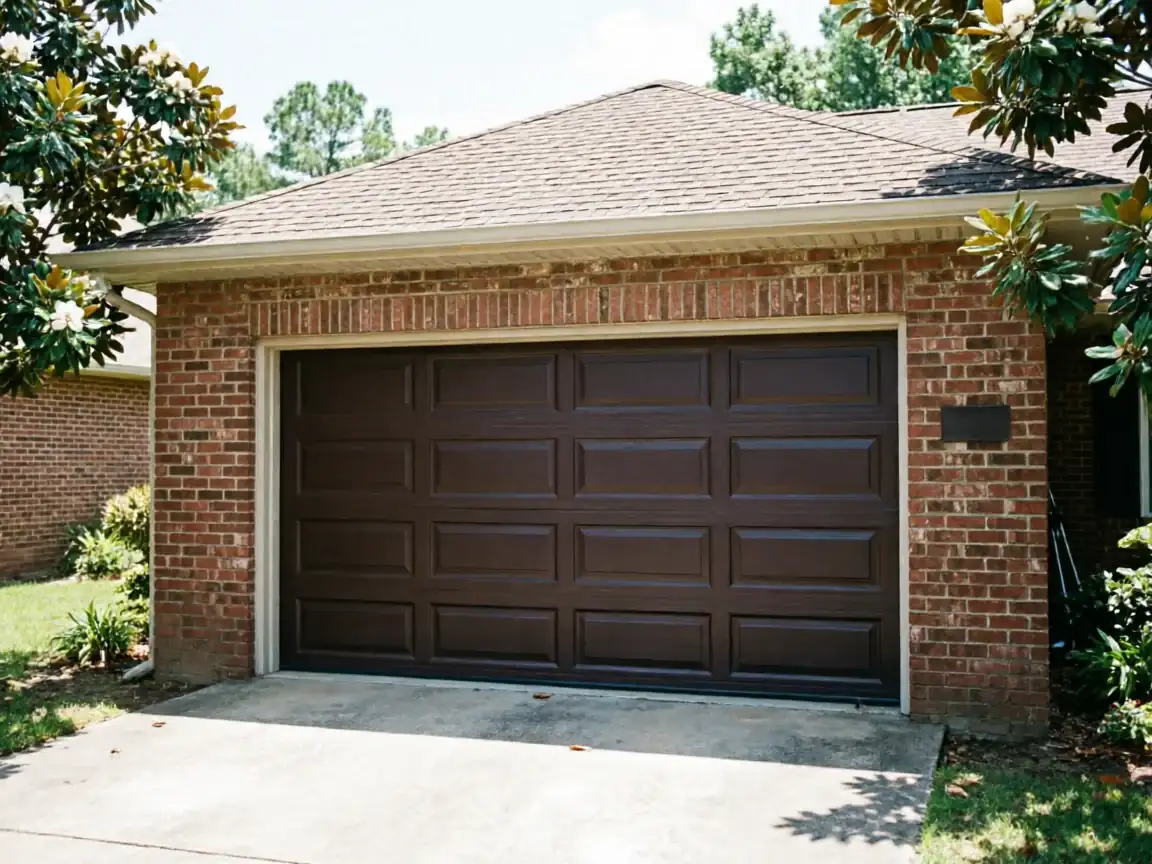
The house has a brown garage door, brick walls, and a brown roof.

Garage Door Service

Garage door service for Hendersonville homes built 1958-2005, where cold-season swings and aging torsion hardware cause most of the calls we get.

Learn more
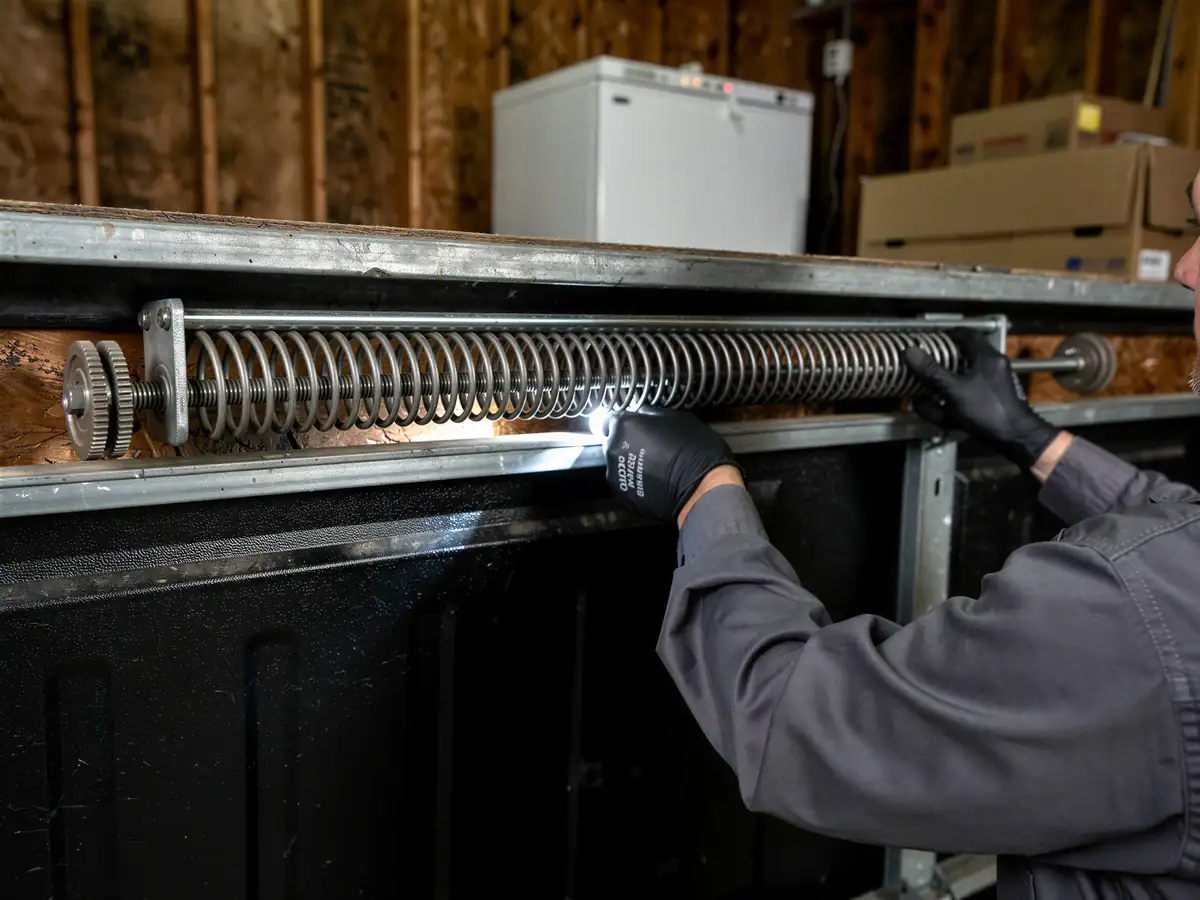
A technician in black gloves works on a garage door torsion spring.

Spring Repair

Broken torsion springs show up often in Hendersonville's 1958-2005 housing stock. Here's why cold winters strain springs and what a proper repair takes.

Learn more
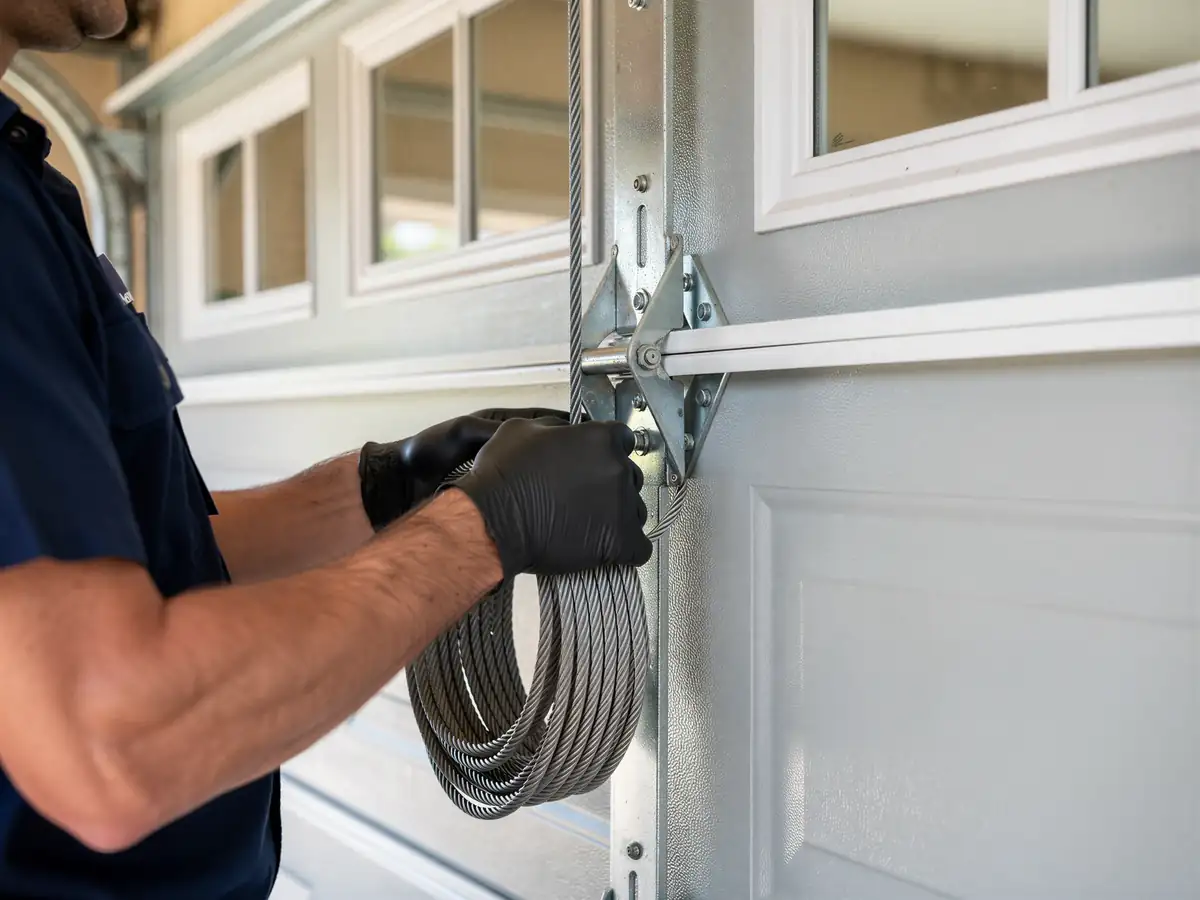
A technician wearing black gloves holds a coiled garage door cable.

Cable Repair

Broken or frayed garage door cables in Hendersonville homes fail fast once winter hits. See why older torsion setups wear out here and what repair involves.

Learn more
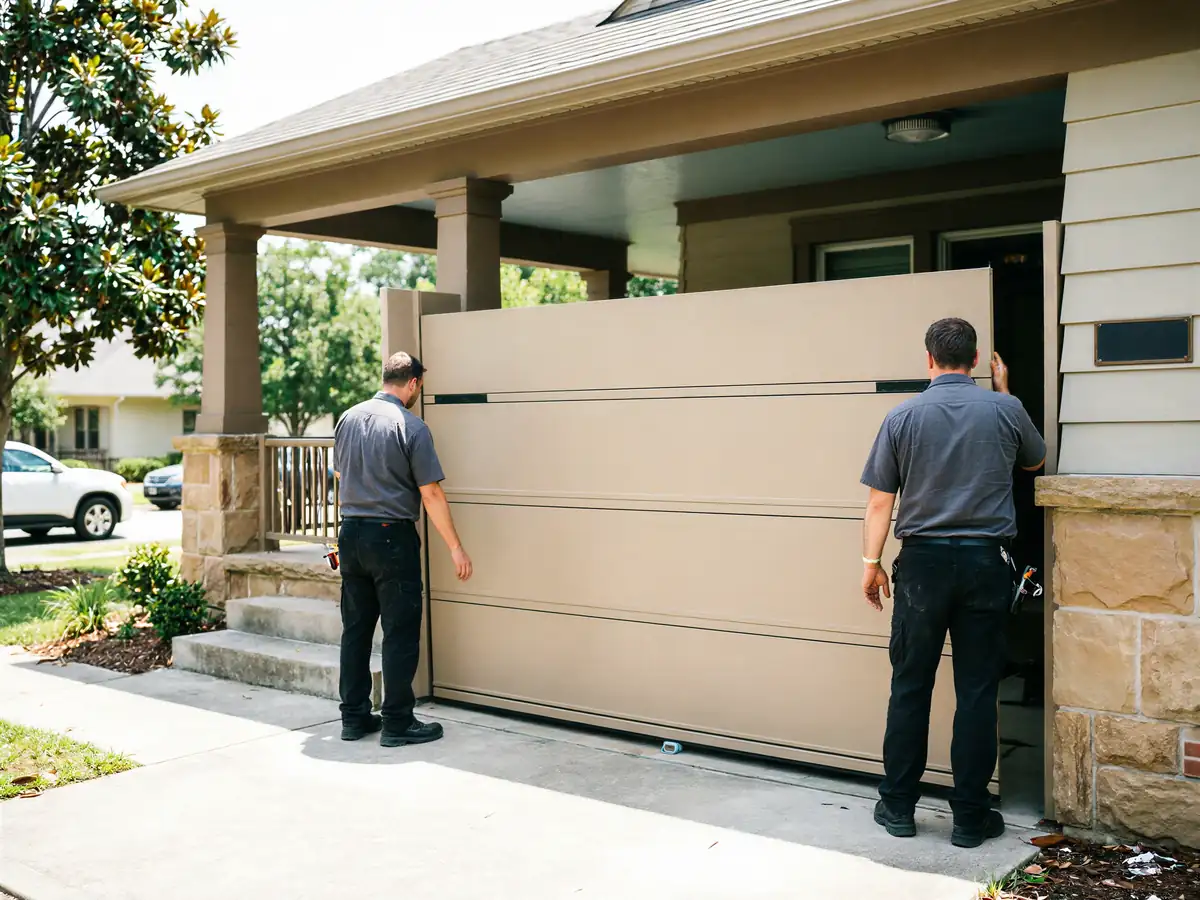
Two technicians install a tan garage door on a house.

Panel Replacement

Dented, cracked, or rusted garage door panels are common on the 1980s-90s steel doors that fill Hendersonville-area neighborhoods. Here's why, and what fixing it actually takes.

Learn more
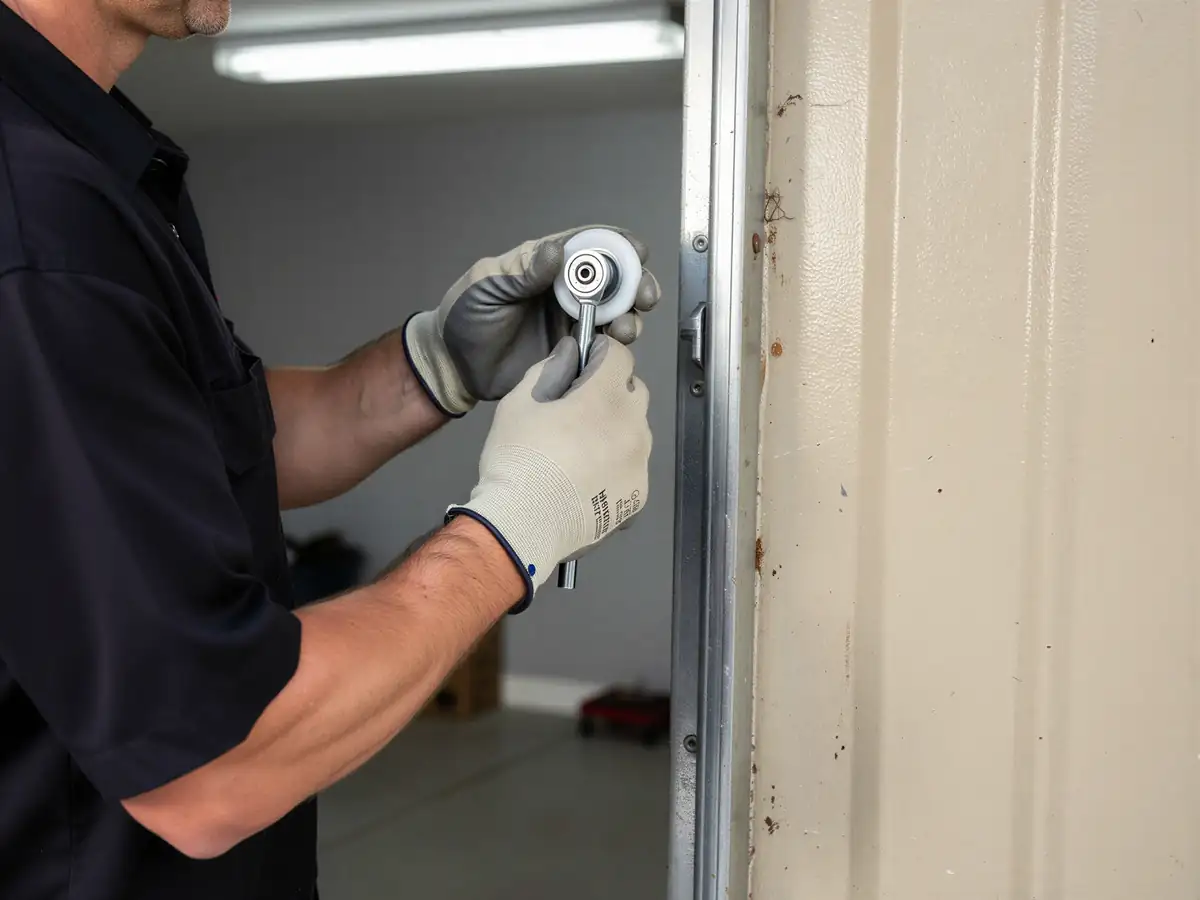
A technician wearing gloves holds a new roller next to a garage door track.

Roller Replacement

Rollers failing on original 1980s-90s steel track systems across Hendersonville-area homes. Here's why it happens, what DIY can and can't fix, and what the job involves.

Learn more
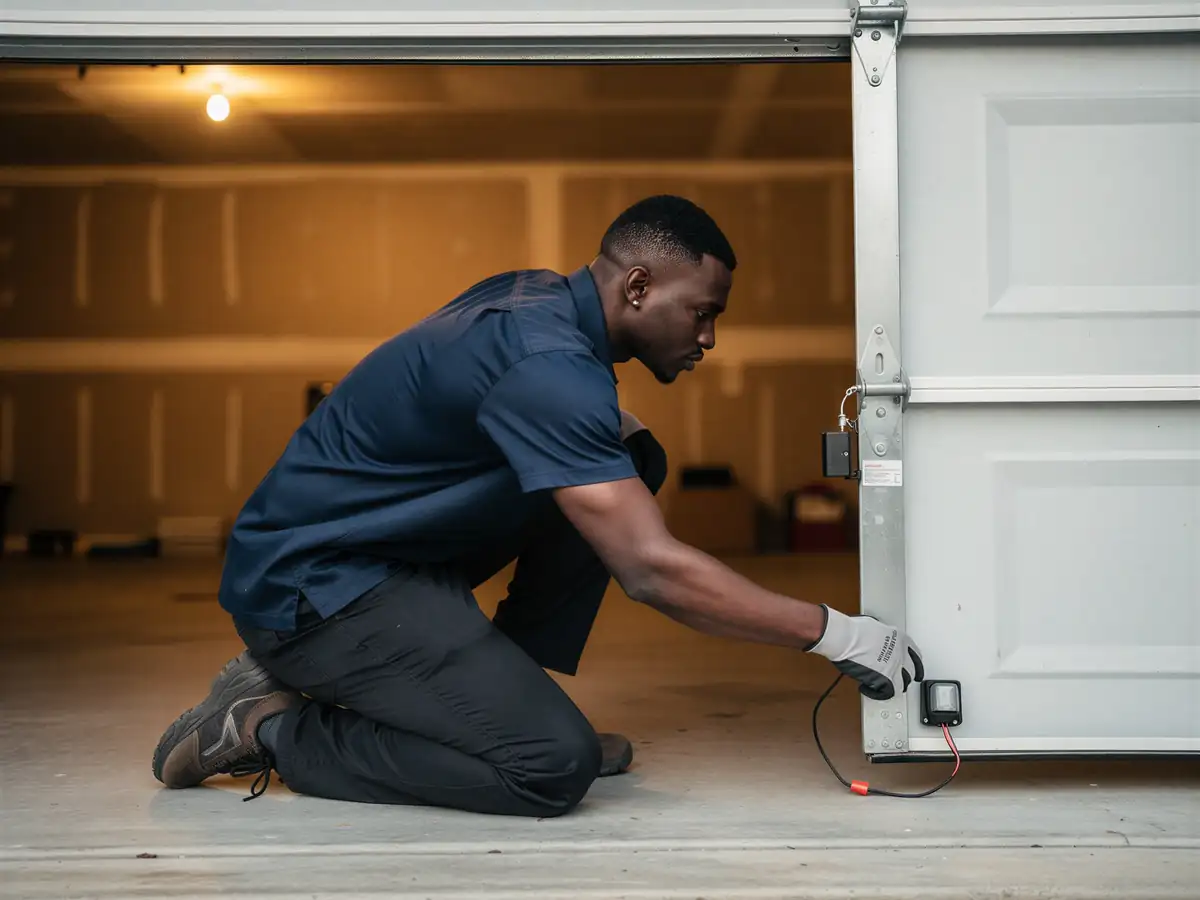
A technician kneels, adjusting a safety sensor on a white garage door.

Maintenance

Garage door maintenance for Hendersonville homes built mostly in the 1980s and 90s, tuned for cold-moderate winters and the wear patterns common across 13 nearby areas.

Learn more
Questions

Frequently asked

Straight answers about garage door repair in Hendersonville. Still unsure? Ask us directly.

Why does my garage door squeal more in winter?

Hendersonville sits in a cold-moderate climate band, and steel torsion springs contract in cold air, which can make them bind and squeal even if they were silent all summer. Lubricant also thickens in the cold. It's usually not damage, just the hardware responding to the seasonal swing, though a persistent squeal after lubrication is worth checking.

Is a grinding noise always the rollers?

Not always, but it's the most common cause in houses built through the 1980s and '90s, since builder-grade doors from that period came with nylon rollers that wear down predictably. A flashlight check at the roller tracks usually confirms it. If the grinding is paired with a thump, a bent track section is also worth ruling out.

Can I lubricate the spring myself to quiet it down?

You can lubricate hinges and rollers yourself with a light household oil, but the torsion spring itself isn't something to adjust or heavily grease on your own given the tension involved. If the spring is creaking under load or you see gaps between coils, that's a sign to have it looked at rather than lubricated further.

My house was built in the 1960s. Does that matter for the noise?

It can. Homes at the older end of this area's 1958-2005 range sometimes still have original torsion spring setups and side-mounted hardware, which age and sound differently than more recent installs. That older hardware is also more likely to need a part sourced rather than pulled off a standard stock shelf.

Ready to get your garage door sorted?

Tell us what it’s doing and where you are in Hendersonville - we’ll take it from there.

Request a QuoteCall