How It Shows Up
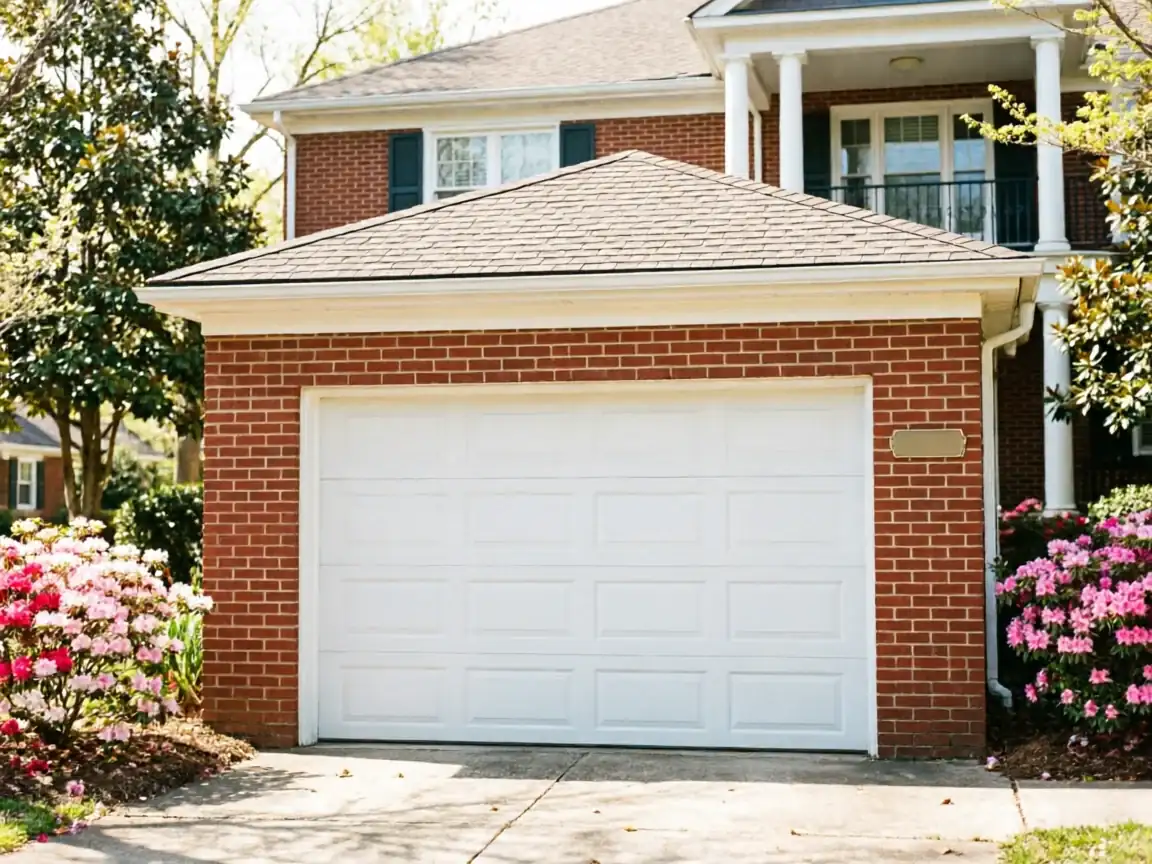
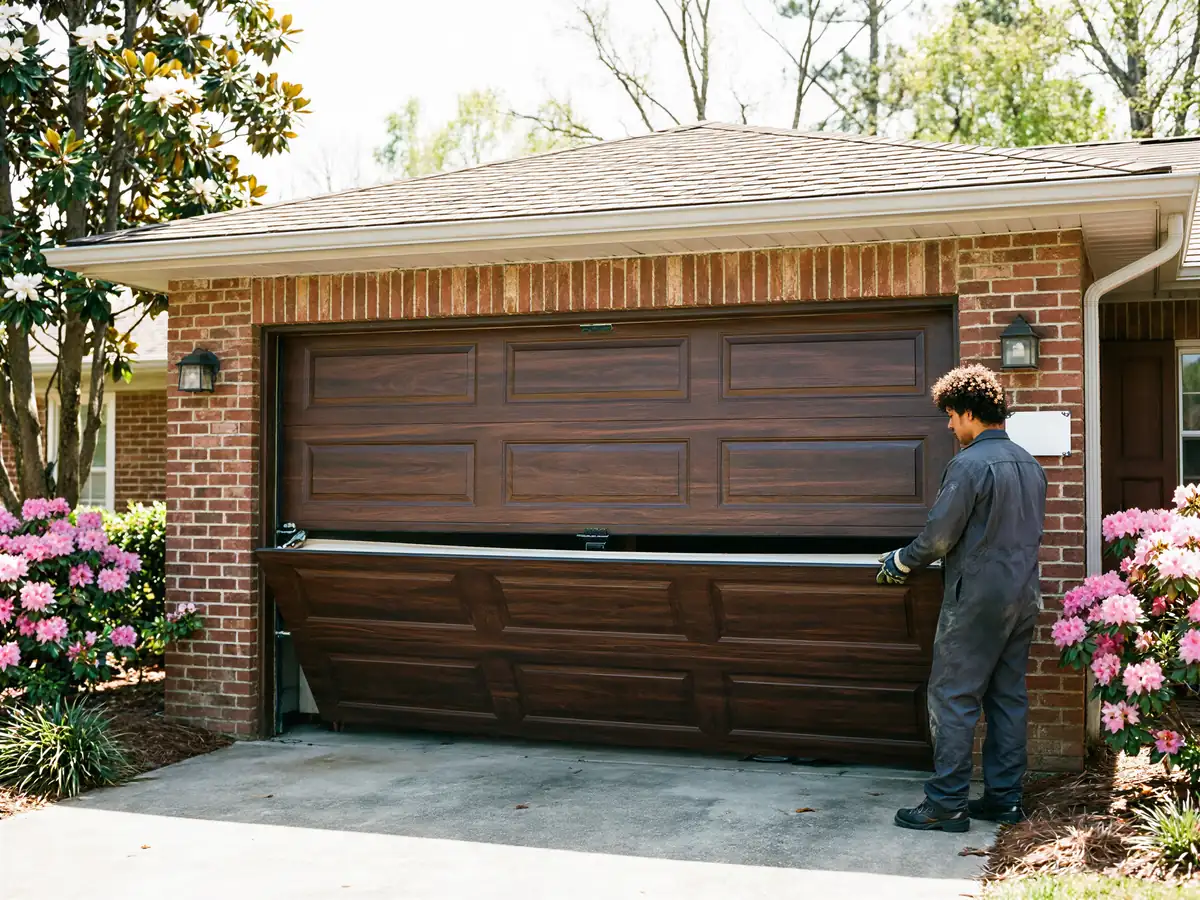
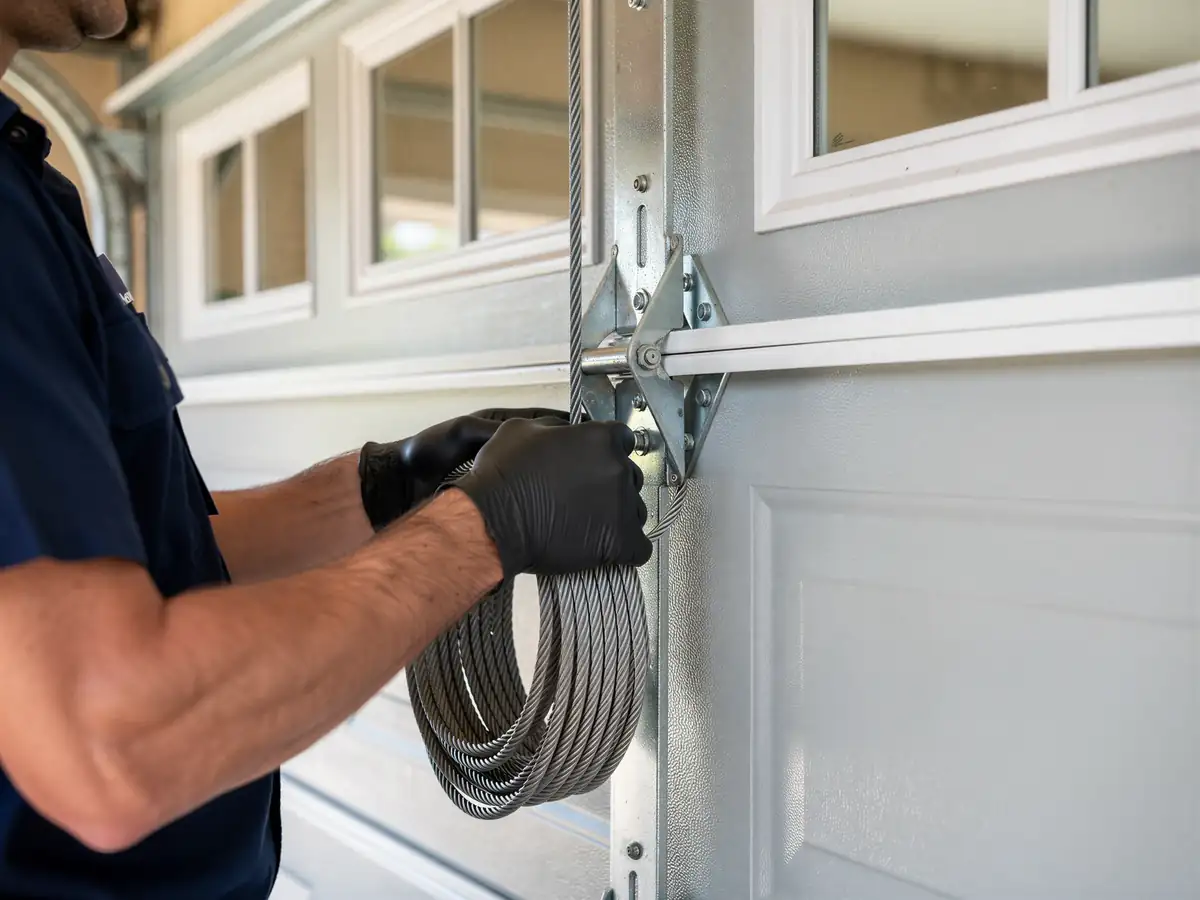
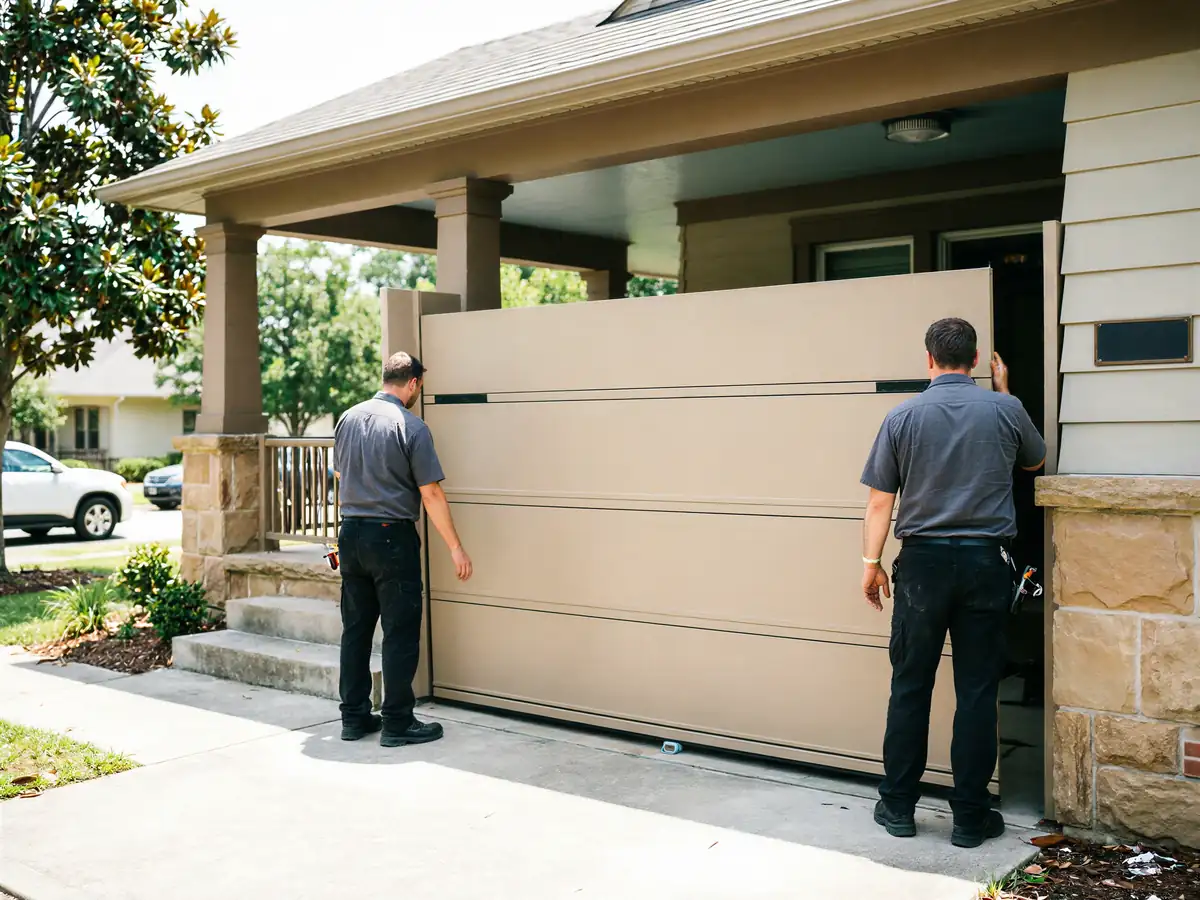
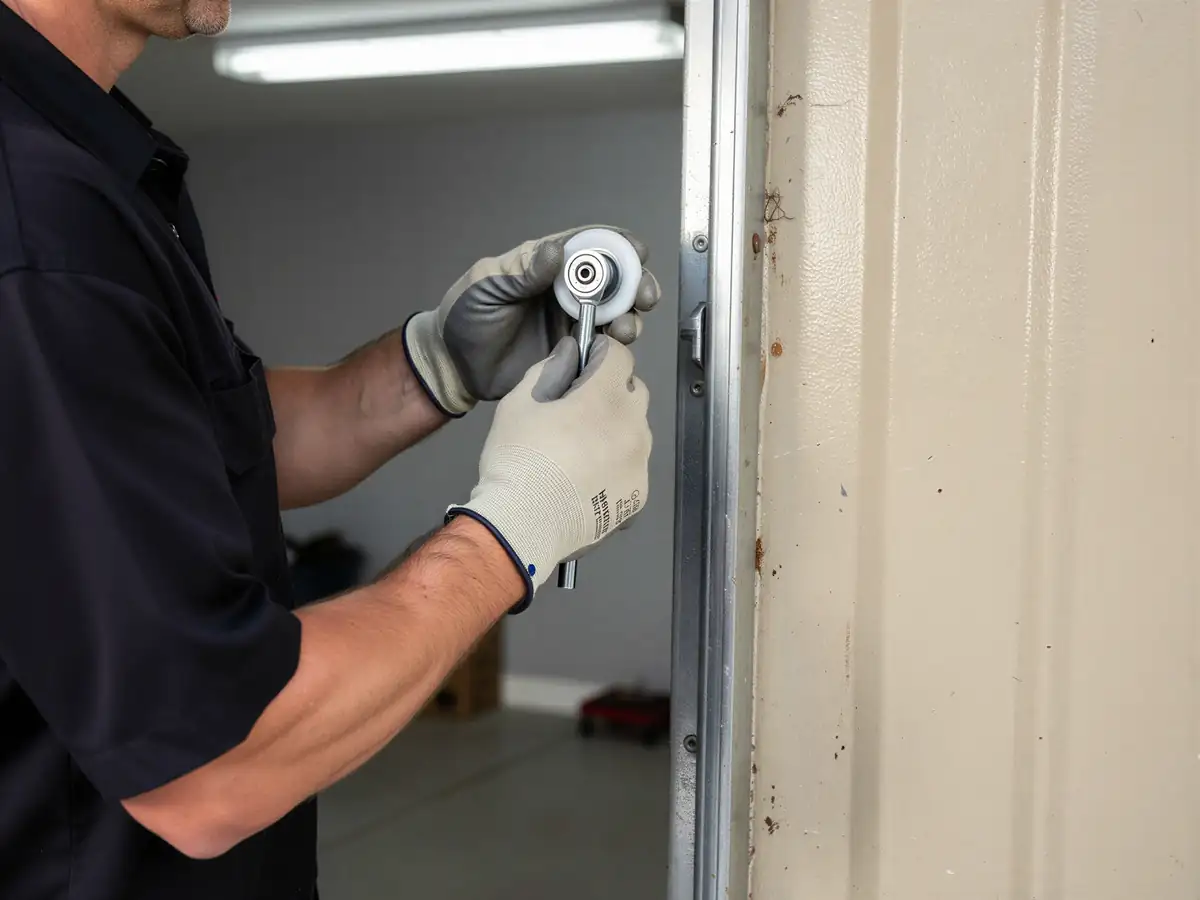
Most of the calls we get start the same way: the door hesitates, groans, or stops halfway and won't go either direction. In Hendersonville that usually traces back to the age of the house. Housing stock here runs from 1958 up through 2005, with the median build year around 1990, and most of the 13 named areas we work in are dominated by that 1980s-90s construction. That means a lot of original torsion springs, original openers, and tracks that have been through three decades of temperature swings without ever being touched. The symptom is almost always the same: a door that used to open smooth now jerks, drags on one side, or reverses itself for no clear reason. Sometimes it's a cable starting to fray where it wraps the drum. Sometimes it's a roller that's worn its track groove wider than it should be. The door doesn't fail all at once - it tells you for weeks first, and most people wait until it stops telling you and just quits.
The DIY Question
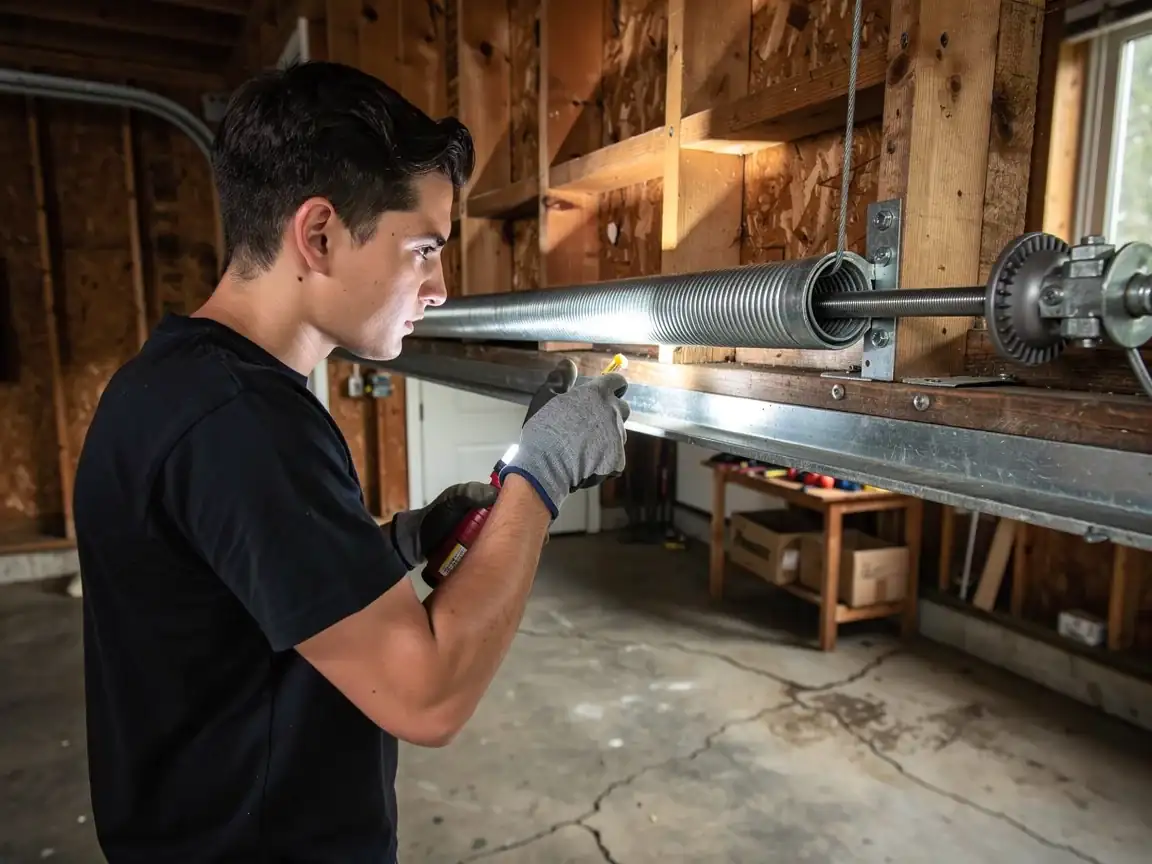
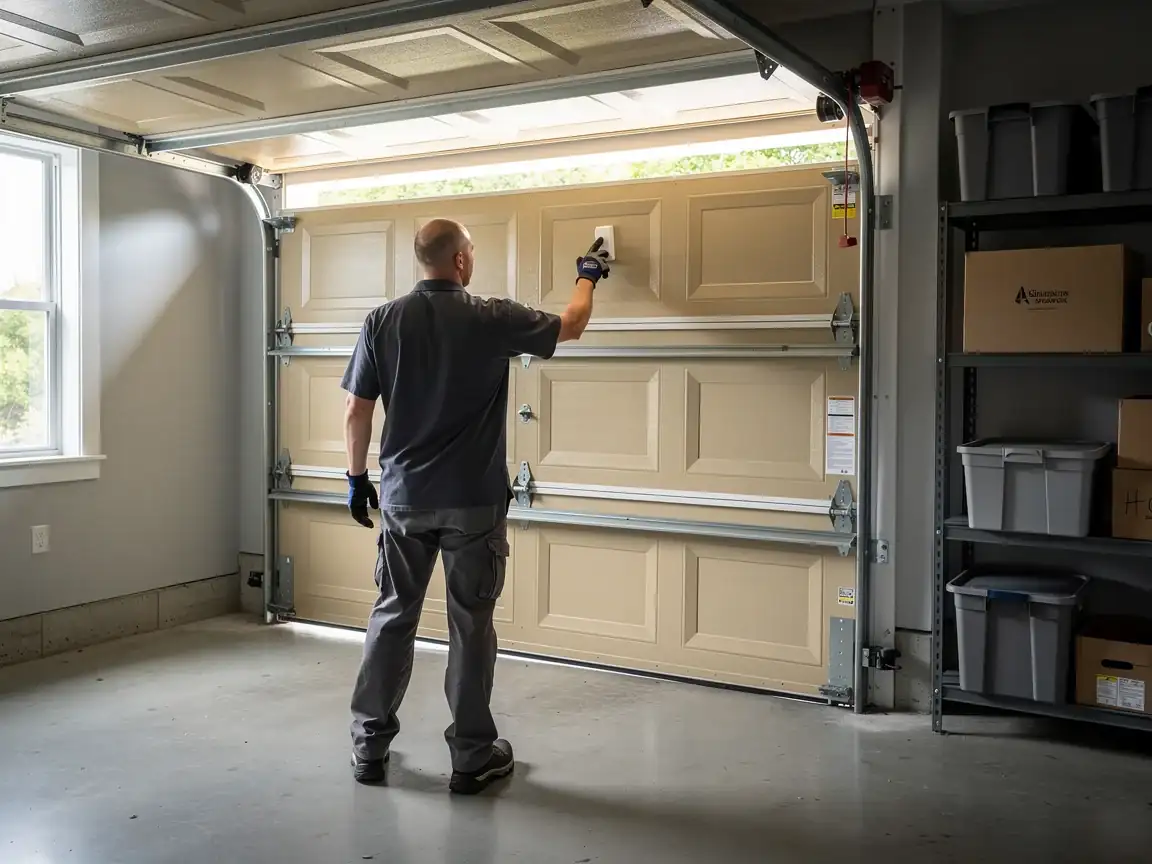
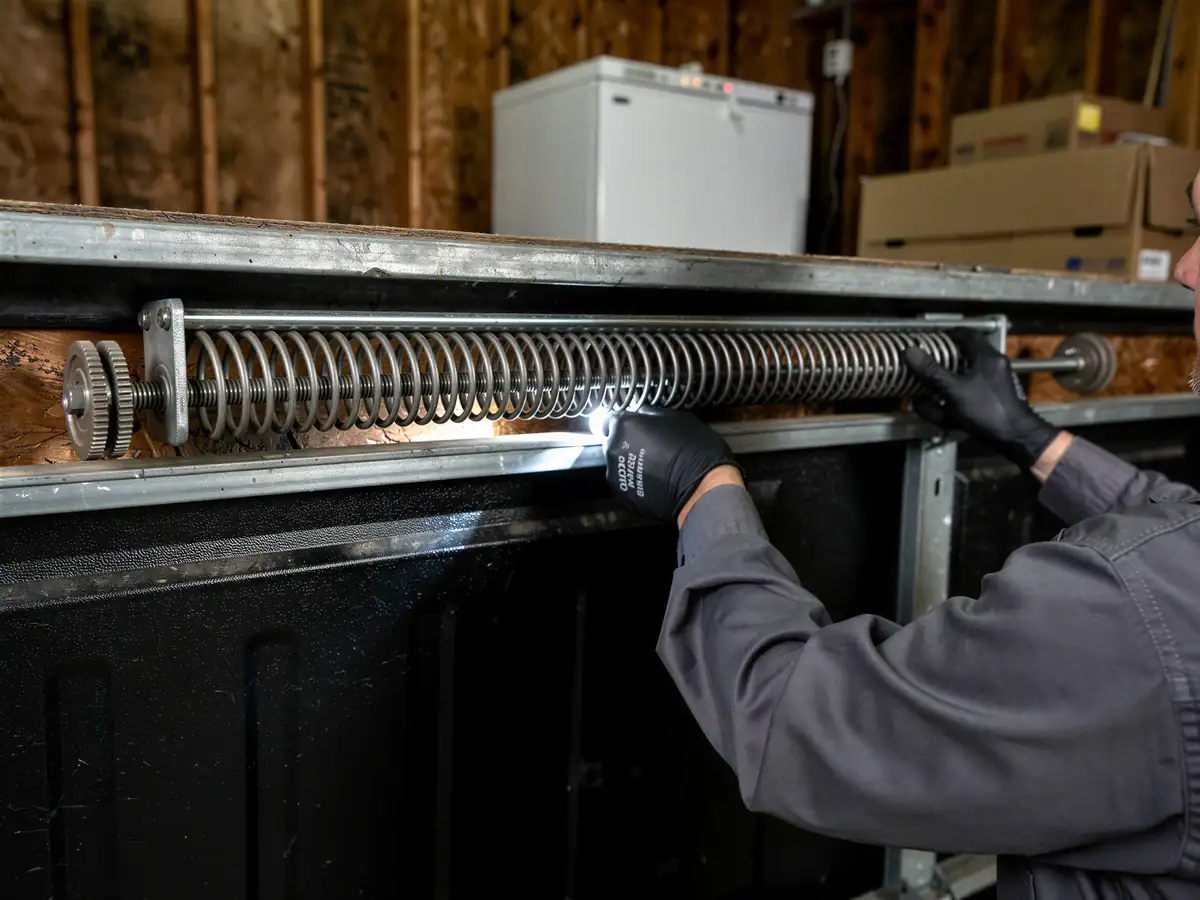
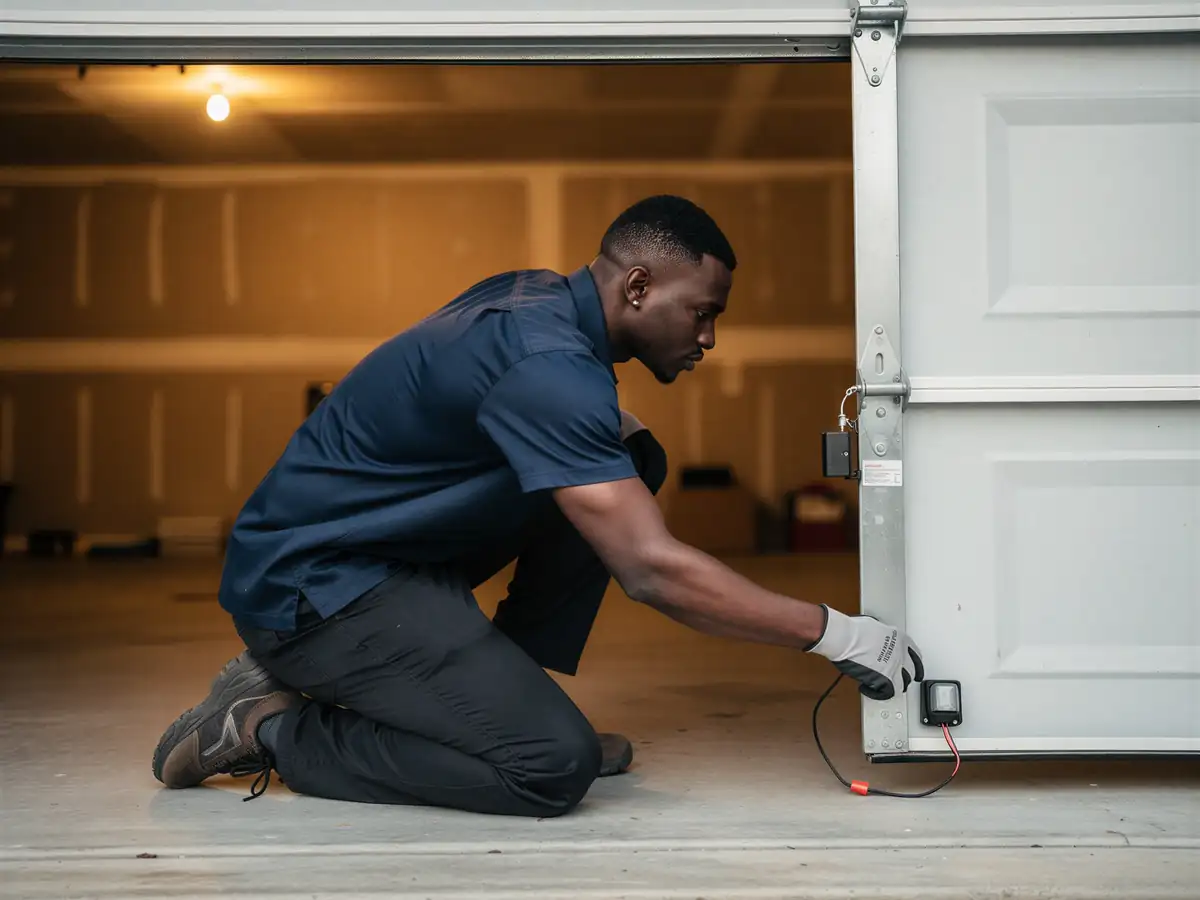
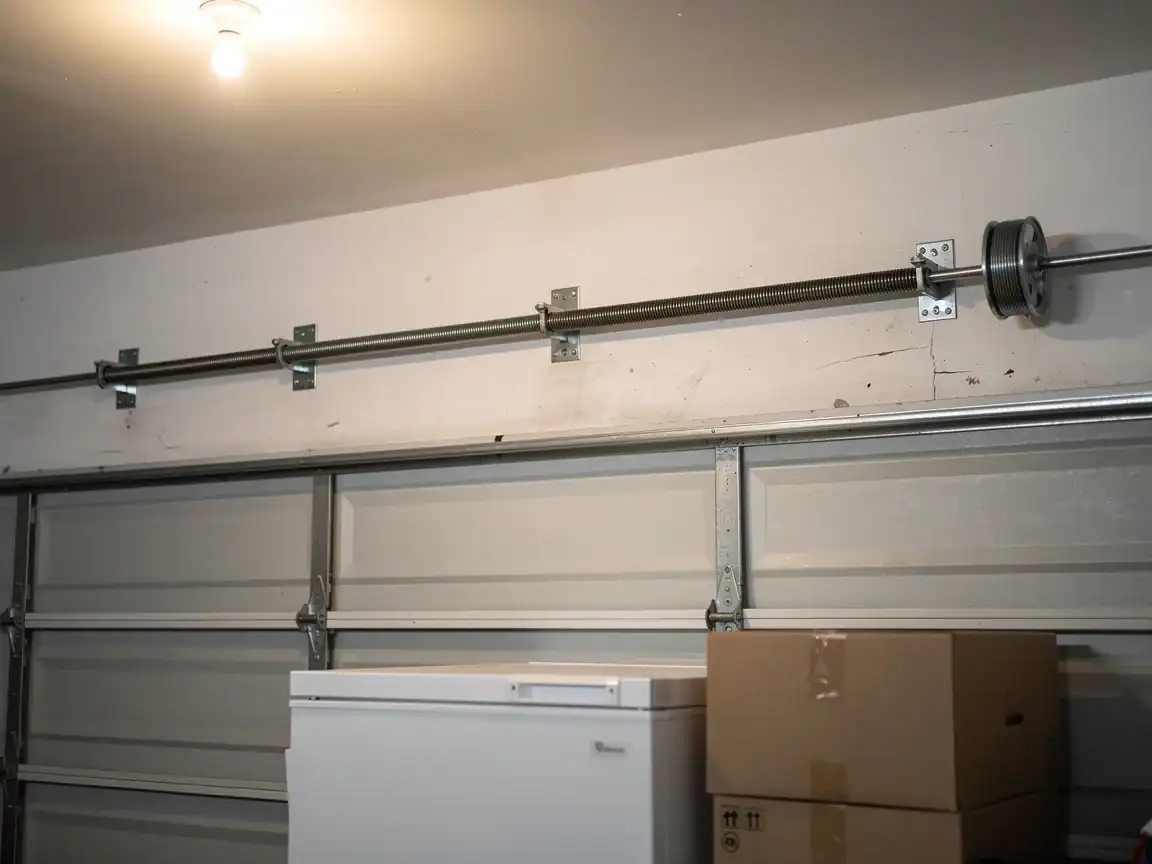
A torsion spring under tension can take a finger or worse, and we don't walk people through replacing one over the phone - that's not a YouTube repair, full stop. Rollers, weatherstripping, and lubricating hinges are fair game for a homeowner with the right grease and a Saturday. Realigning a safety sensor is usually fine too. But once you're talking about spring tension, cable replacement, or an opener that's arcing at the motor, call it in. The honest limitation here: if your door is original to a house built in the 1960s or 70s, parts for that specific hardware can take longer to source than parts for a door from 1995 - we'll tell you up front if that's the case rather than quote a timeline we can't hit.
What the Repair Takes
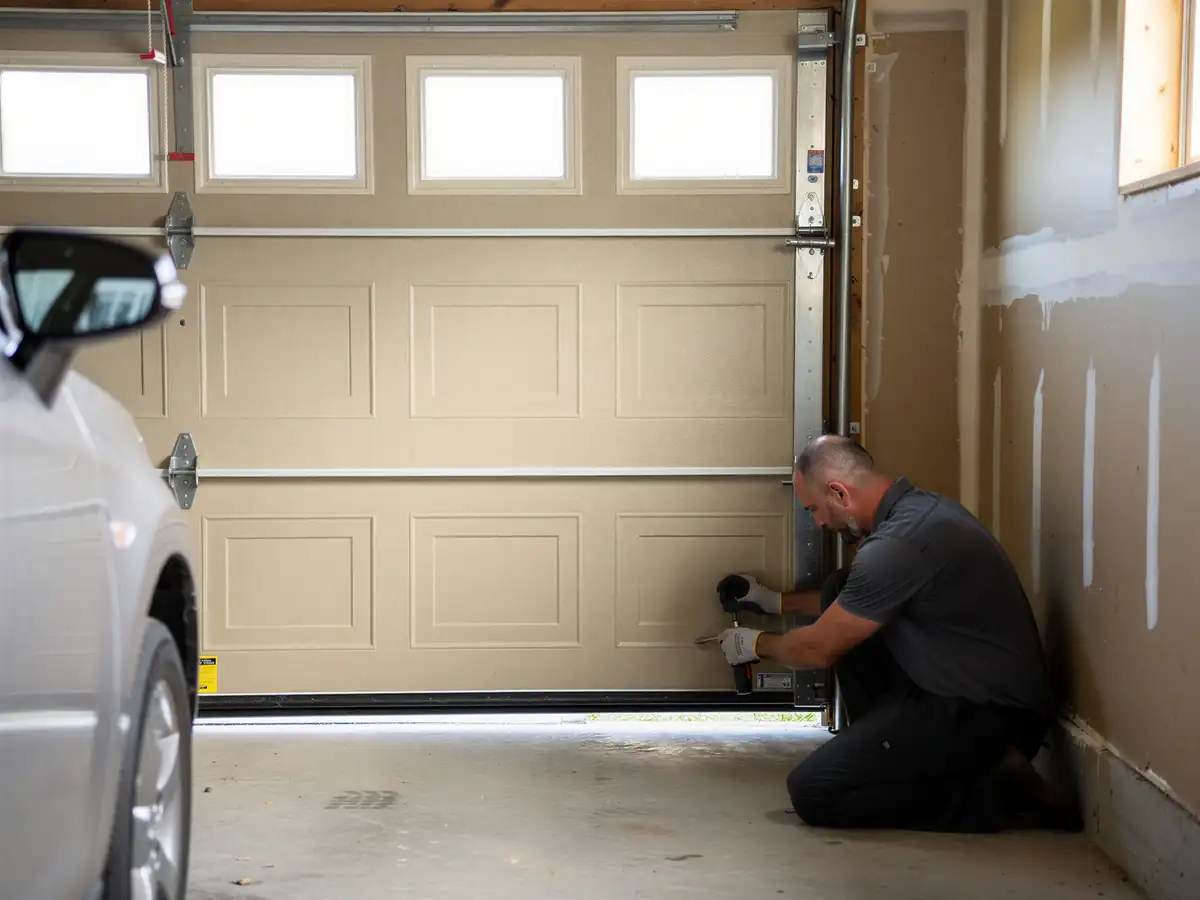
Most torsion spring jobs and cable replacements on the stock of doors common in this area - garage doors matched to houses built from the 80s and 90s - take a single visit. We bring standard spring sizes for that era's door weights because that's what most of the 34,671 owner-occupied houses across this service area are running. Opener issues take a bit more diagnosis since logic boards fail differently than belts or gears. If your door predates the 1980s, we may need to confirm spring wind and drum size on site before we commit to a same-visit fix, since that older hardware wasn't standardized the way later builds were. Either way, the goal on the first visit is a working door, not a guess at one.