The Cost of This Job
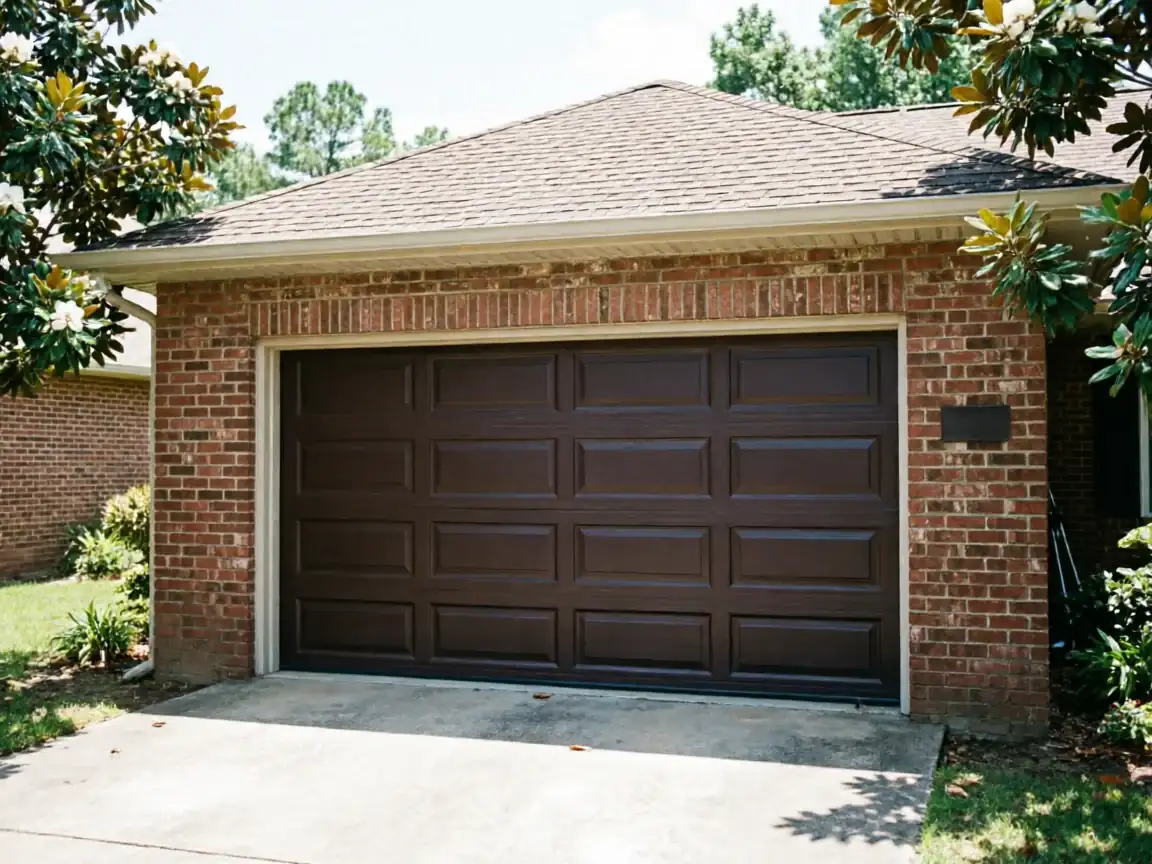
We don't quote a price here because the job depends on what's actually wrong, but we can tell you how to think about the decision. Most houses in this service area went up between 1958 and 2005, with the median build year landing around 1990. That means a huge share of doors and openers out there are original equipment, now thirty-plus years into a mechanical life that was never meant to last forever.
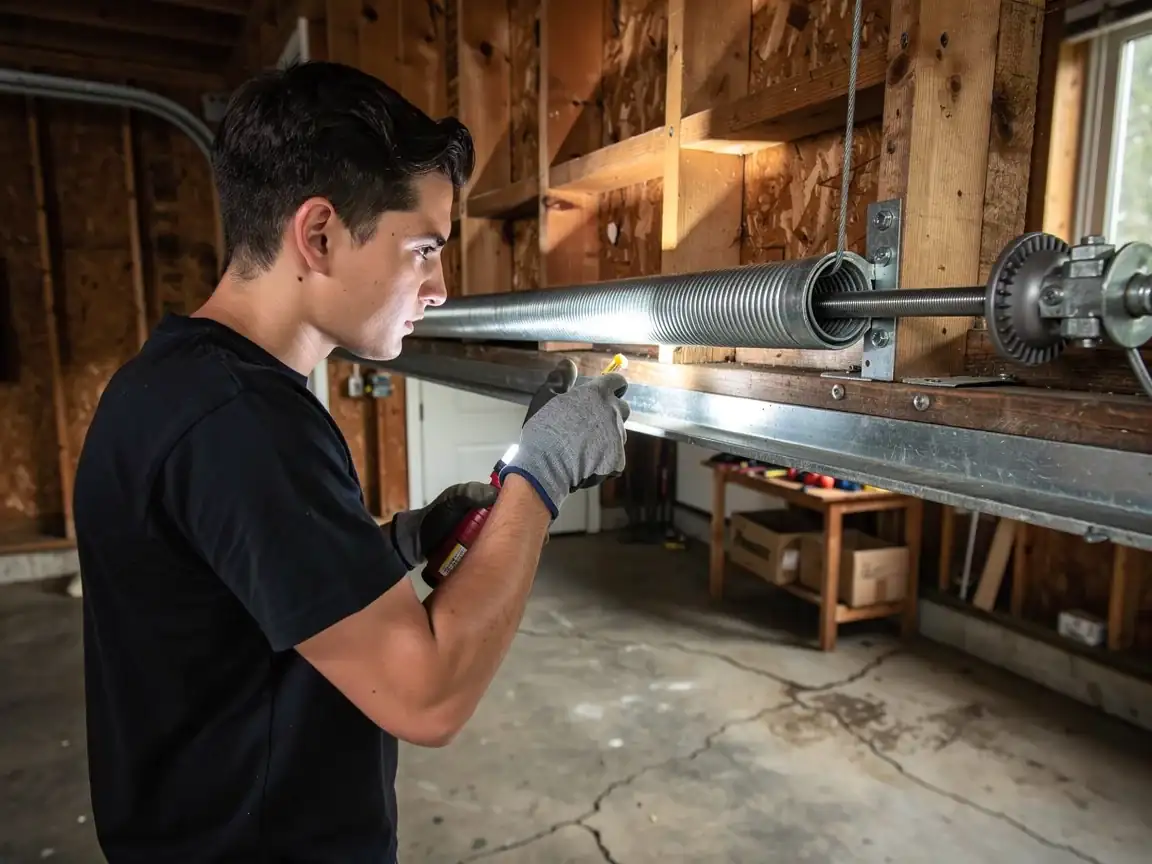
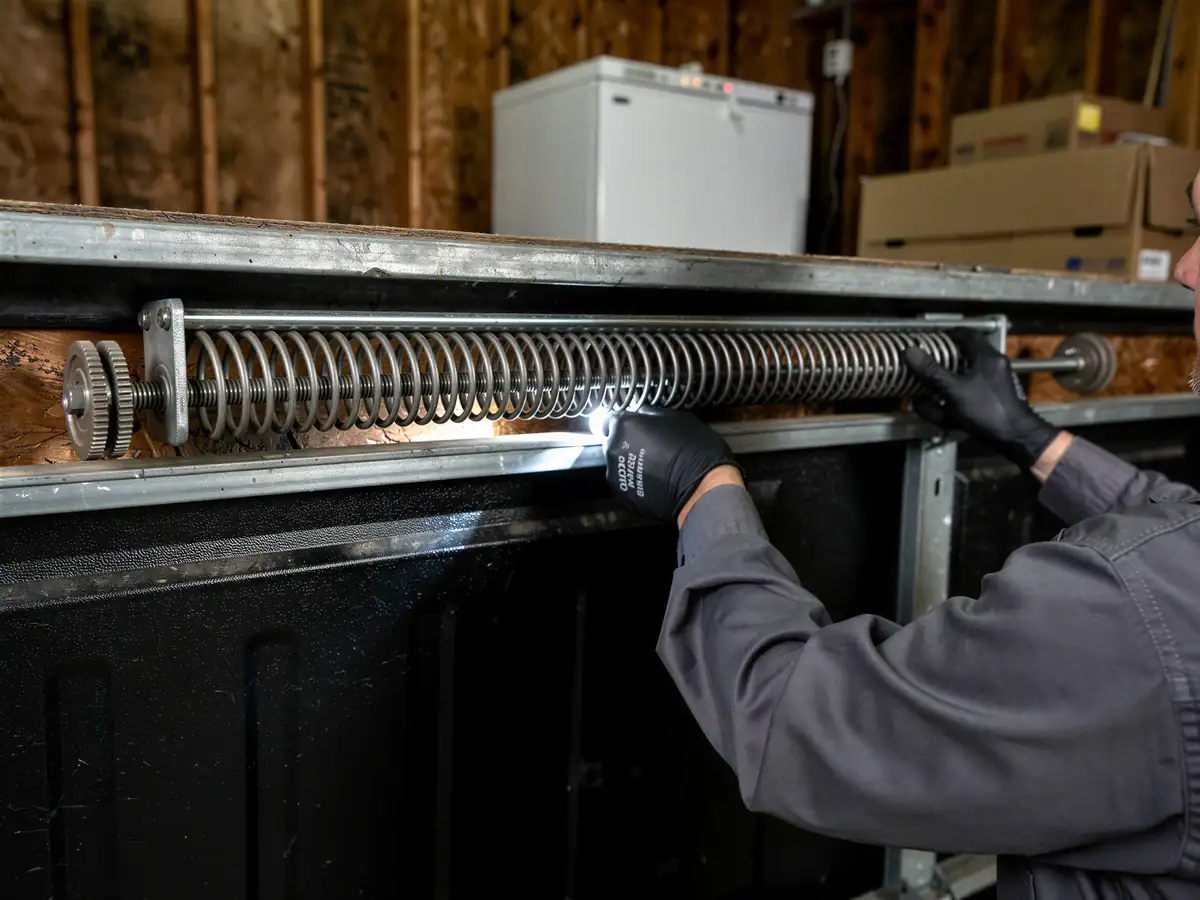
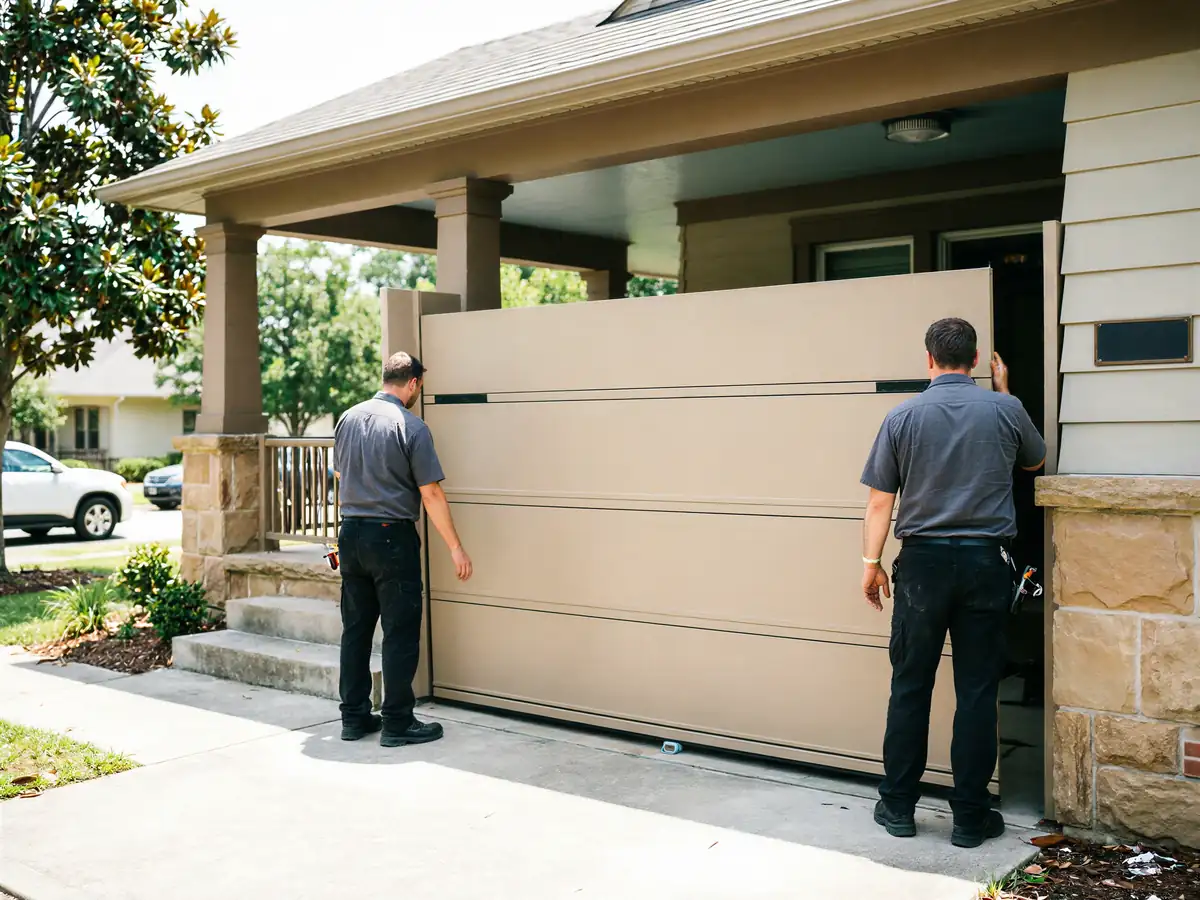
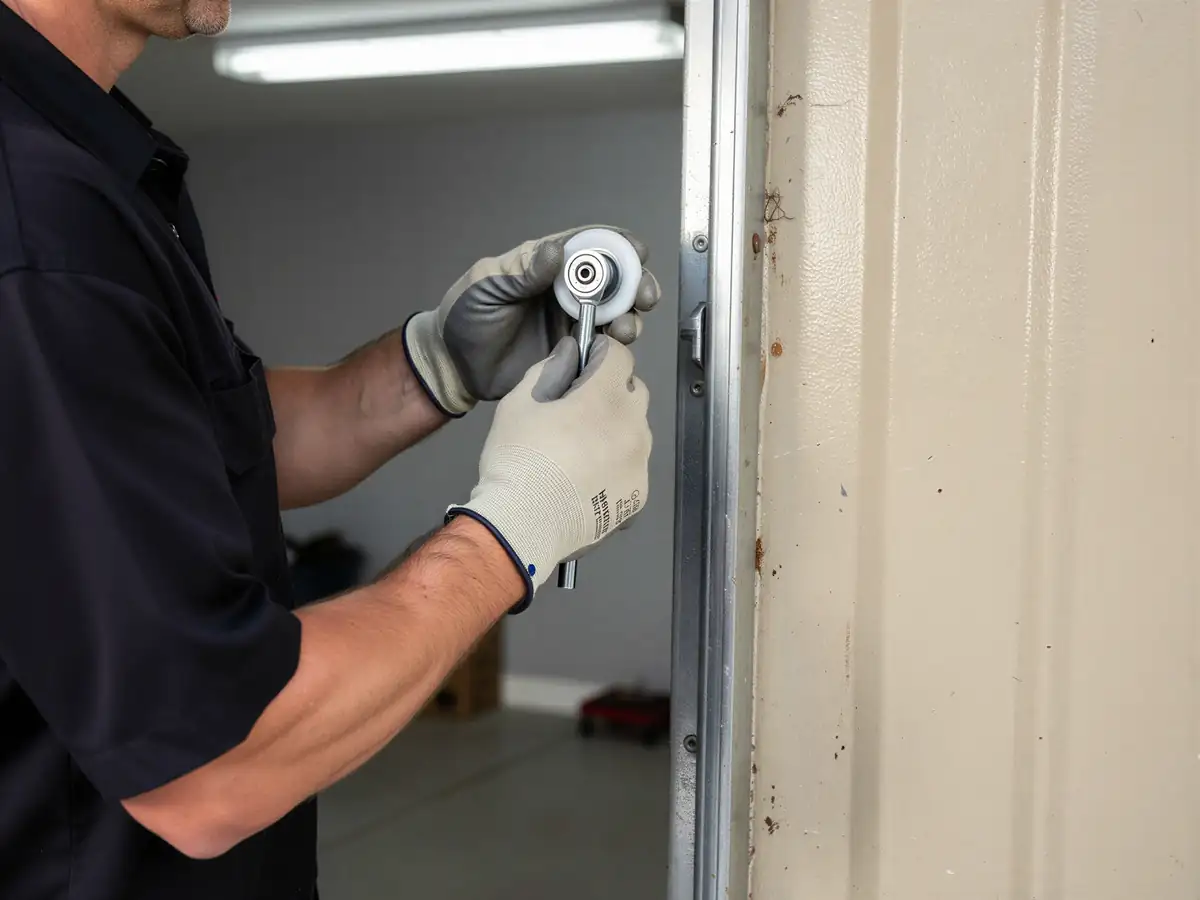
A torsion spring, a bent track, or a worn roller on a door from that era is almost always worth fixing. The door panel itself, the frame, and the opener motor are usually fine; it's the wear parts that fail. Where it stops being worth it is when the door section is rusted through, the track is bent beyond realignment, or the opener is the kind that no longer has parts made for it. At that point you're paying to patch something that'll fail again in a year.
With 34,671 owner-occupied houses across this area, we see the same failure points over and over: original springs, original rollers, hardware that's outlived its design life. If your home fits that build window, chances are good the fix is smaller than the full-replacement conversation you're dreading.
What Local Conditions Do
This area sits in a cold moderate climate band
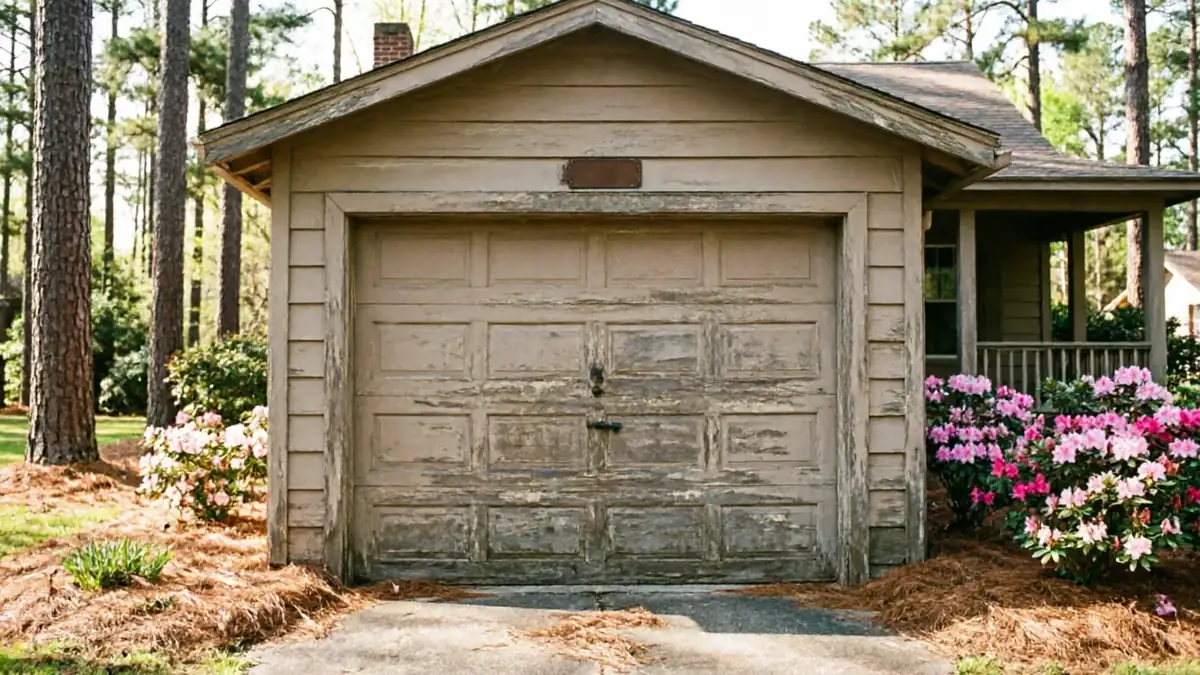
Which doesn't sound dramatic, but it matters for a door that's original to a 1980s or 90s build. Doors from that stock weren't built with the weatherstripping or insulation standards that newer doors carry, and over three or four decades of seasonal temperature swings, the steel contracts and expands at the joints. That's where you get the gap at the bottom corner, the slightly warped panel, the opener that strains a little more in the cold months.
It's not damage in the dramatic sense
No storm event, no single bad day. It's accumulated flex, repeated every winter, on hardware that was never rated for it in the first place. The spring takes the brunt of that stress, since it's doing more work to lift a door that doesn't seal and move the way it did when it was new.
This is also why a repair on an older door in this area often means replacing more than one part at once
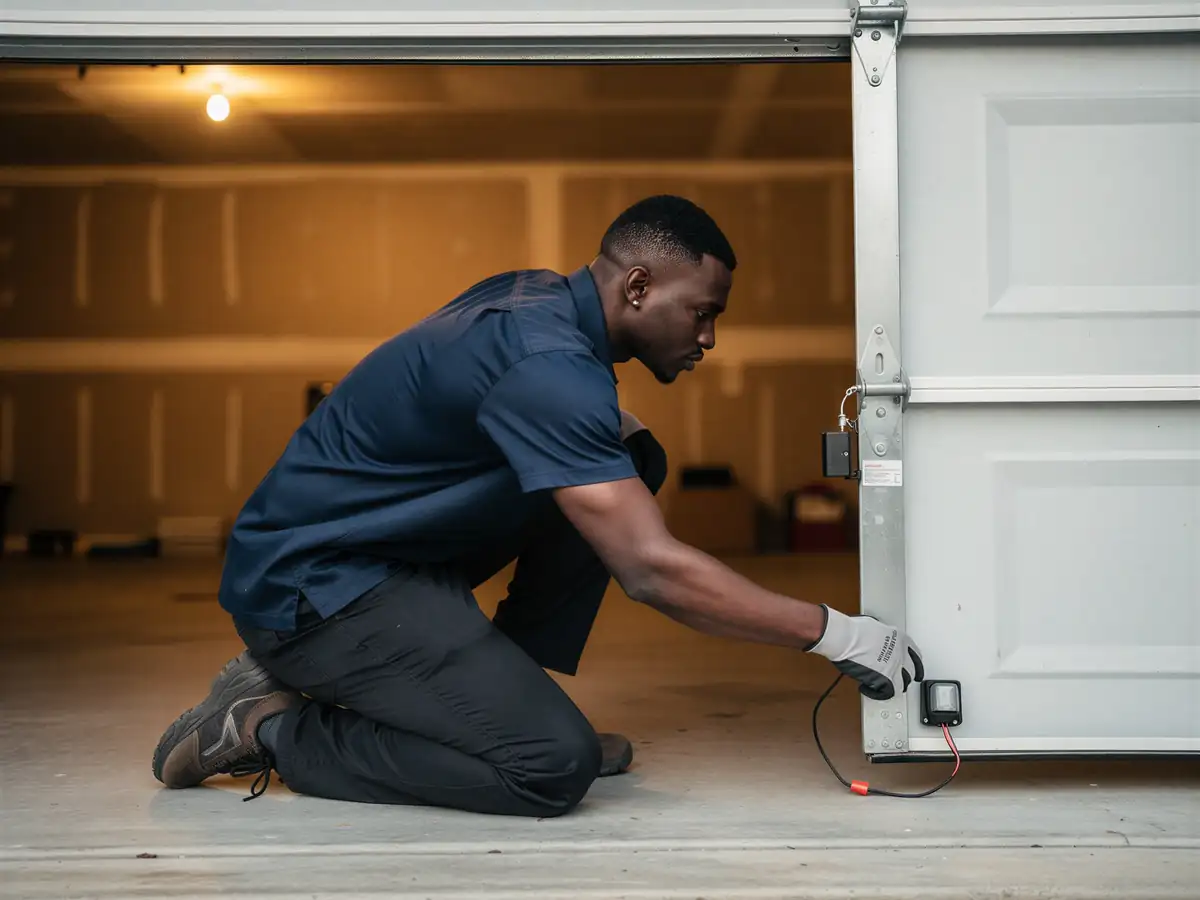
The spring that just broke is rarely the only part under strain. If the track or rollers are showing the same wear pattern, fixing just the spring buys you a few months before the next call.
Checking It Yourself
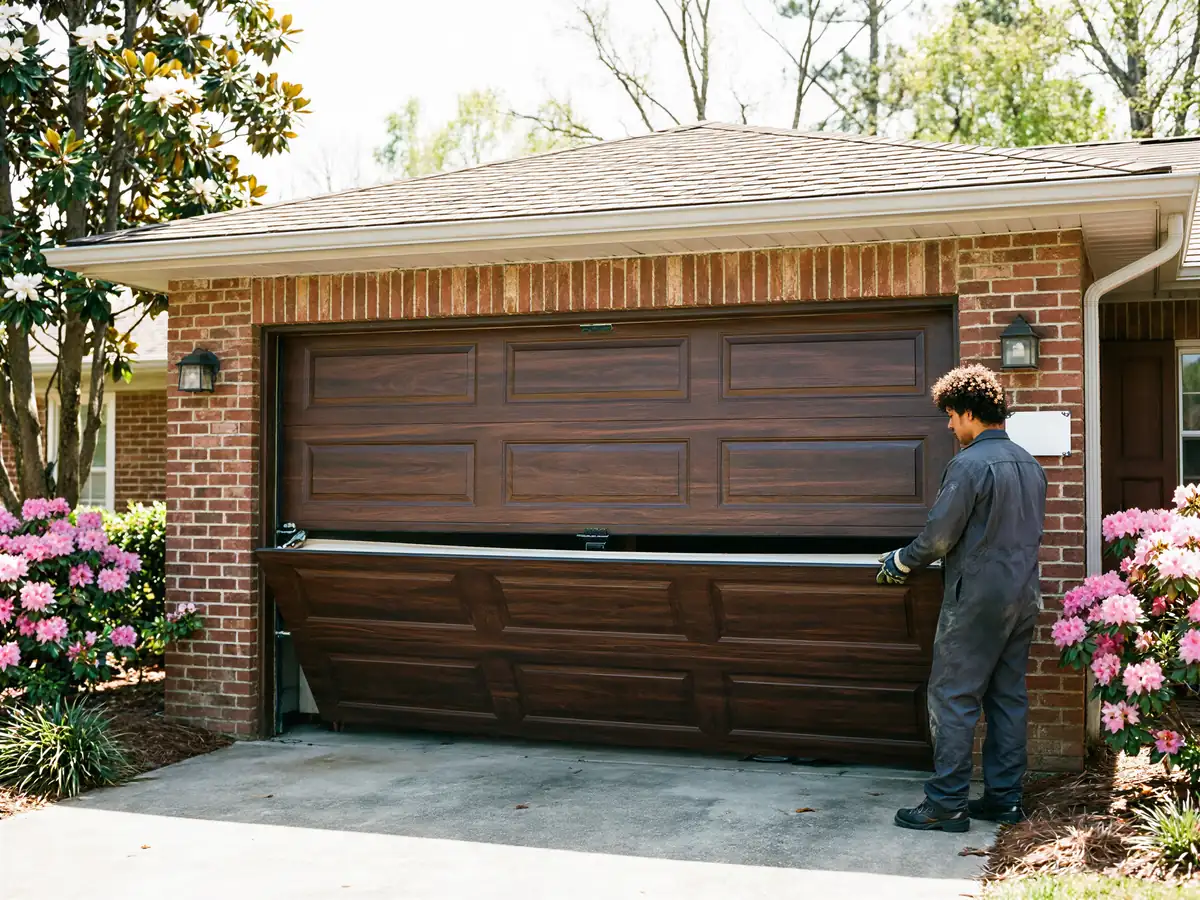
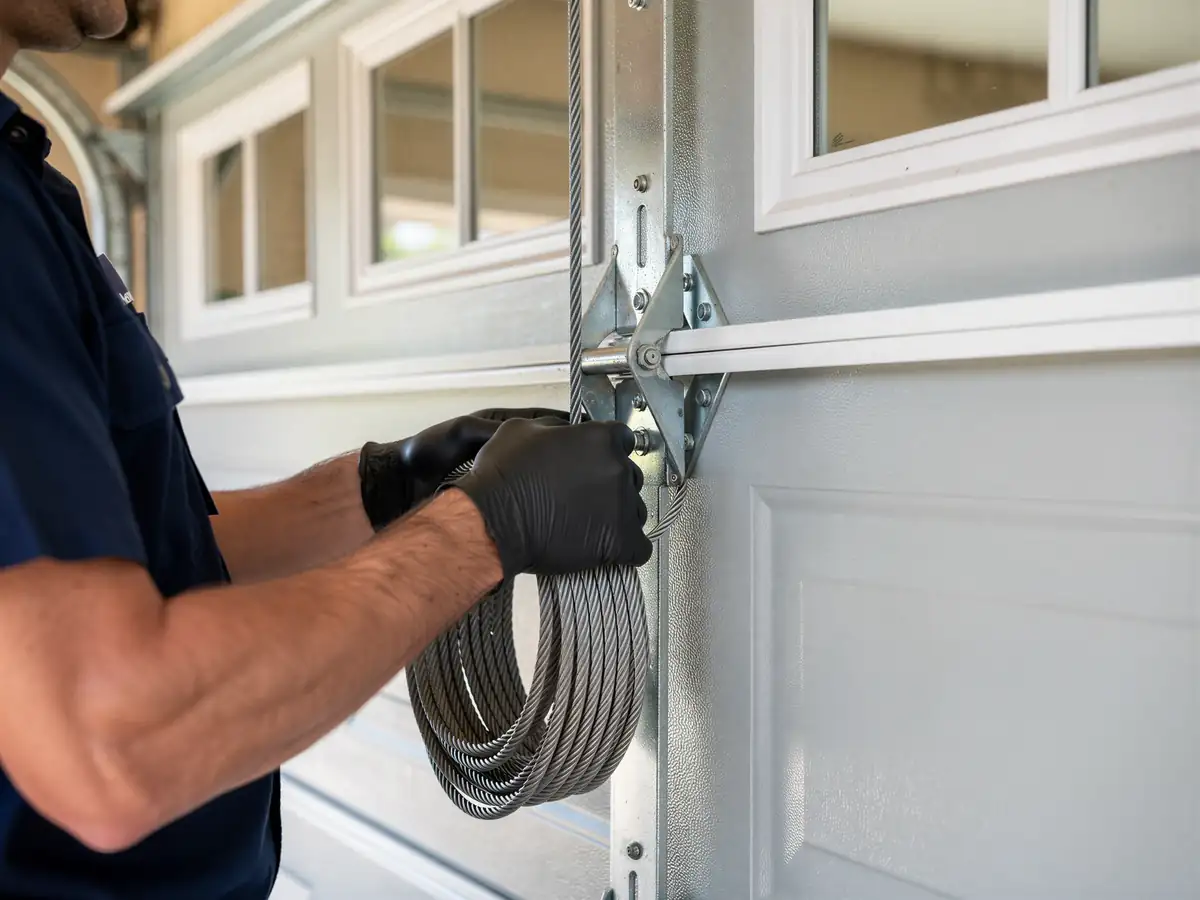
Before you call anyone, a few things you can check in five minutes. Pull the manual release and lift the door by hand. If it's heavy and uneven, or one side drags, that's spring or cable wear, not a reason to replace the whole unit. Look at the bottom corners of the panel for rust bubbling through the paint. Surface rust is cosmetic; rust that flakes off in your hand when you press it means the steel underneath is going.
Check the track for a visible bend or a spot where the rollers skip rather than roll smoothly. A straightened track is a cheap fix. A track that's been bent and straightened more than once is a sign the door's been fighting something for years.
Last thing: listen for a grinding or popping sound as the door moves. That's often the opener's gear, not the door itself, and on a unit old enough to date to the original build, that gear may simply be unavailable. None of this replaces a look from someone who does it daily, but it tells you whether you're dealing with a part or a pattern.
The Problem
The honest problem with older doors in this area is that a lot of them are failing in the same decade, for the same reason: they were all built around the same time. A door put in during the 1990 median build year is now at or past the point where springs, rollers, and cable are expected to wear out, regardless of how well the house was maintained otherwise.
That creates a timing issue. If your spring just went, it's worth asking whether the rest of the hardware is close behind, because replacing one part and then getting called back out in eight months for another isn't a good use of anyone's money. We'll tell you straight if that's where things are headed, rather than replacing one part at a time and letting you find out the hard way.
One limitation worth saying plainly: we don't carry parts for every opener model from this era. Some of the ones built in the 80s and early 90s are no longer manufactured, and if yours is one of them, repair may mean a compatible replacement part rather than an exact match, or in some cases, replacing the opener outright.