Serving Hendersonville, TN & nearby
(615) 413-4734
Hendersonville, TN

What's Actually Included When We Come Out

What a Hendersonville Garage Door Pros service call actually includes, and why homes built between 1958 and 2005 here tend to need the same handful of repairs.

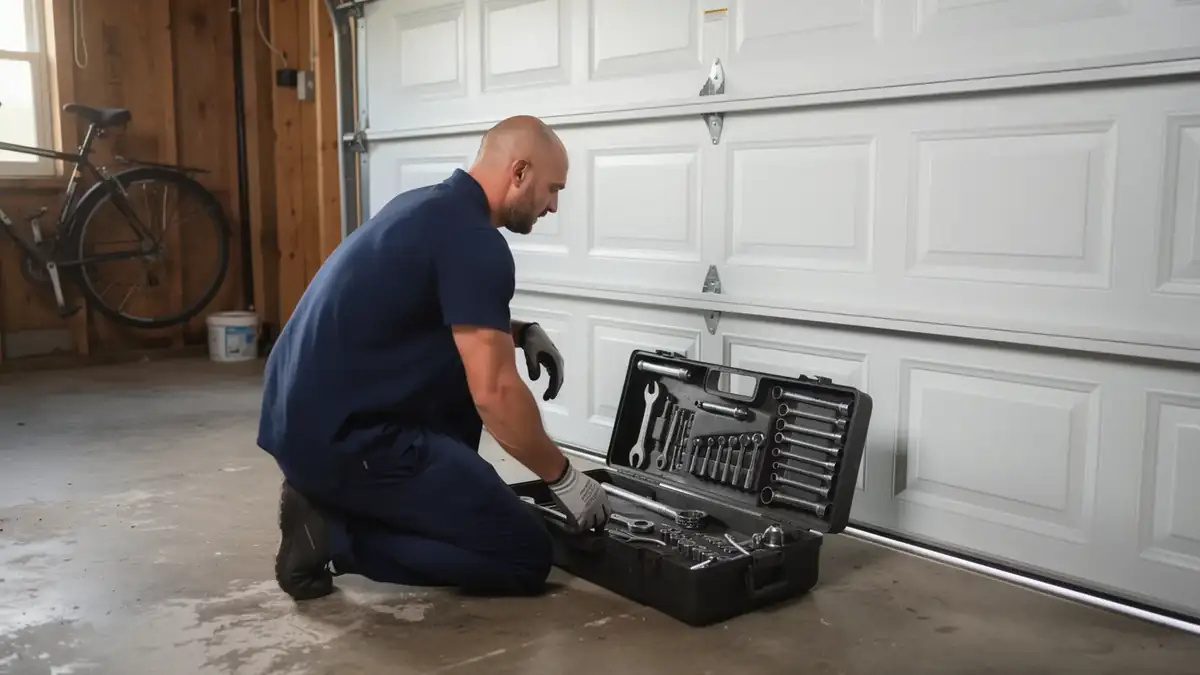
A technician kneels on a concrete floor, looking into an open toolbox in front of a white garage door.

The Cost of This Job

A service call is a diagnostic visit first and a repair second. We come out, run the door through its full cycle, check the springs, cables, rollers, and track alignment, and tell you what's actually wrong before any parts get ordered. What drives the final bill isn't a flat number - it's what we find once the door is open.

In this area, that usually comes down to age. Most houses here were built between 1958 and 2005, with the bulk of that stock going up in the 1980s and 90s. A door installed when a house was built in, say, 1988 is pushing spring cycle limits most manufacturers never expected it to hit. Replacing a torsion spring on a door that old is a different job than adjusting a six-year-old opener's force settings, and the parts and labor reflect that.

We won't quote a number over the phone before we've seen the door - too much of the cost depends on whether we're replacing one part or three. What we will tell you is which parts on a house of your era are the ones that typically go first, so you're not surprised by the diagnosis.

What Local Conditions Do

  1. This area sits in a cold, moderate climate band

    Real winter swings, real humidity changes between seasons. That matters more to a garage door than most homeowners expect, because the hardware is mechanical and it's sitting in an unconditioned space.

  2. Cold snaps stiffen the lubricant on rollers and hinges

    Which makes the opener work harder to pull a door that's suddenly got more resistance than it did in October. Torsion springs lose a little tension as metal contracts in the cold, so a door that was balanced in summer can feel heavier in January. None of this breaks anything by itself, but it accelerates wear on hardware that's already old - and a lot of the hardware in this area is original to homes built in that 1958-2005 window.

  3. We see this most on doors where the spring was never upgraded after the original install

    It's doing the same job it did thirty years ago, through the same seasonal swings, with the same amount of fatigue each cycle adds. Eventually it gives out on a cold morning, usually without warning.

Checking It Yourself

Before you call anyone, there are a few things worth checking on your own. Pull the release handle, disconnect the opener, and lift the door by hand. A properly balanced door should stay roughly where you put it, at about waist height, without you holding it up. If it slams down or shoots up, the spring tension is off - that's not an adjustment to make yourself, but it tells you what the problem is before we arrive.

Look at the springs themselves if you can see them - the coils above the door. Rust, gaps between coils when the door is down, or a visible separation in the coil means the spring is near the end of its life. Listen for grinding or popping during a cycle, which usually points to rollers or the track rather than the spring.

Here's the limitation we're honest about: we don't recommend adjusting torsion spring tension yourself. These springs are under enough force to cause serious injury if the winding bar slips, and it's one of the few jobs in this trade where the risk isn't worth the money saved. Everything else above - balance, visual inspection, listening - is safe to do on your own.

The Problem

The single most common call we get is a torsion spring that's failed on a door installed when the house was built, which in this area usually means somewhere between 1958 and 2005, most often in the 1980s or 90s. These springs are rated for a set number of cycles, and a door that's opened twice a day for three decades through regular cold-weather swings has used up what it was built for.

The second most common issue is a cable that's frayed or jumped its drum, usually on the same older doors, often happening around the same time as the spring because the two parts share the load.

What we don't see as often, frankly, is total opener failure - openers get replaced on their own timeline, separate from the door hardware, and a lot of homes in this area have a newer opener bolted to original-era springs and track. That mismatch is worth knowing about before you assume a problem with the door is a problem with the opener, or the other way around.
How it works

From “it’s stuck” to “it’s fixed”

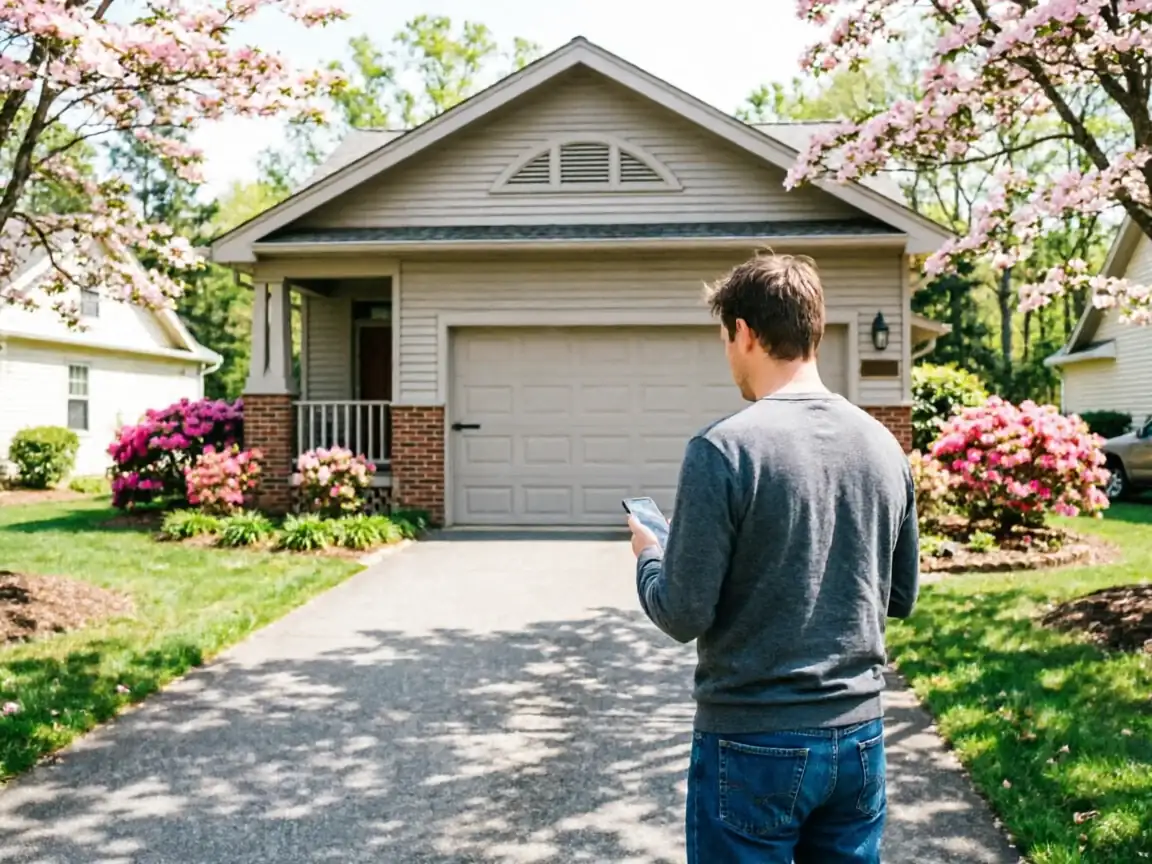
A man stands in a driveway looking at his phone, facing a house with a garage.
1

Tell us what’s wrong

Describe the symptom - won’t open, loud bang, opener runs but the door won’t move.

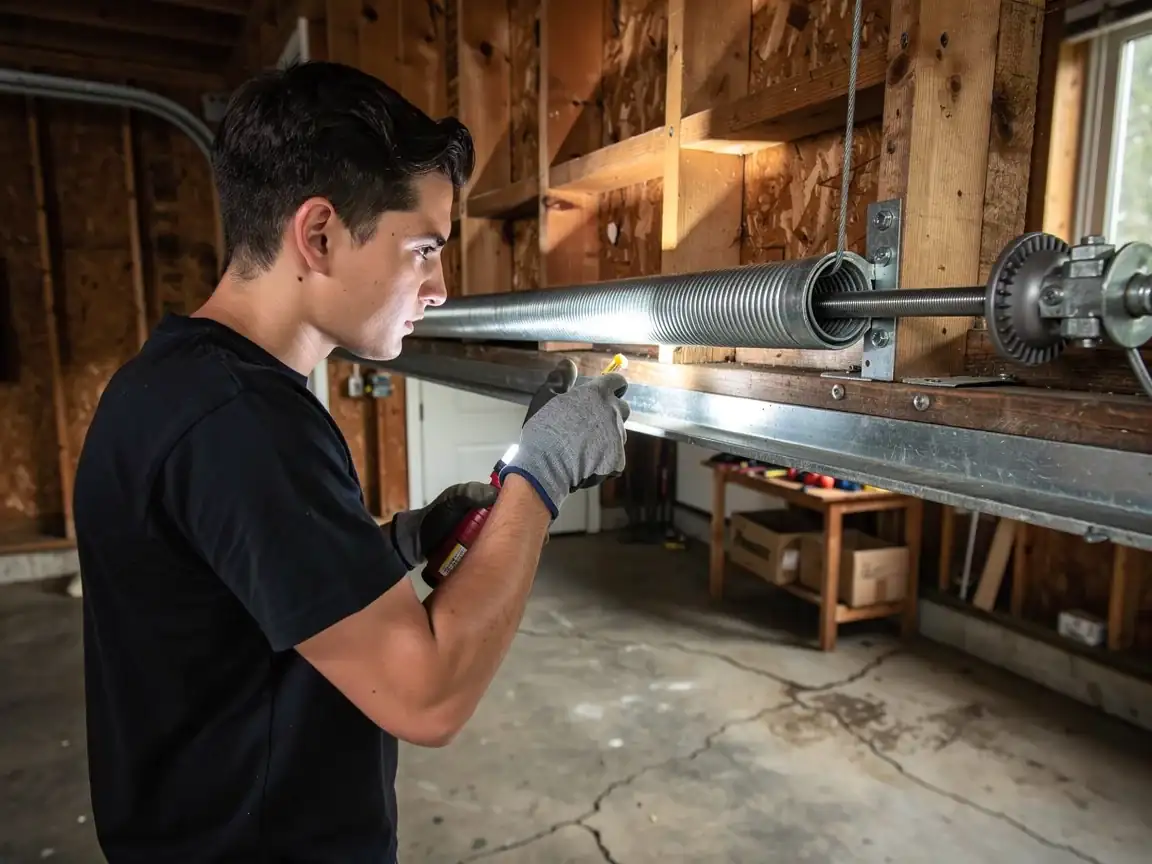
A technician shines a flashlight on a garage door torsion spring.
2

On-site diagnosis

A technician tests the door under power and by hand and finds what actually failed.

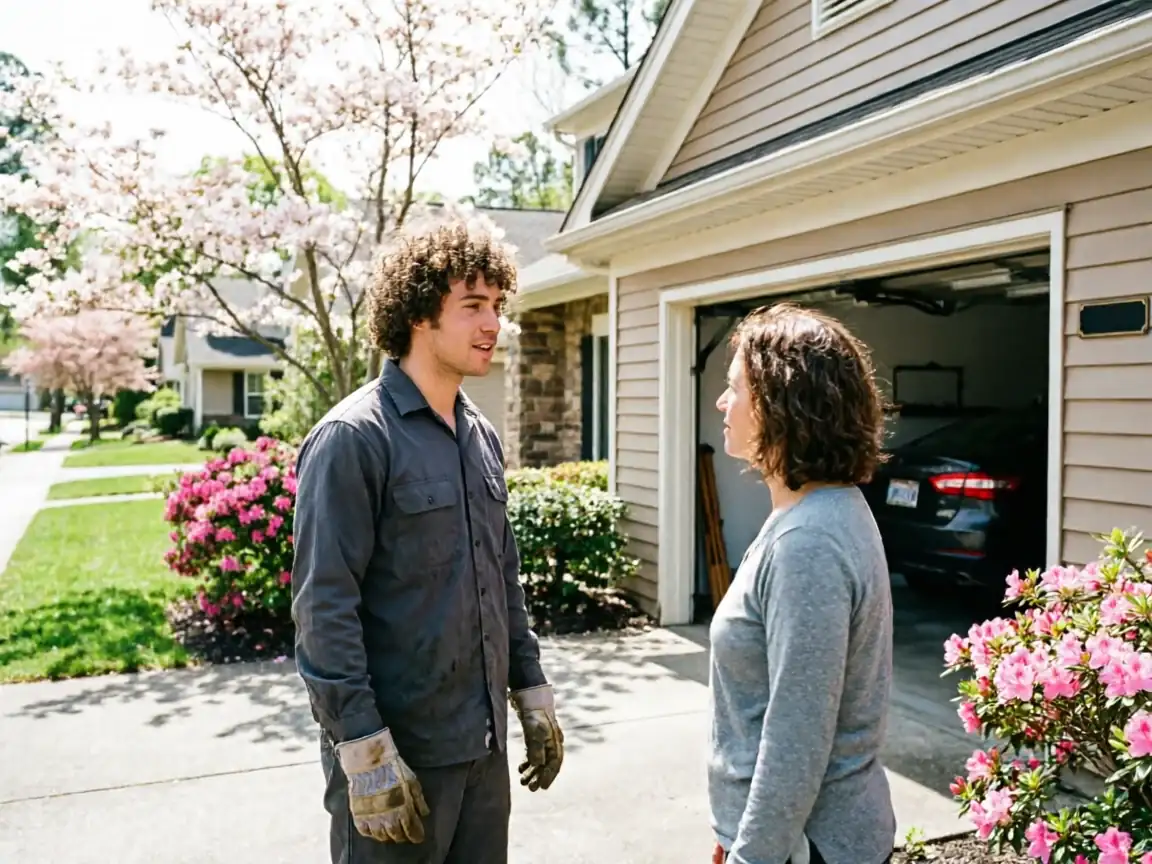
A technician wearing work gloves talks to a woman in front of an open garage.
3

Clear, up-front plan

You get the fix that’s needed and what drives the cost - before any work starts.

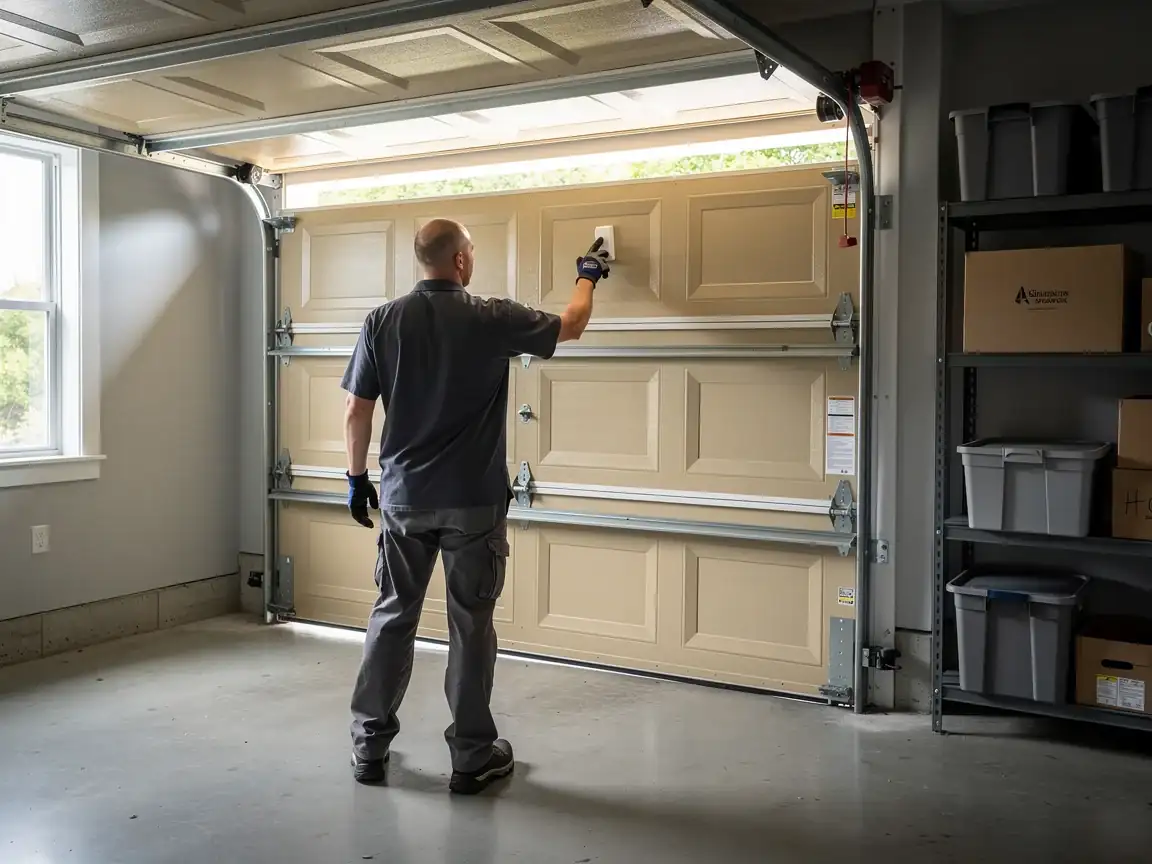
A technician in a gray uniform is pressing a button on a beige garage door.
4

Repaired & tested

The repair is done, the door is set true and tested, and the work area left clean.

Not sure which repair your door needs in Hendersonville, TN? Describe what it’s doing - every job starts with a diagnosis.

How we work

What to expect

Diagnosis first

Every visit starts by finding what actually failed - not a pre-written parts list.

The right part for the door

Springs and openers matched to the door’s weight and age, so the fix holds up.

Straight answers

When a repair makes more sense than a replacement - or the reverse - you hear it plainly.

Clean, careful work

Tension released safely, hardware set true, the door tested under power before we leave.

What we do

Garage Door Services

Repair and installation work for Hendersonville homes and businesses.

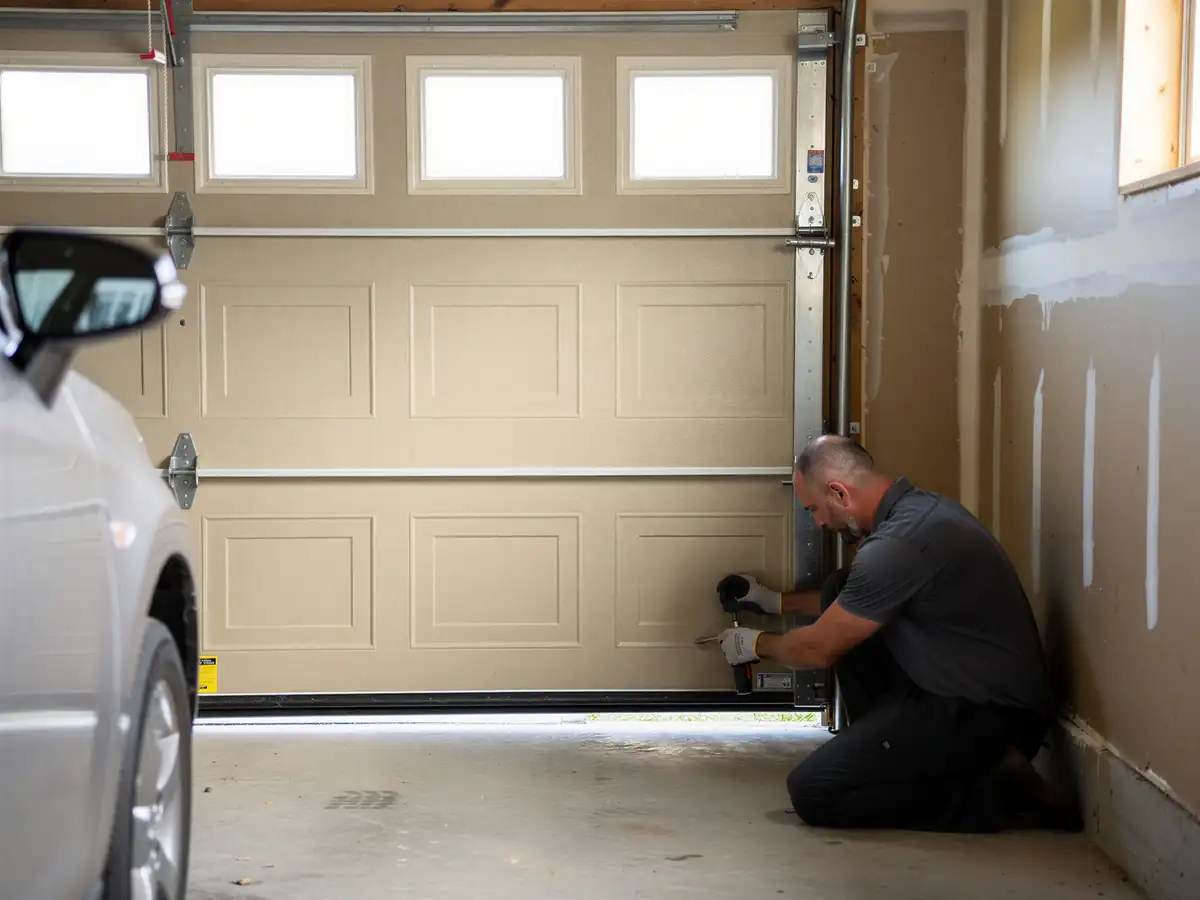
A technician kneels to work on the bottom panel of a beige garage door.

Garage Door Repair

Garage door repair for Hendersonville homes built mostly in the 1980s and 90s, where original hardware and cold snaps wear out springs and openers early.

Learn more
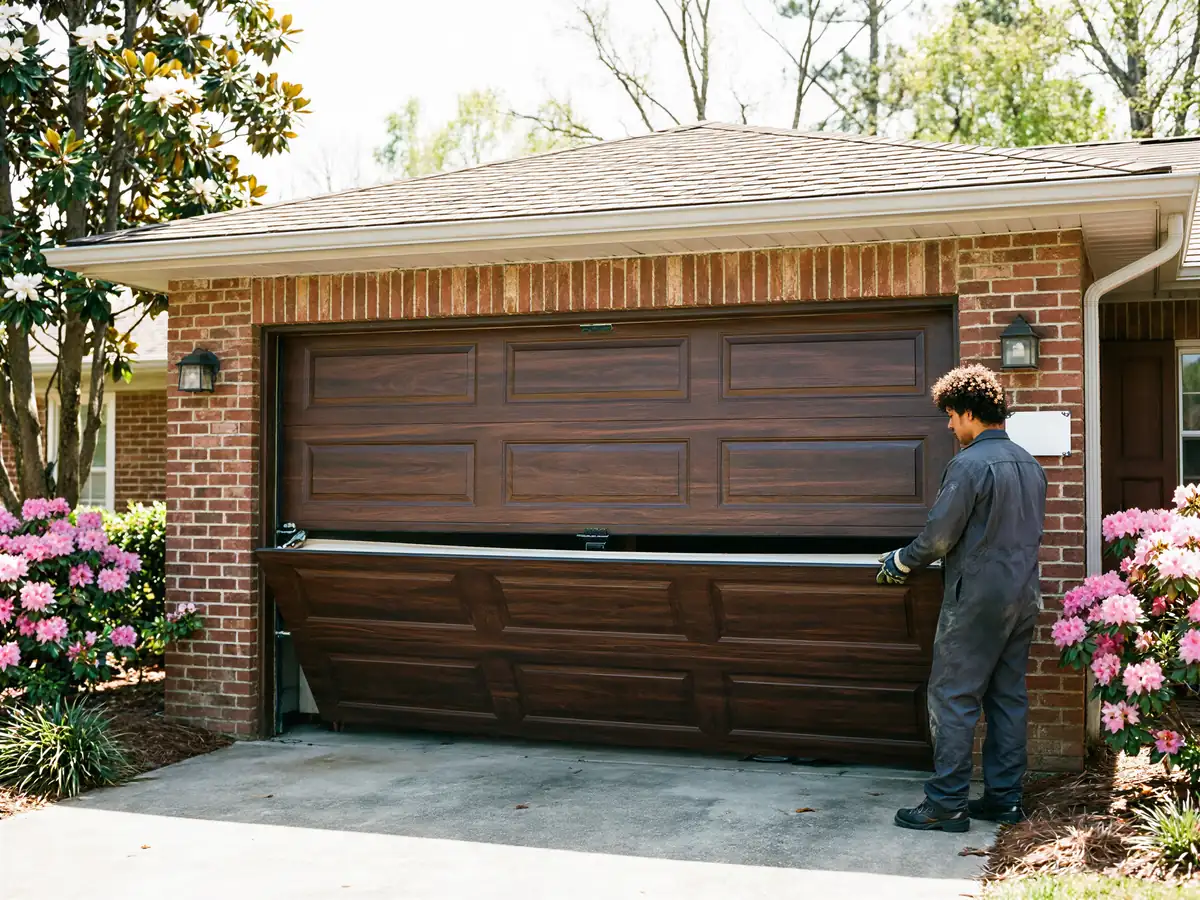
A technician in a gray jumpsuit works on a brown garage door on a brick house.

Garage Door Installation

New garage door installation for Hendersonville, TN houses built 1958-2005, matched to the cold-moderate climate and the original openings of the area's 1980s-90s stock.

Learn more
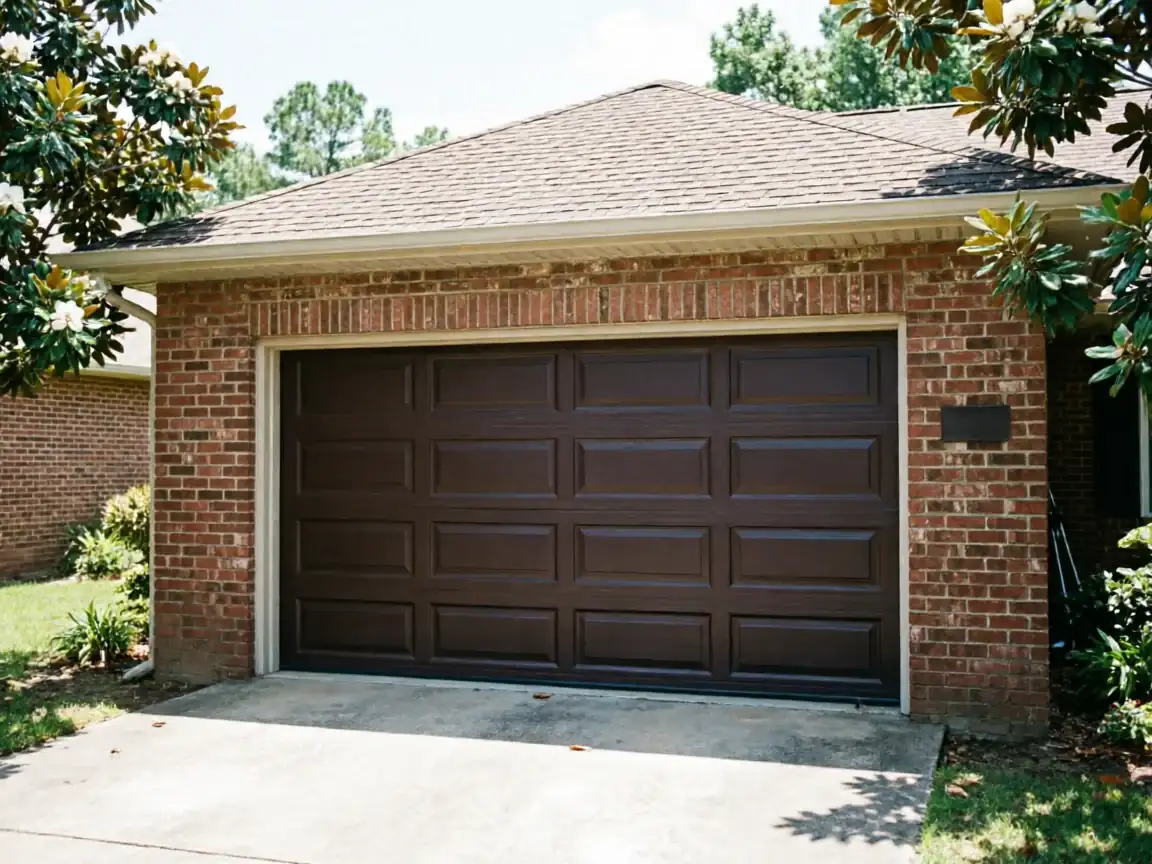
The house has a brown garage door, brick walls, and a brown roof.

Garage Door Service

Garage door service for Hendersonville homes built 1958-2005, where cold-season swings and aging torsion hardware cause most of the calls we get.

Learn more
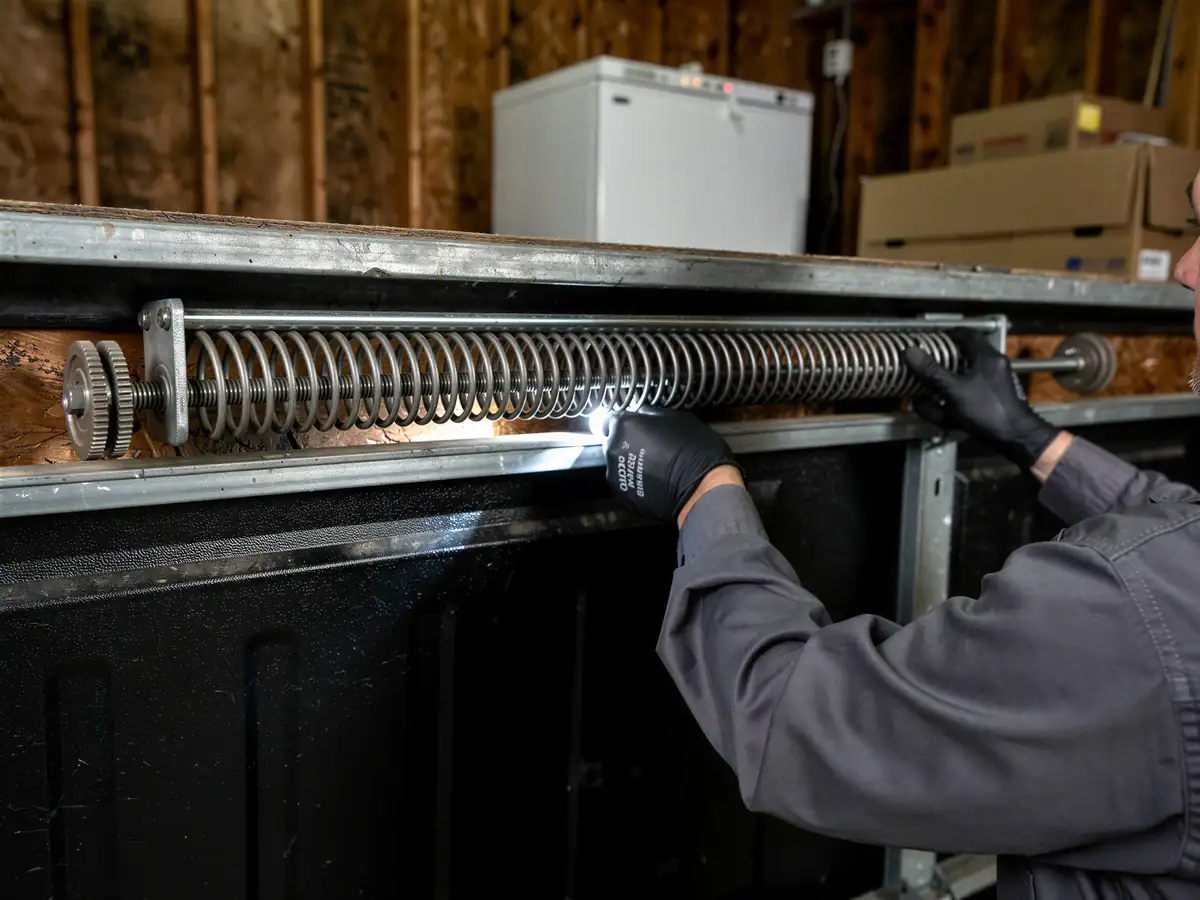
A technician in black gloves works on a garage door torsion spring.

Spring Repair

Broken torsion springs show up often in Hendersonville's 1958-2005 housing stock. Here's why cold winters strain springs and what a proper repair takes.

Learn more
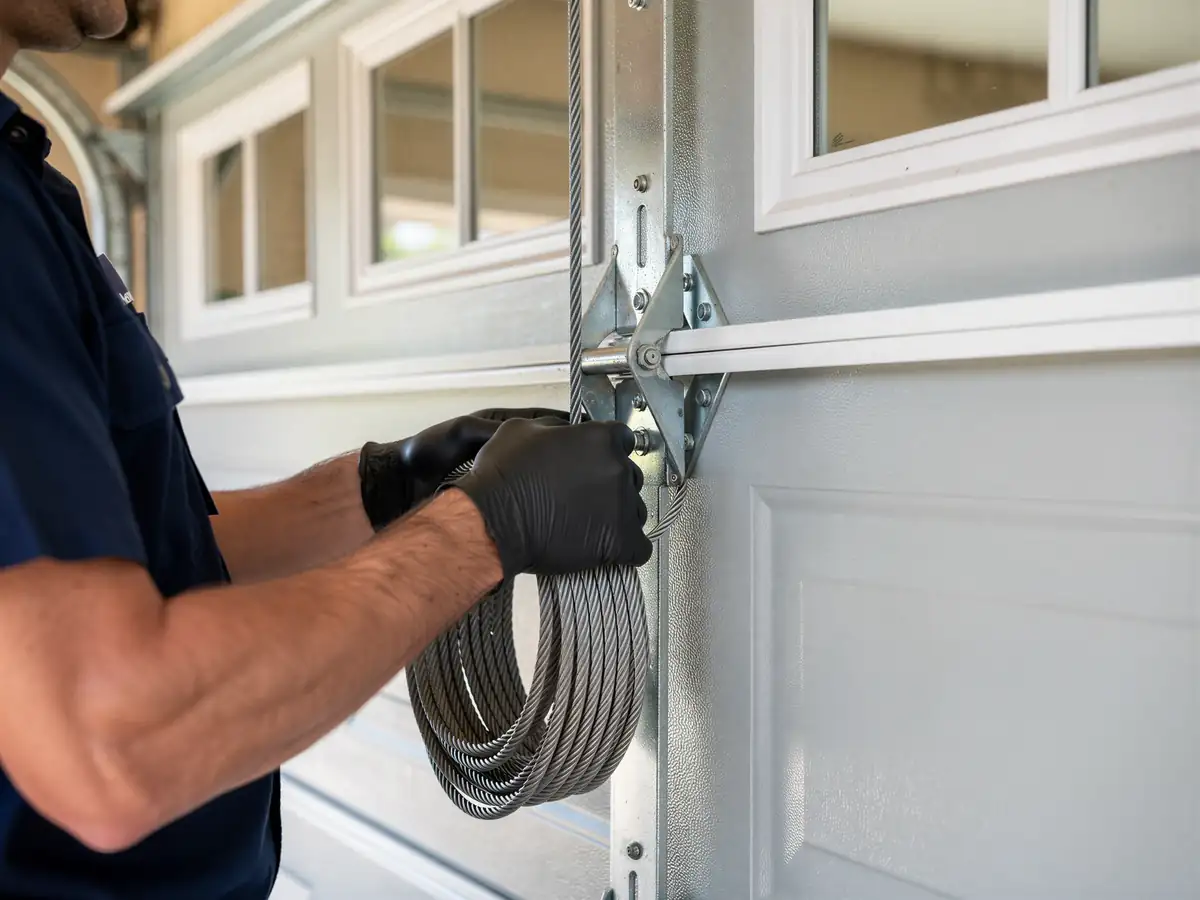
A technician wearing black gloves holds a coiled garage door cable.

Cable Repair

Broken or frayed garage door cables in Hendersonville homes fail fast once winter hits. See why older torsion setups wear out here and what repair involves.

Learn more
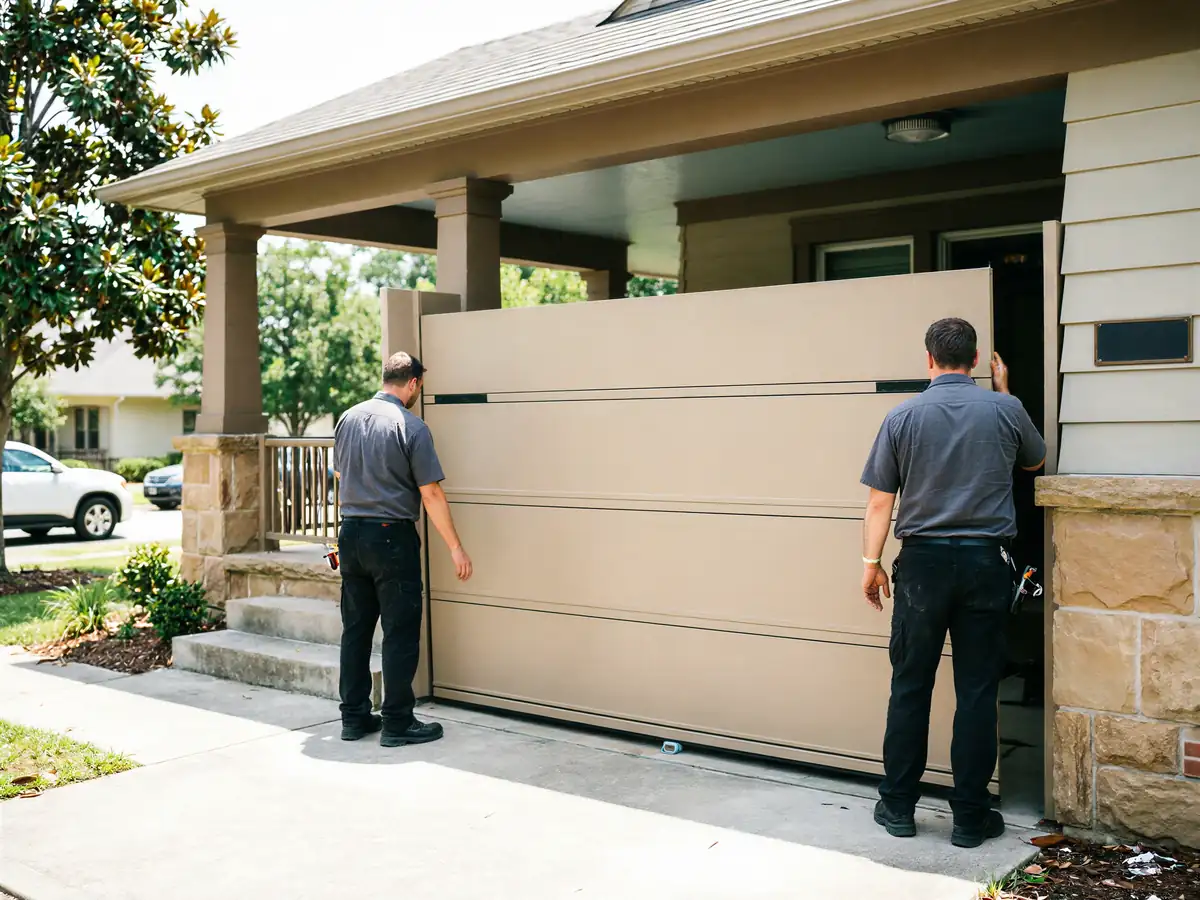
Two technicians install a tan garage door on a house.

Panel Replacement

Dented, cracked, or rusted garage door panels are common on the 1980s-90s steel doors that fill Hendersonville-area neighborhoods. Here's why, and what fixing it actually takes.

Learn more
A technician wearing gloves holds a new roller next to a garage door track.

Roller Replacement

Rollers failing on original 1980s-90s steel track systems across Hendersonville-area homes. Here's why it happens, what DIY can and can't fix, and what the job involves.

Learn more
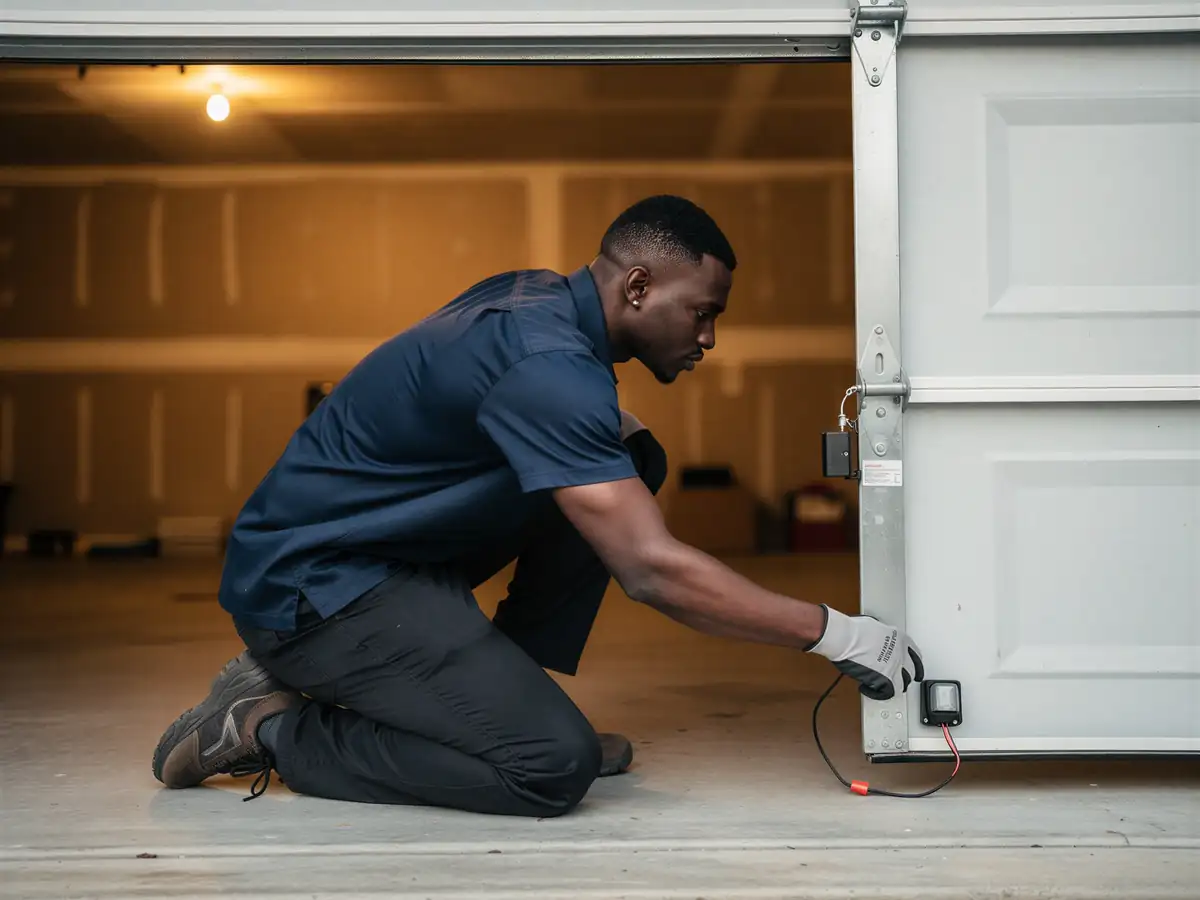
A technician kneels, adjusting a safety sensor on a white garage door.

Maintenance

Garage door maintenance for Hendersonville homes built mostly in the 1980s and 90s, tuned for cold-moderate winters and the wear patterns common across 13 nearby areas.

Learn more
Questions

Frequently asked

Straight answers about garage door repair in Hendersonville. Still unsure? Ask us directly.

How do I know if it's the spring or the opener?

Disconnect the opener using the release handle and lift the door by hand. If it's heavy, uneven, or won't stay in place, the spring is losing tension - that's a hardware problem, not an opener problem. If the door lifts fine by hand but won't respond to the remote or wall switch, the issue is more likely the opener itself.

Why did my spring break in the winter?

Cold weather makes metal contract slightly and stiffens lubricant on moving parts, which adds resistance right when a spring that's already near the end of its rated cycle life is under the most strain. Springs on original hardware from houses built decades ago often fail on the first hard cold snap of the season rather than gradually.

Can I just replace one spring on a two-spring door?

You can, but we don't recommend it. Both springs go in at the same time and wear at close to the same rate. Replacing only the broken one leaves a mismatched pair - one old, one new - and the older spring usually fails again within a short stretch, meaning a second service call.

Ready to get your garage door sorted?

Tell us what it’s doing and where you are in Hendersonville - we’ll take it from there.

Request a QuoteCall