What We Will Not Take On
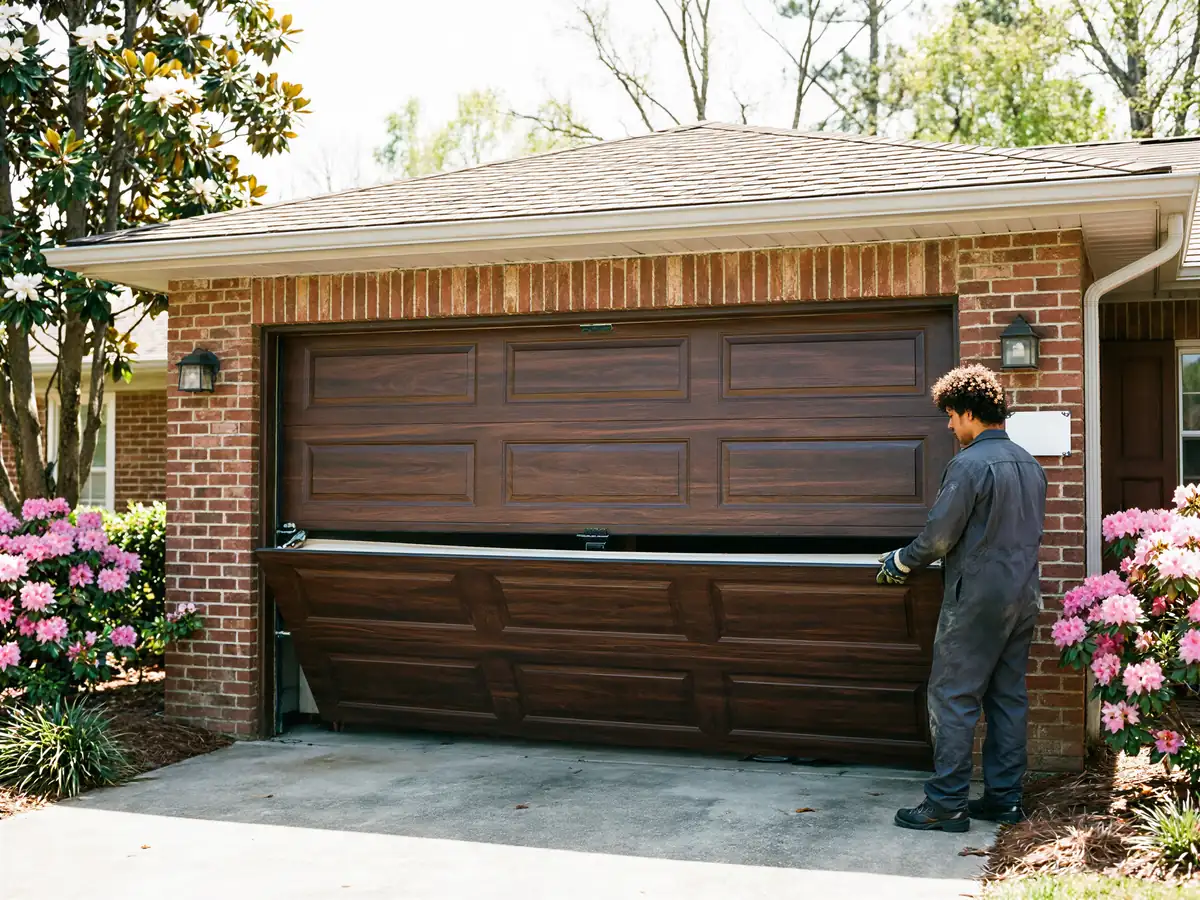
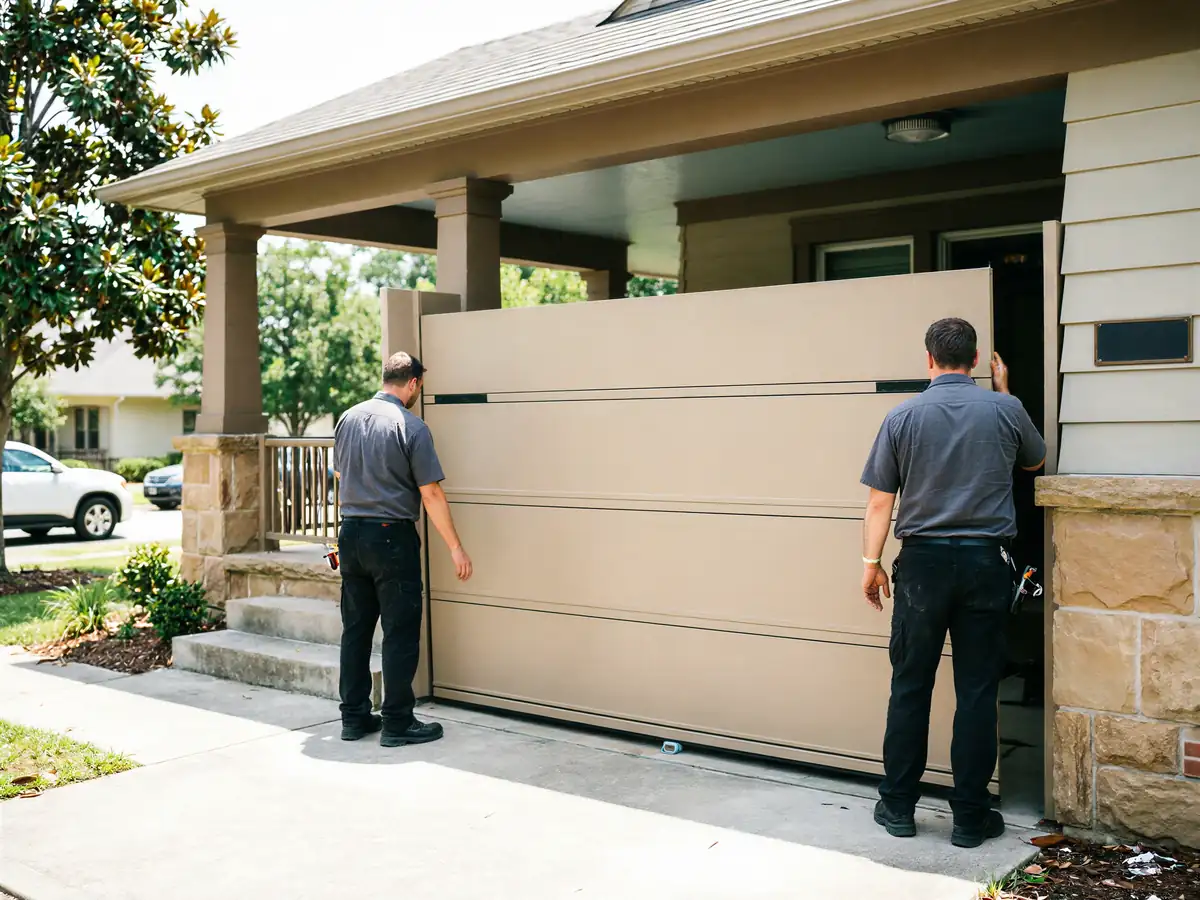
Greenbrier sits about 13 miles out from our Hendersonville base, which matters more than it sounds like. We don't keep a crew stationed out here, so we're not the right call for a same-day lockout where the only problem is a door stuck half-open and nothing broken - that's a job for whoever's closest. We also won't quote a job sight-unseen over the phone when the panel damage or spring count is ambiguous; a trip out costs us the same 13 miles whether the job is a $90 fix or an $800 one, and guessing wrong on either end wastes everyone's time. If you need a door replaced today because a car went through it, we can usually get there, but we're honest that scheduling runs a day or two behind closer-in requests. We don't do commercial overhead doors or anything on a track system built for a warehouse. And we won't sell you a new opener when the real fault is a $40 sensor misaligned by a lawnmower - we'll tell you that on the phone before we load the truck.
What Was Built Here
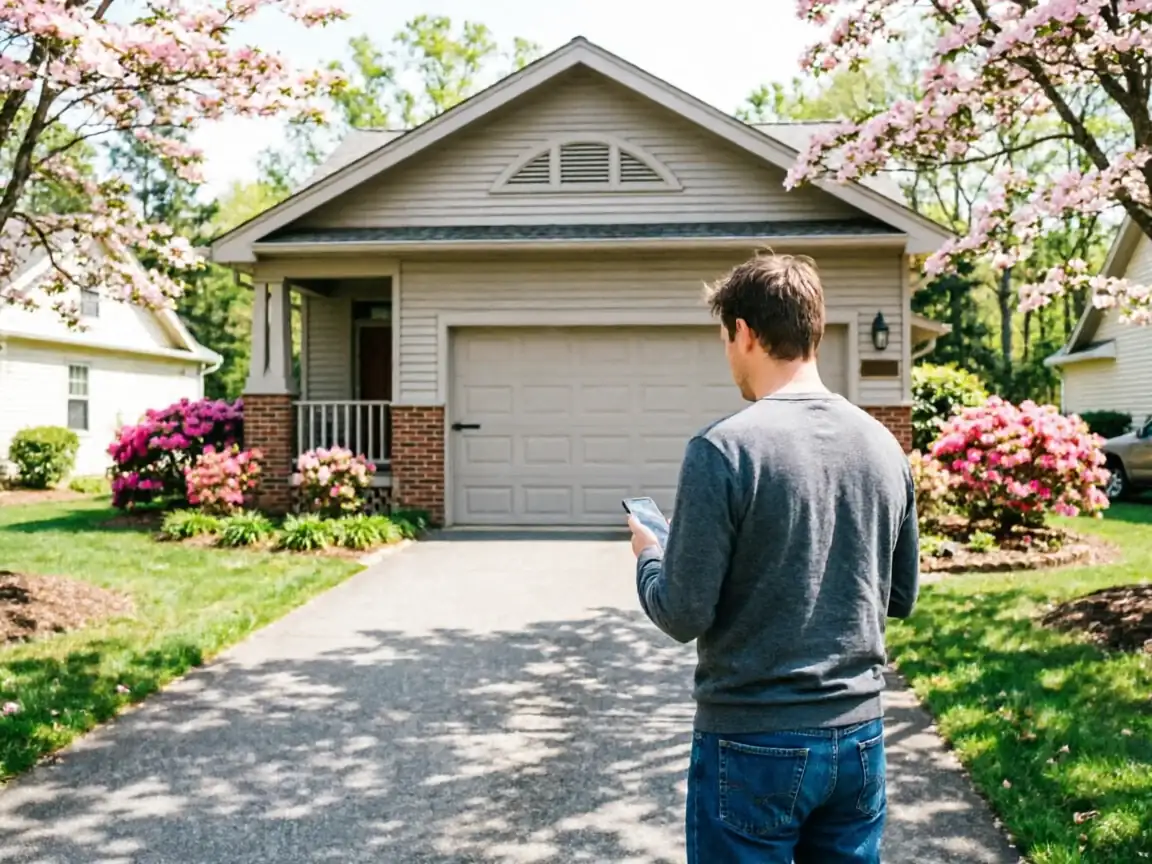
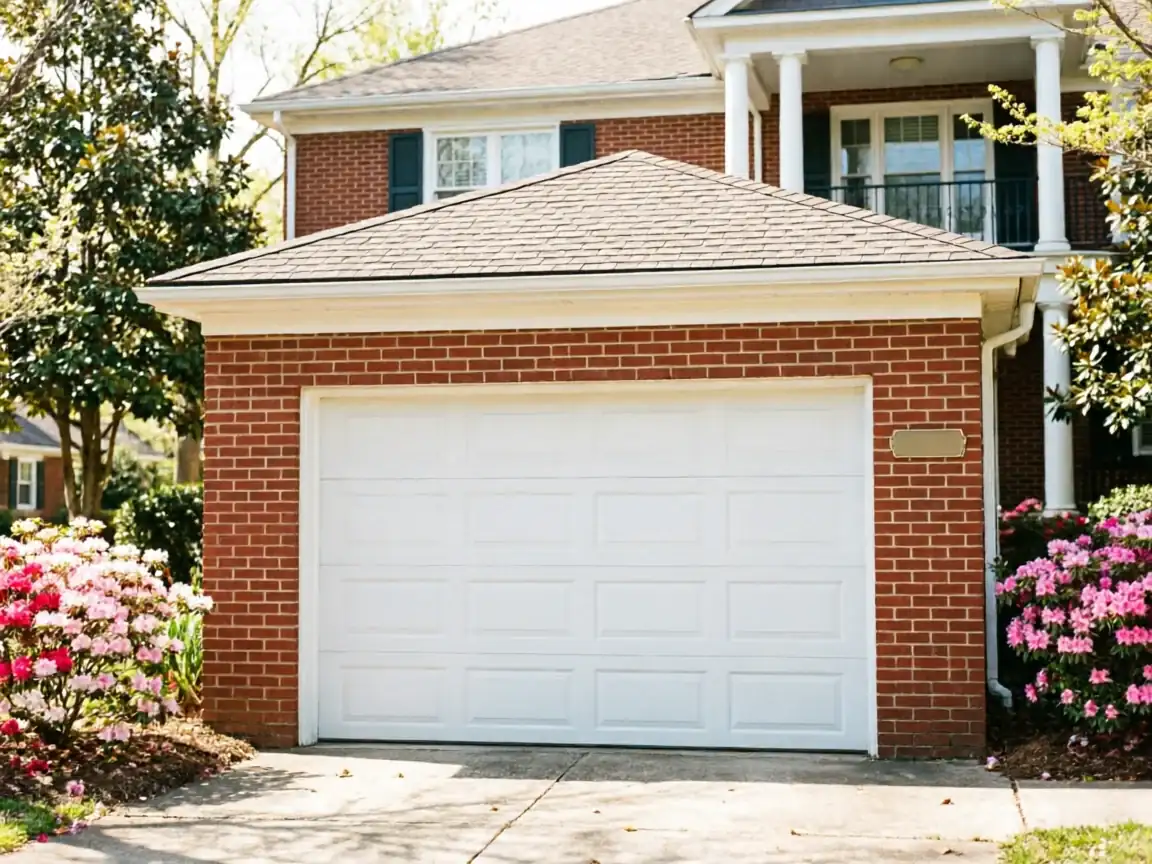
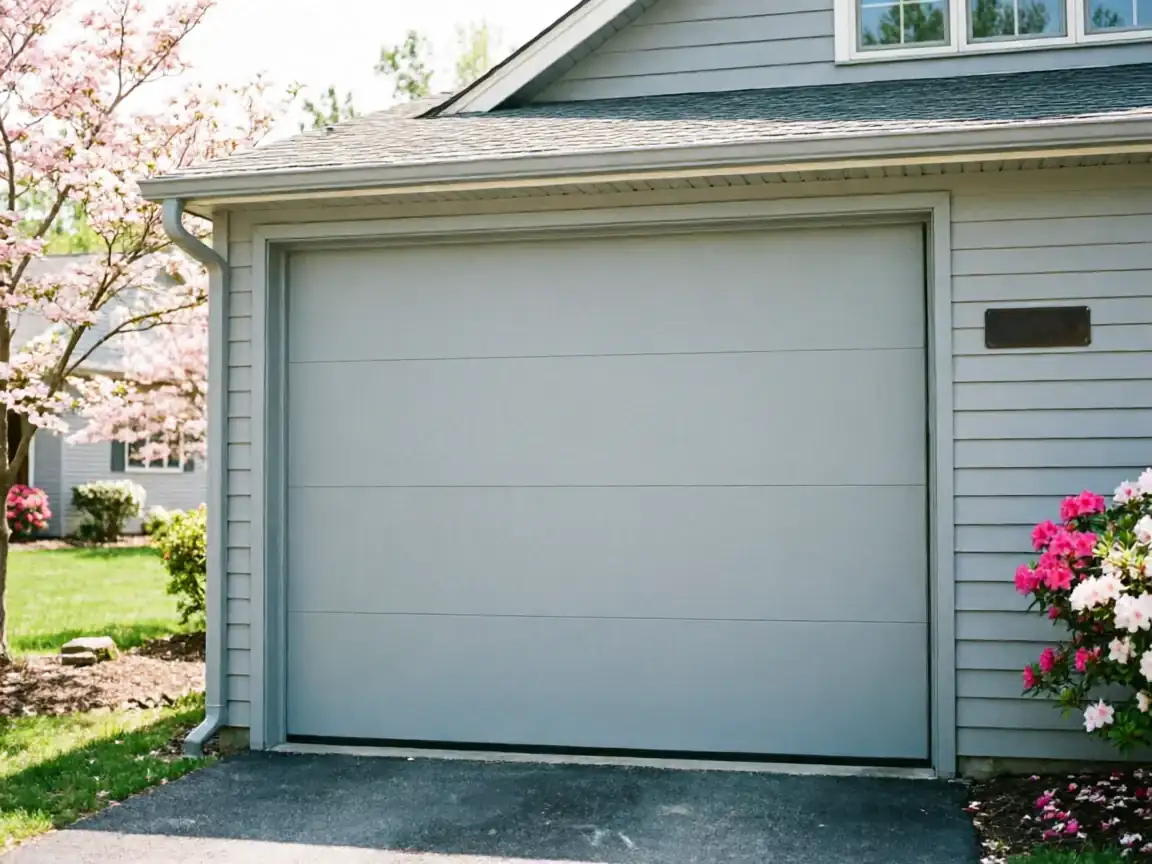
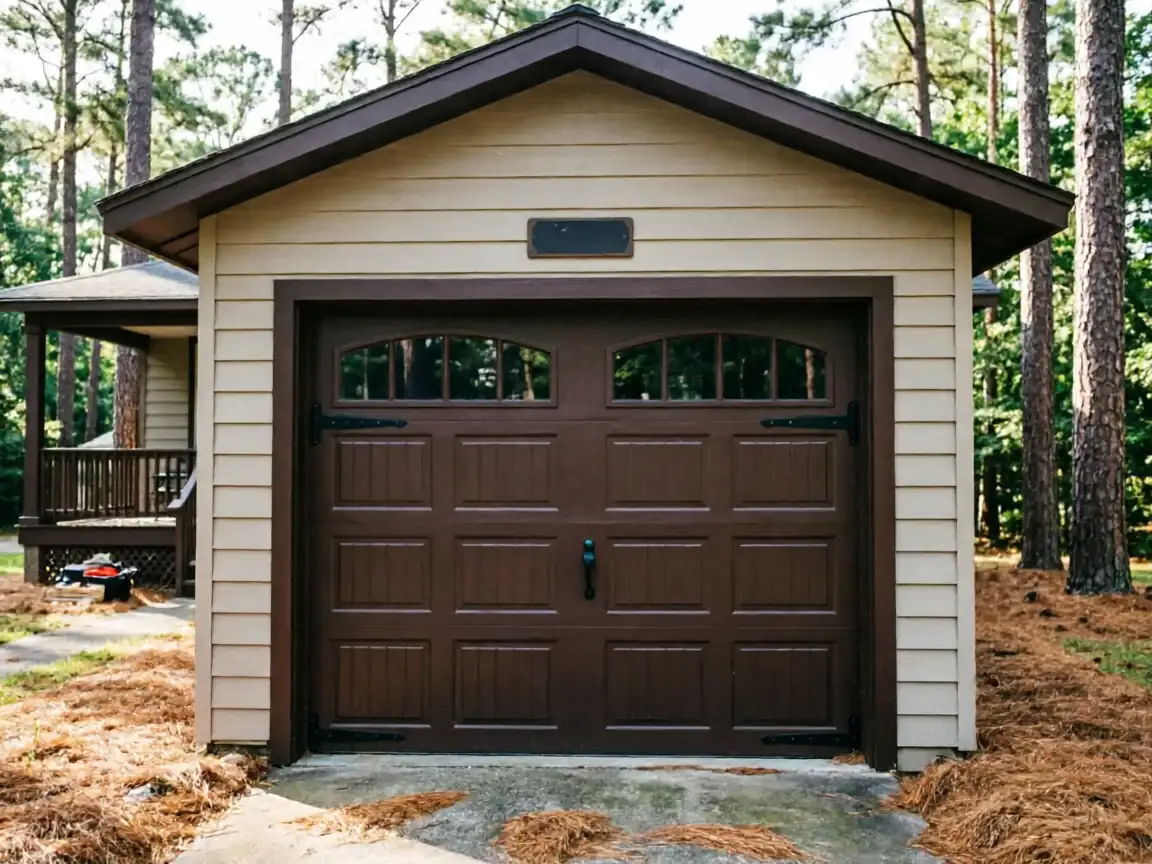
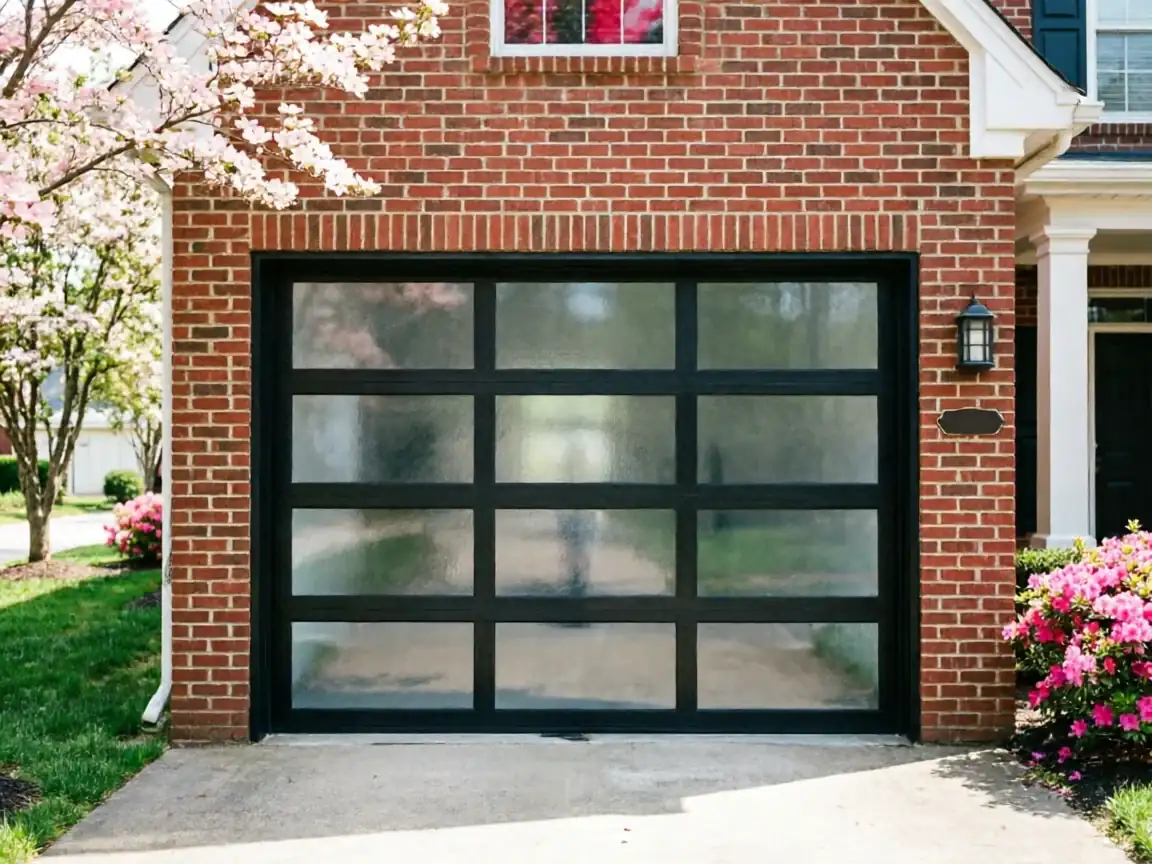
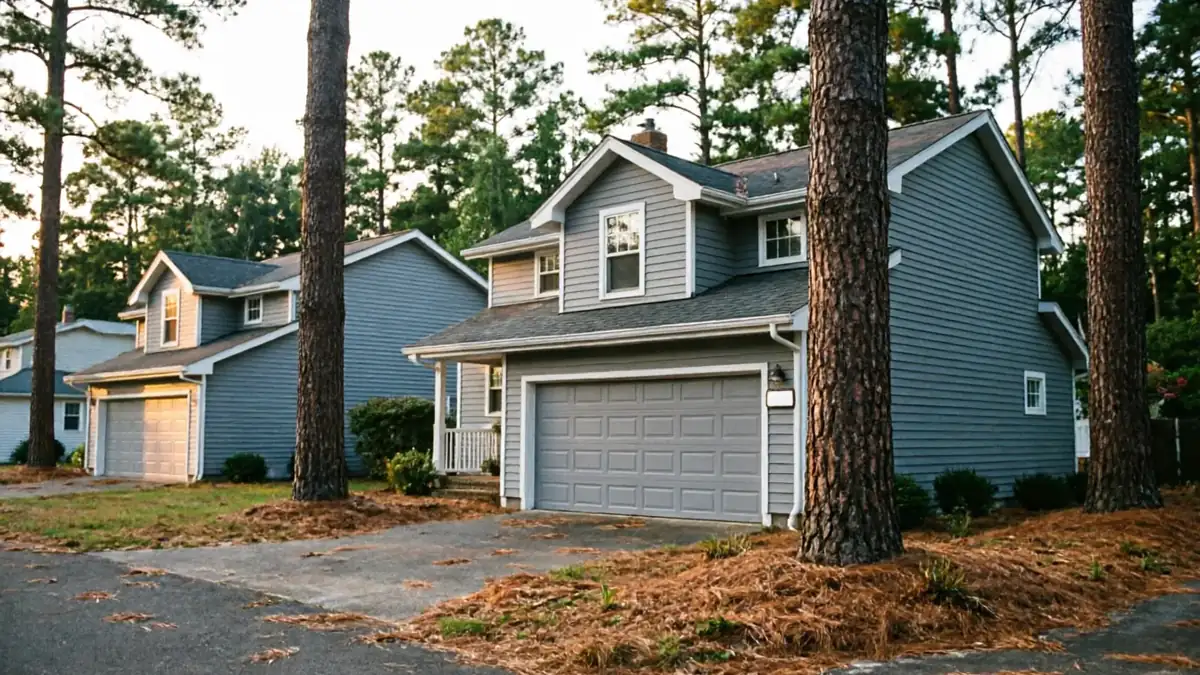
With roughly 2,369 households in the area and a median build year of 1997, Greenbrier skews newer than much of the wider Hendersonville service territory, where stock runs closer to 1990 on the median. That ten-year difference shows up in the garage: less original hardware still hanging on, fewer doors that have never had a spring replaced, and openers that are on their second unit rather than their first. The region sits in a cold-moderate climate band, which means winter cold snaps are the main stress on hardware - springs lose tension faster in sustained cold, and nylon rollers crack sooner than the rubber-clad ones. It's not hurricane country and it's not desert heat; it's freeze-thaw cycling on steel and lubricant that gets stiff in January. Houses built in the late 90s mostly have torsion springs rated for that climate load already, so when we do see early failure it's usually a spring that was undersized for the door weight from the start, not a climate surprise.
The Usual Work Here
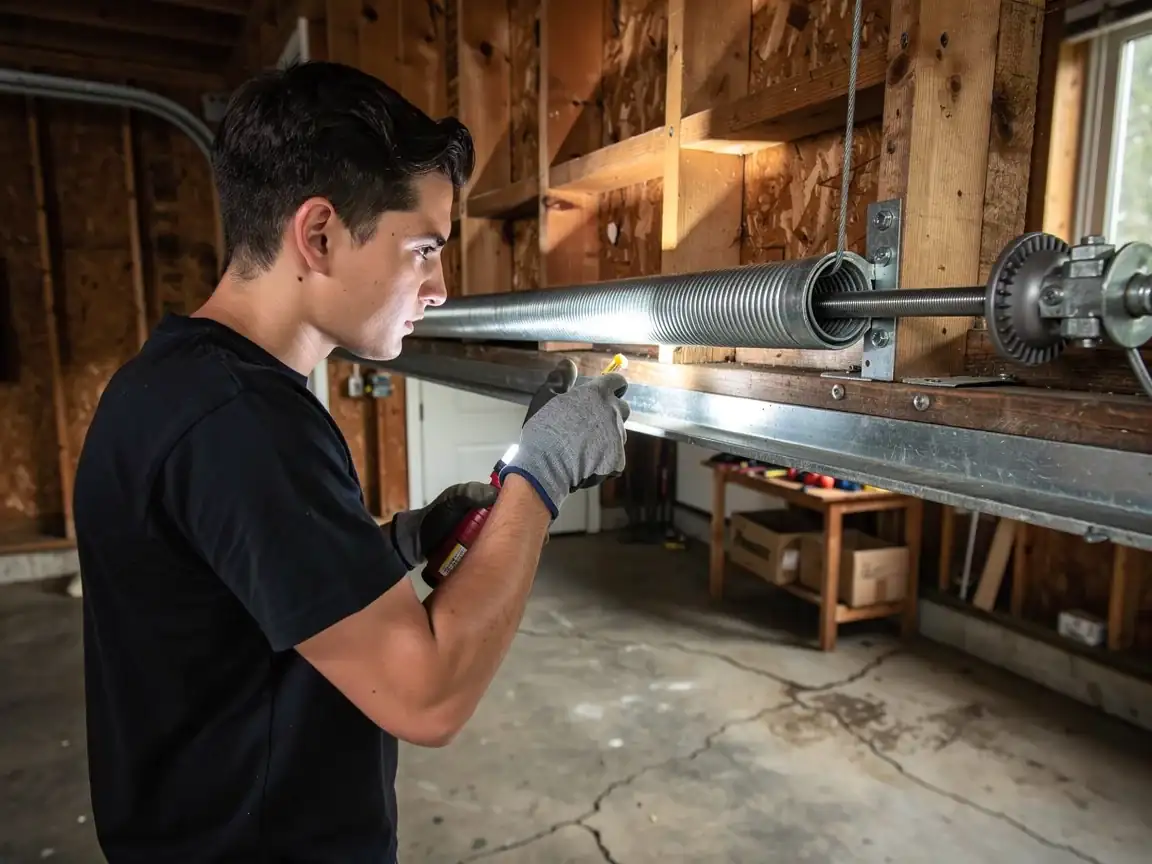
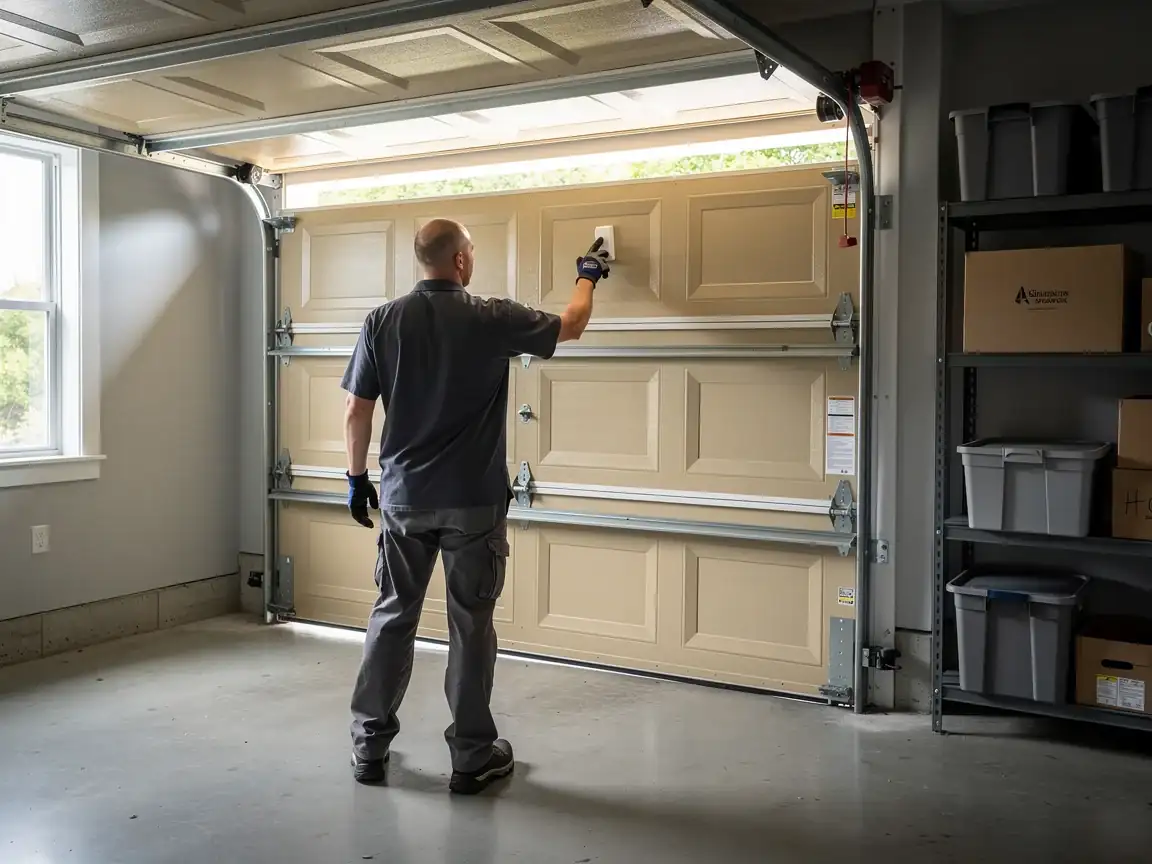
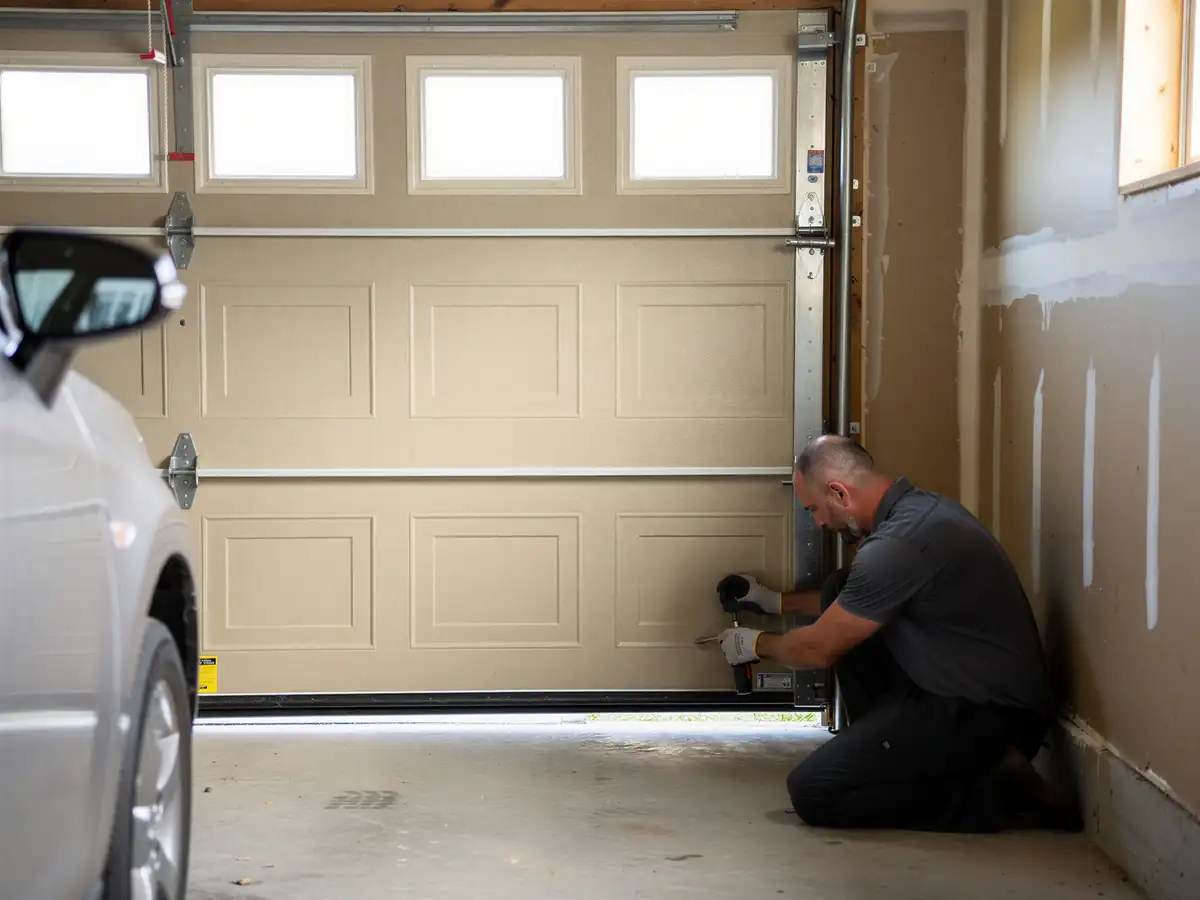
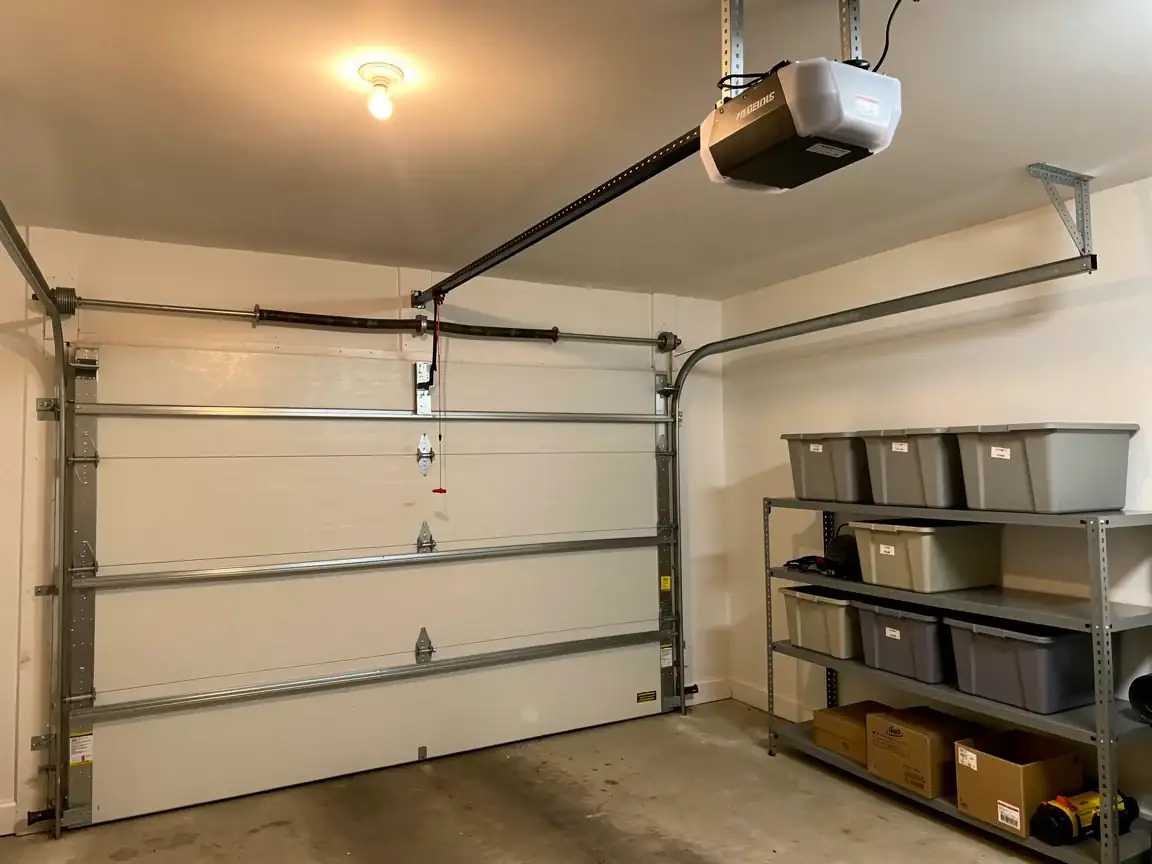
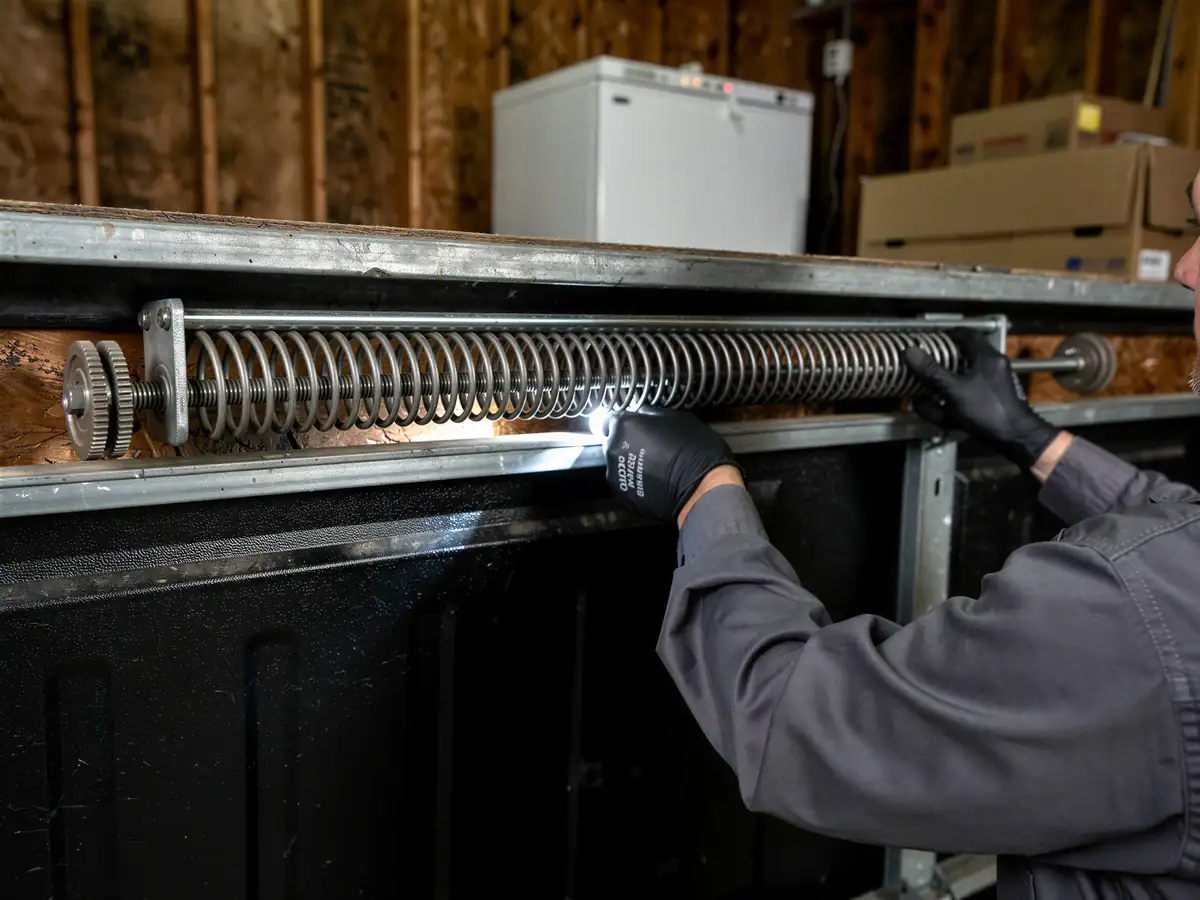
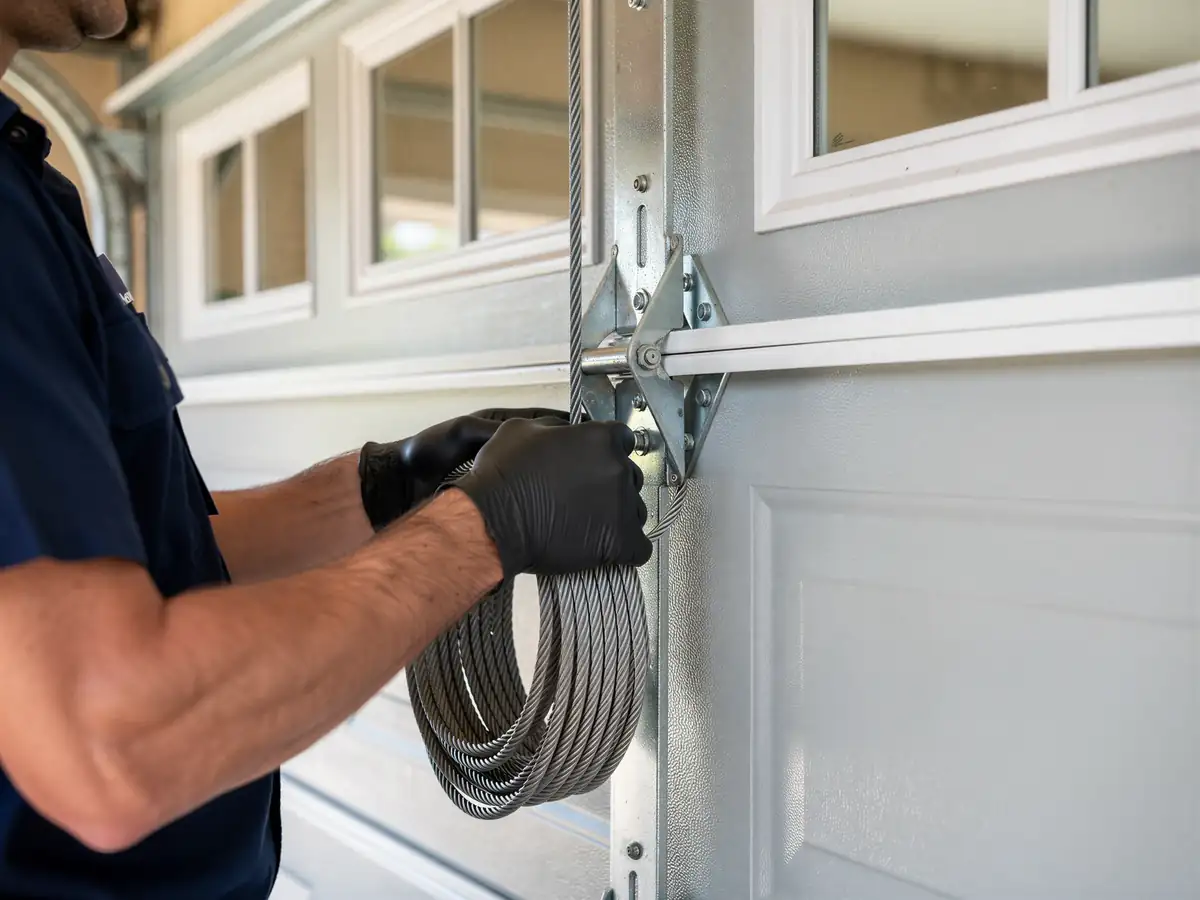
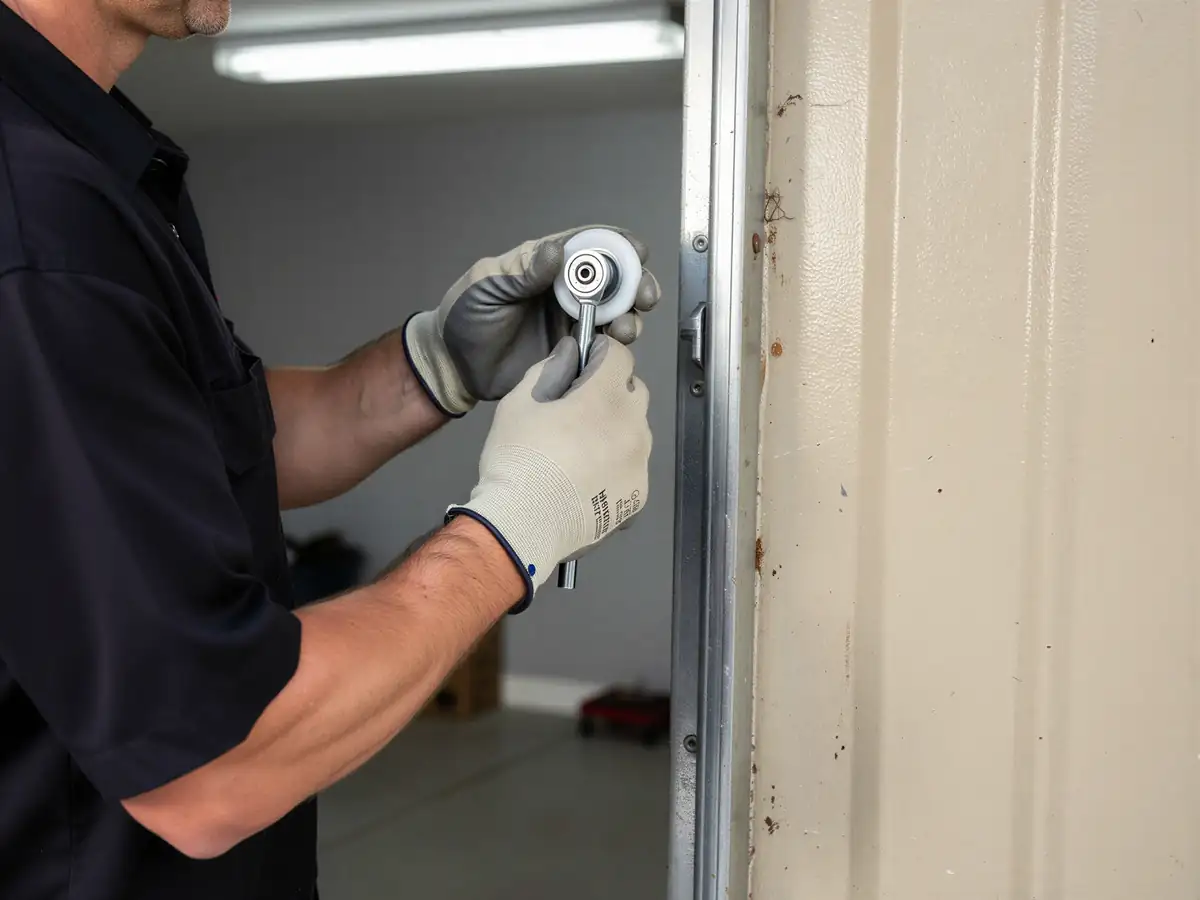
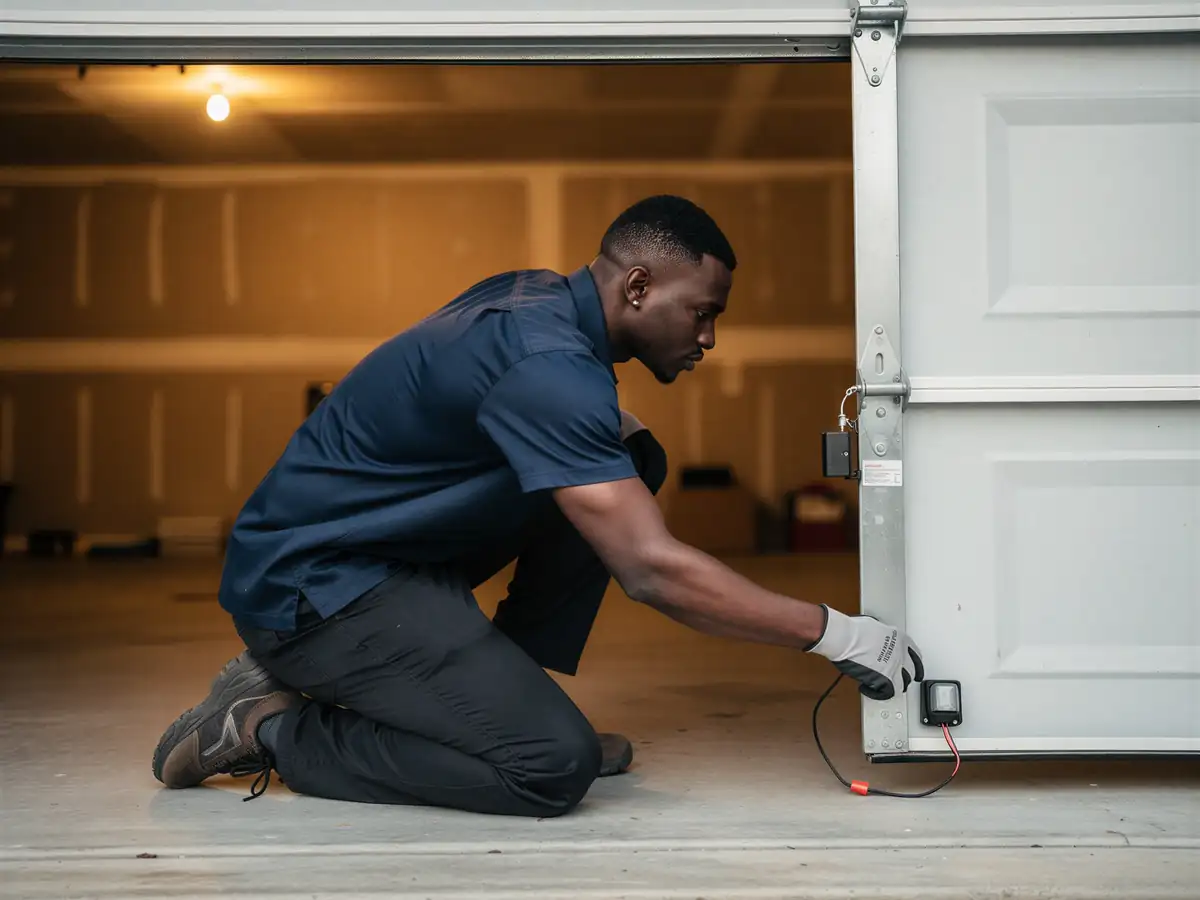
Most calls we get from Greenbrier are torsion spring replacement on doors in that 1990s-2000s window - the springs are reaching the end of their cycle count right about now, 25-plus years in. Second most common is opener logic board or sensor failure on chain-drive units from the same era; the motors often still run fine, but the circuit board or safety sensors give out first. We also see a fair number of roller and cable jobs where nylon rollers from original installation have gone brittle in cold weather and started binding the track. What we don't see much of here, compared to older neighborhoods, is structural panel rot or warped wood doors - the housing stock is young enough that steel and vinyl-clad doors dominate. When a repair call turns into a replacement conversation, it's usually because the opener and the door hardware are failing around the same time, and patching one while the other goes shortly after doesn't make financial sense.