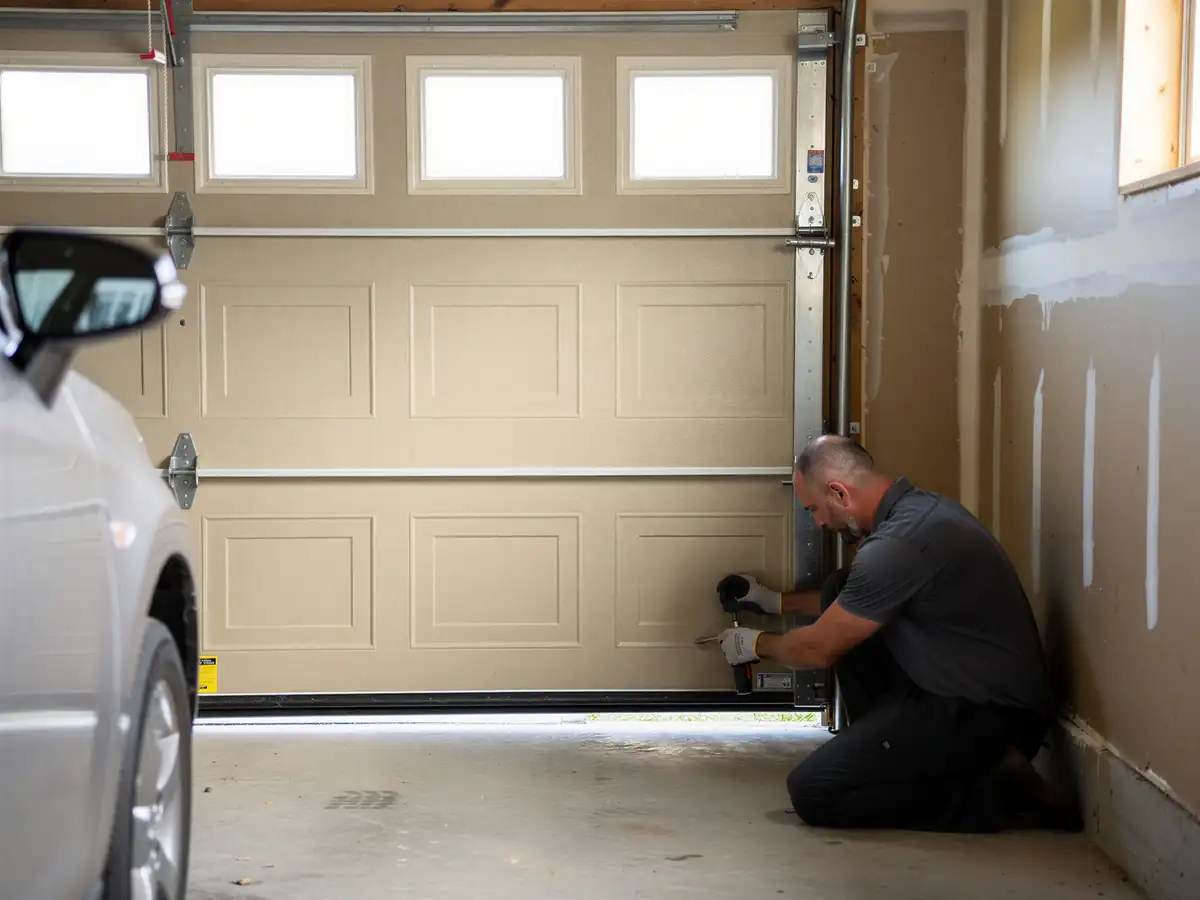
How It Shows Up
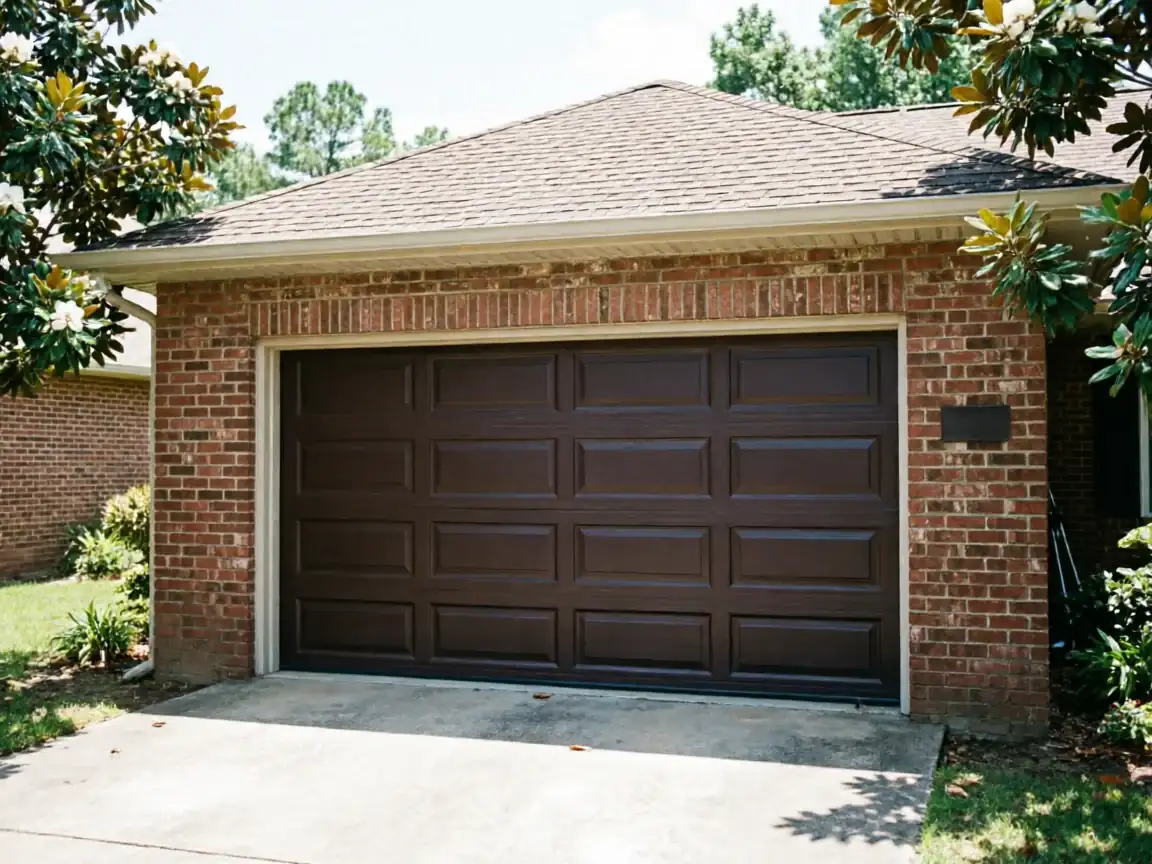
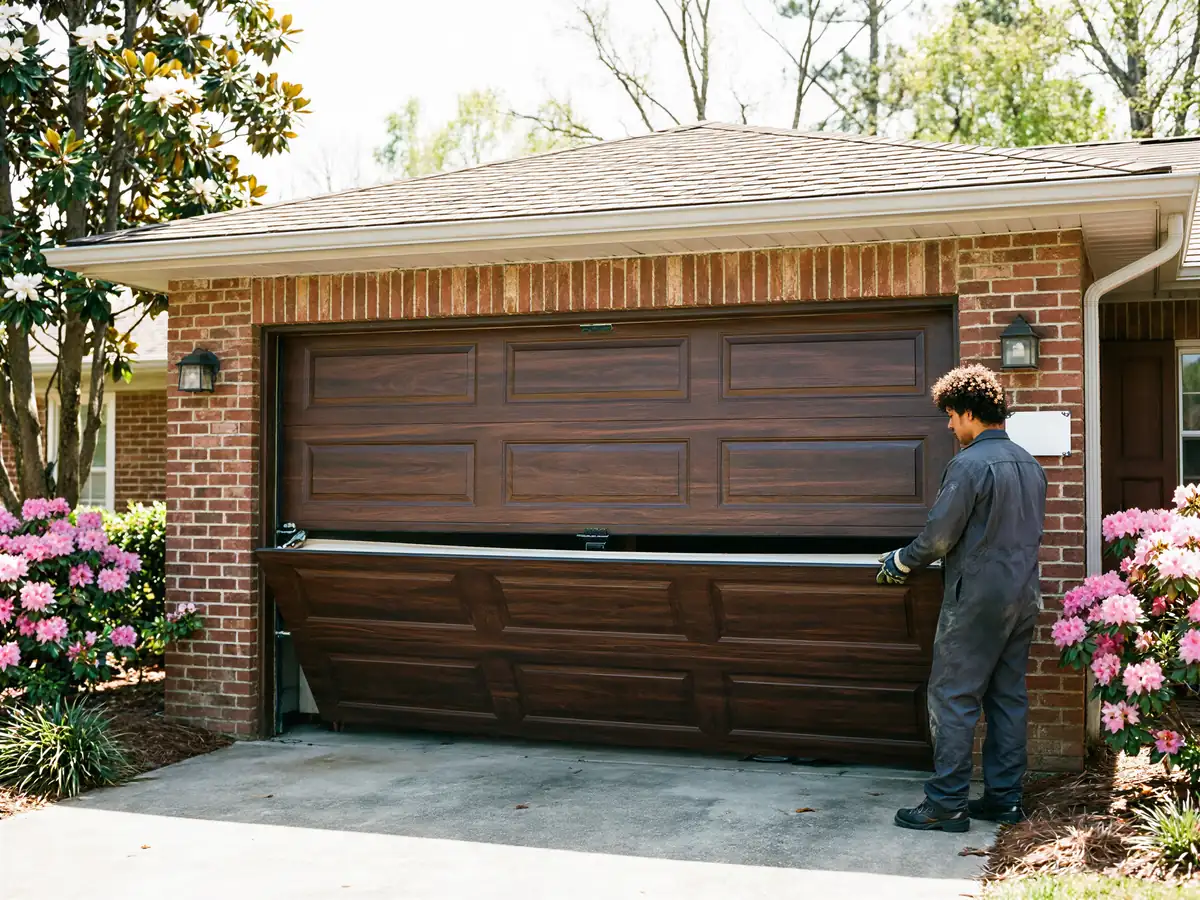
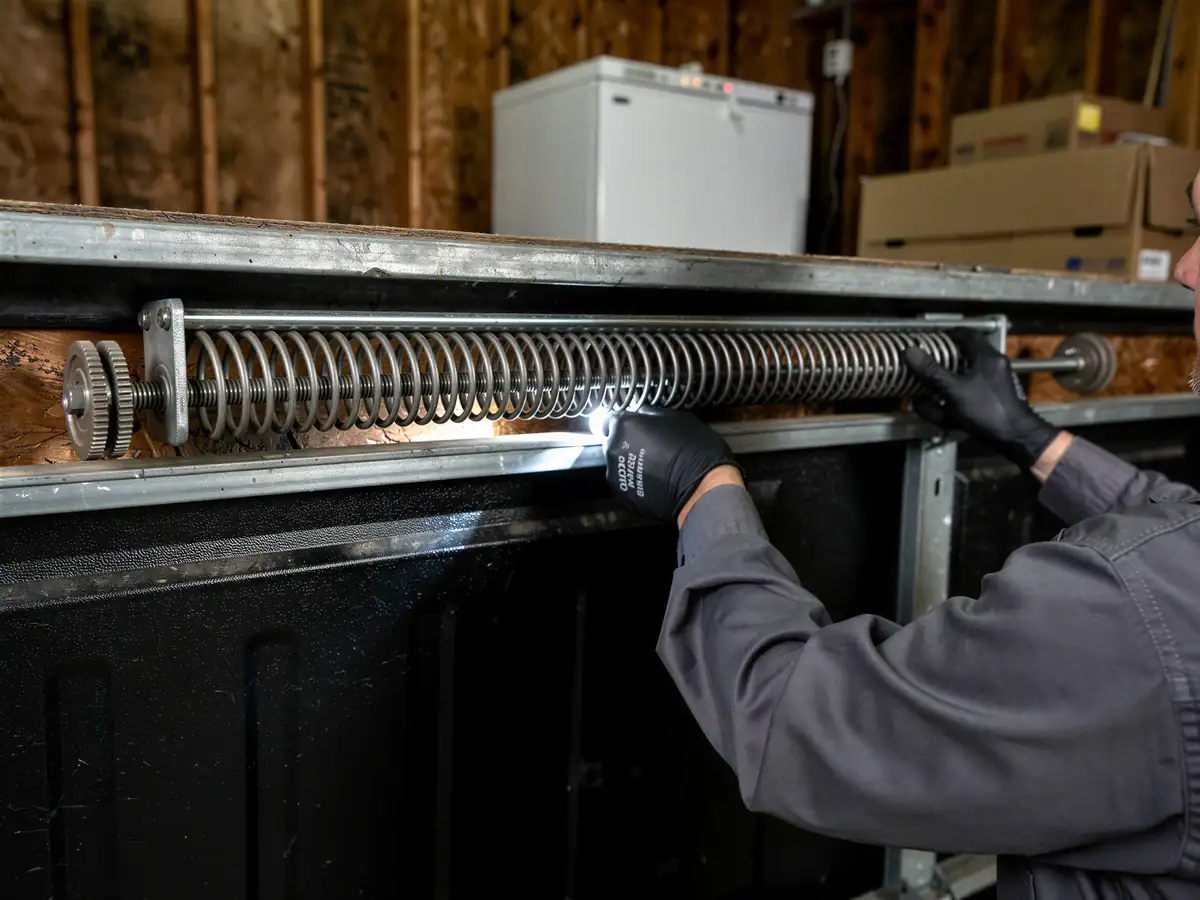
The call usually starts the same way: the door won't go up, or it goes up an inch and stalls. Sometimes it's a loud bang from the garage followed by the door sitting dead on the track. In a lot of Hendersonville houses, that bang is a torsion spring letting go - and given that most of the housing stock here went up between the 1980s and the late 90s, with a median build year around 1990, a huge share of these doors are still running on the spring and hardware that came with the house.
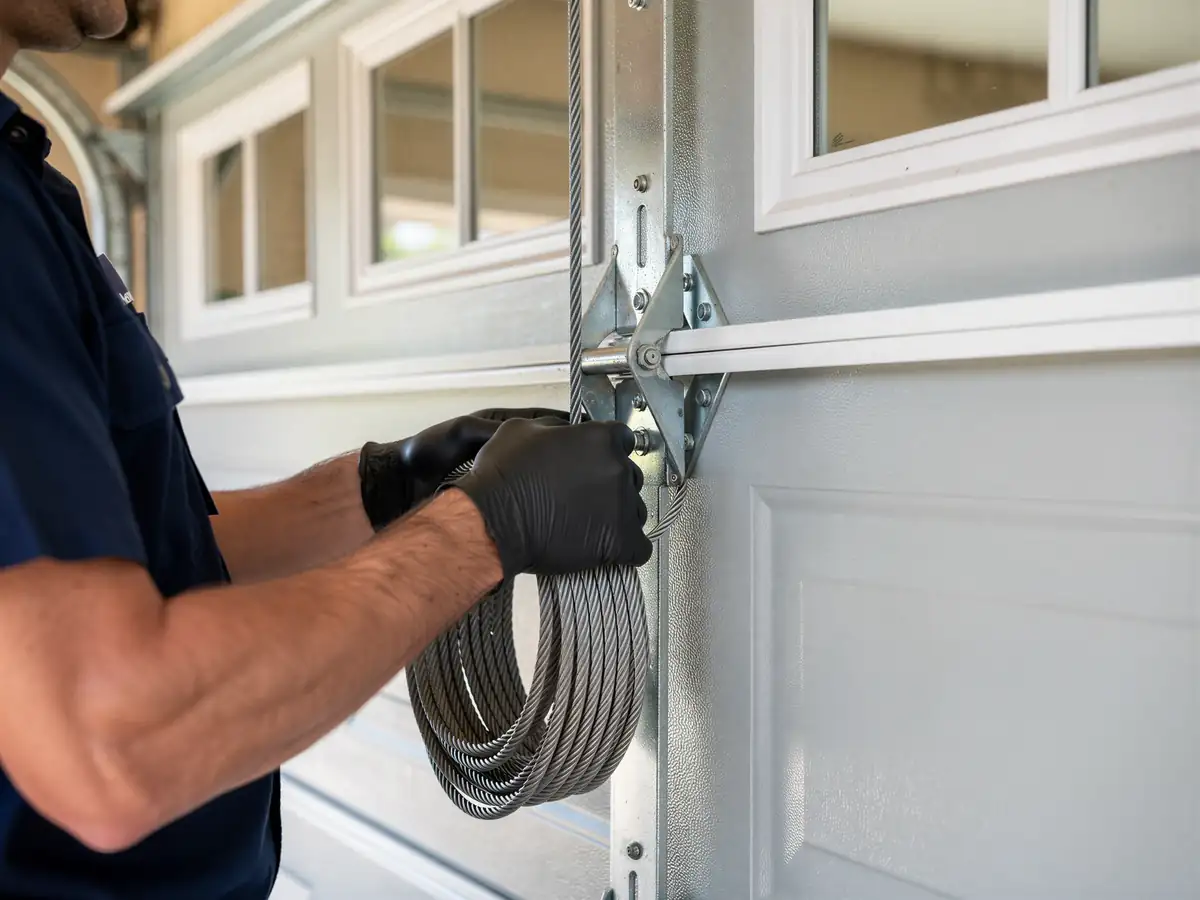
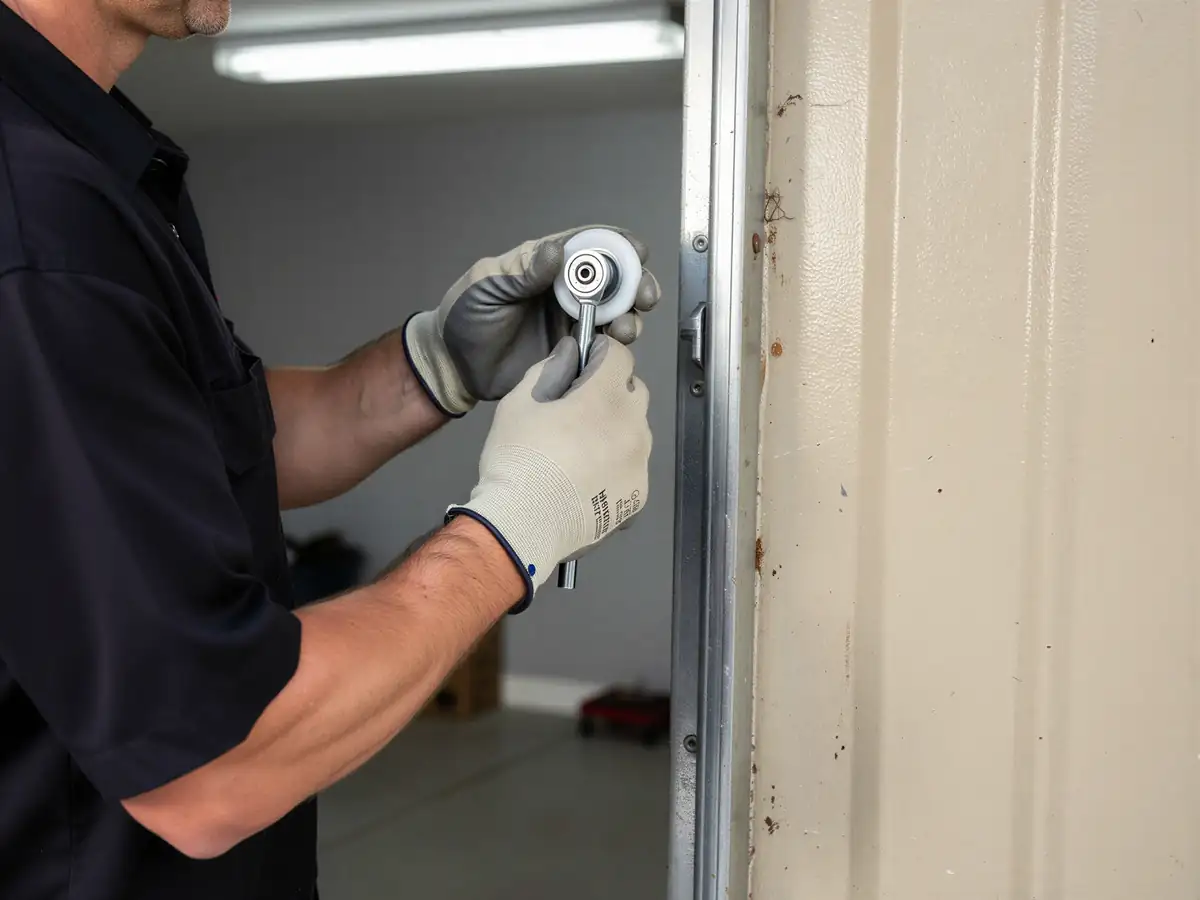
Other times it's quieter: the opener motor hums but the door doesn't move, or it moves but drifts off the track halfway through the cycle. Rollers get brittle with age, cables fray at the drum, and on a door pushing three decades old, that wear is just catching up with the calendar. We see a fair number of doors here still on their original torsion hardware, which tells you most of the trouble isn't abuse - it's age plus the stress of daily cycling.
Why This Fails Locally
Hendersonville sits in a moderate cold climate band
Which means winters bring real temperature swings - not brutal, but enough to matter. Steel contracts in the cold, grease stiffens, and a spring that was already near the end of its coil count gives out on the first hard freeze of the season rather than in the middle of a mild July. That's why repair calls here cluster when temperatures drop: a spring under tension is more likely to snap cold than warm.
Add to that the age of the stock
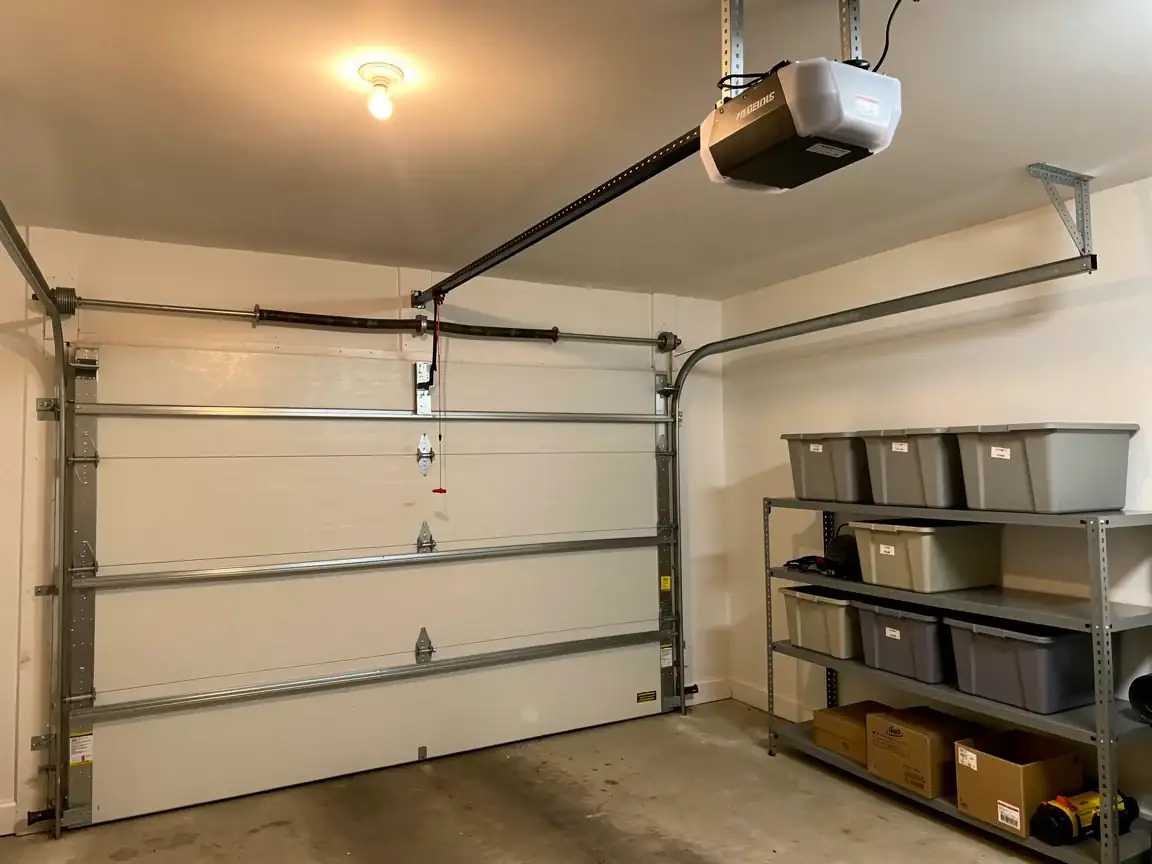
With most homes dating to the 1980s and 90s across the thirteen areas we work, a lot of torsion springs and openers are well past the 7-10 year service life you'd expect from daily use. Houses built in that window typically used lighter-duty openers than what's sold today, so when the spring goes, the opener has often been straining to compensate for months before the final failure - burning out gears or stripping the drive mechanism in the process. It's rarely one problem. It's the door's age meeting a cold morning.
- 10 year
The DIY Question
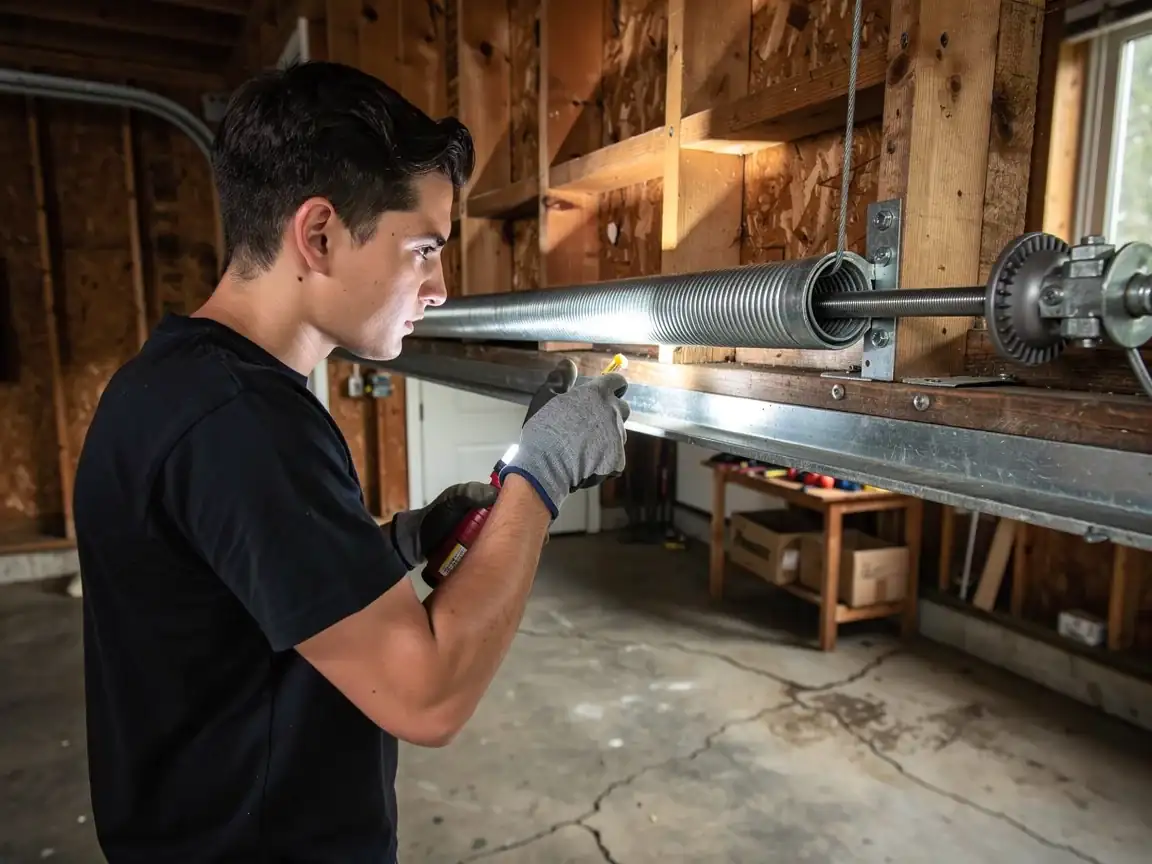
A torsion spring is wound under enough tension to break a bone or worse - this is not a YouTube Saturday project, full stop. If the spring itself is the issue, that's a call, not a wrench.
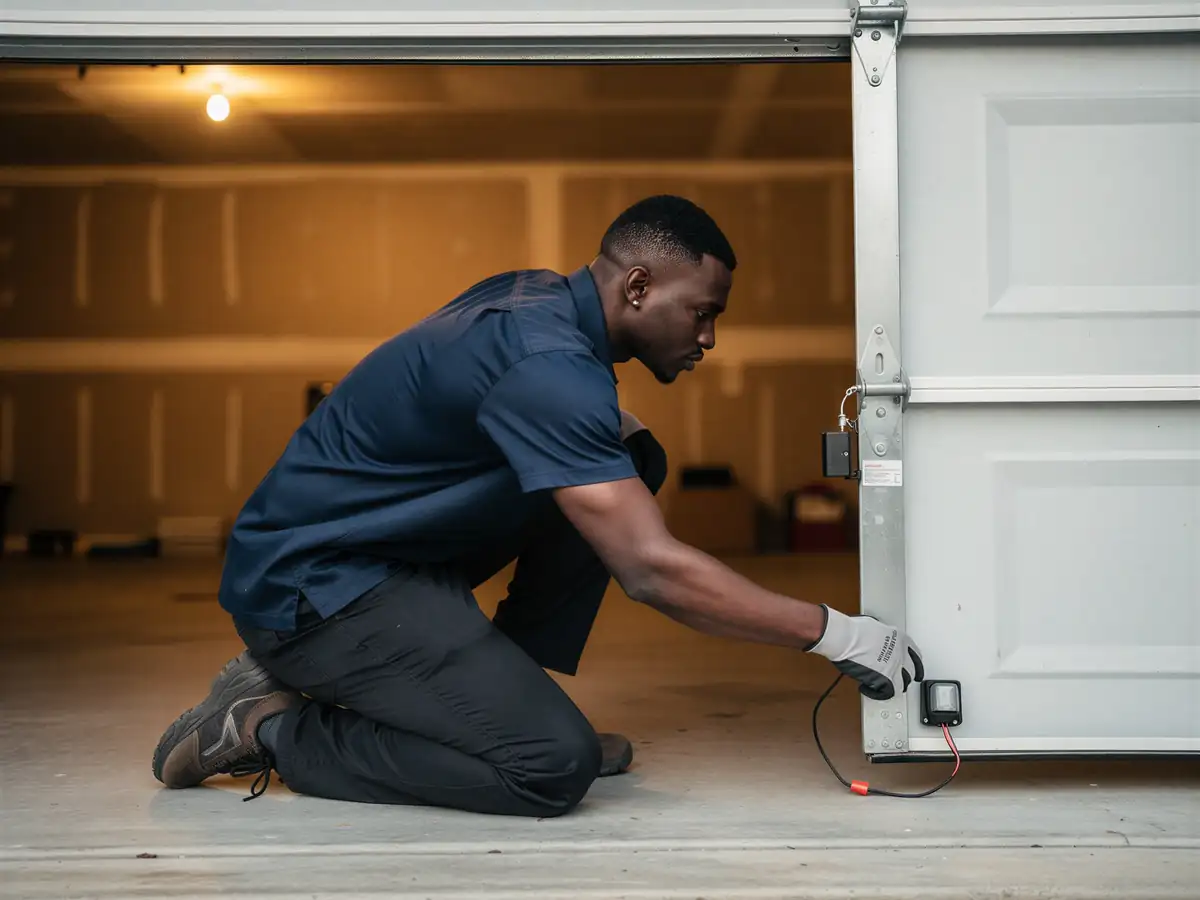
There's a shorter list of things worth checking yourself first. Tracks knocked out of alignment, a sensor that's dusty or slightly out of position, a remote with a dead battery - those cost nothing to rule out before you book a visit. Lubricating hinges and rollers with a proper garage door lubricant (not WD-40, which washes grease out rather than adding it) is also fair game and worth doing twice a year regardless.
Where people get into trouble is cables and openers. A fraying cable can snap under load, and an opener that's grinding gears usually needs the gear kit replaced before it strips the motor housing entirely. If you're not sure which one you're looking at, that's the honest answer right there - call before you start taking the housing apart.
What the Repair Takes
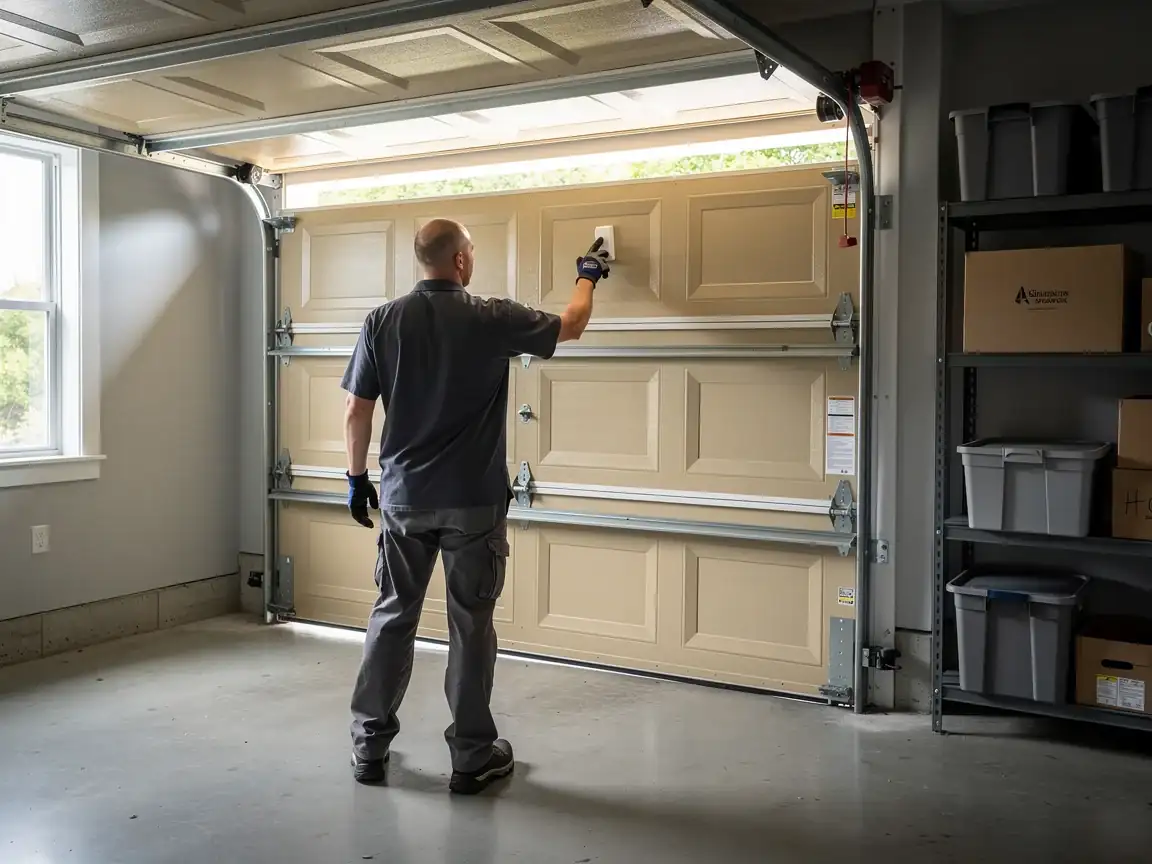
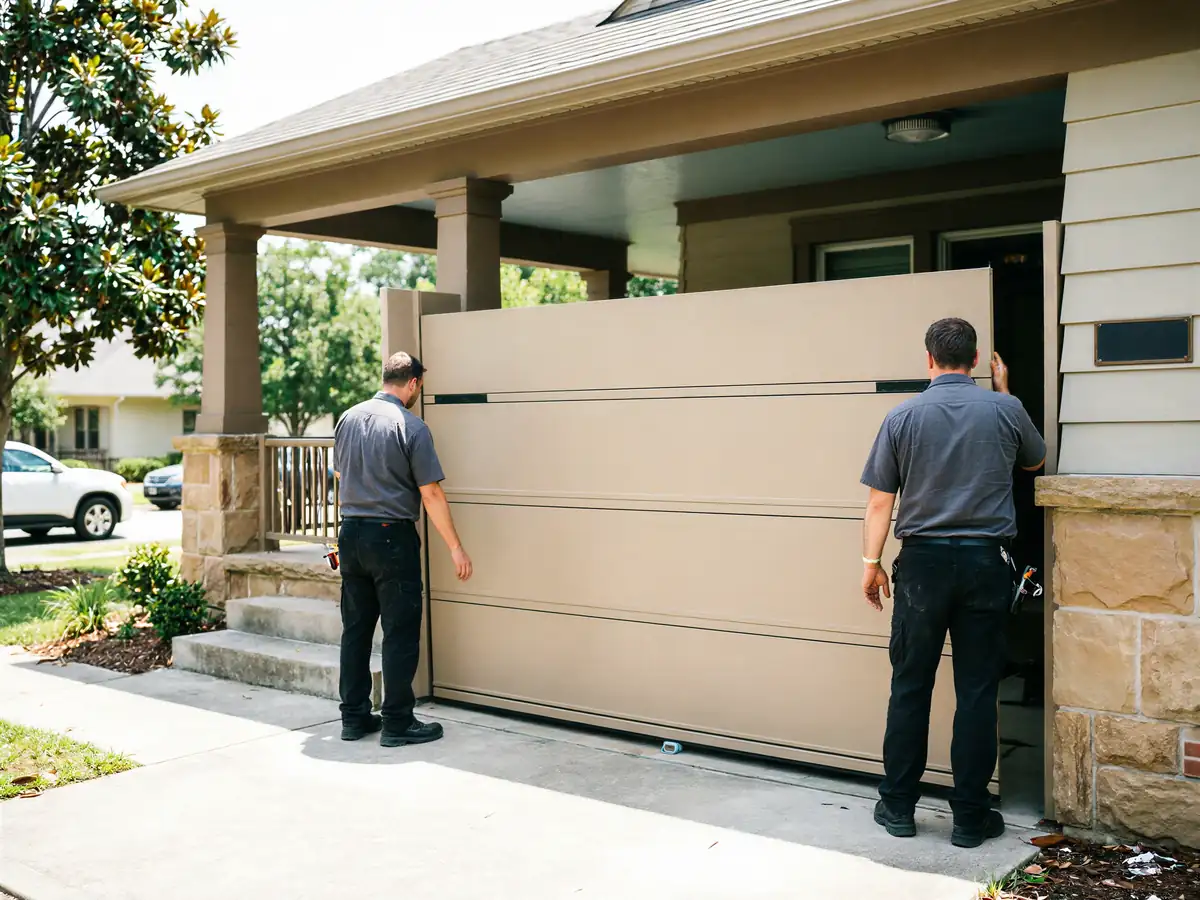
Most torsion spring replacements and roller or cable jobs are done in one visit, same truck, same trip. What takes longer is sourcing hardware for an opener model that's been out of production for twenty years - on houses built in that 1980s-90s window, that's not rare, and it's the one honest limitation worth naming here: if your opener is original to the house, a replacement part sometimes has to be ordered rather than pulled off the truck.
For a straight spring swap or cable replacement, we're typically in and out the same day. For anything involving a full opener replacement, we'll tell you upfront whether it's in stock or needs a day or two to come in. We'd rather say that plainly than have you waiting on a truck that shows up with the wrong part.