How It Shows Up
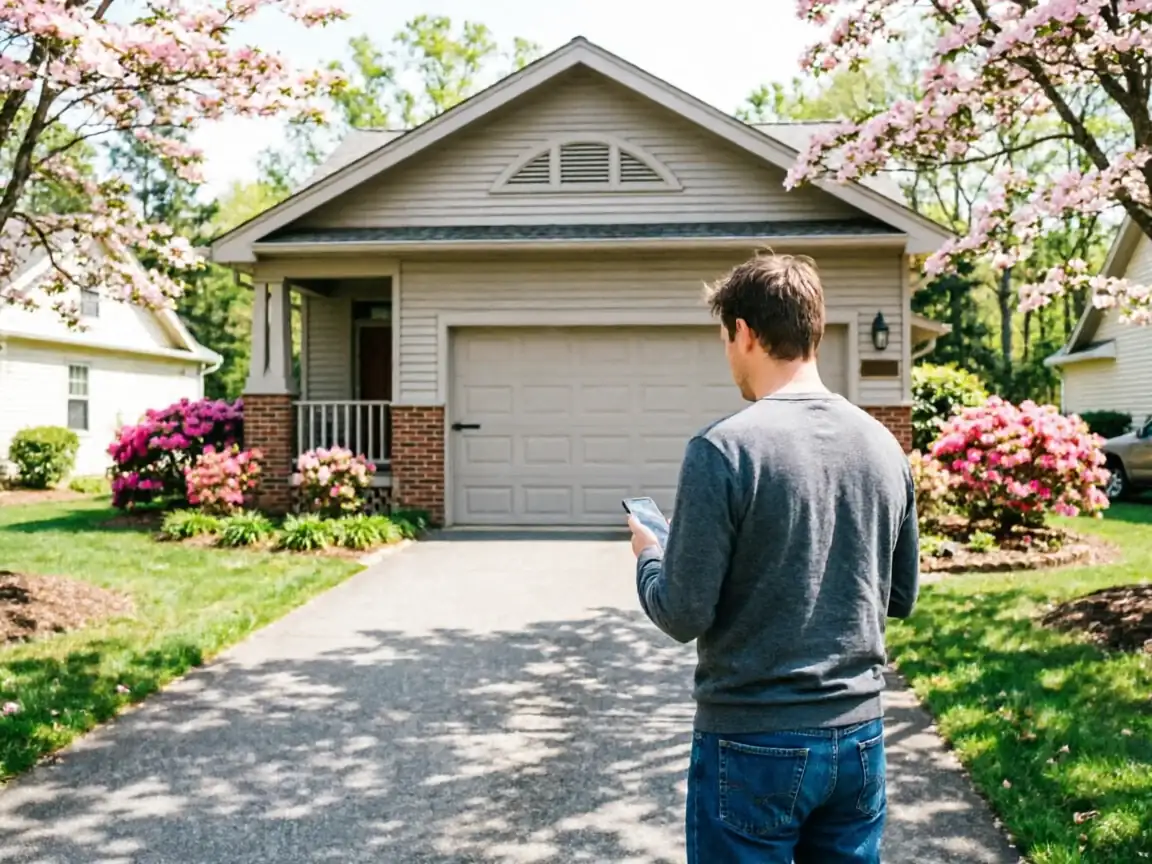
Most maintenance calls we get start the same way: the door still opens, but it sounds wrong, or it hesitates halfway up, or the opener strains for a second before catching. None of that is a sudden failure. It's months of small drift finally showing up at once.
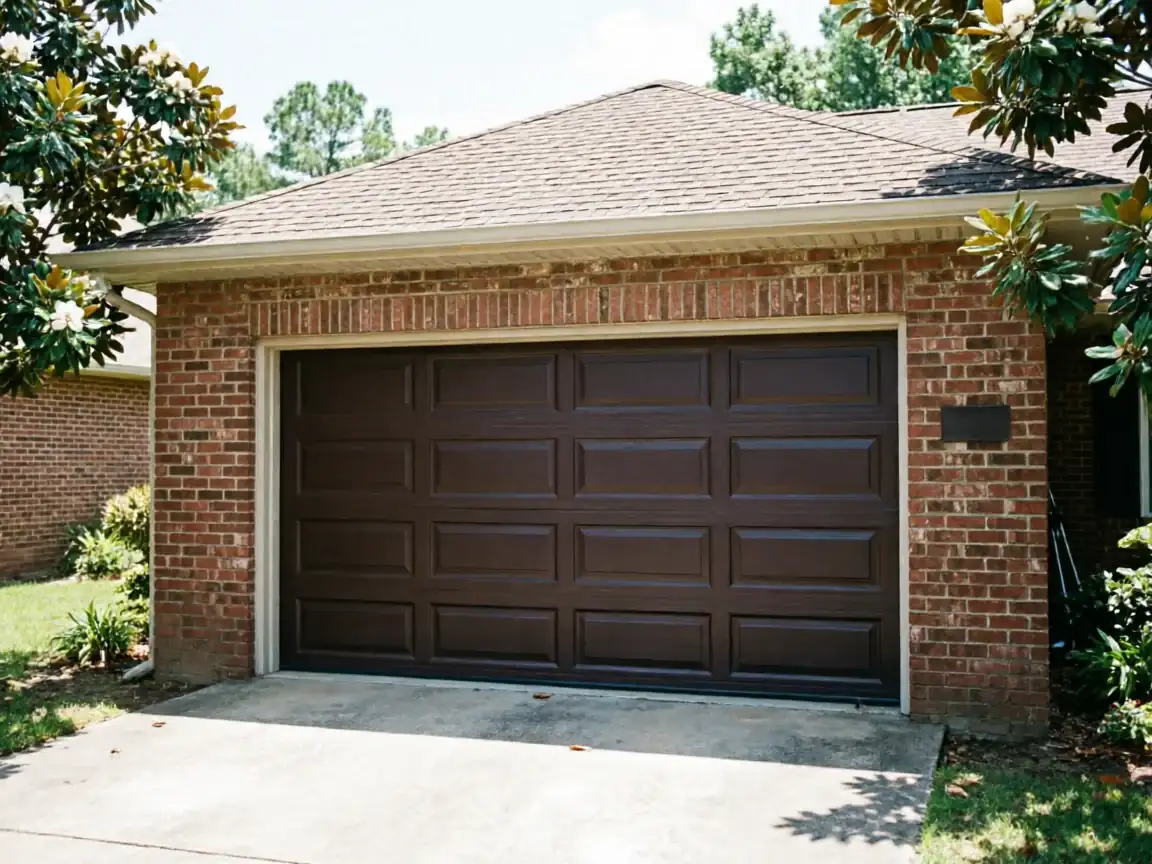
Across the service area, housing went up mostly between 1958 and 2005, with the bulk of it landing in the 1980s and 90s across the 13 named areas we cover. That means a huge share of doors and openers out there are original equipment or one replacement cycle in - old enough that lubrication has long since dried out, rollers have flat-spotted, and track bolts have backed off a quarter turn at a time for years.
You'll notice it as a grinding noise on the way up, a door that drifts closed on its own, or a remote that needs three tries where it used to need one. None of these are emergencies yet. That's exactly when maintenance is worth doing - before the slow stuff turns into a cable snap or a stripped gear at 6am.
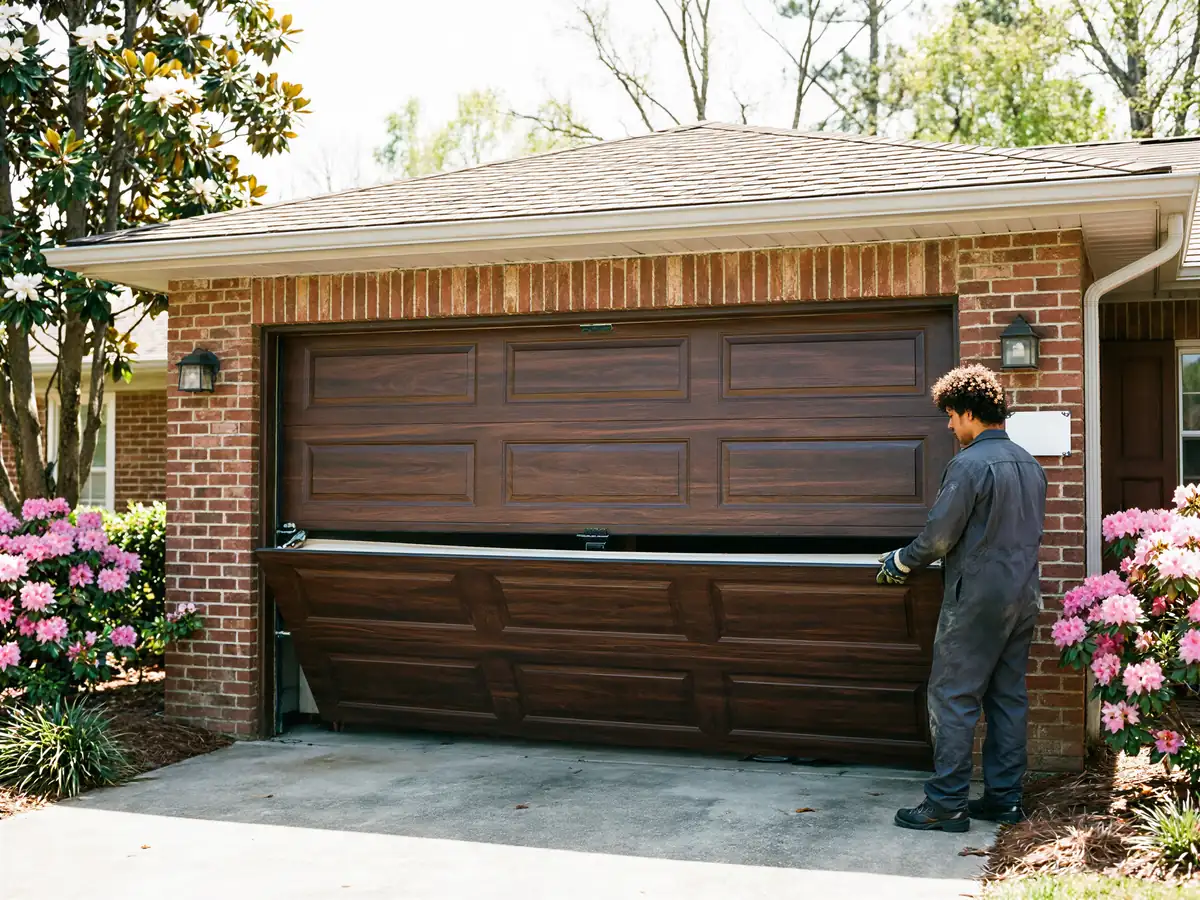
The tell we watch for most is uneven travel: one side of the door reaching the top a half-second before the other. That's a spring or cable losing tension unevenly, and it's cheap to fix now, expensive to fix after it jumps the track.
Why This Fails Locally
The climate band here is cold-moderate
Which doesn't mean brutal winters, but it does mean real freeze-thaw cycling every year - cold nights, warmer days, condensation on steel panels and hardware that never fully dries before the next cold snap. Grease hardens, steel contracts, and the gap between panel and weatherstrip opens just enough to let in the next round of moisture.
That cycle is harder on homes with original 1980s and 90s hardware than it is on anything newer
And that's the bulk of what's out there in the 13 named areas this company covers. Torsion springs rated for a certain cycle count were never designed to be relubricated on a schedule nobody kept. Track alignment that was fine in 1991 has usually shifted by now, especially on slab foundations that have had three decades of seasonal movement.
We're not describing a defect in any one house
We're describing what happens to a mechanical system, outdoors, in a climate that freezes and thaws, after 30-plus years without anyone checking the bolts. It's consistent enough across the service area that we see the same three or four failure points on nearly every maintenance call.
The DIY Question
Some of this is genuinely fine to do yourself. Wiping down tracks, checking that the photo-eye sensors are aligned, vacuuming the roller channel, and listening for new noises - none of that needs a truck to show up.
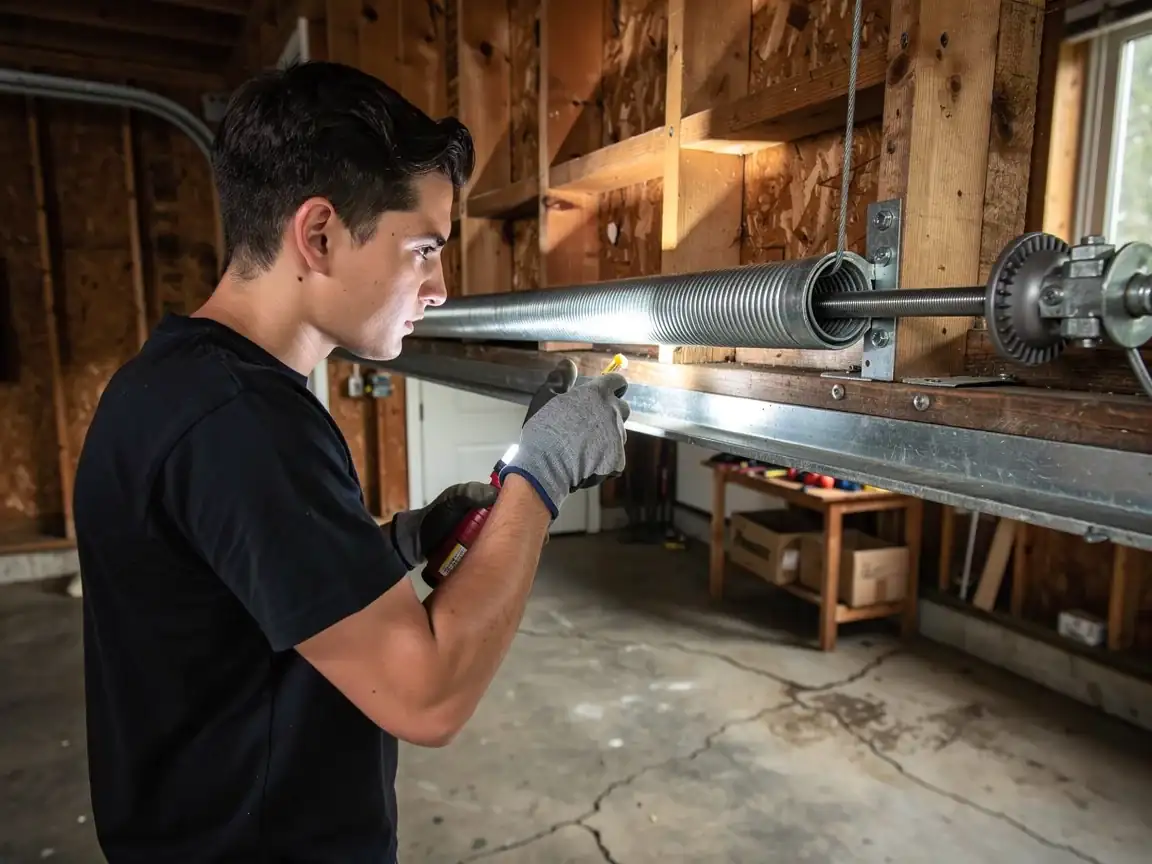
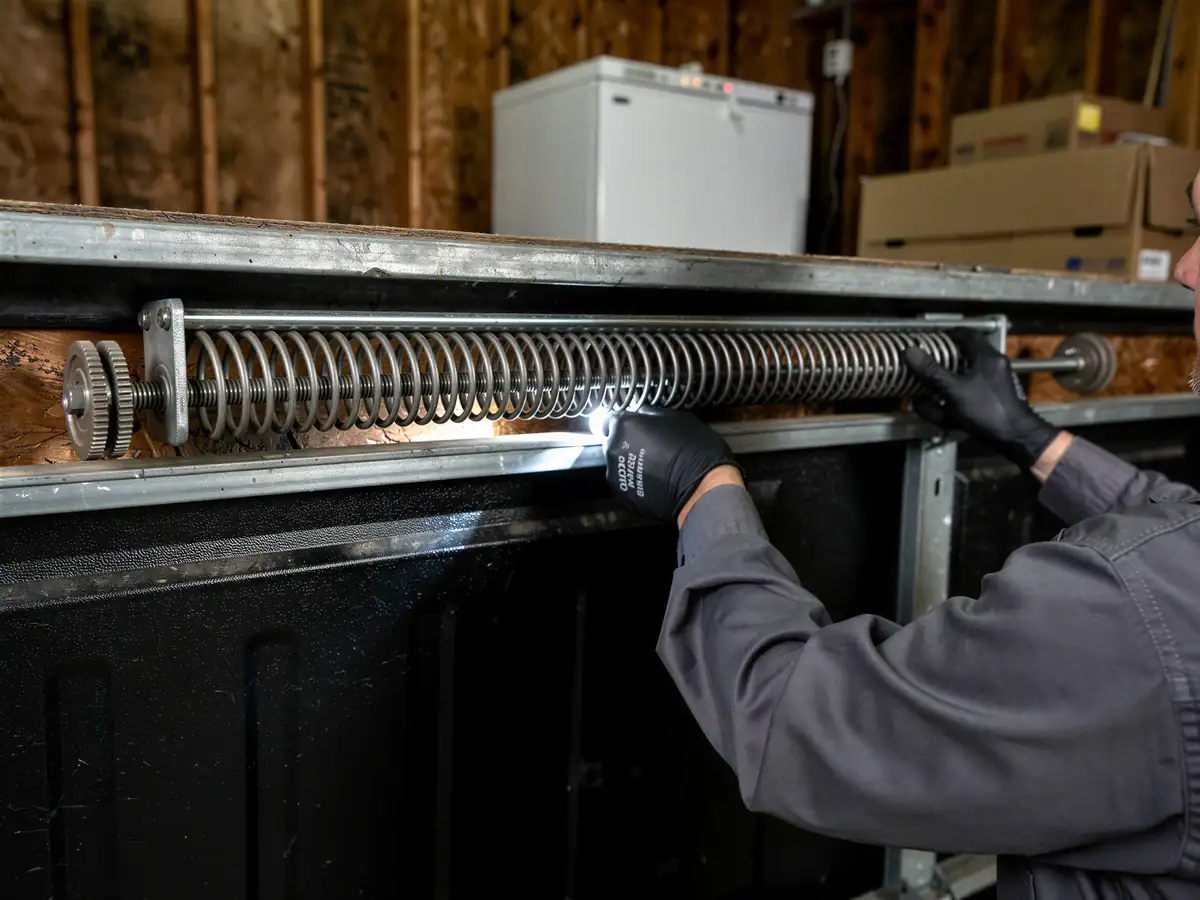
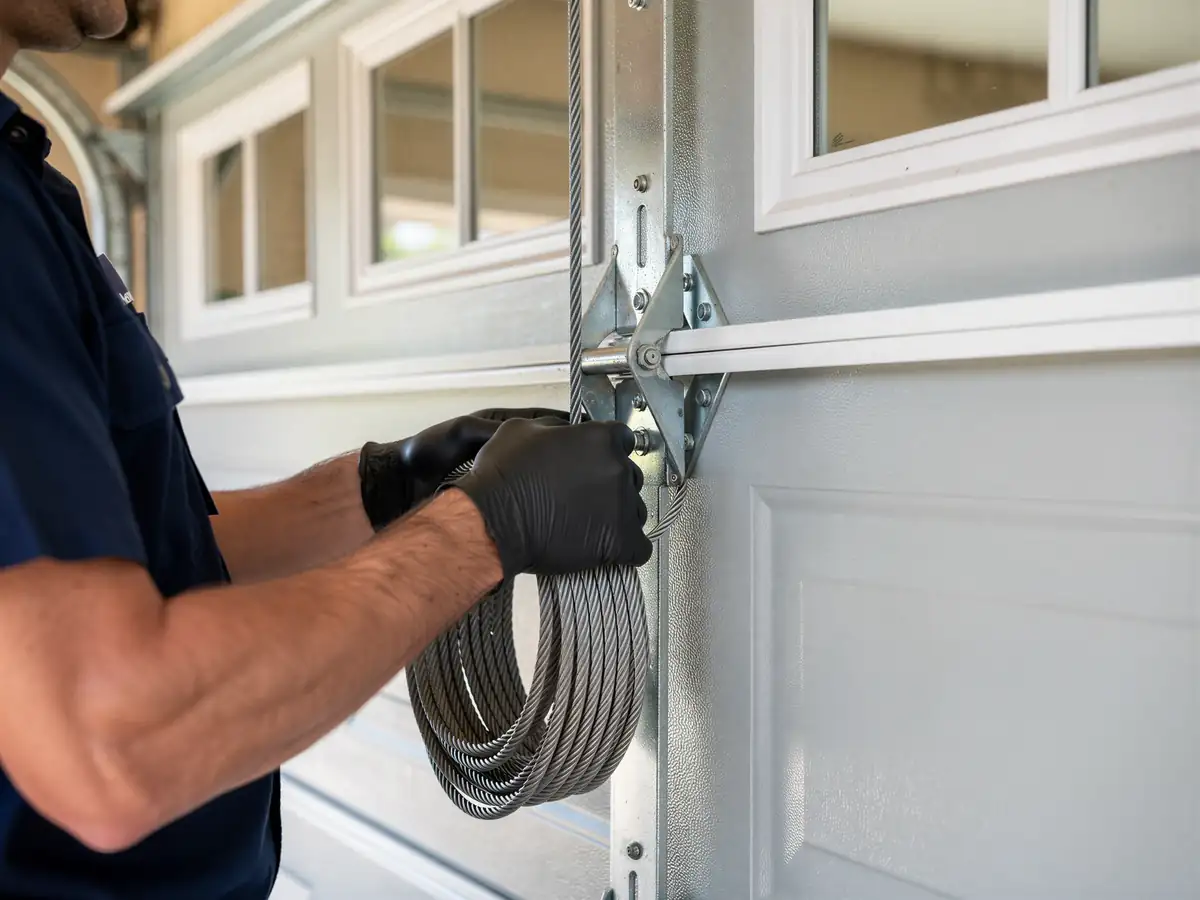
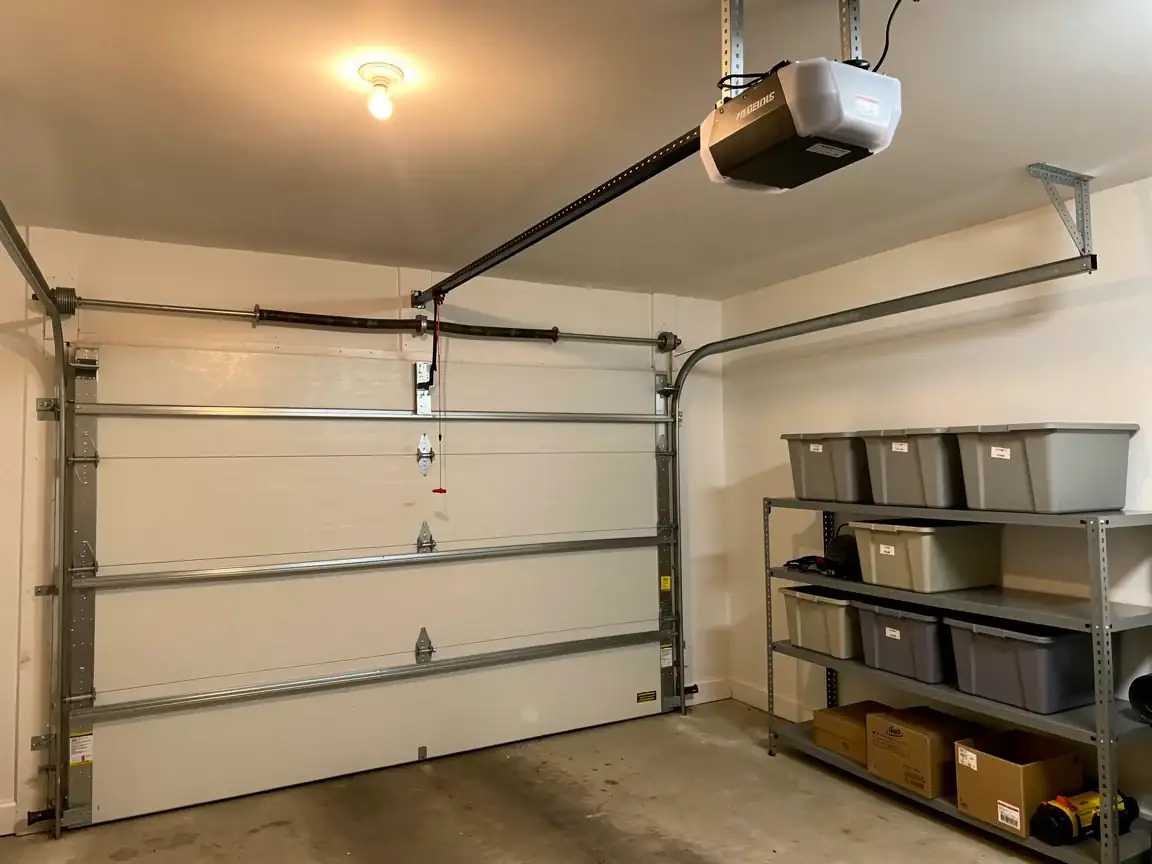
What doesn't belong in a DIY list is anything involving the torsion spring. It's under enough tension to cause serious injury if it lets go while you're working on it, and on the older hardware common across this area's 1980s and 90s housing stock, nobody can tell you from looking whether that spring has another year left or another month. We also don't recommend homeowners touch cable tension or track realignment - small adjustments there change how the whole door balances, and getting it wrong can do more damage than the original problem.
Honest limitation: if your opener is original to a house built in the 1960s or 70s, parts for it are often discontinued, and a maintenance visit may turn into a conversation about replacement instead of a tune-up. We'll tell you that straight rather than bill for parts we can't get.
What the Repair Takes
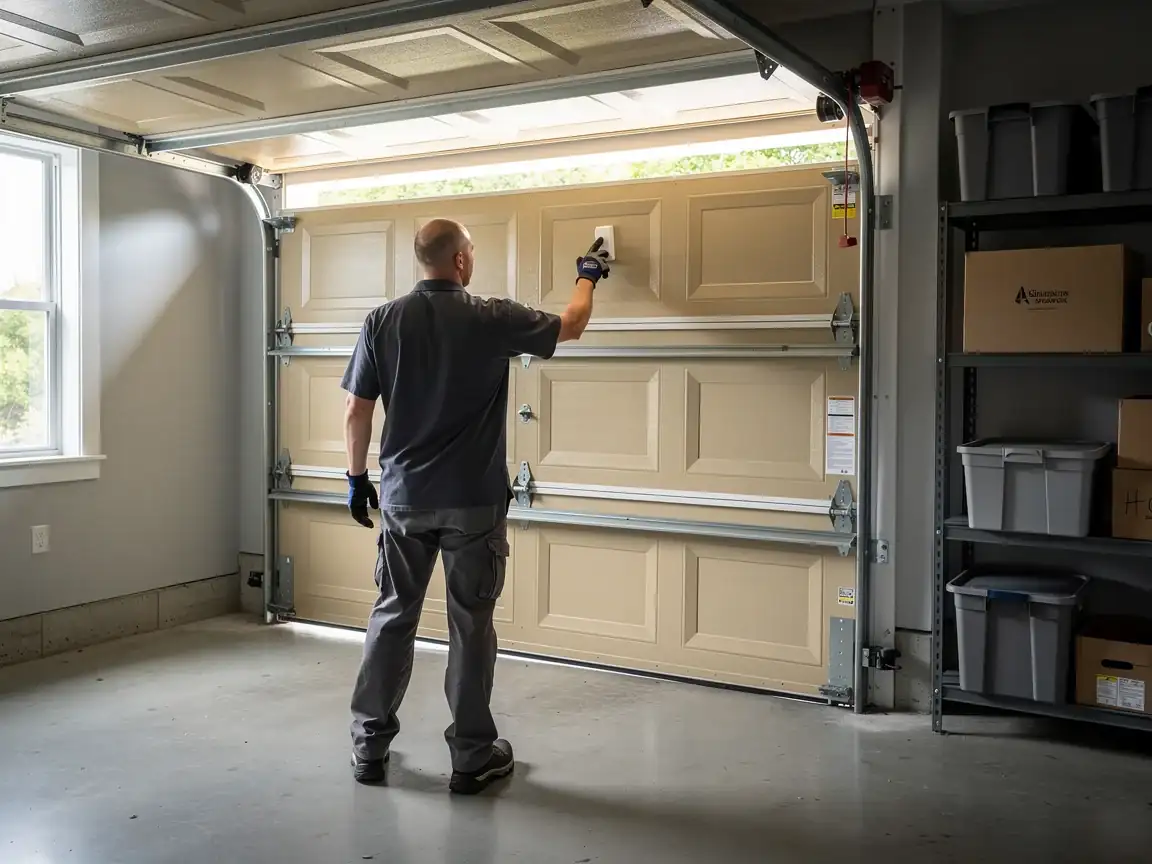
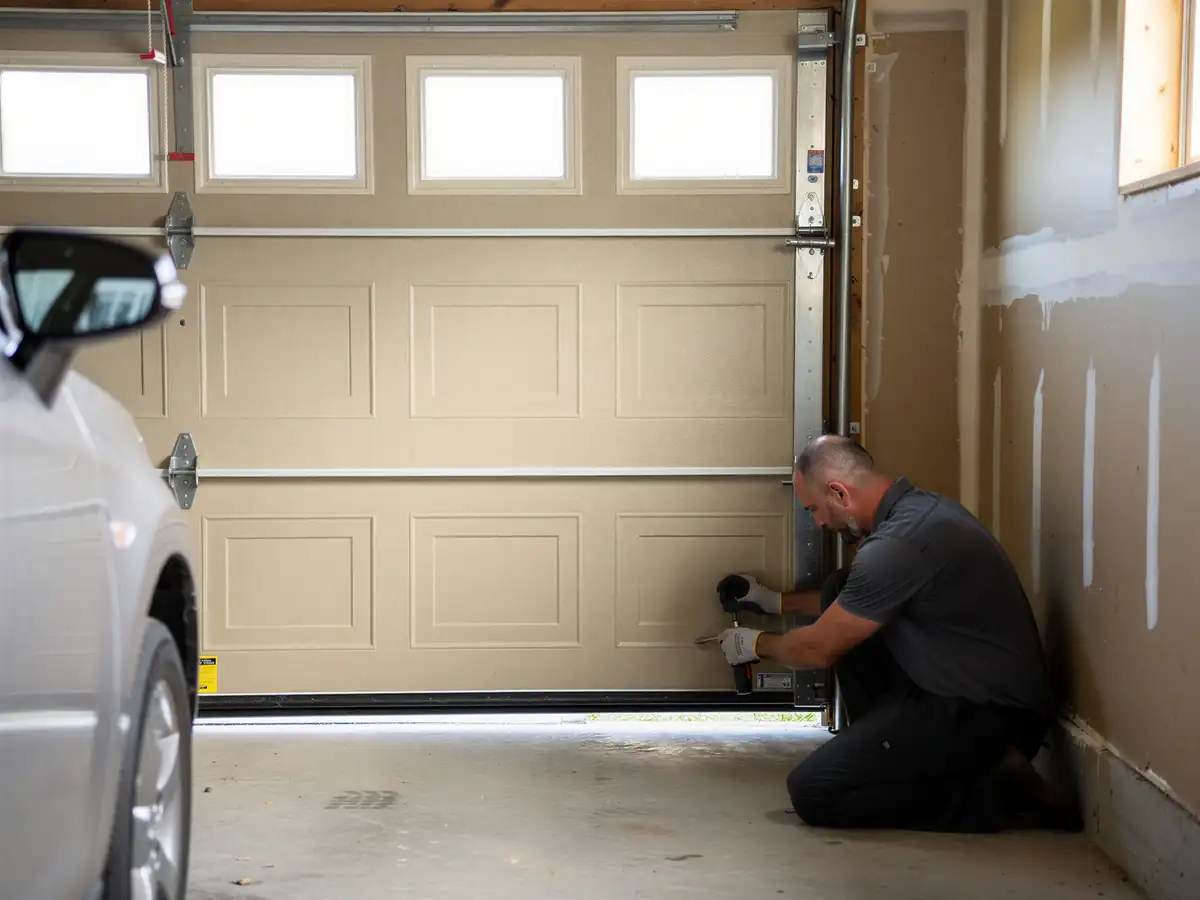
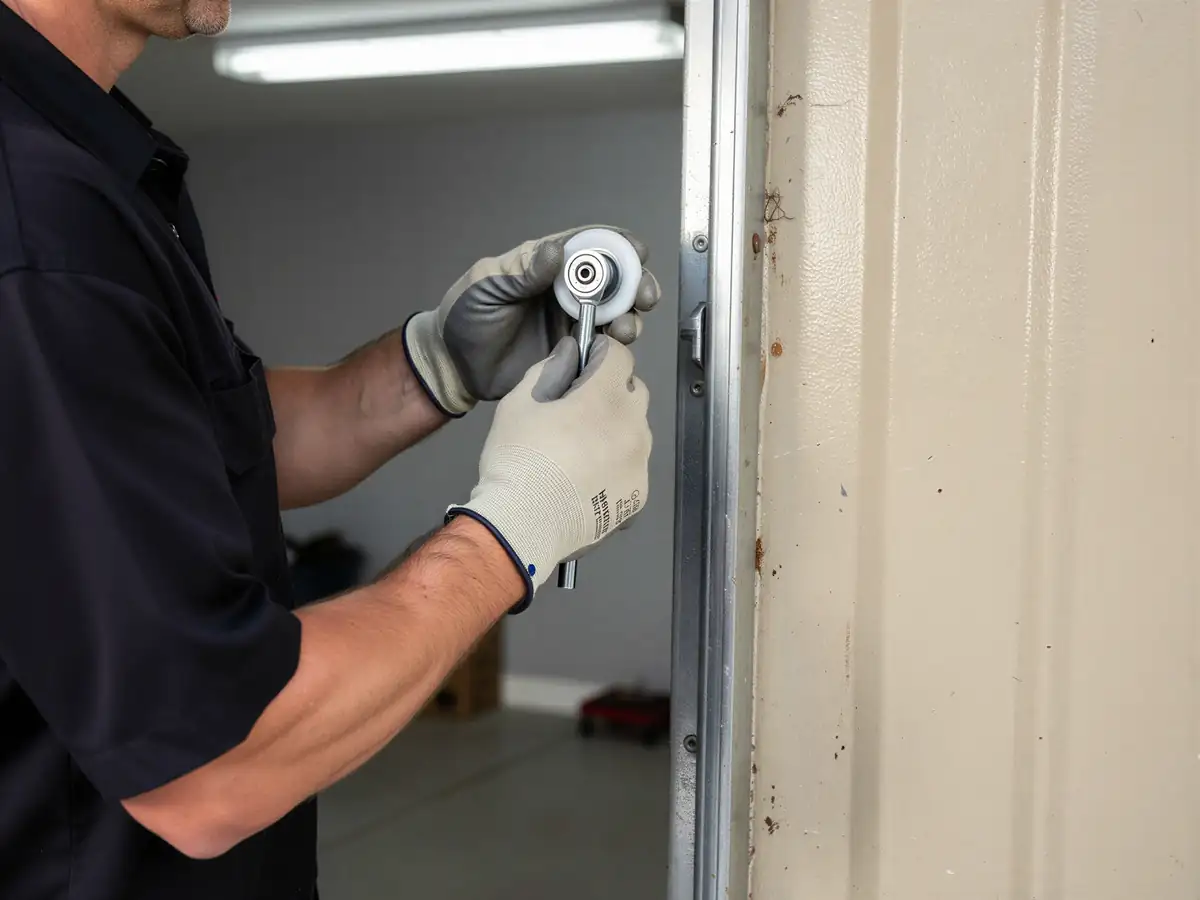
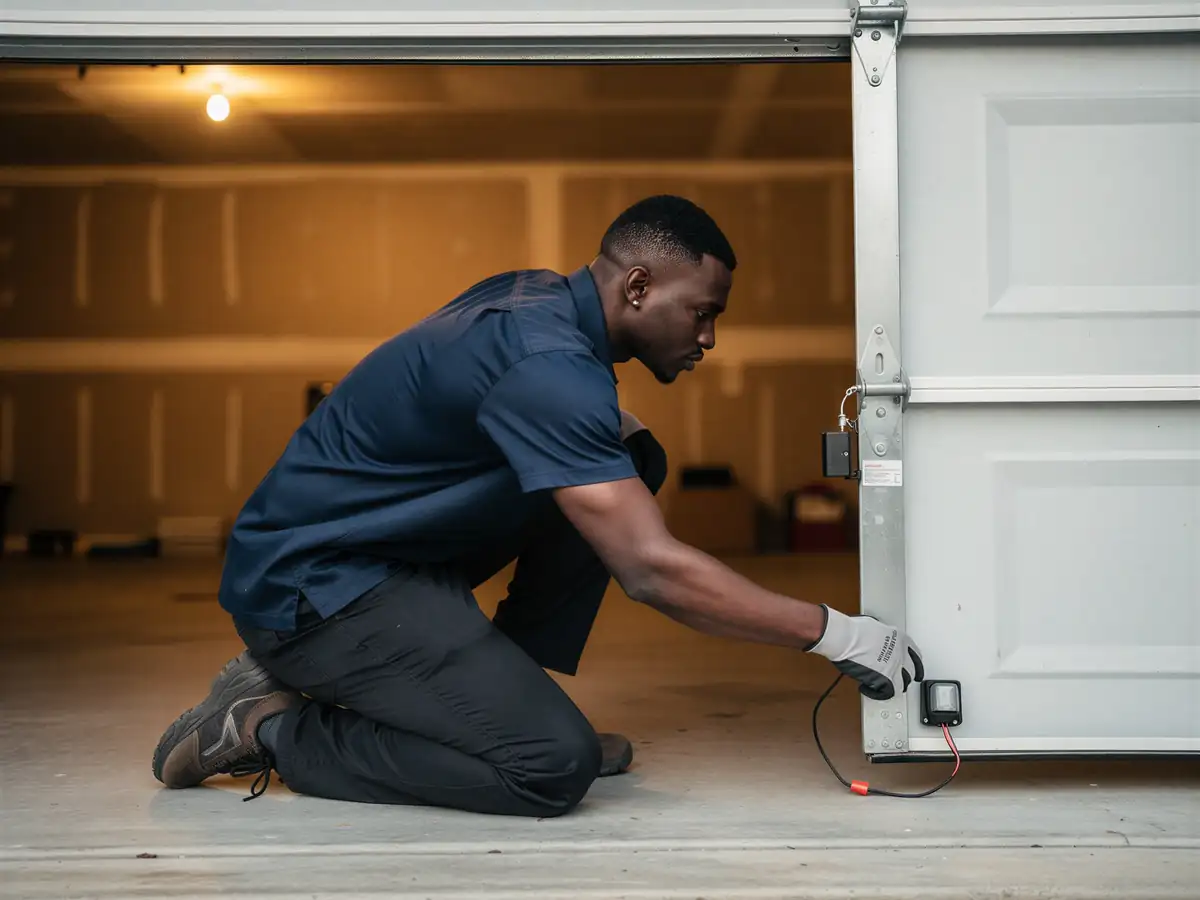
A standard maintenance visit covers lubrication of springs, hinges, and rollers, a check of cable condition and spring tension, track alignment, opener force and travel limit adjustment, and a look at weatherstripping and the bottom seal - the first thing to fail in a freeze-thaw climate. On a double door with original hardware, that's usually the full list; on newer doors it's shorter.
With 34,671 owner-occupied houses across the service area and a median household income of $82,308, most of what we see is a homeowner trying to get a door to last another decade rather than replace it outright. Maintenance is the cheapest way to do that - it's a fraction of the cost of an emergency spring replacement or a bent track call, and it catches the parts that are wearing out before they take something else down with them.
We don't upsell a full opener swap on a maintenance call unless the motor itself is failing. If the door just needs lubrication, adjustment, and a seal replacement, that's what the invoice says.