How It Shows Up
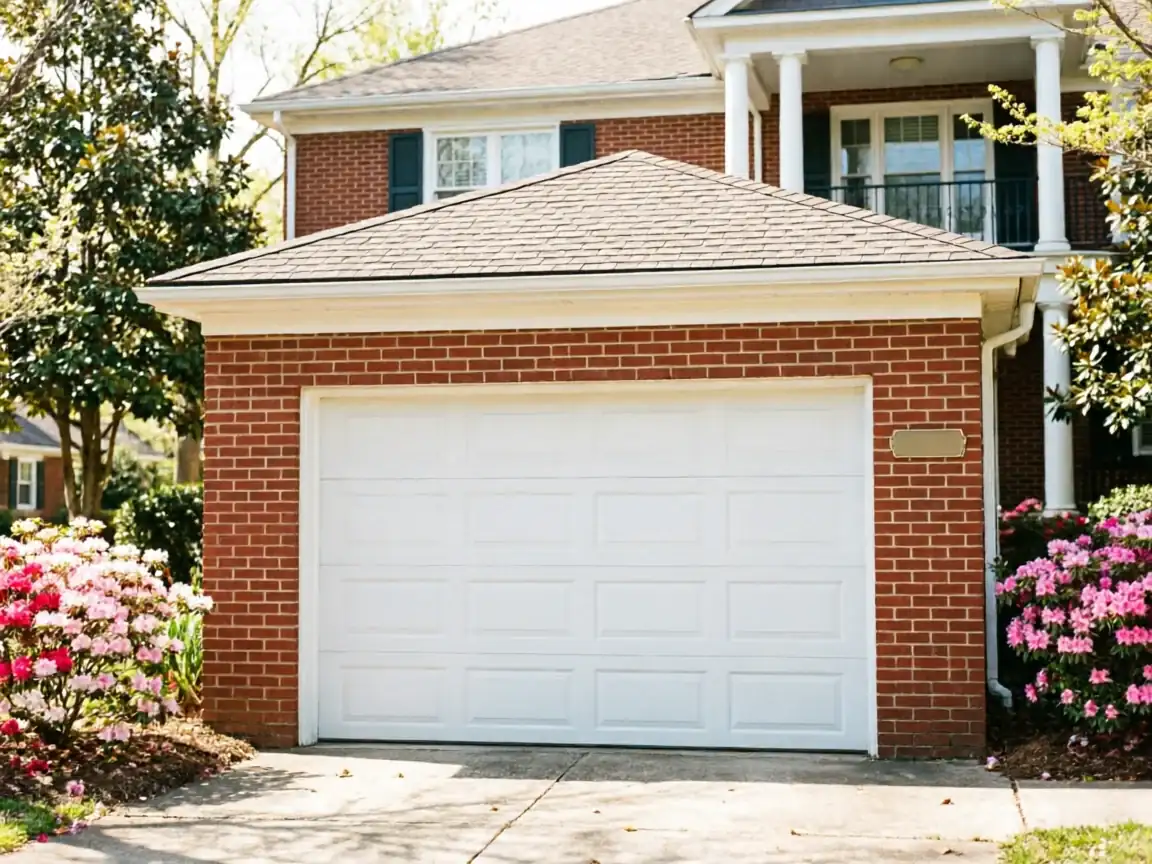
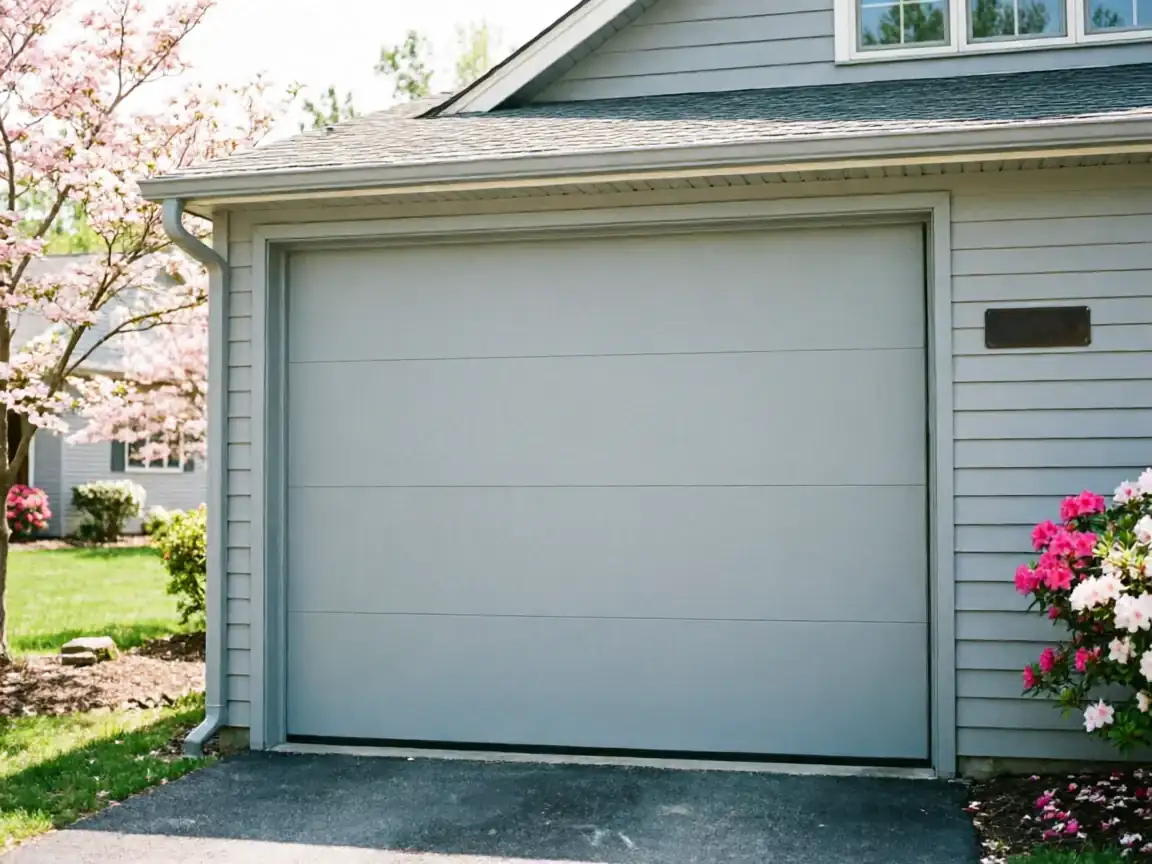
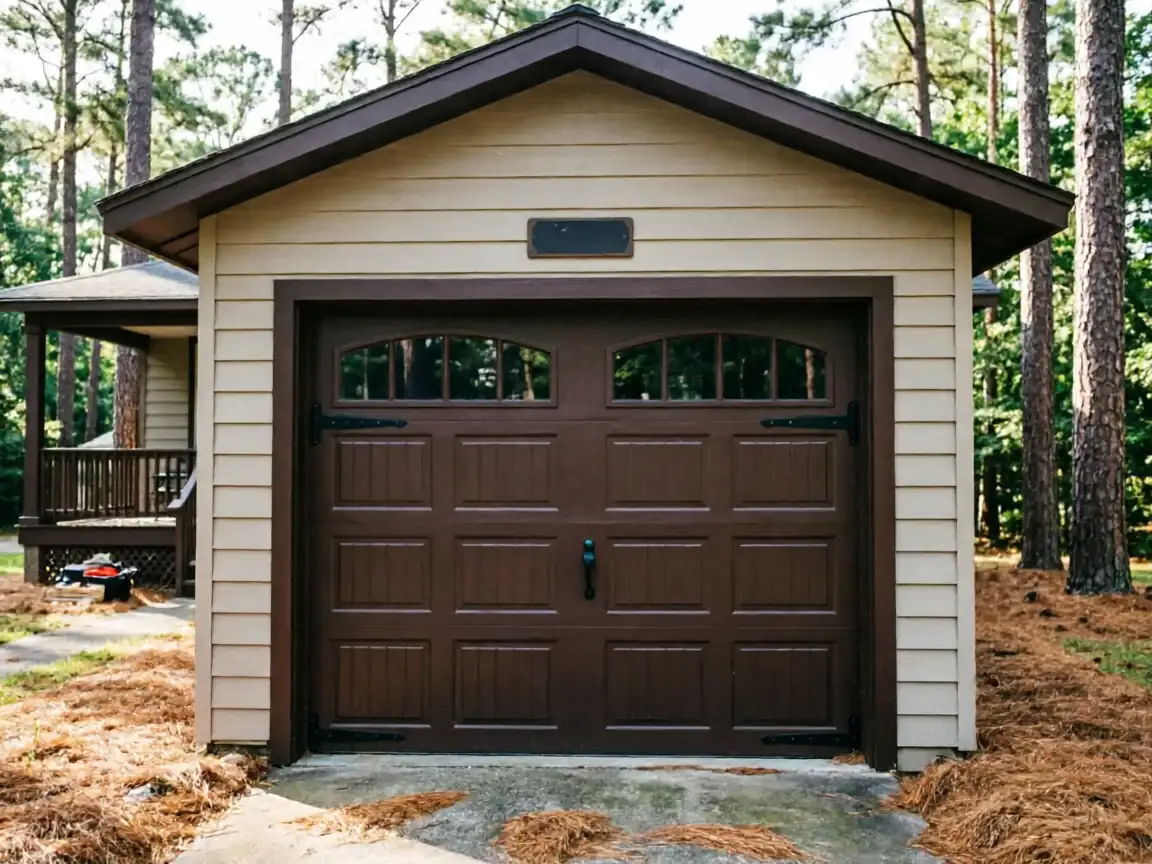
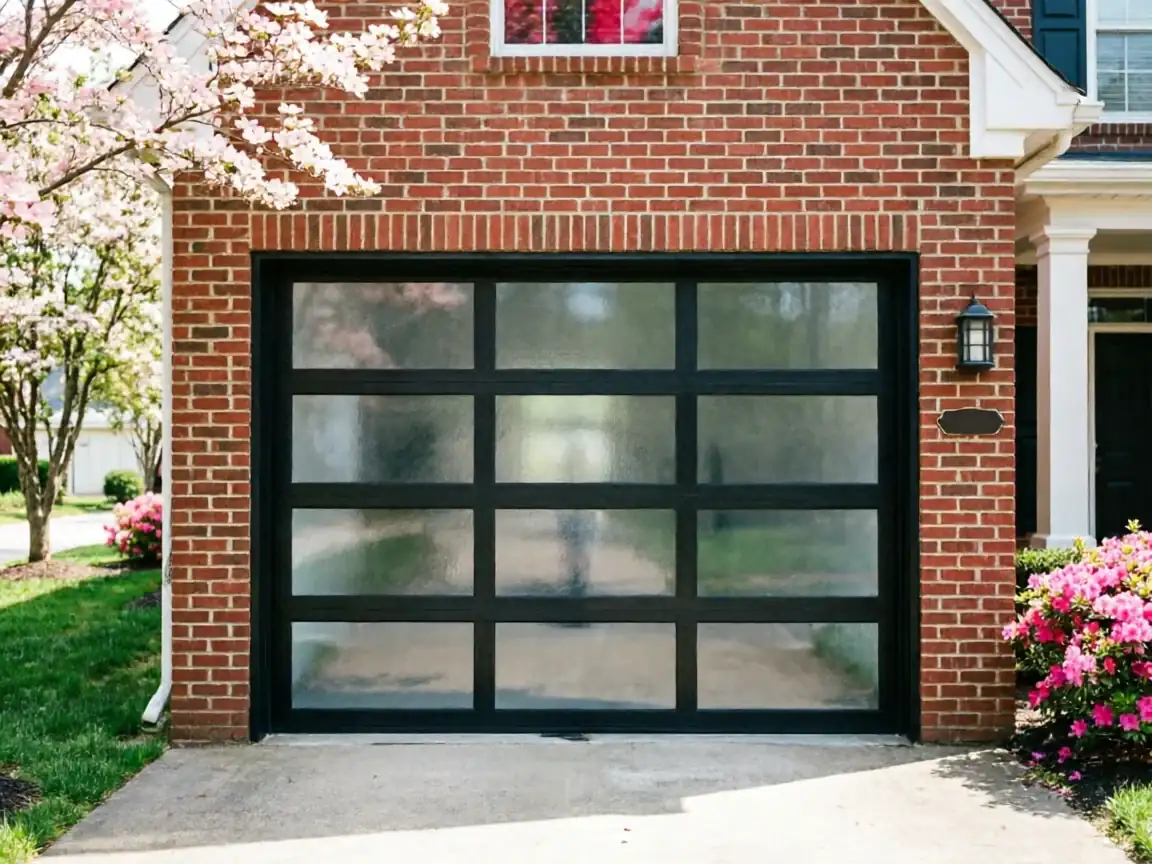
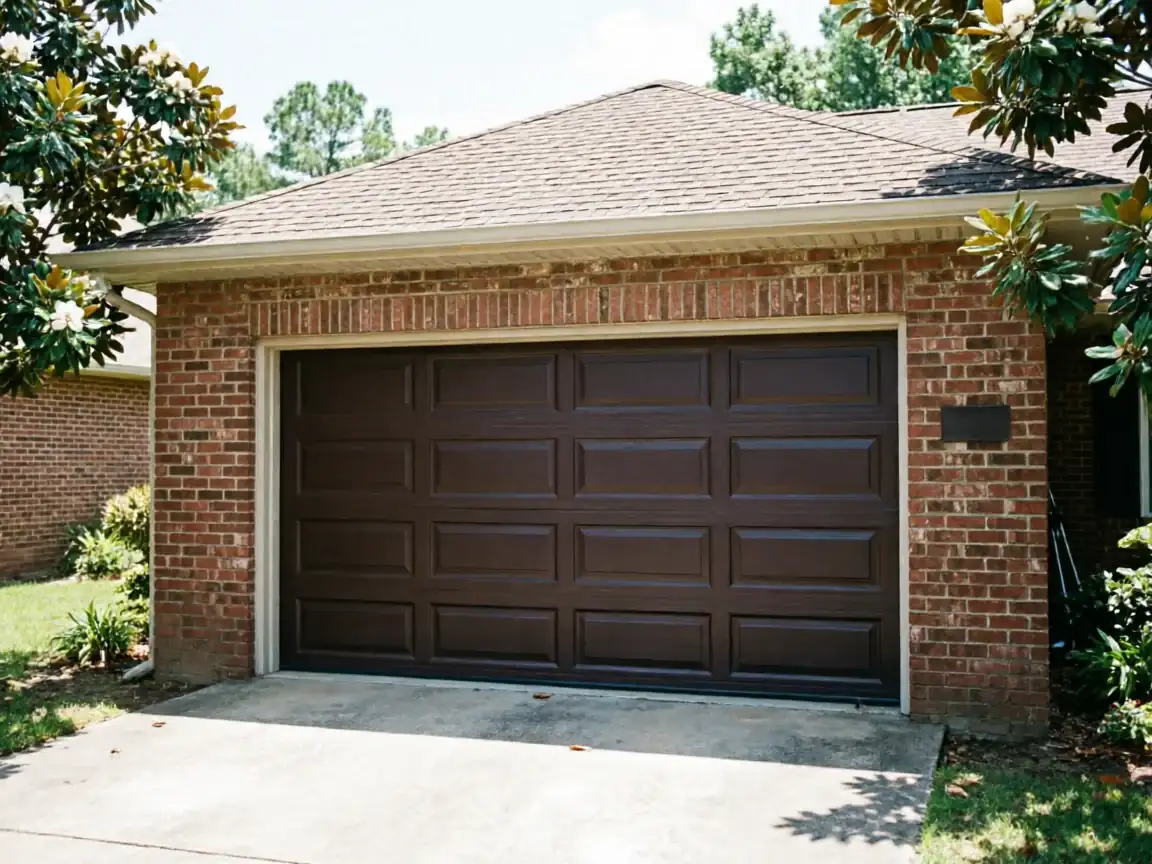
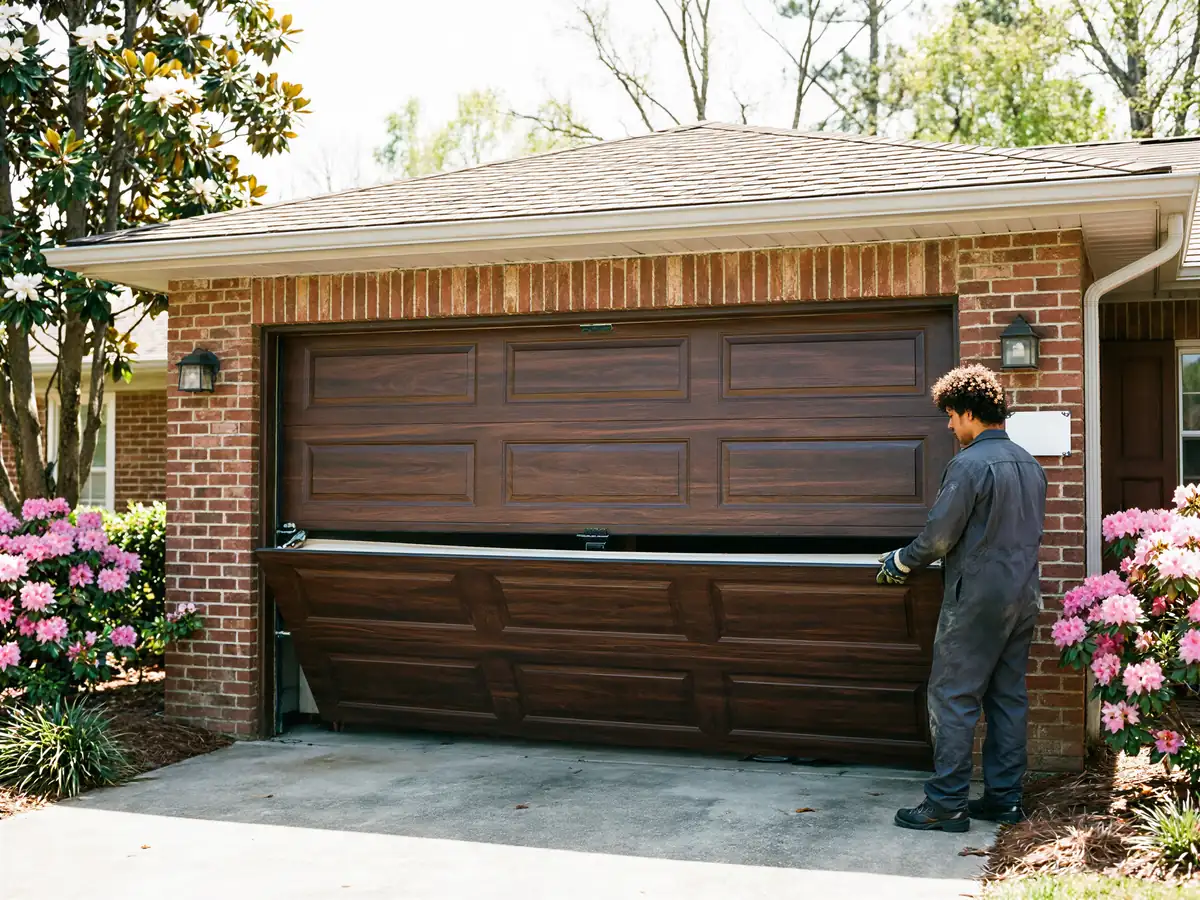
Most calls start the same way: the door still runs, but it's working harder than it should. In Hendersonville, the housing stock runs from 1958 up through 2005, with the median build year sitting around 1990 and most of the 13 named areas we cover dominated by that 1980s-90s wave of construction. Doors from that era are hitting 30-plus years old, and the symptoms show before the door quits outright - a panel that's dented past square, a bottom seal that's cracked and letting in draft, an opener straining on a spring that was sized for a lighter door than the one now hanging on it. Homeowners usually notice the cold coming through the bottom gap before they notice the door itself is the problem. On a lot of these houses the opening itself hasn't changed since it was framed, but the door, the track, and the hardware are long past their working life. That's an installation call, not a repair call, even if nobody's said the word 'replace' yet. We measure the existing opening, check the header and jamb condition, and go from there rather than assuming a like-for-like swap is the right fix.
The DIY Question
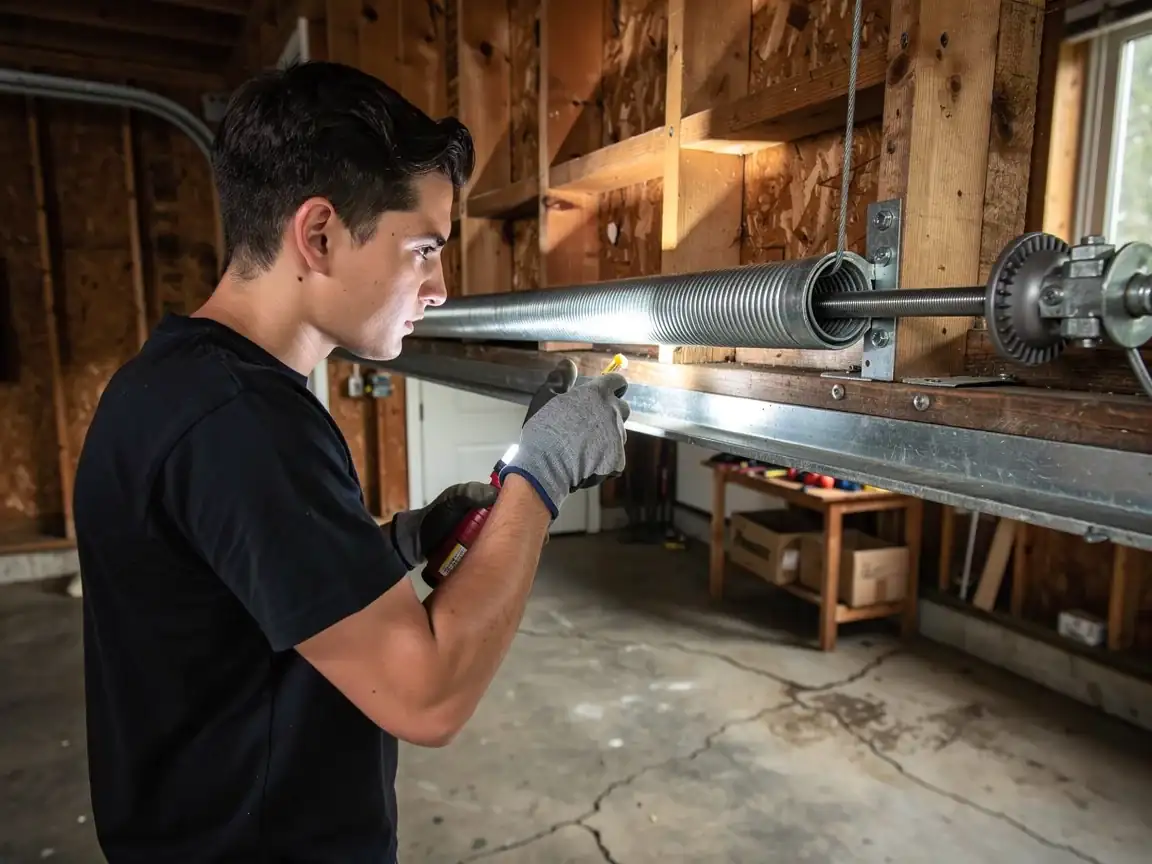
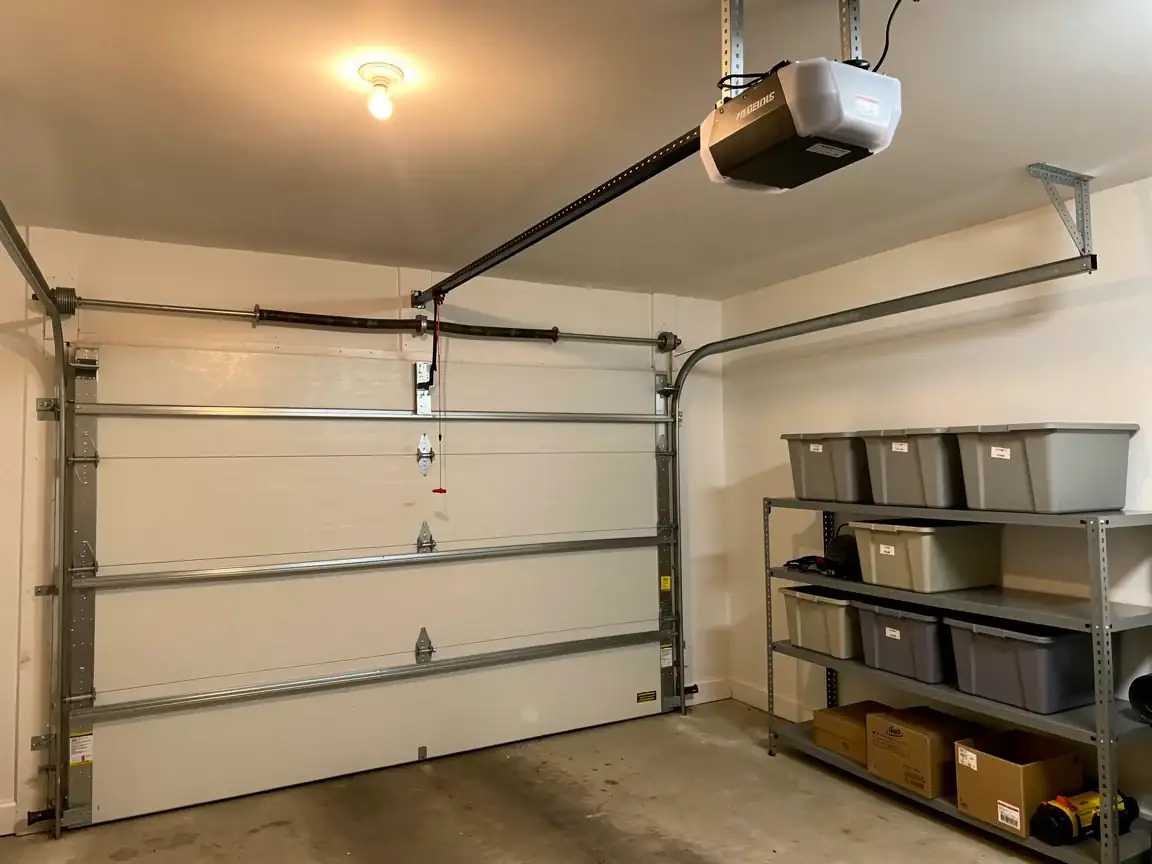
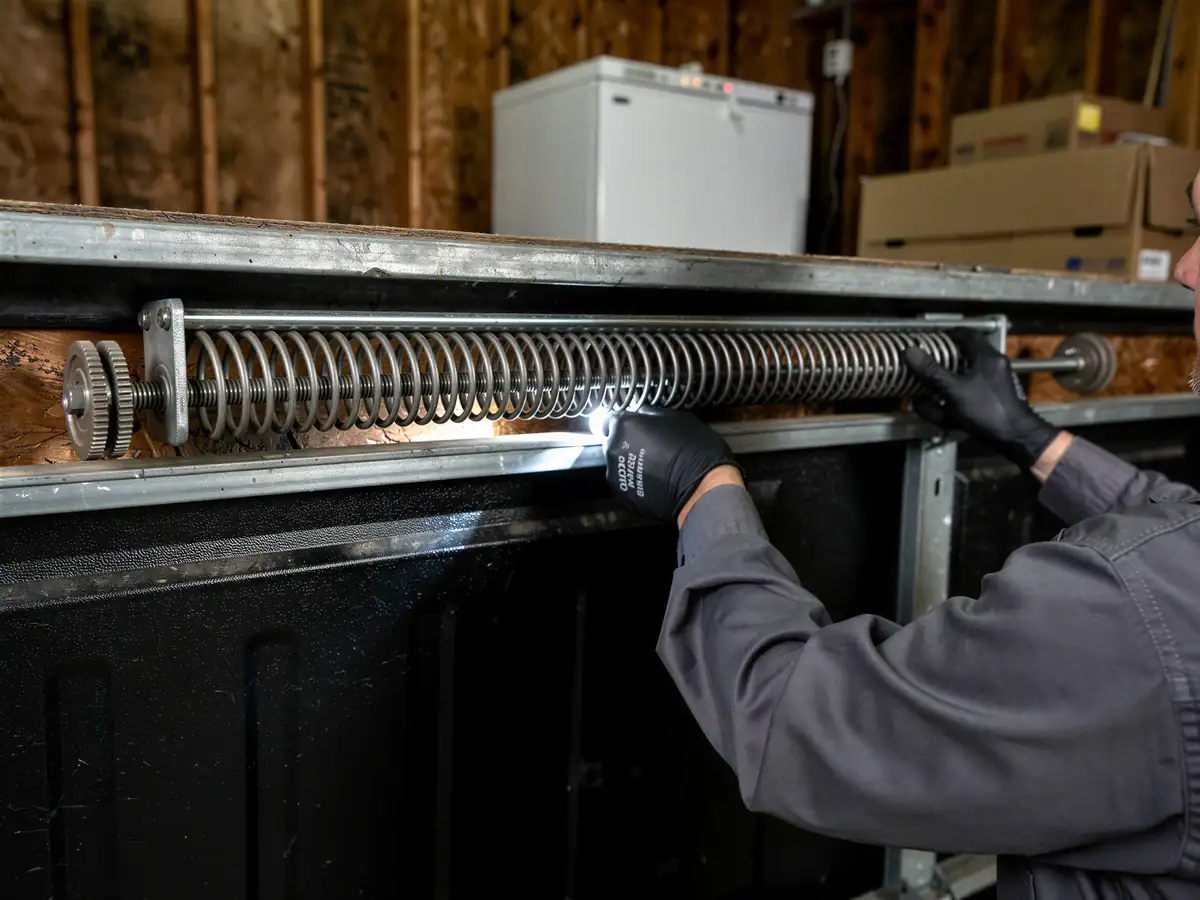
A lot of homeowners can handle weatherstripping and a new remote battery. Installing a new door is a different job. The door itself is heavy, the torsion spring is under enough tension to break a bone or worse if it lets go while you're working on it, and getting the track plumb on an opening that's settled over 30-40 years takes more than eyeballing it. If your house falls in that common 1980s-90s build range here, there's a decent chance the opening has shifted slightly from the original framing, and a door that isn't set true to a crooked opening will bind, wear unevenly, and come back to bite you within a year or two. We'll say plainly: if you're comfortable swapping a garage door opener on your own, that's reasonable. Hanging a new sectional door and balancing it to spring tension that matches the door's actual weight is not a Saturday project we'd recommend doing solo.
What the Repair Takes
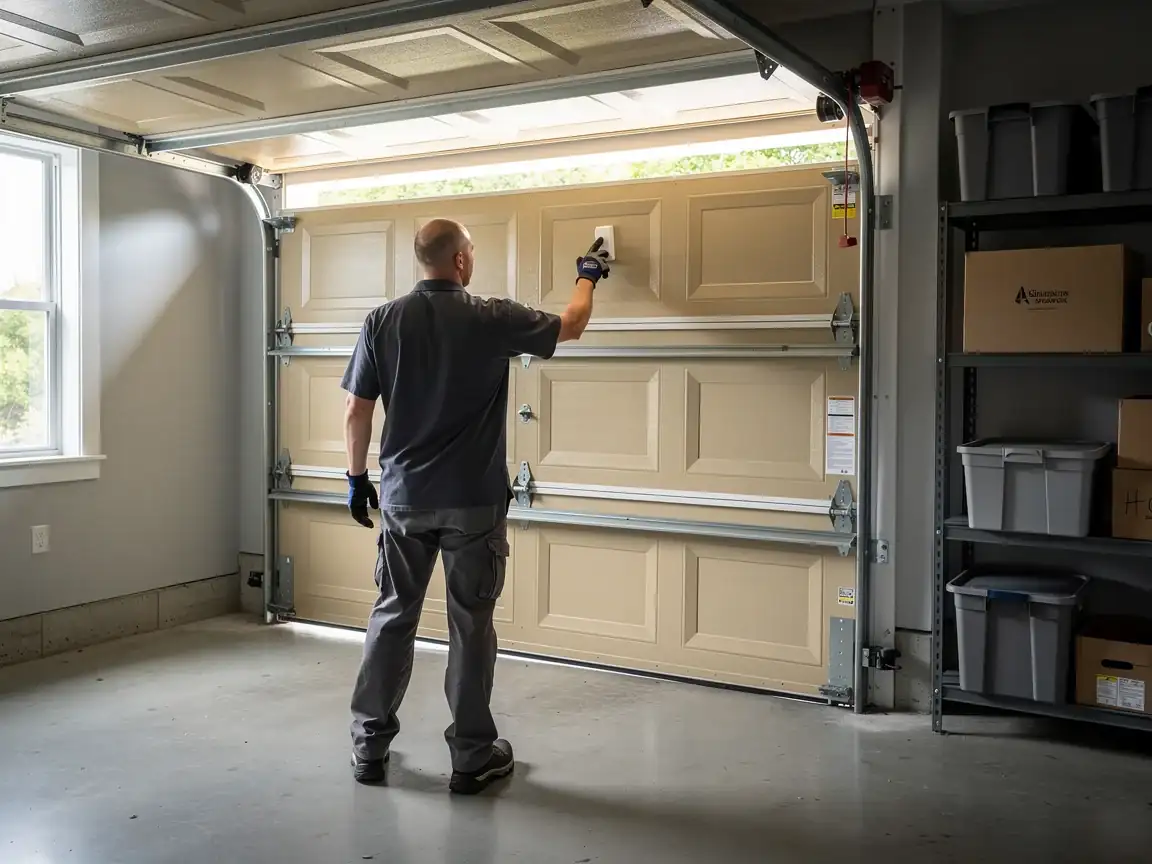
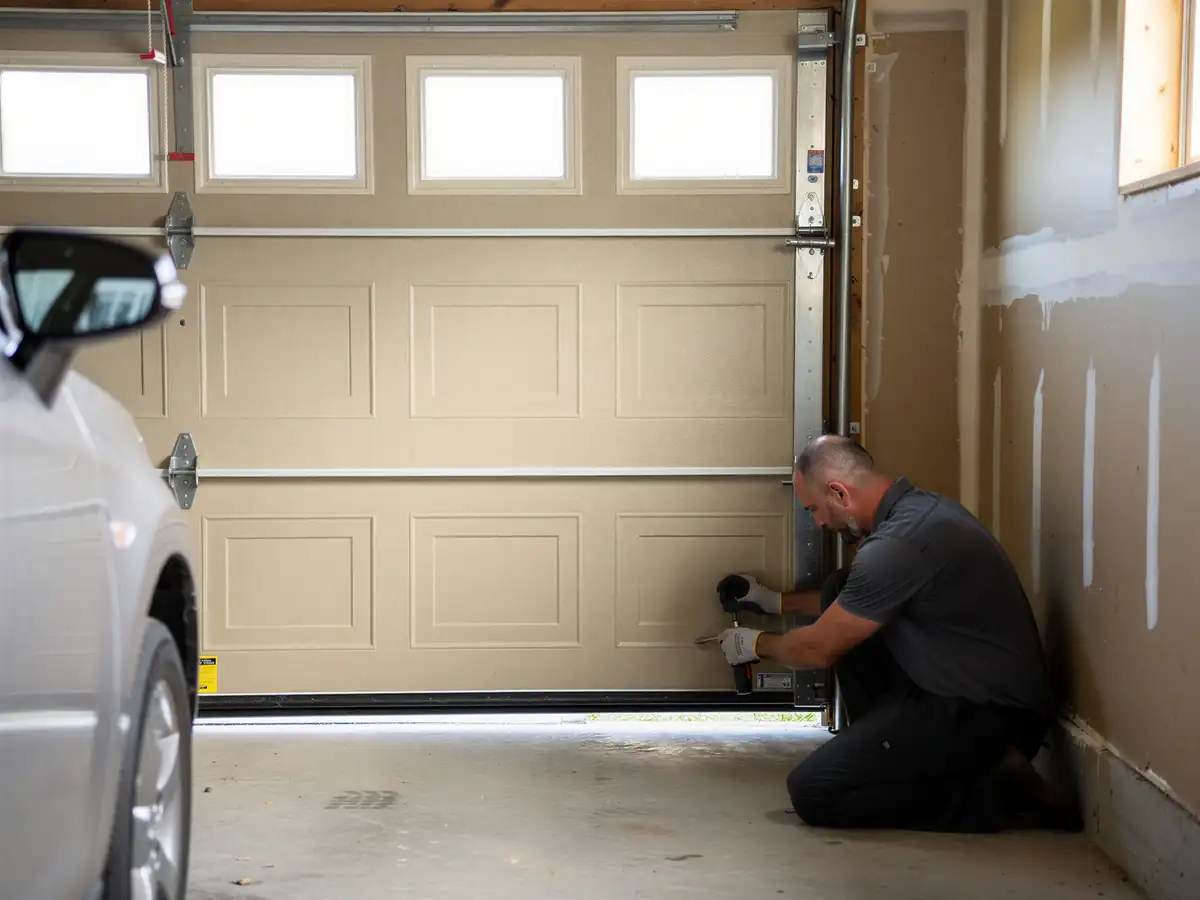
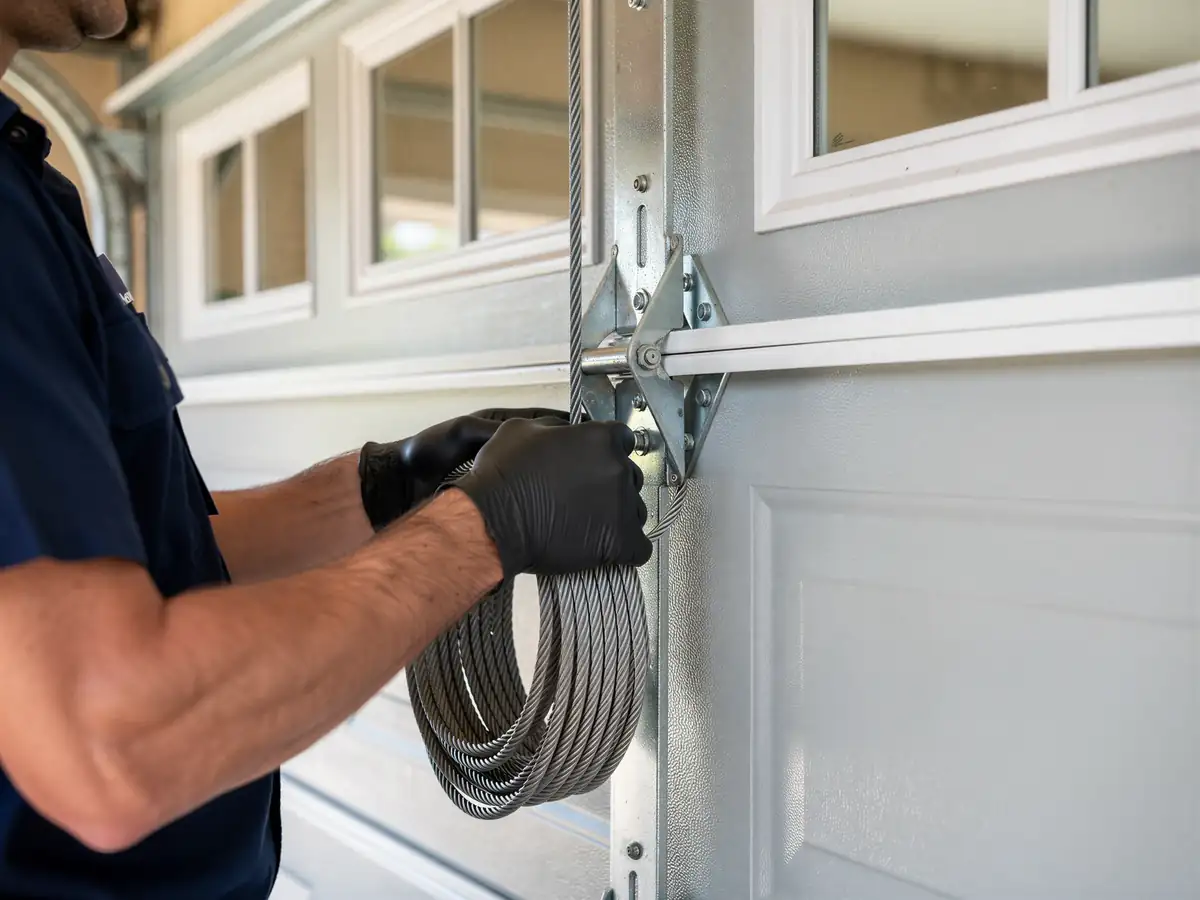
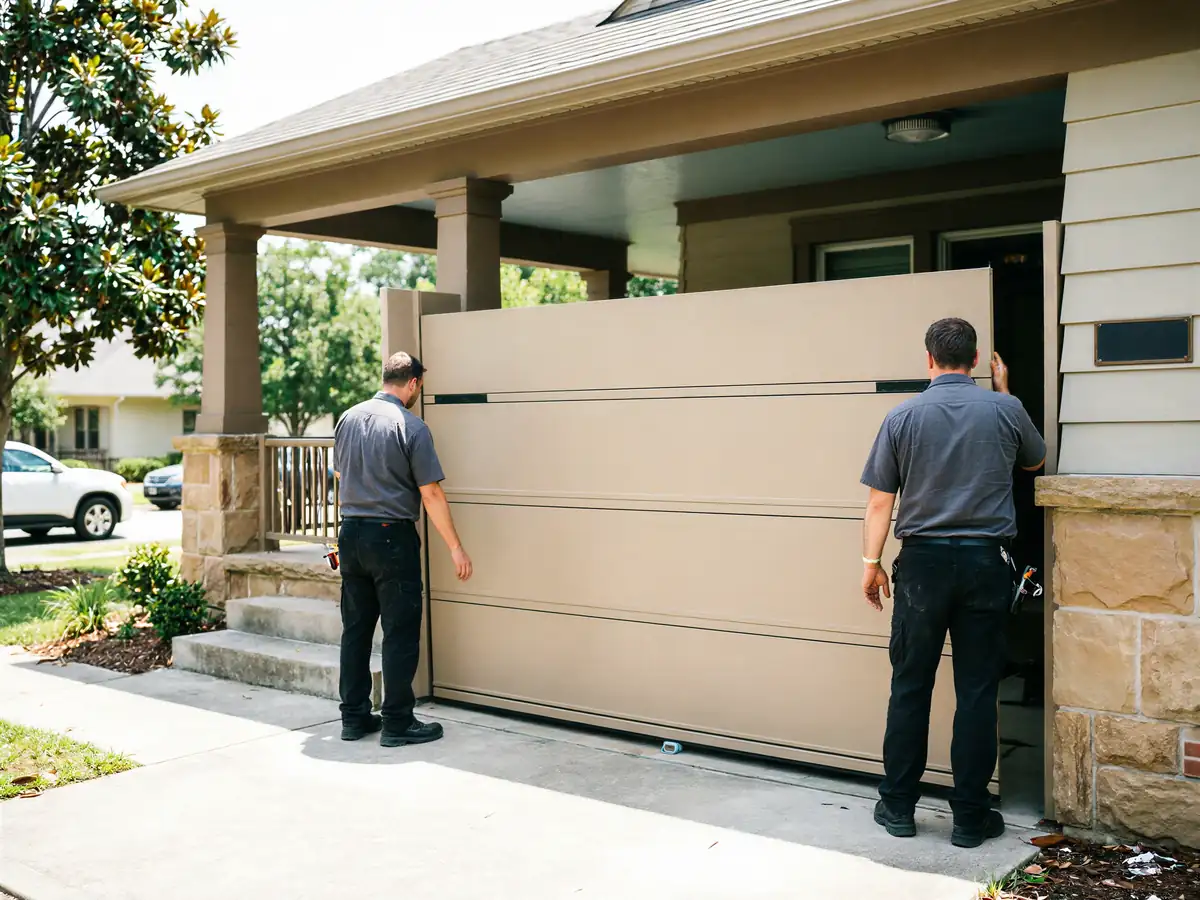
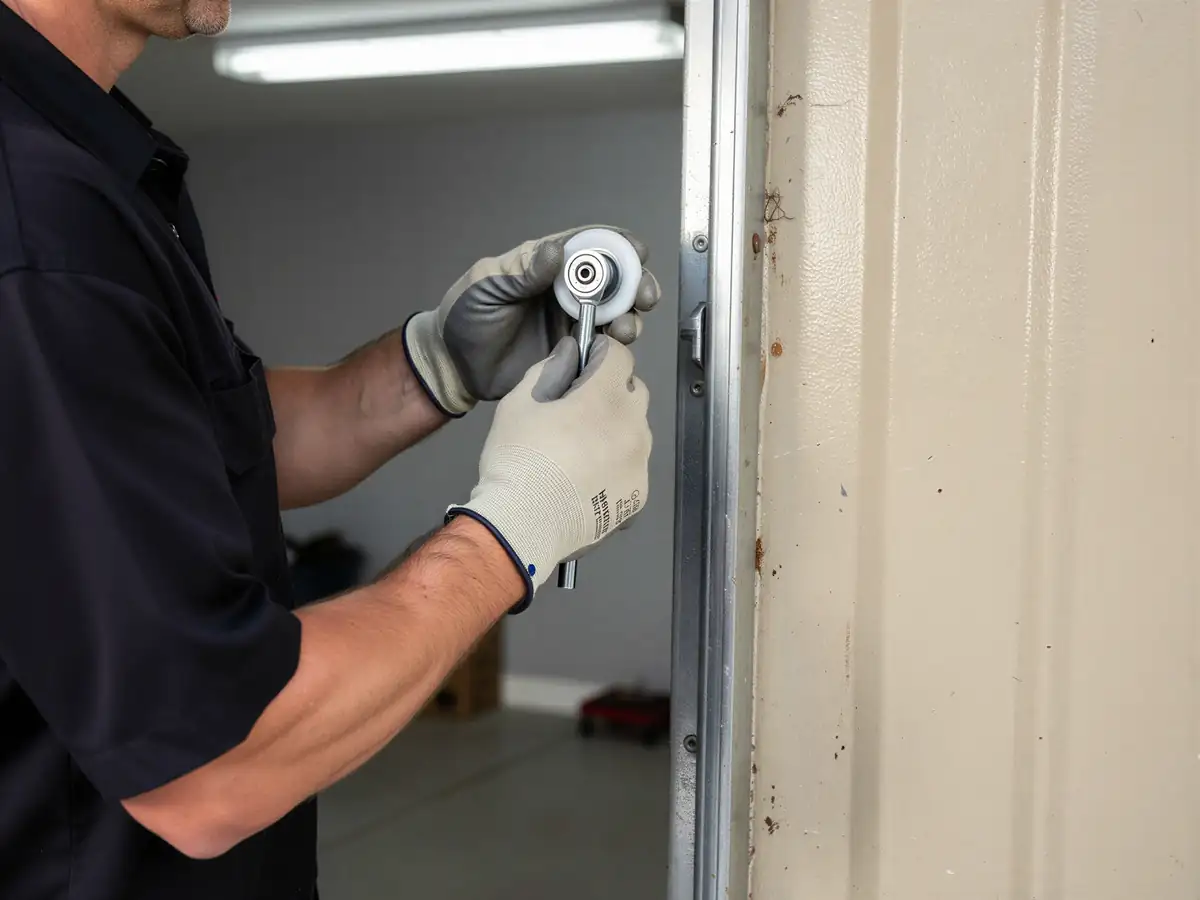
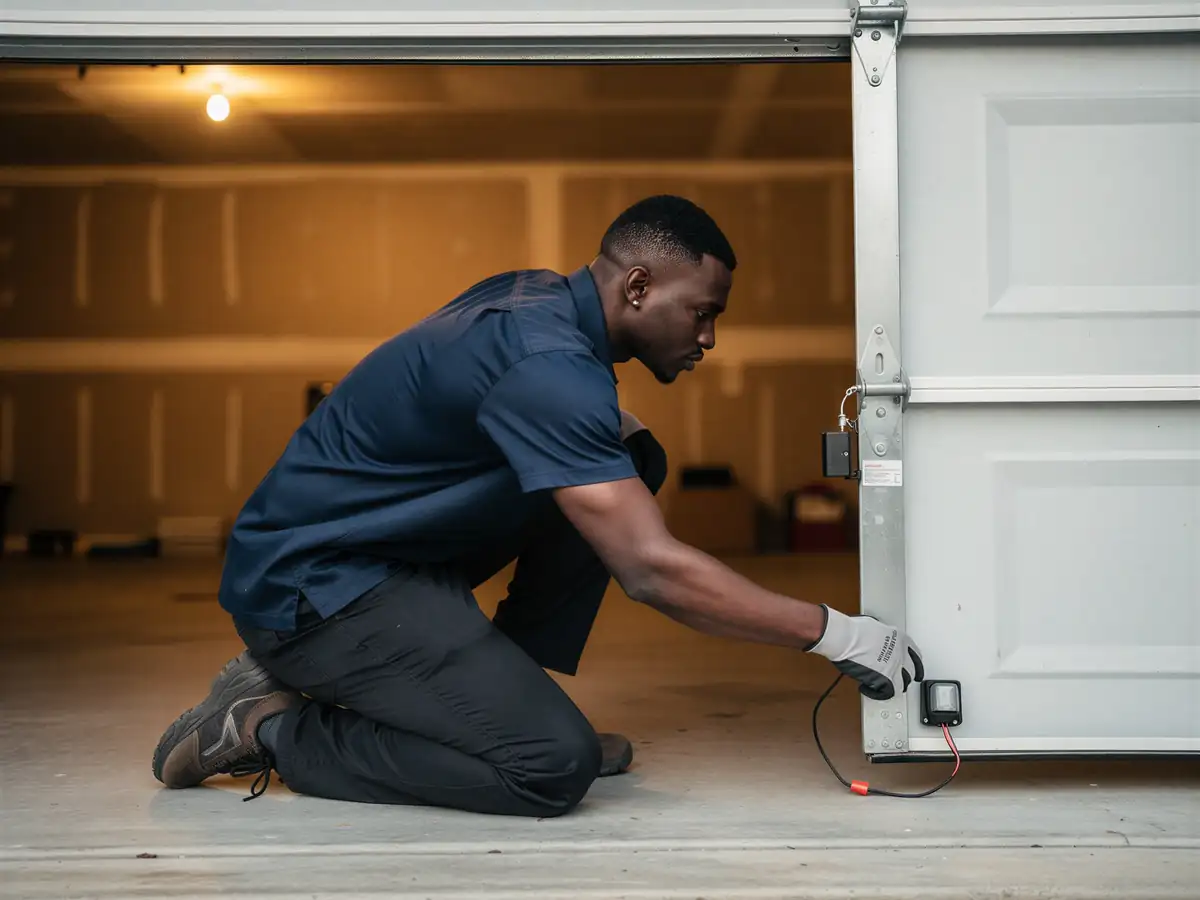
An installation job on a typical Hendersonville house starts with pulling the old door and checking the opening and jamb for square and rot before anything new goes up. If the house is in that 1958-2005 build window, we're often also swapping the track and spring system rather than reusing it, since original hardware sized for an older, lighter door won't hold a new insulated panel correctly. We set the new door, balance the spring to the actual door weight, align the track, and test the opener's force and travel limits against the new door rather than the old settings. One honest limitation: if your opening has structural damage - a rotted header or a jamb that's out of square by more than a small margin - that's carpentry work outside what a door installation covers, and we'll tell you before we quote the door itself so you're not surprised later.