How It Shows Up
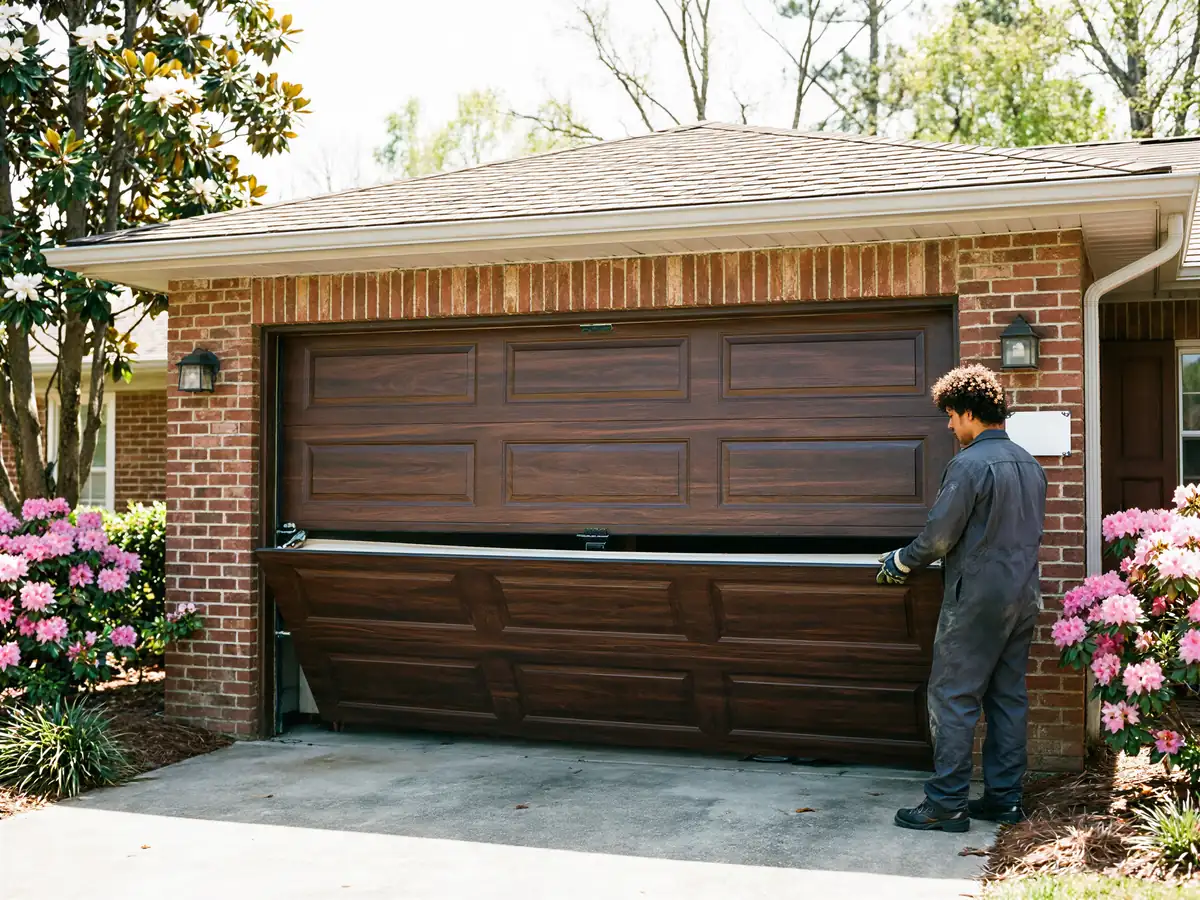
The door starts with a grinding sound right as it clears the bottom bracket, then gets louder every time you open it. Sometimes it's a single rough spot in the travel - the door catches, jerks, and keeps going. Other times the whole run sounds like a shopping cart with a bad wheel. You might see a roller sitting crooked in the track, flat on one side where it used to be round, or you'll find small chips of nylon on the garage floor under the track. If a roller has actually come apart, the door can bind hard enough that the opener strains or reverses mid-cycle. None of this fixes itself, and a roller that's shedding material is usually close to jumping the track entirely, which turns a $20-a-roller fix into a bent track and a service call.</p>
Most owners notice it first thing in the morning or after a cold snap, which isn't a coincidence - it's the next section.
Why This Fails Locally
A lot of the housing stock across this service area was built between 1958 and 2005
With the bulk of it going up in the 1980s and 90s across the thirteen named areas we work in. Doors from that era were built with steel rollers on steel track as standard equipment - cheap, loud, and fine for a decade or two, but nothing in that hardware was built to run quiet or last the life of the house. Thirty-plus years on, a huge share of garages here still have the original roller sets, just worn down a few thousand cycles too far.</p>
The cold-moderate climate adds to it
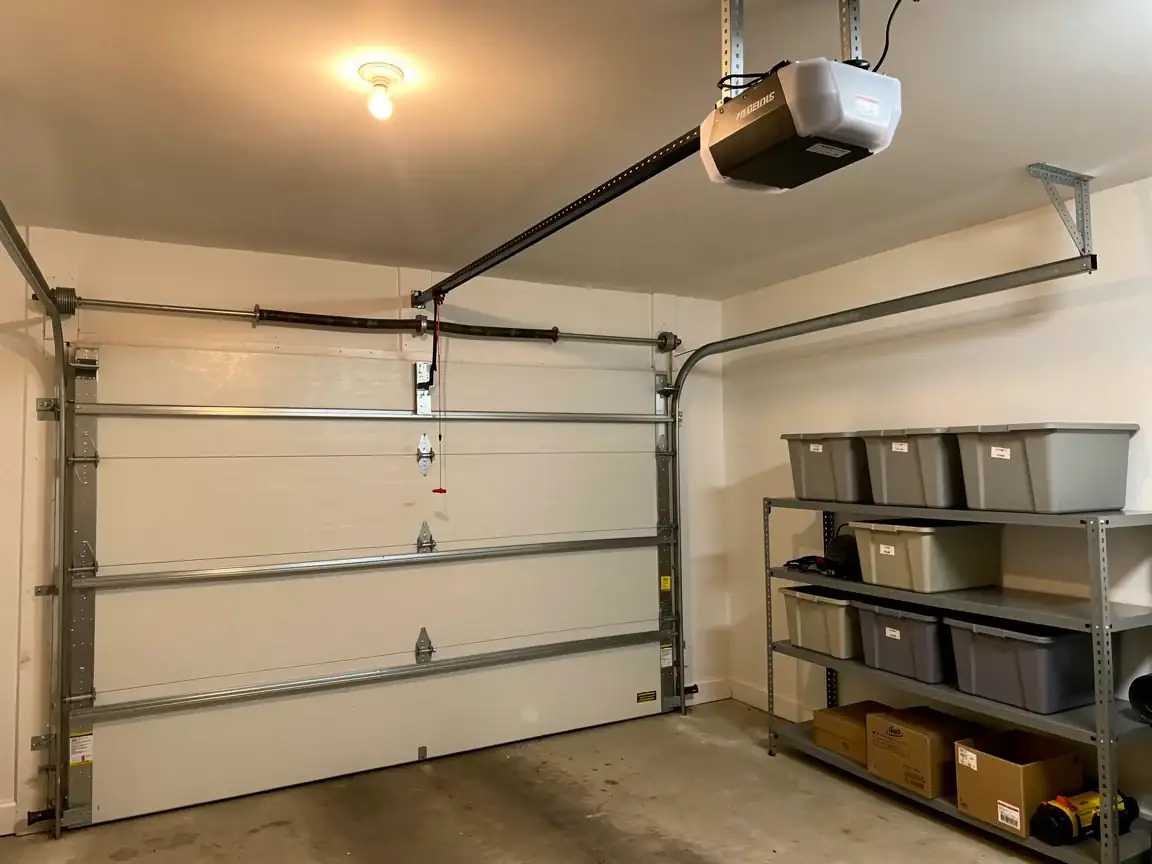
Steel rollers and steel track both contract in winter, which tightens clearances that were already marginal, and the grease inside an old roller bearing thickens up and stops doing its job right when the door gets used the most - first thing in the morning before the garage has warmed at all. That's when a roller that's been limping along finally seizes or flat-spots. It's less about one bad part and more about thirty-year-old steel hardware meeting a cold start.
The DIY Question
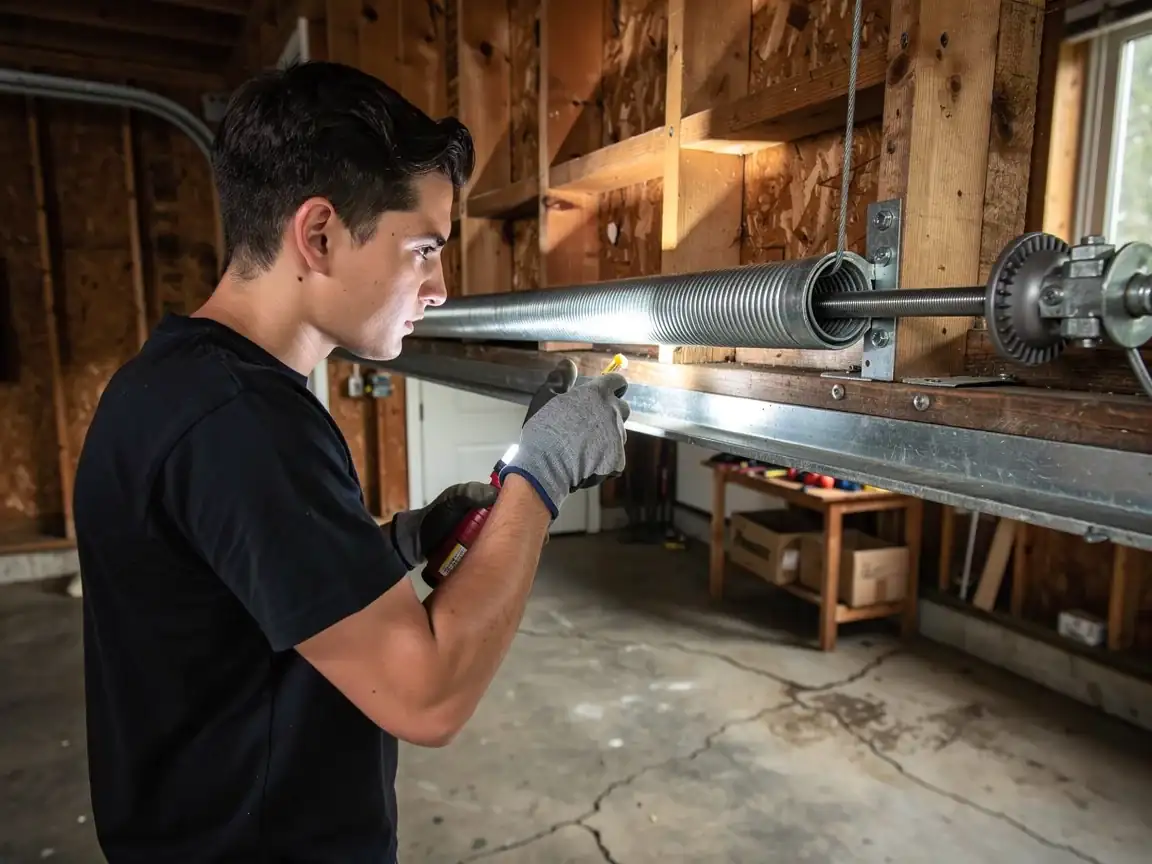
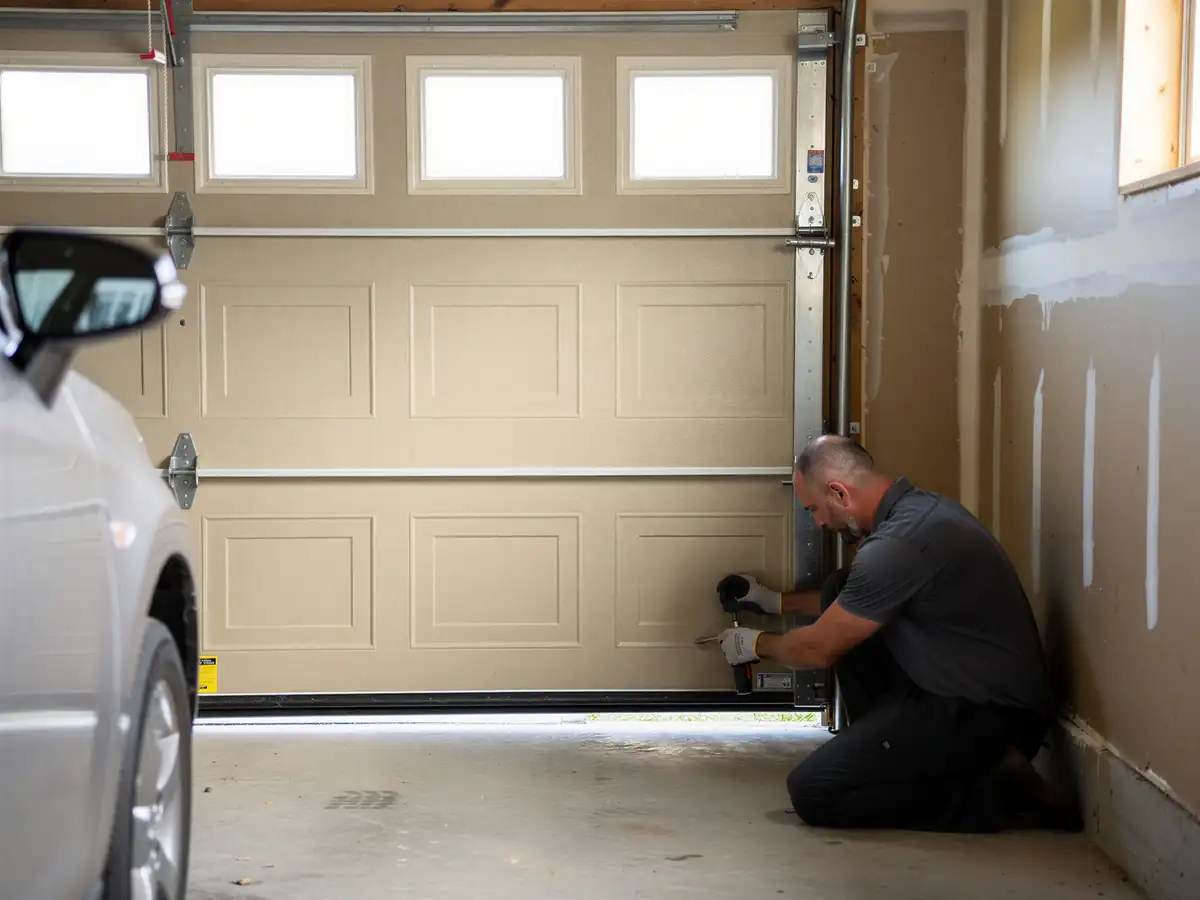
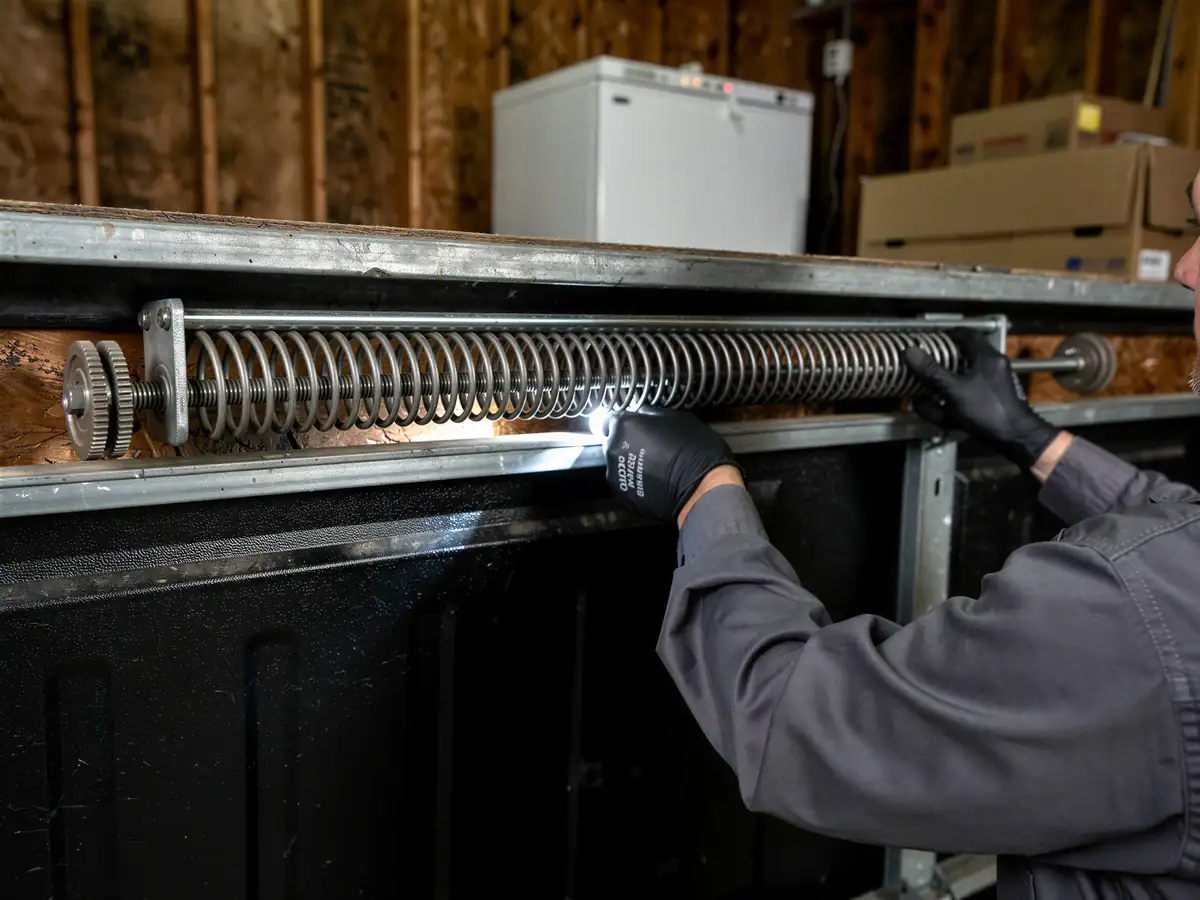
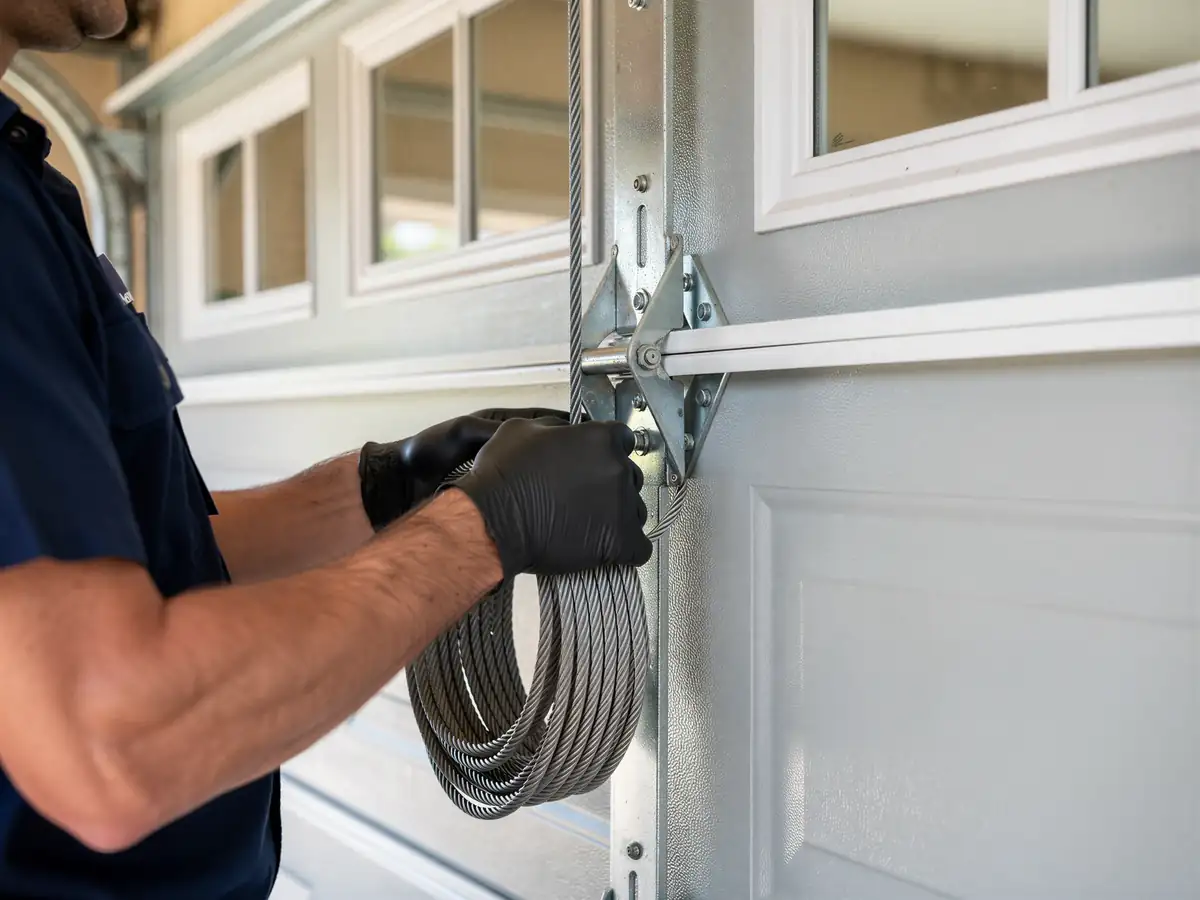
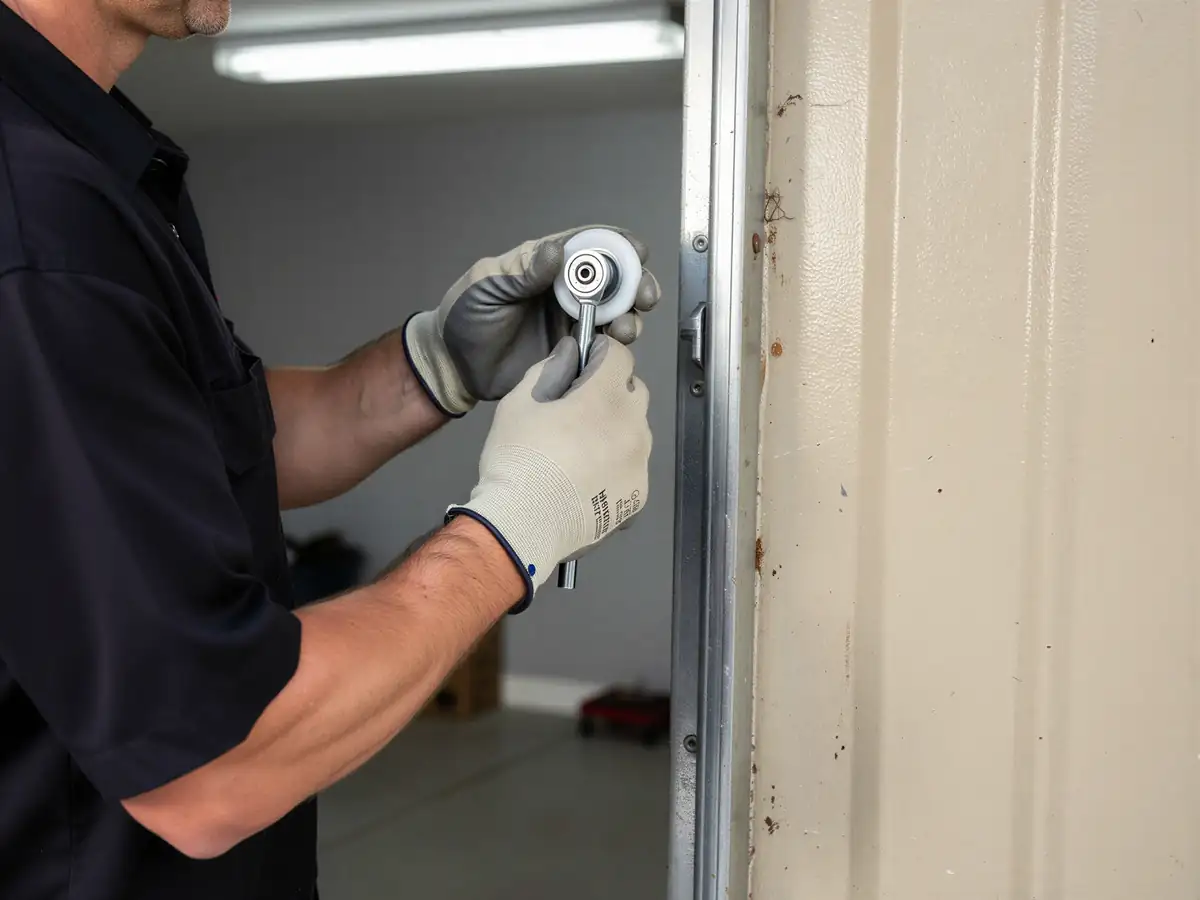
Swapping a roller is within reach for a lot of owners - undo the brackets, slide the old one out, slide the new one in, provided the door is down and the spring is doing its job of holding the weight. Where it gets risky is the top roller on either side of the top panel, because that bracket is tied into the track right where the cable and the end of the torsion system live. Pull the wrong bracket with the door up, or with a spring that's already weak, and the panel can drop.</p>
We'll also say plainly: if you're swapping one roller because it's loud, check the rest of the set while you're in there. Replacing a single roller in a set that's otherwise original from the 1980s or 90s means you're back in the garage in a year doing the next one. It's not a hard rule, just what we see when we get called back.
What the Repair Takes
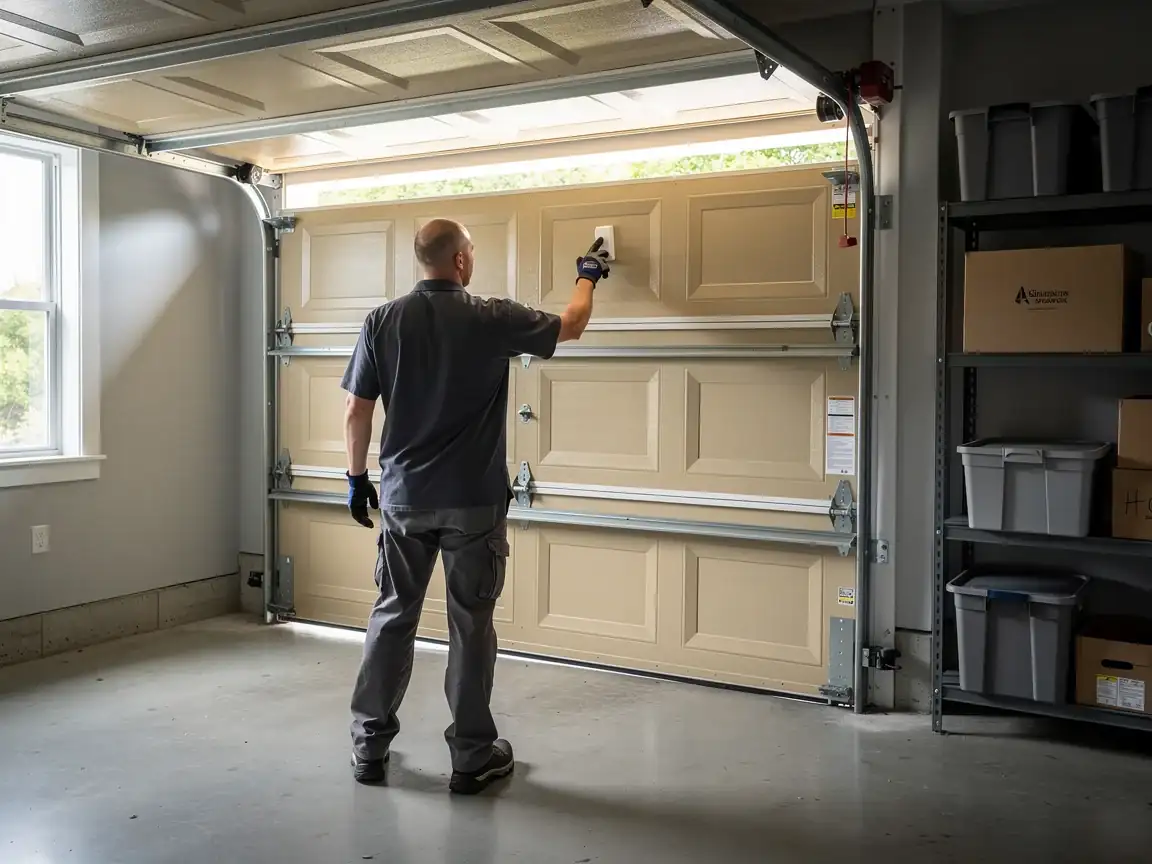
A full roller replacement is a full-set job - all ten rollers, nylon with sealed bearings instead of the original steel, which run quieter and don't flat-spot the way steel does over a cold winter. We check the track alignment at the same time, since a roller that's been grinding for months can wear a groove into the track itself, and a new roller in a worn track will just go bad again. Brackets get inspected too, especially the top ones, since those take the most load.</p>
Most jobs are a single visit with no special-order parts, since nylon rollers in standard sizes are stock items. Where it runs longer is when the track itself needs replacing alongside the rollers - that's a bigger job and we'll walk you through it before any work starts, not after.