What We Will Not Take On
We don't keep a depot in Green Hill. We run out of Hendersonville, about 5 miles away, and every job here starts with a drive, not a walk-in counter. That means we can't promise a same-hour arrival the way a shop sitting on your street could, and we won't pretend otherwise.
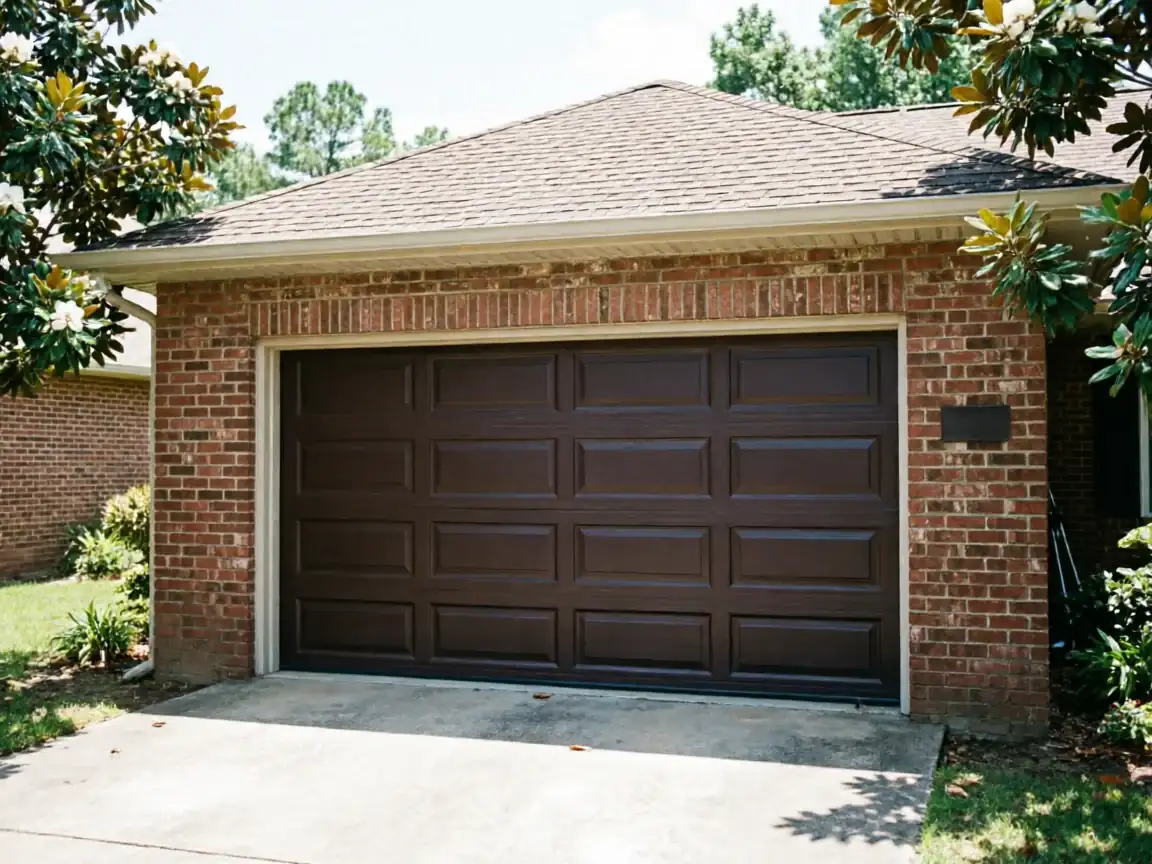
We also won't tell you a 1970s-era door is fine to patch indefinitely just to get a quick job done. A lot of the garage doors in this part of the service area are original or close to it, and once the track is bent, the hinges are stretched, and the bottom panel is rusted through at the same time, patching one thing just moves the failure to the next part. At some point the honest call is replacement, not another repair visit.
What we don't do is guess at parts. Older hardware sometimes isn't something we carry on the truck, and if that's the case we'll say so before we quote the job, not after we've started it.
What That Means for Doors
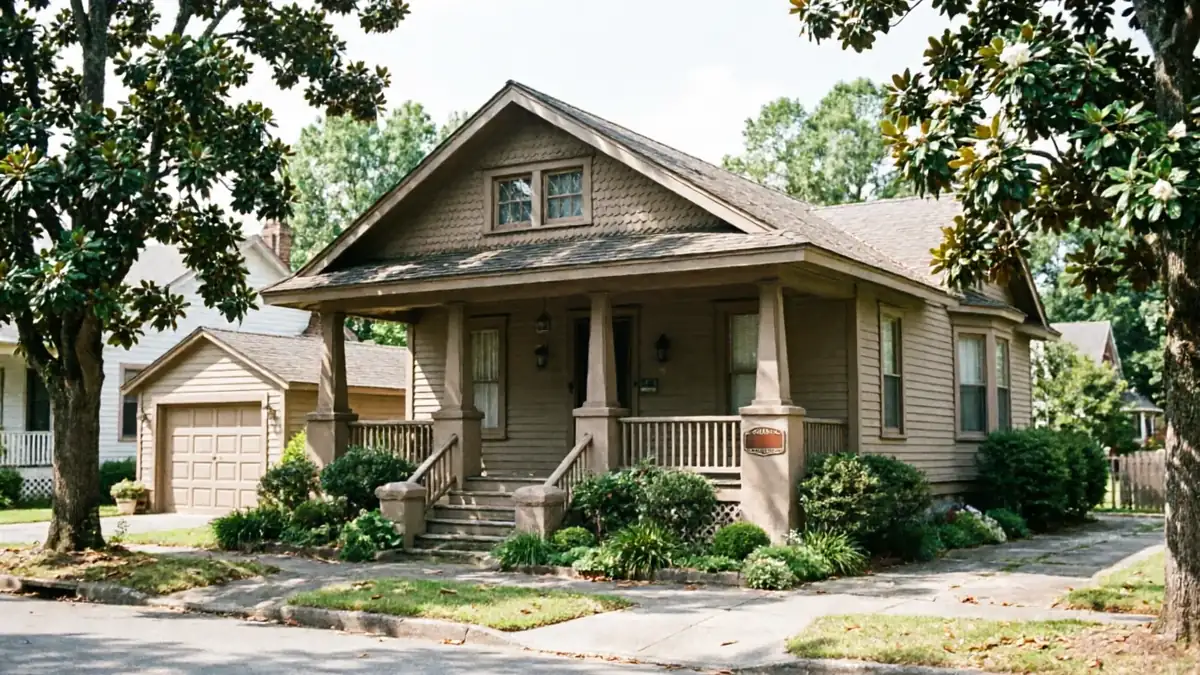
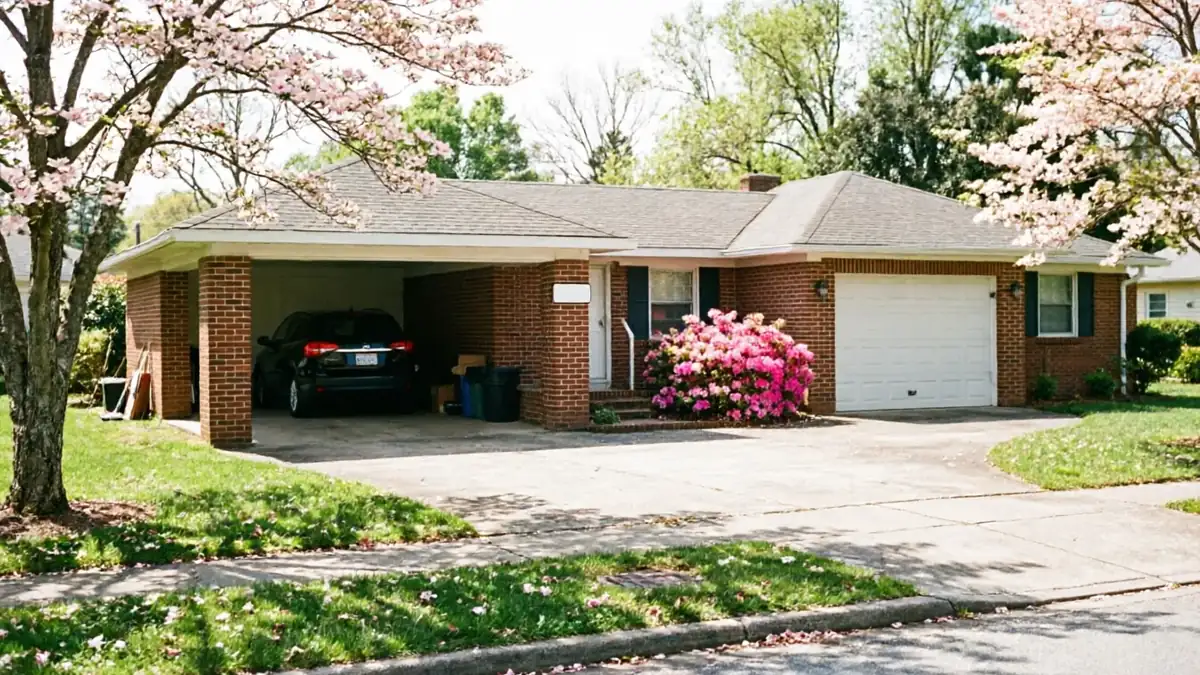
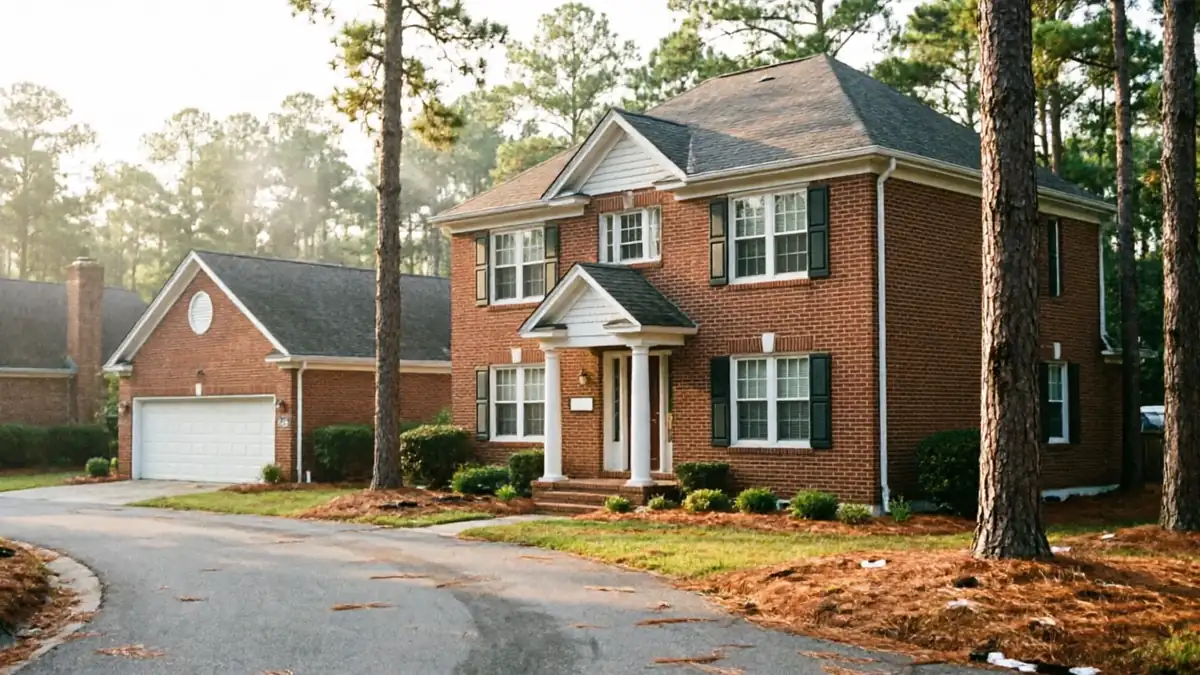
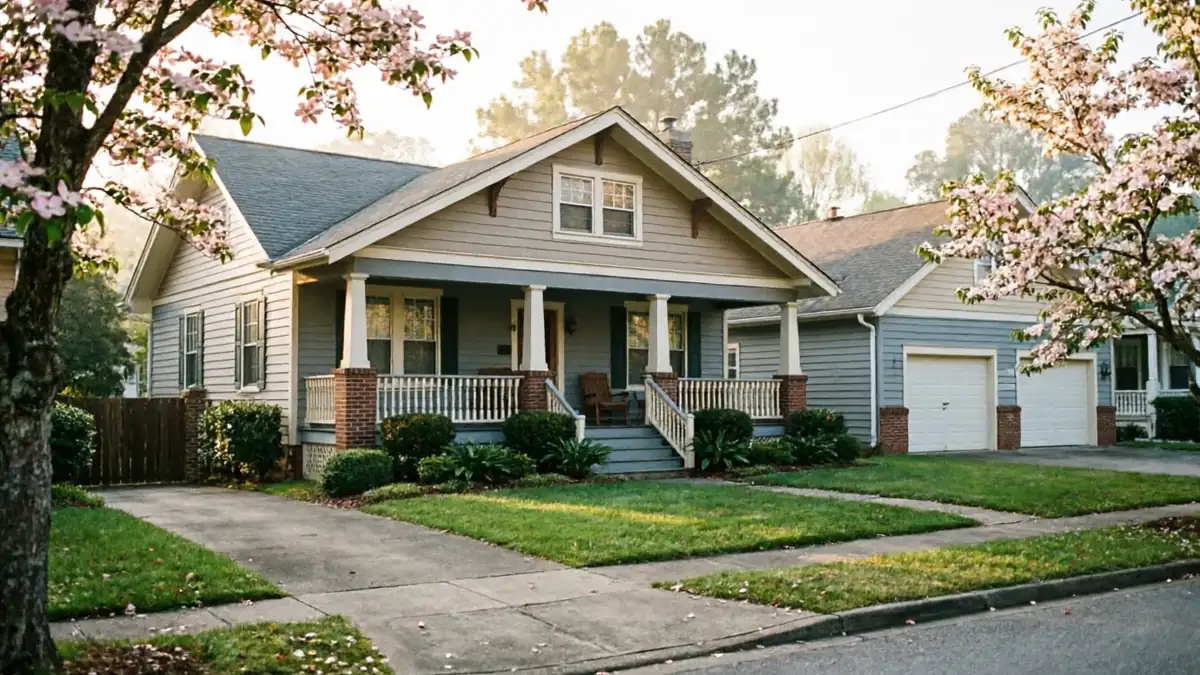
Green Hill's housing dates to around 1978 on the median
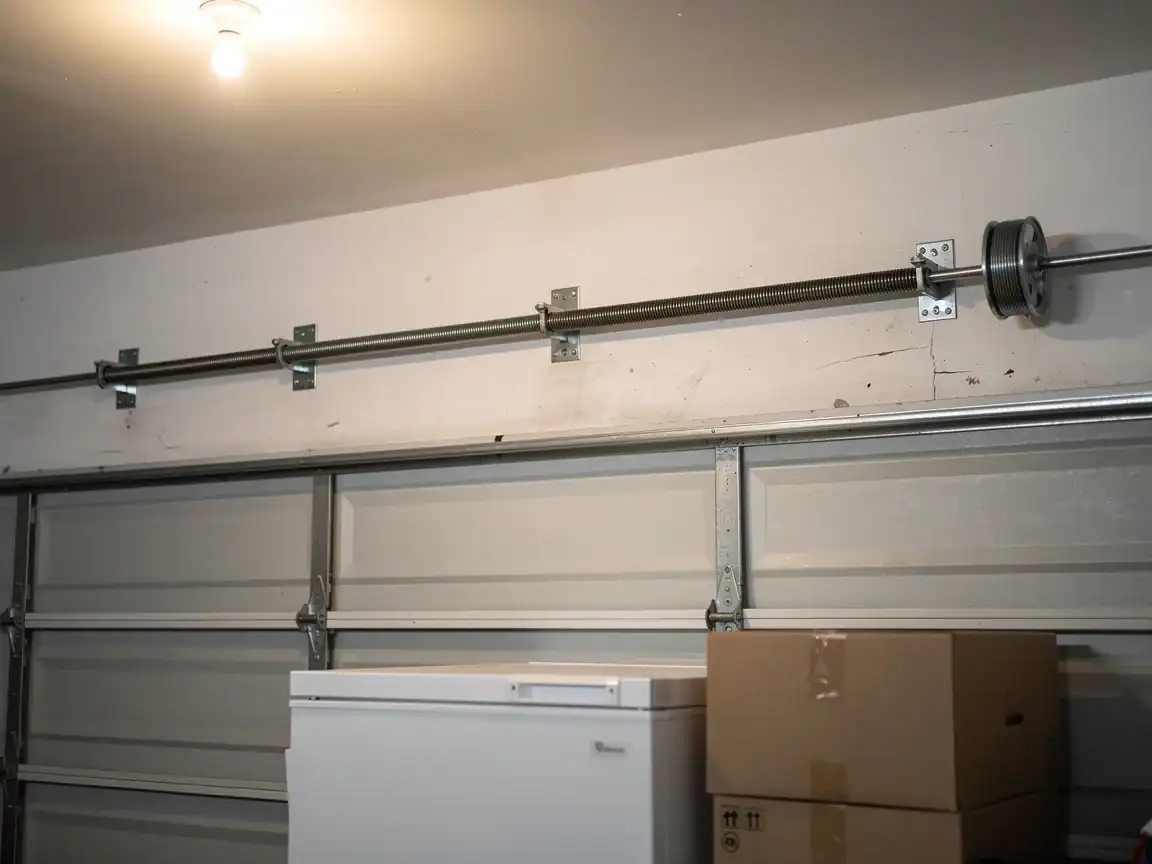
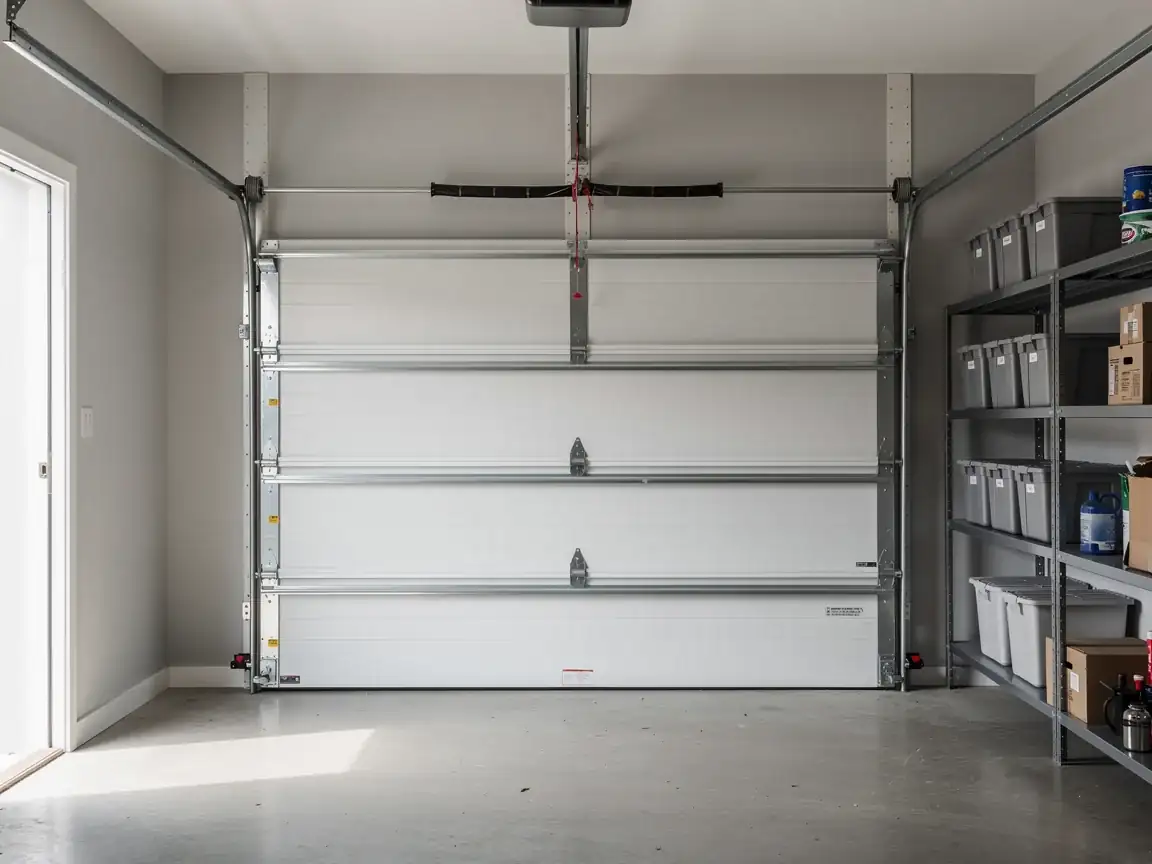
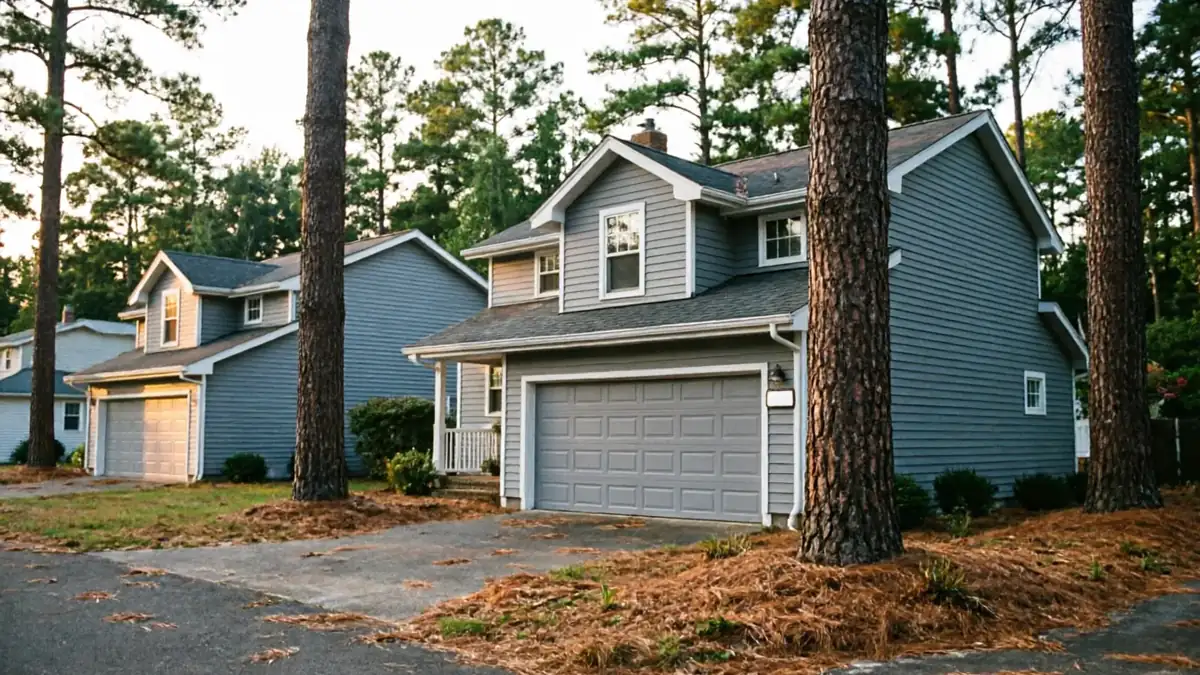
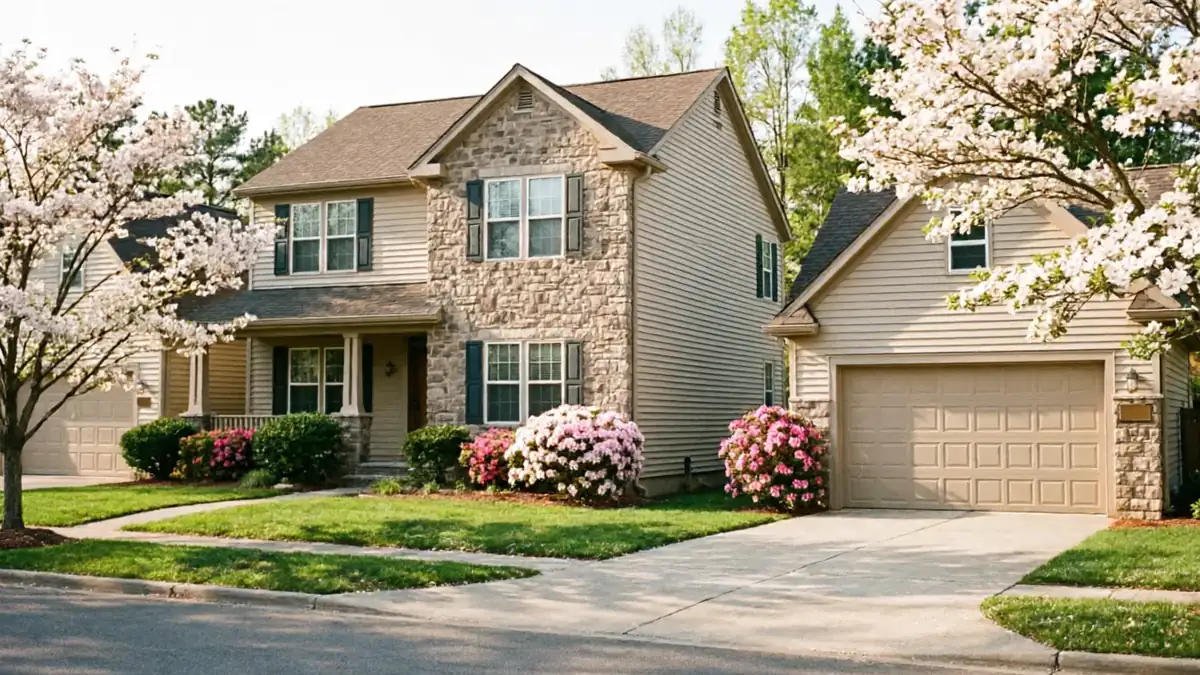
Which puts it noticeably ahead of the 1990 median we see across the wider 13-area territory we cover out of Hendersonville. A ten- to fifteen-year gap in build year is a real gap in hardware: doors from this era are more likely to run on extension springs mounted along the horizontal track rather than the torsion-and-drum setup that became standard in newer construction, and the openers, if original, predate rolling-code safety reversal.
That combination shows up as specific complaints
A door that reverses for no clear reason, frayed safety cables on extension springs that were never meant to carry 30-plus years of cycles, or a opener motor that still works but no longer has a working photo-eye sensor because it was never there to begin with. None of that is a Hendersonville problem or a Green Hill problem specifically - it's a build-year problem, and Green Hill's build year is what it is.
What Was Built Here
With roughly 2,508 households, Green Hill is smaller than most of the other areas we cover, and the median household income here, at $91,397, runs above the $82,308 average across the service area as a whole. That tends to track with homes that have been maintained rather than minimally patched, which we do see reflected in the condition of hardware on service calls - fewer total neglect cases, more cases where one component failed on an otherwise cared-for door.
The climate here sits in the same cold-moderate band as the rest of the territory we serve, which matters for one thing in particular: steel panels and springs that cycle through freeze-thaw swings every winter fatigue faster than the manufacturer's rated cycle count assumes. On a door built in the late 1970s, that fatigue has had a long time to accumulate.
The Usual Work Here
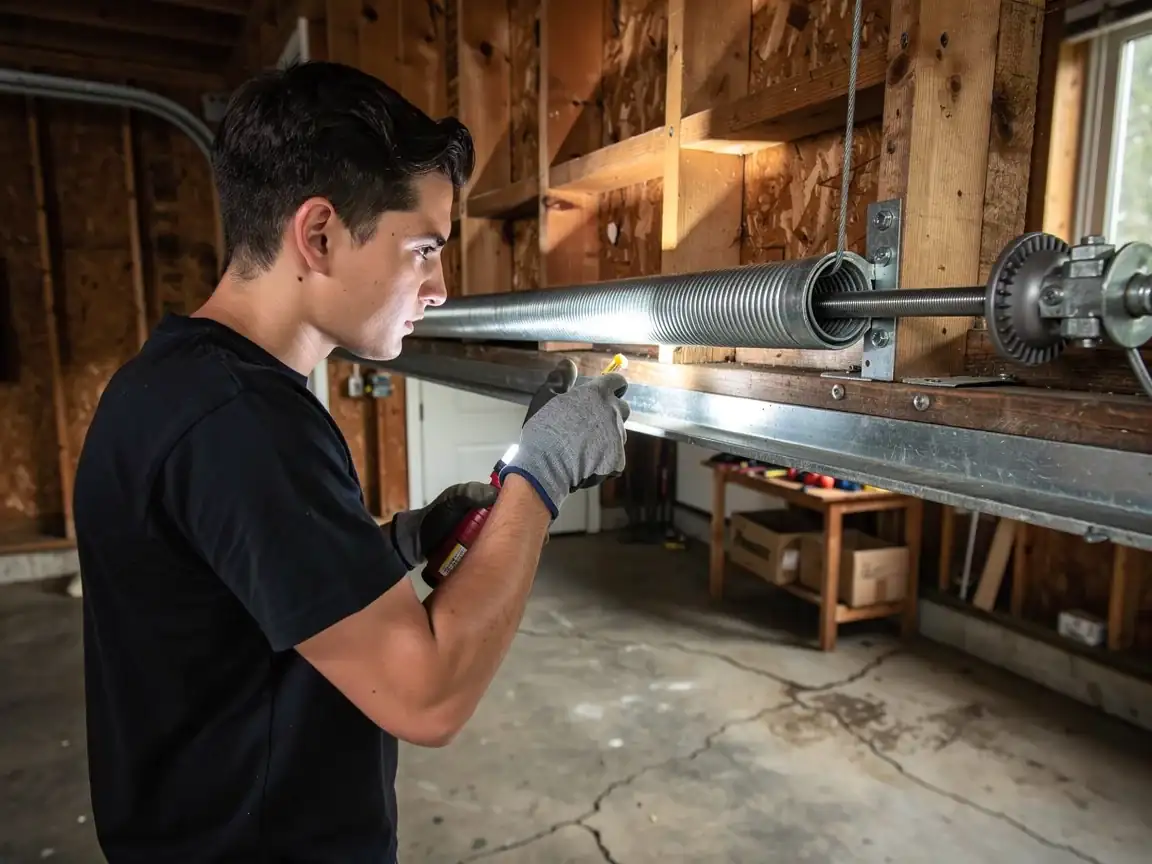
Given the age of the stock, the calls we get from Green Hill lean toward spring replacement on older extension-spring setups, track realignment where decades of panel weight have pulled the vertical rails out of plumb, and opener swaps where the original unit has no safety reversal sensor at all - a straightforward safety upgrade more than a repair.
We also see roller replacement more here than in newer-built parts of the territory: steel rollers on original hardware tend to be the kind that wear loud and rough well before they fail outright, and homeowners often call once the noise becomes impossible to ignore rather than when the roller first starts to go. None of this is exotic work. It's what you'd expect from a door built when Carter was president and never fully modernized since.