The Cost of This Job
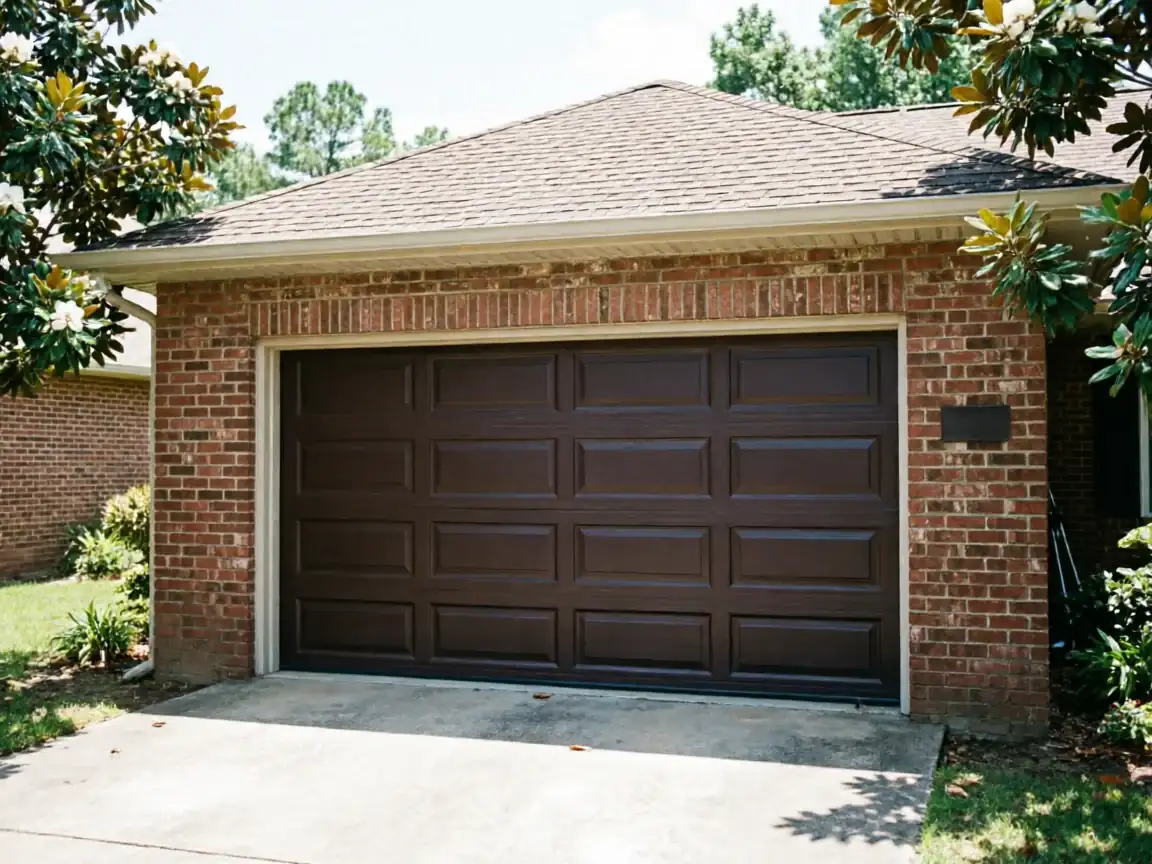
Goodlettsville has about 7,531 households, which is a small enough pool that panel styles repeat block after block. A lot of these houses went up when the area was building out fast, and that shows in the doors: raised-panel steel, short-span tracks, openers sized for a lighter door than what's hanging on them now. We come from Hendersonville, 6 miles over, and the first thing we check isn't the dent - it's whether the manufacturer still makes a panel that matches the embossing pattern on a door from this era. Sometimes it does. Sometimes the whole section has to be swapped because the run was discontinued years back.
Cost swings on that one fact more than anything else. A matched panel on a common 1990s door is a straightforward job. A door where only three of four panels can be sourced new means either a mismatched look or a full door - and we'll tell you which before we quote, not after. Median income here runs lower than some of the surrounding towns in our coverage, and we try to steer people toward the repair that actually makes sense for the door rather than the one that pads a ticket. If replacement costs close to what a full door run would, we say so.
How It Shows Up
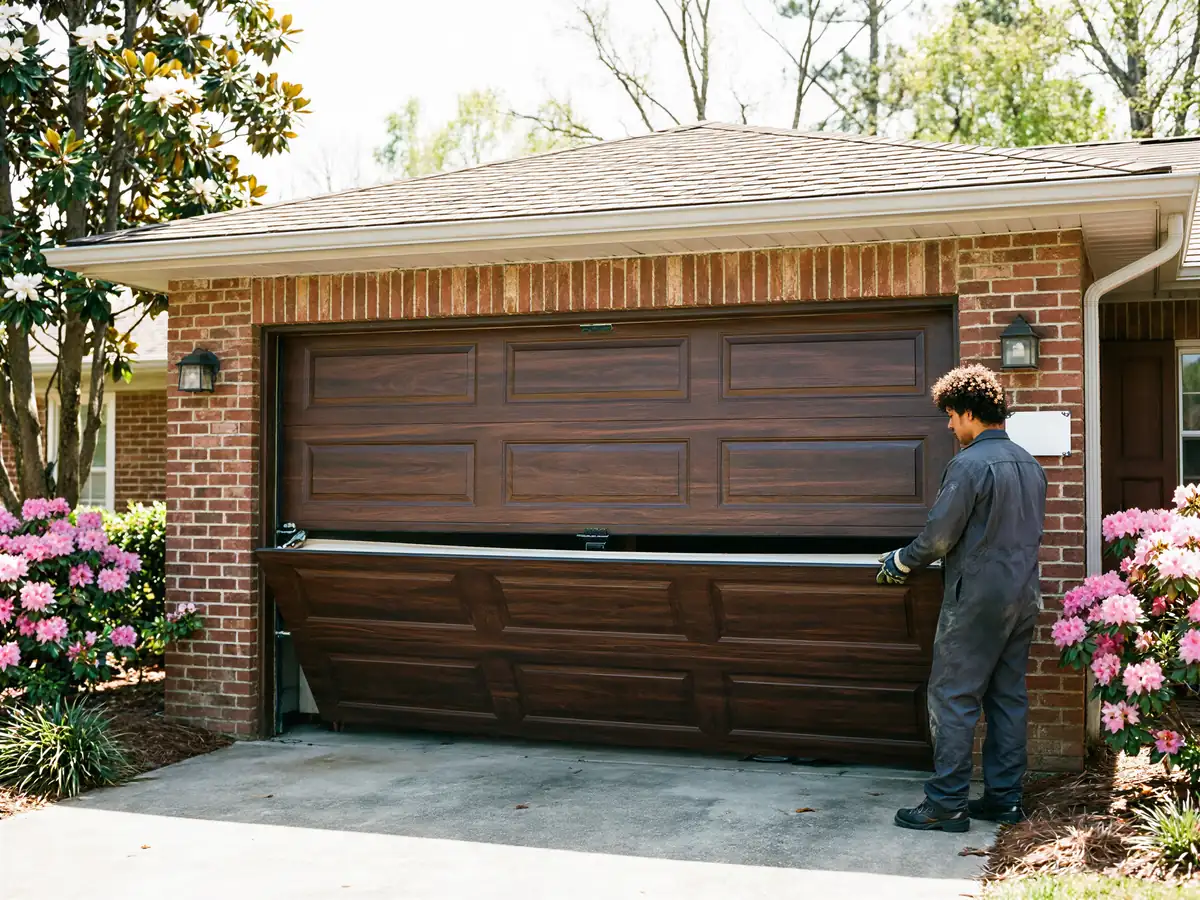
The panel damage we see in Goodlettsville tends to follow the housing stock
Doors from the late 1980s and early 1990s used thinner steel skins than what's made today, so a mower, a trailer hitch backing in wrong, or just thirty-plus years of freeze-thaw cycling leaves a crease rather than a clean dent. Cold-moderate winters here mean the steel contracts enough each year that an old crease works itself into a stress crack at the seam - you'll see it as a hairline split along the panel's bottom edge before the section ever actually fails.
On doors built closer to 2000, the panels are a little heavier gauge and hold up better to the same hit
But the foam-core insulation inside tends to separate from the skin with age, so a panel can look fine from the driveway and still be delaminating on the inside. We check for that with a flashlight along the bottom seam, not just a visual from six feet back.
What the Repair Takes
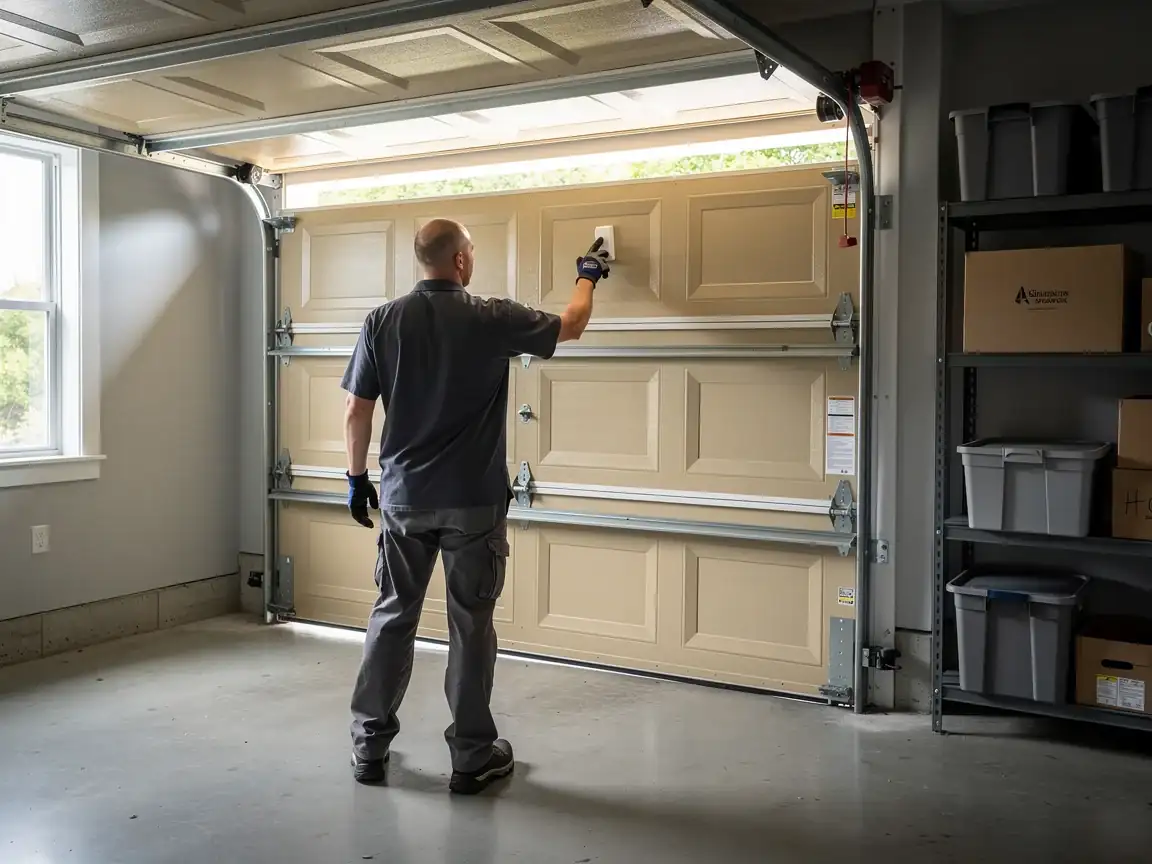
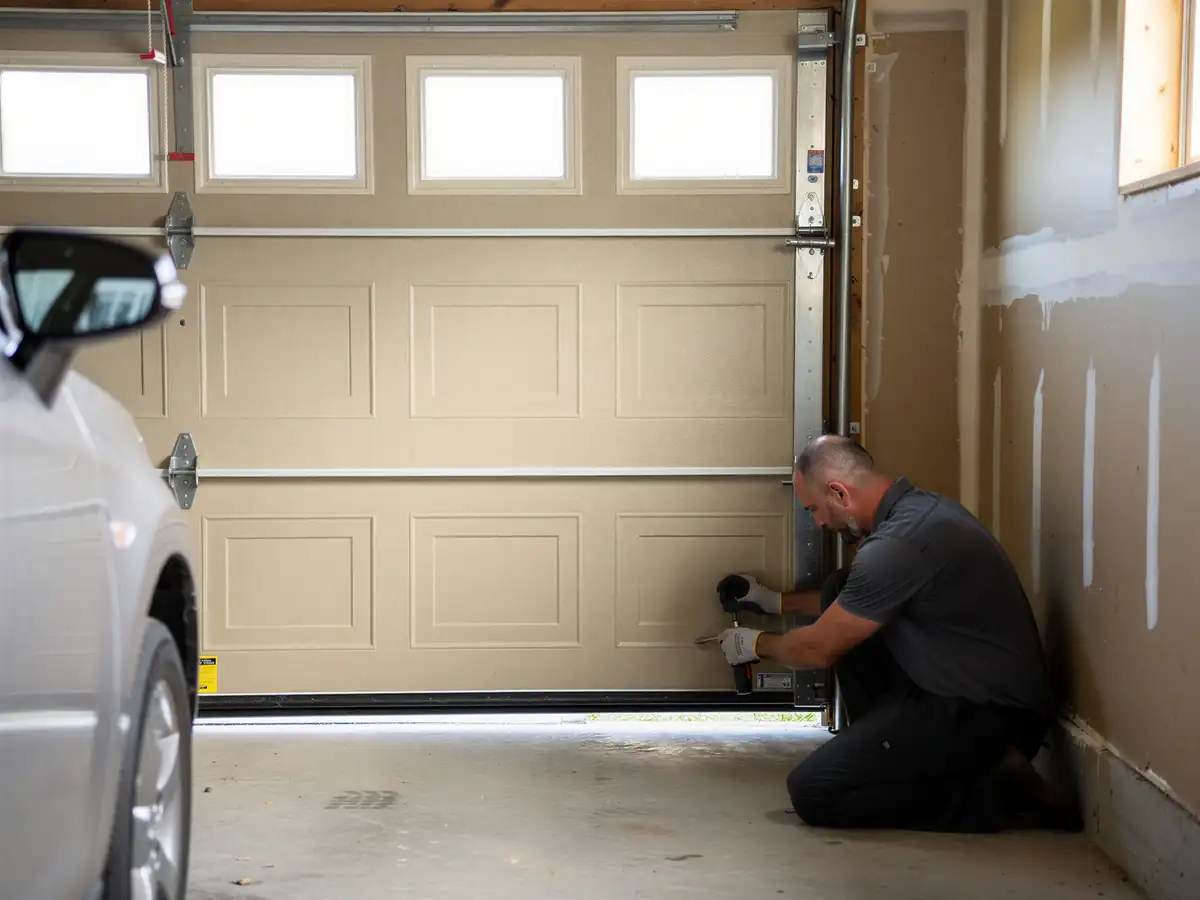
We pull the model and section number off the inside of the door before anything else - on houses this age that number's often worn or painted over, so it takes a flashlight and sometimes a wire brush. If the panel's in production, we order it, pull the damaged section's rollers and hinges, and swap it on site; that's usually a same-visit job once the part's in hand. If it's been discontinued, we look at ordering a close match in gauge and finish, which almost never matches the embossing exactly, or we requote for a full door.
One honest limit here: we don't keep a stock of every discontinued panel pattern from the 1980s and 90s on the truck. Lead time on a special-order panel from a supplier can run longer than the repair itself, and we'll tell you that up front rather than let you wait and wonder.
What Can Go Wrong
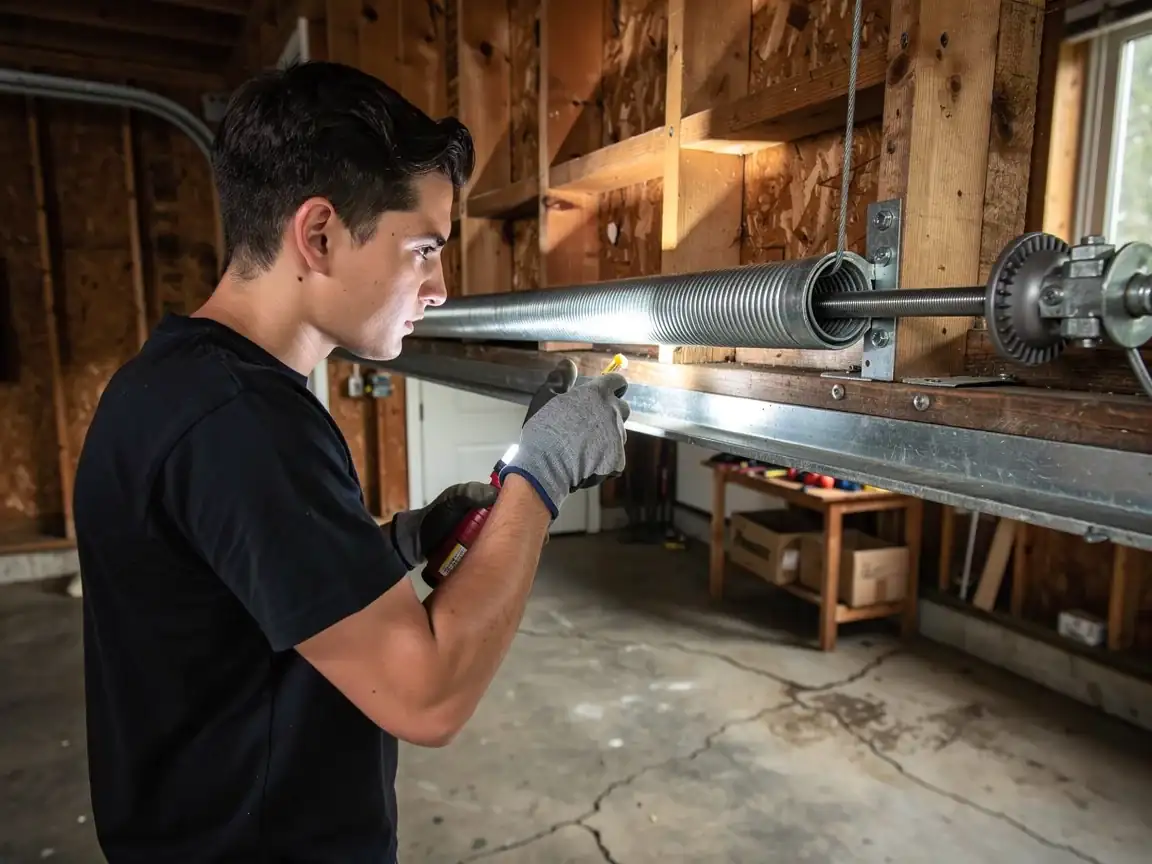
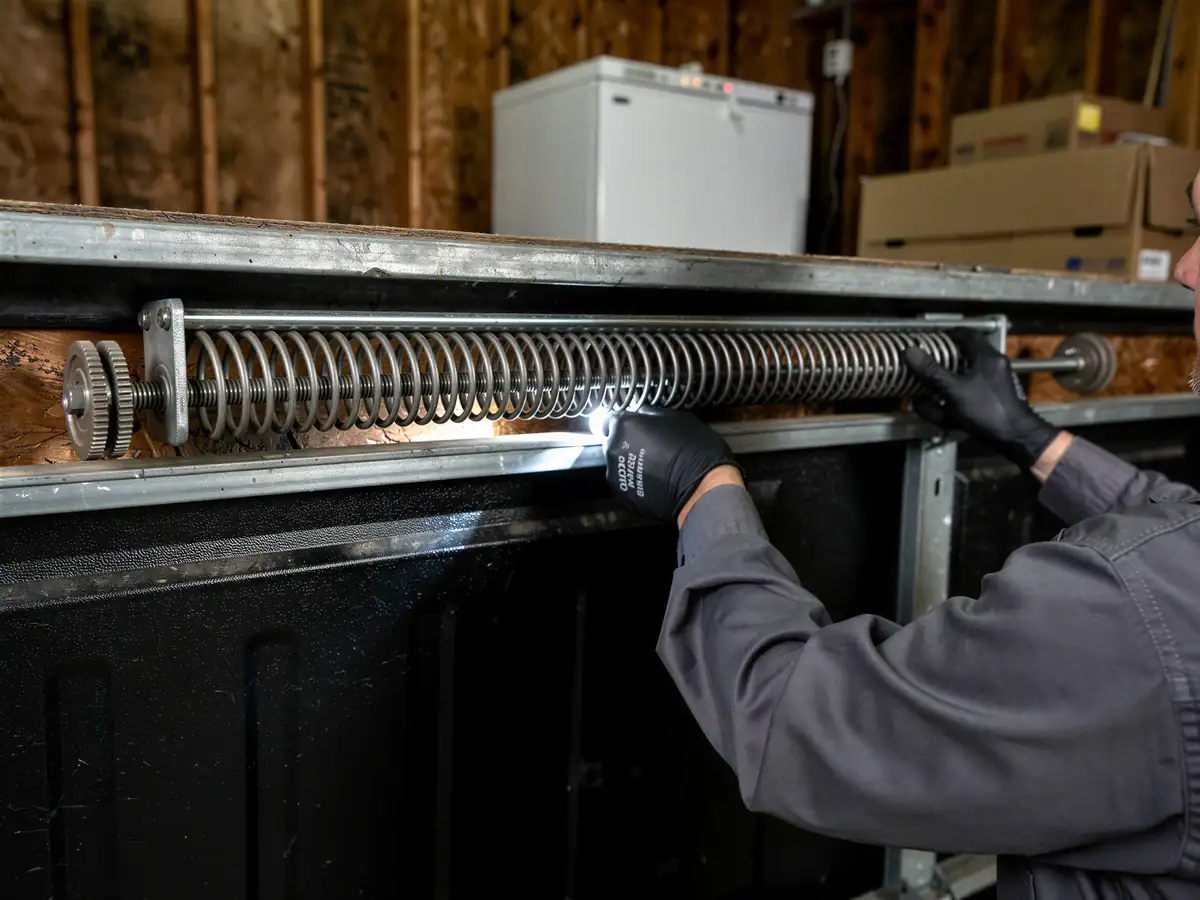
The biggest risk on a panel swap isn't the panel - it's the track and hardware around it. On a door built when this part of town was going up, the track is often original, and pulling one section's hinges to replace it can reveal that the roller stems have worn the track wide enough that the whole run needs resetting, not just the one panel. We've also seen torsion springs sized for the original lighter-gauge door struggle once a heavier replacement panel goes in, which throws the door's balance off and puts strain on the opener.
The other failure point is cosmetic rather than structural: a panel ordered in the wrong finish year reads as an obvious patch from the street. We match by section number first, finish second, and tell the homeowner when an exact match isn't possible before we order anything.