Why This Fails Locally
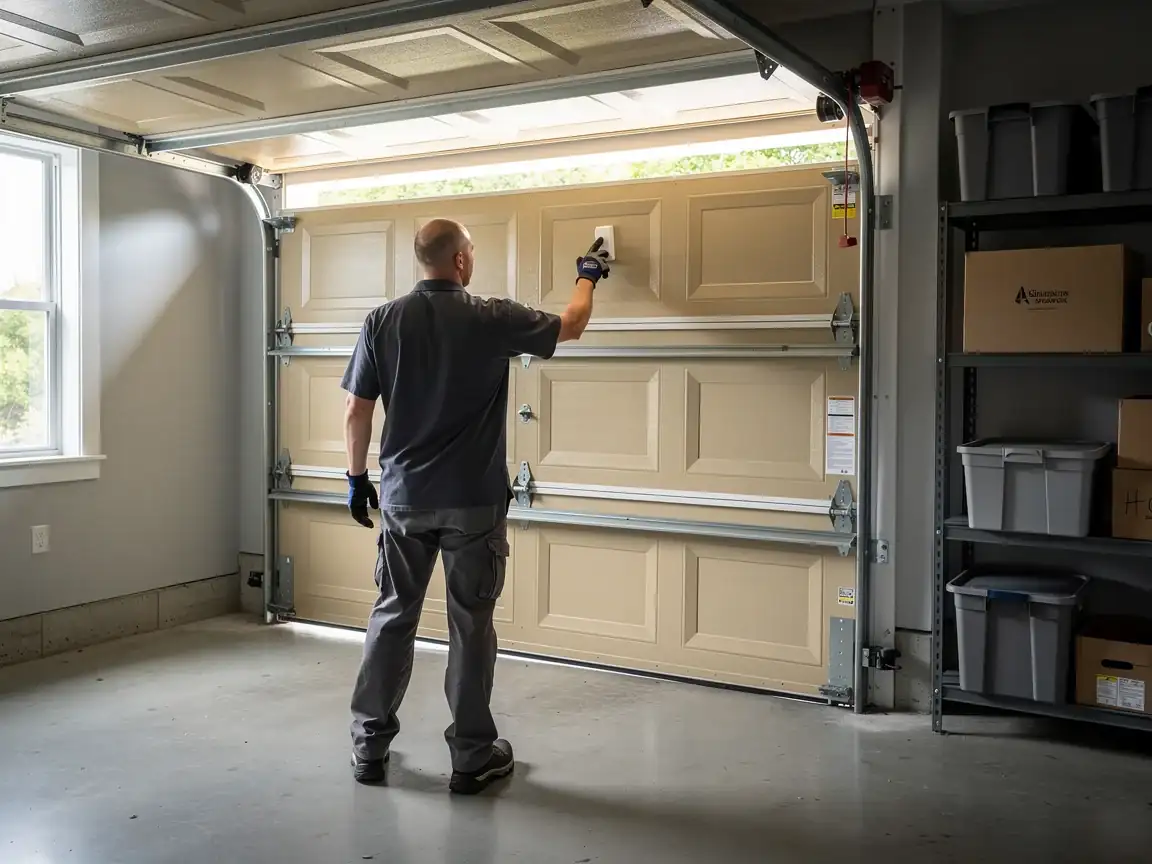
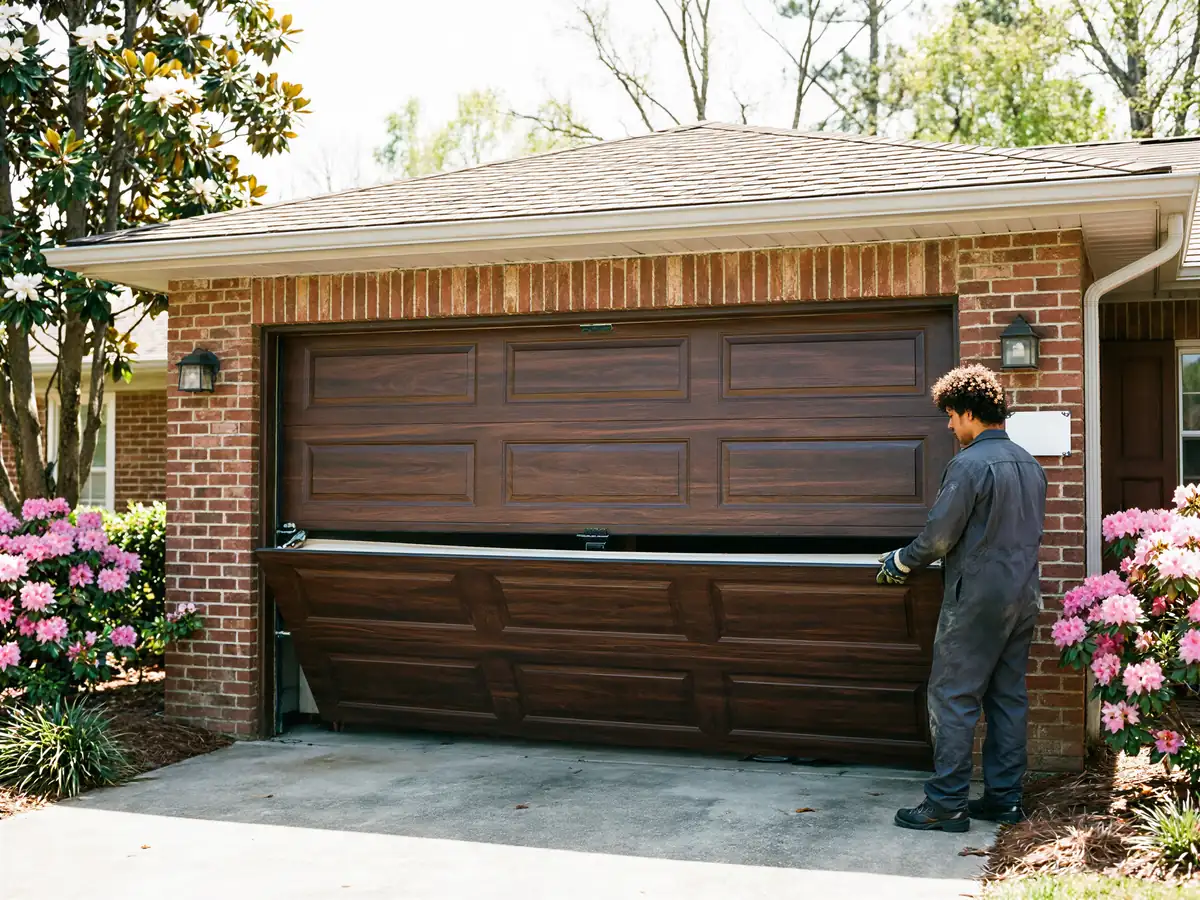
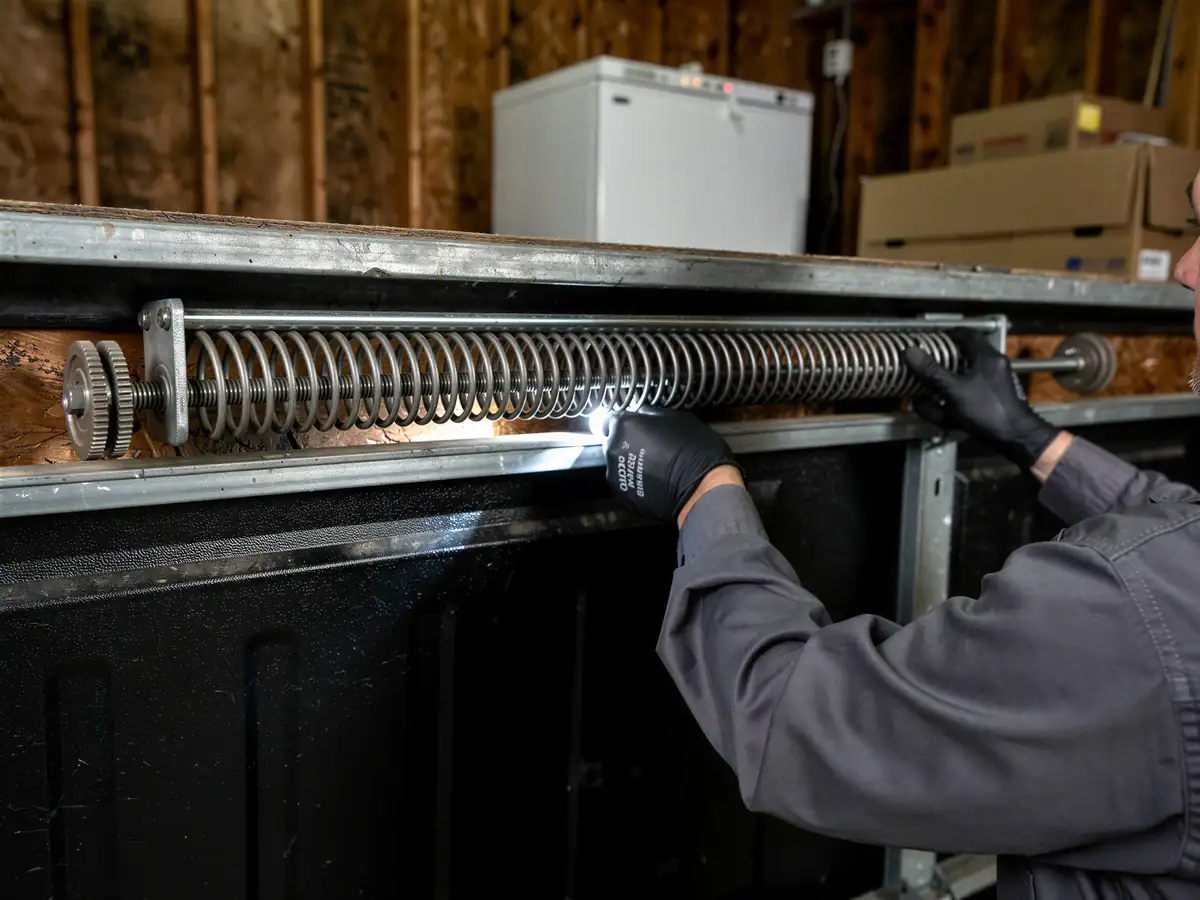
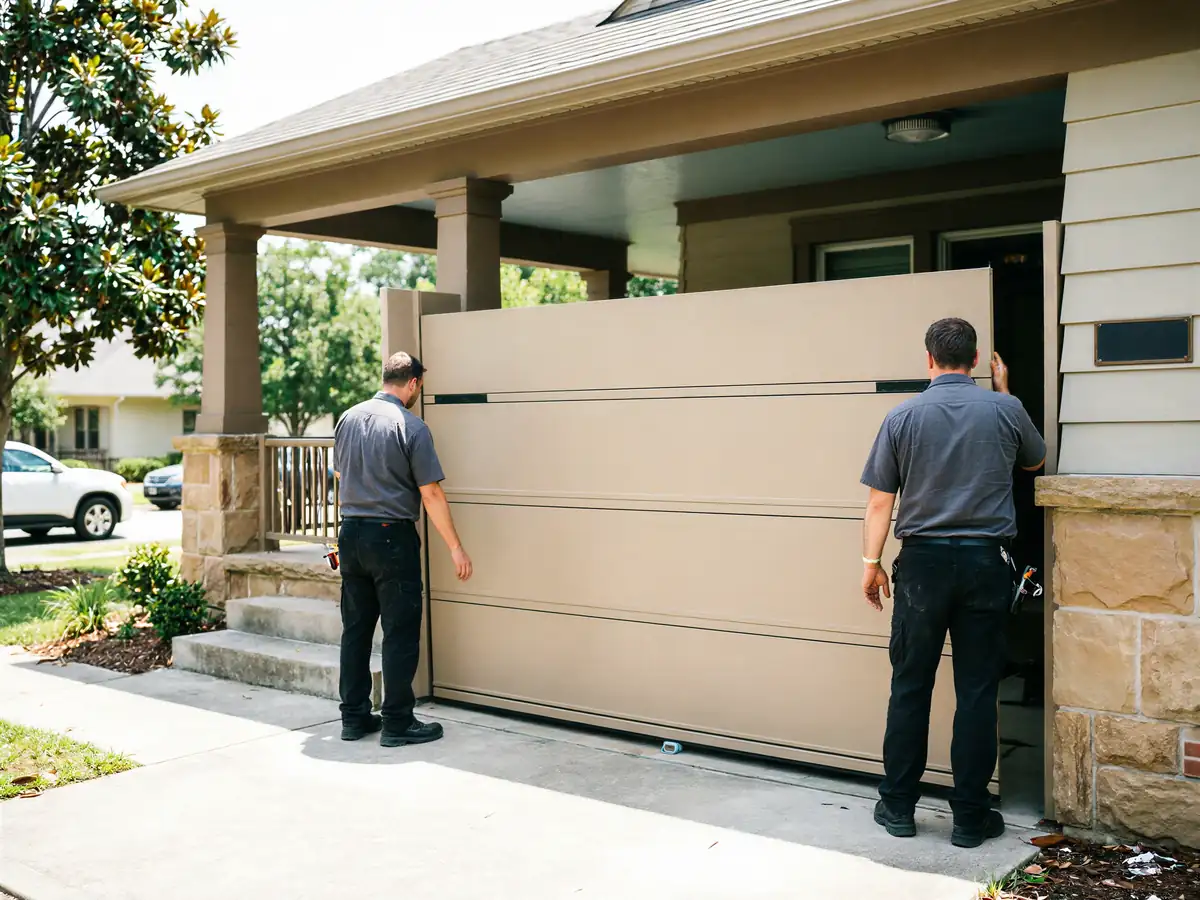
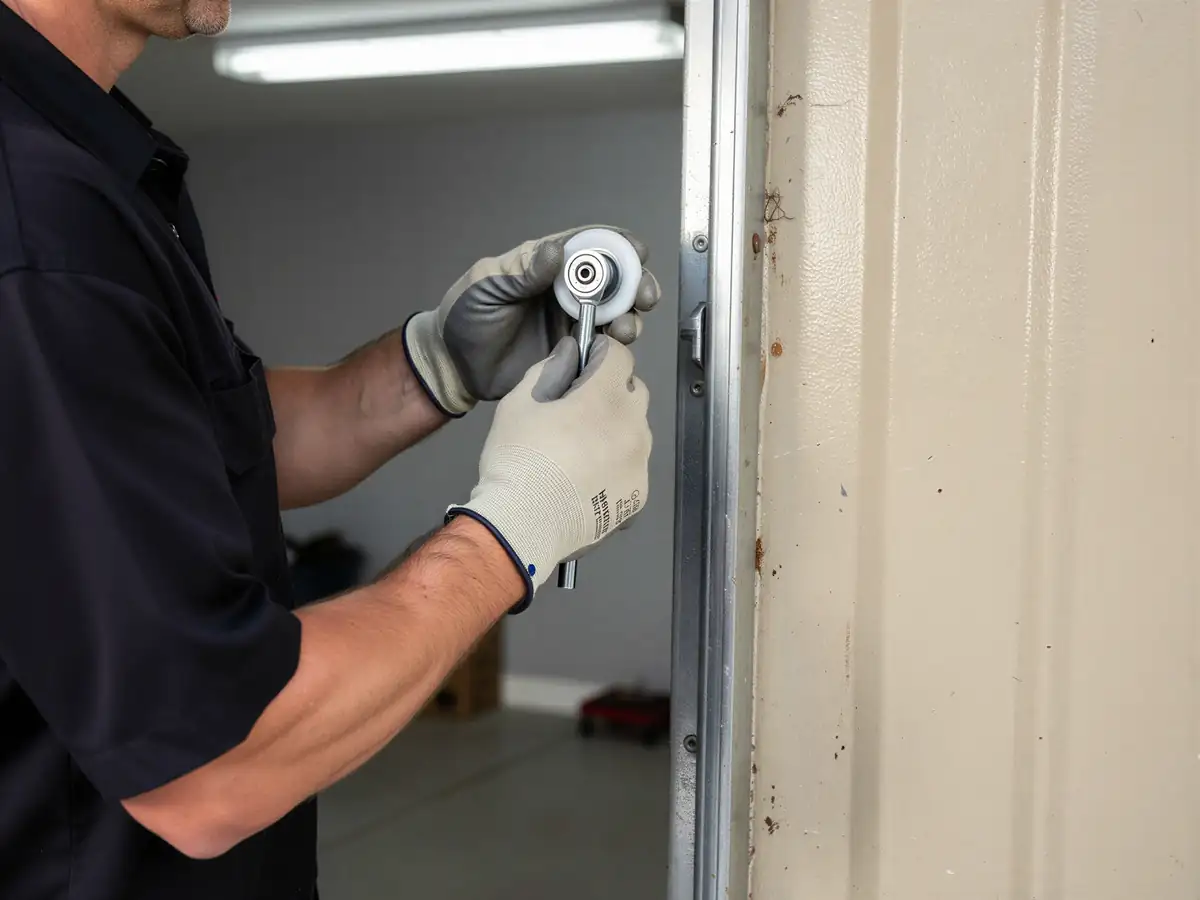
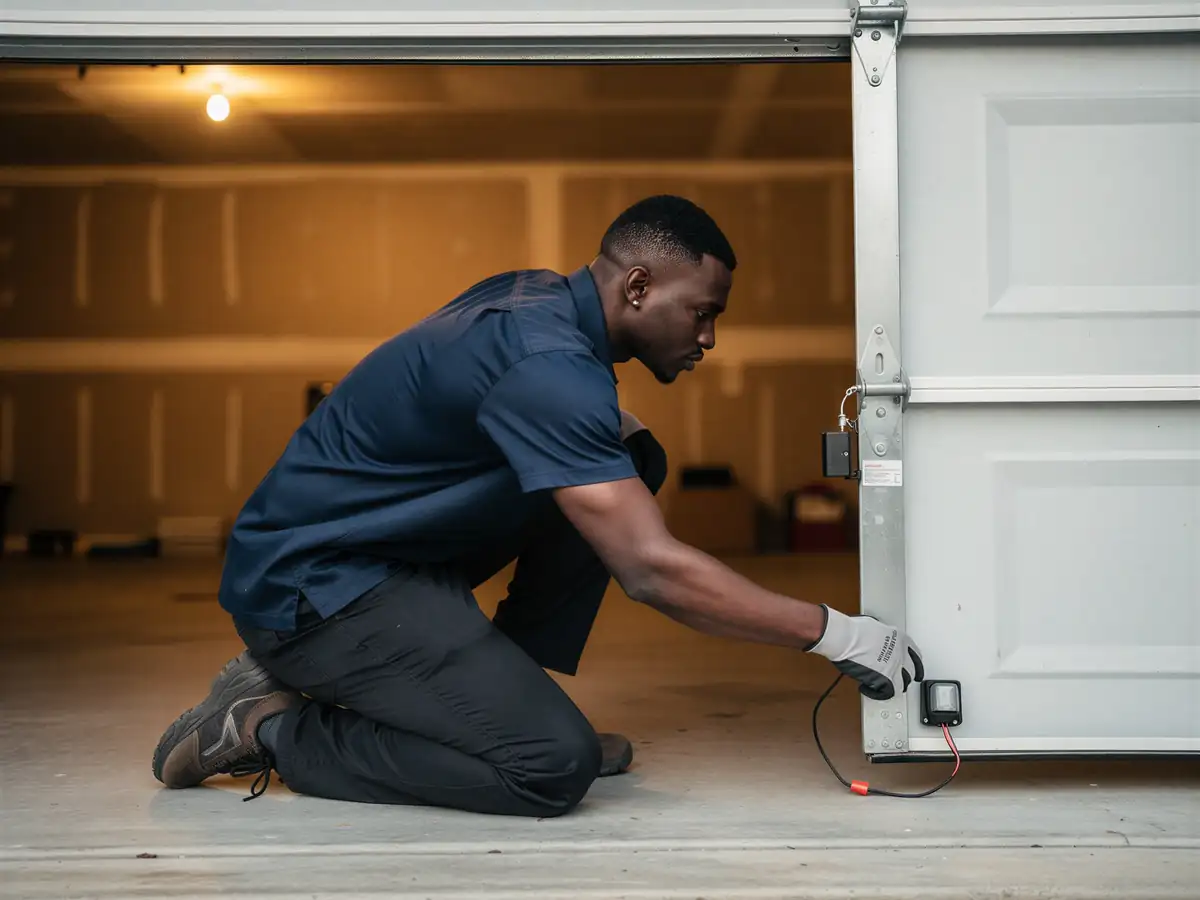
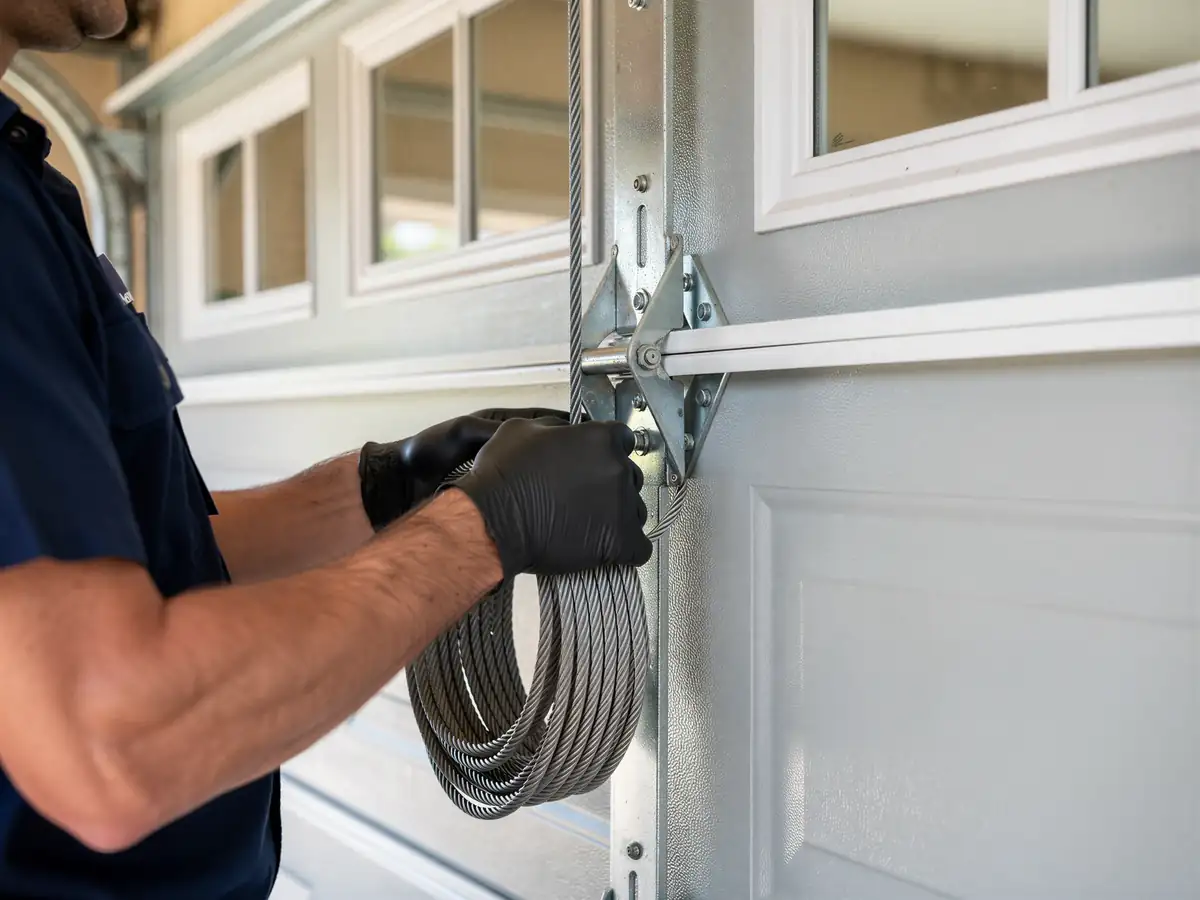
Greenbrier sits about 13 miles from our shop in Hendersonville, and that drive shapes how a cable call plays out here more than people expect. Most of the houses we see out this way went up around 1997, which puts them solidly in the extension and torsion spring era with galvanized lift cables run on standard drums - not the older cotton-wrapped or oversized hardware you find on the 1958-era stock closer to the center of the service area. That newer hardware holds up fine for a long stretch, but cable wear here shows up the same way it does on any door from that build window: a frayed strand at the bottom roller bracket, or a cable that's jumped the drum groove after years of winter cold-cycling. The region runs a cold, moderate climate, and repeated freeze-thaw swings stiffen cable and fray it at the same pinch points year after year. If your door is from that mid-90s wave of construction, the cable itself is usually original or close to it - nobody replaces a cable until it breaks or the spring that drives it goes. A door that drops crooked, or one side that hangs lower than the other, is almost always a cable problem and not a spring problem, and the fix is different.
The DIY Question
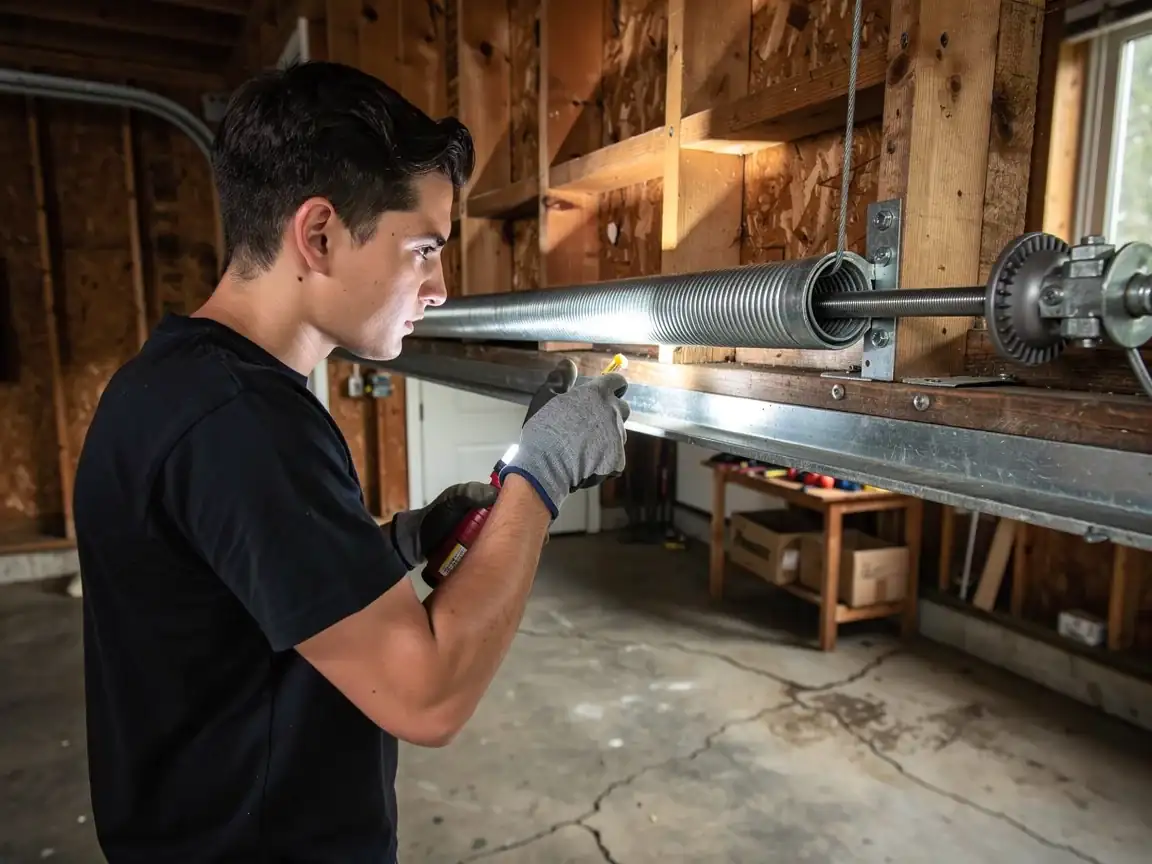
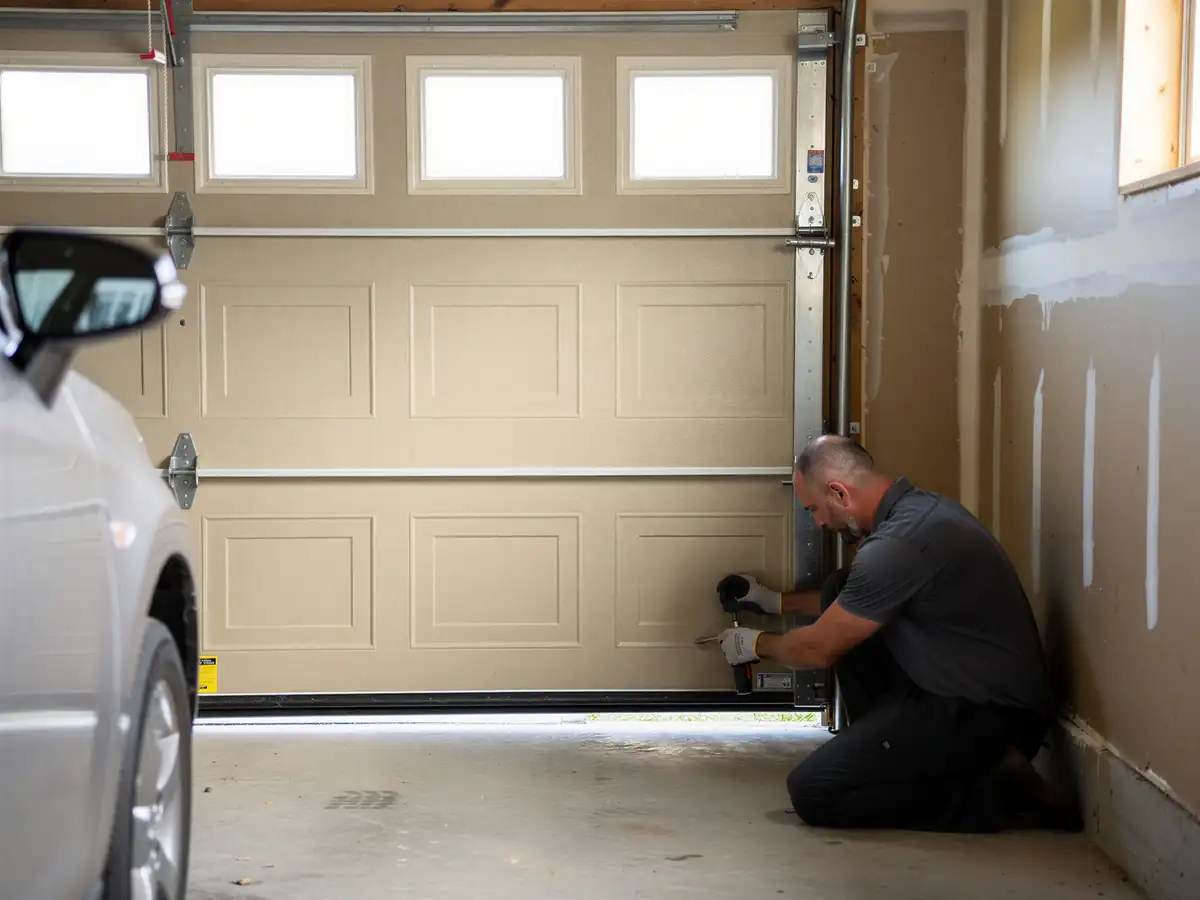
Don't do this one yourself. A garage door cable runs under real tension from the spring system, and even on a door with modern 1990s-era hardware, that tension doesn't go away just because the cable snapped - the spring is often still wound and loaded. People get hurt trying to re-thread a cable onto a drum with the spring still under load, and it's one of the few repairs where the gap between looking simple and being dangerous is wide. If a cable has snapped and the door is stuck halfway, leave it. Don't try to force the door up or down on the remaining cable, and don't disconnect the opener and try to lift it by hand - an unbalanced door with one cable gone can swing hard. This is a call-it-in repair, not a weekend project.
The Cost of This Job
We don't have a flat number to post for Greenbrier specifically, and we'd rather say that than make one up. What we can say is that household income across the wider service area runs a median of $82,308, which happens to line up with what Greenbrier itself reports, so pricing here isn't adjusted up or down from the rest of the coverage area - you're not paying a premium or getting a discount just because of the drive. Most cable jobs are priced as parts plus labor, and since cables are almost always replaced in pairs, that's typically built into one visit rather than two separate calls. If the cable failure took the roller or track with it, that adds to the job, and we'll tell you before we start, not after.