Why This Fails Locally
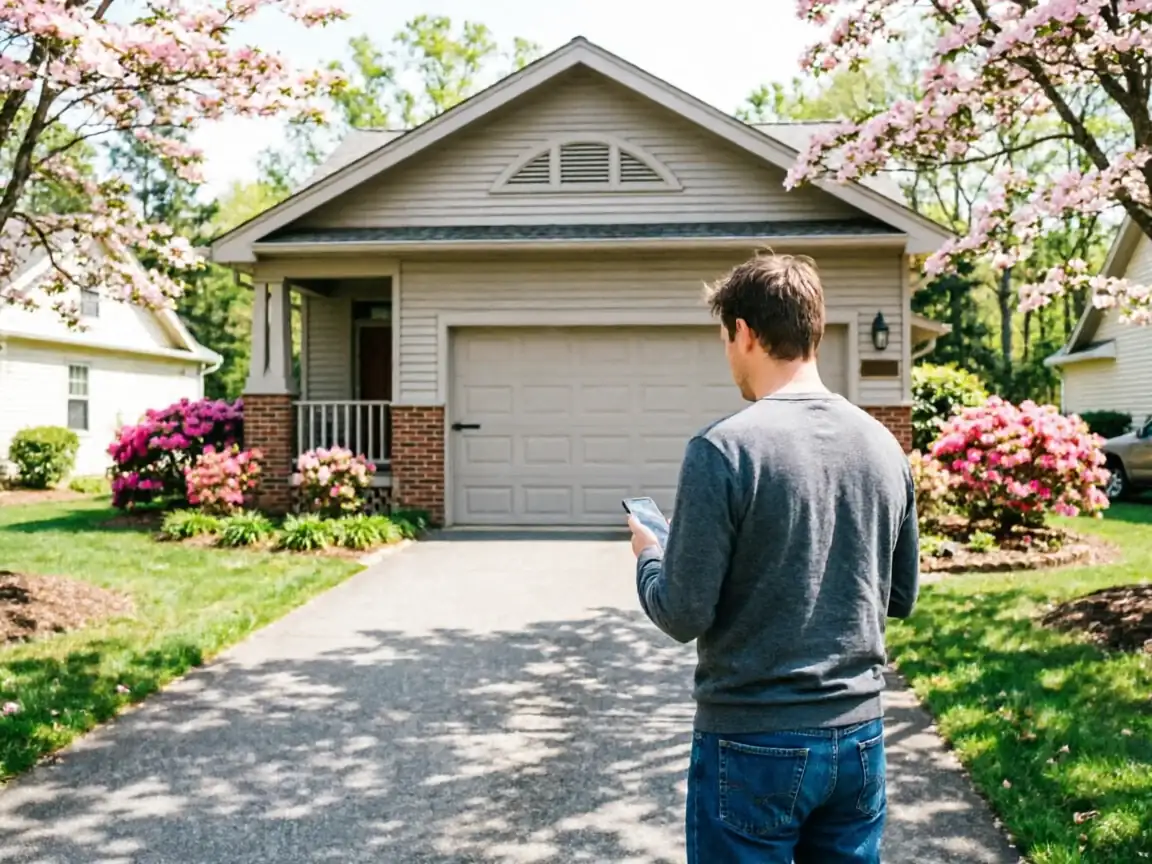
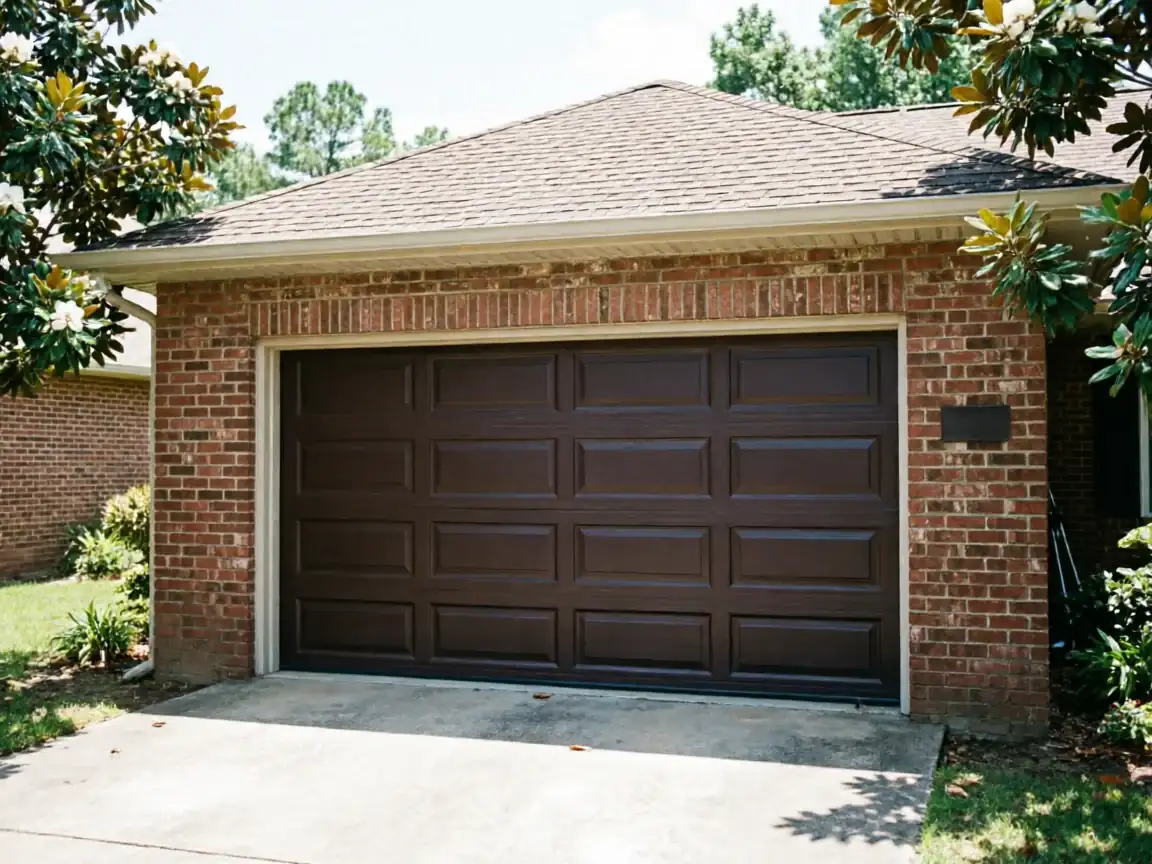
Houses in Greenbrier skew newer than a lot of what we see across the rest of the coverage area. The broader service area has homes going back to 1958 clear through 2005, but Greenbrier itself centers closer to 1997. That ten-year gap from the area median matters more than it sounds like it should.
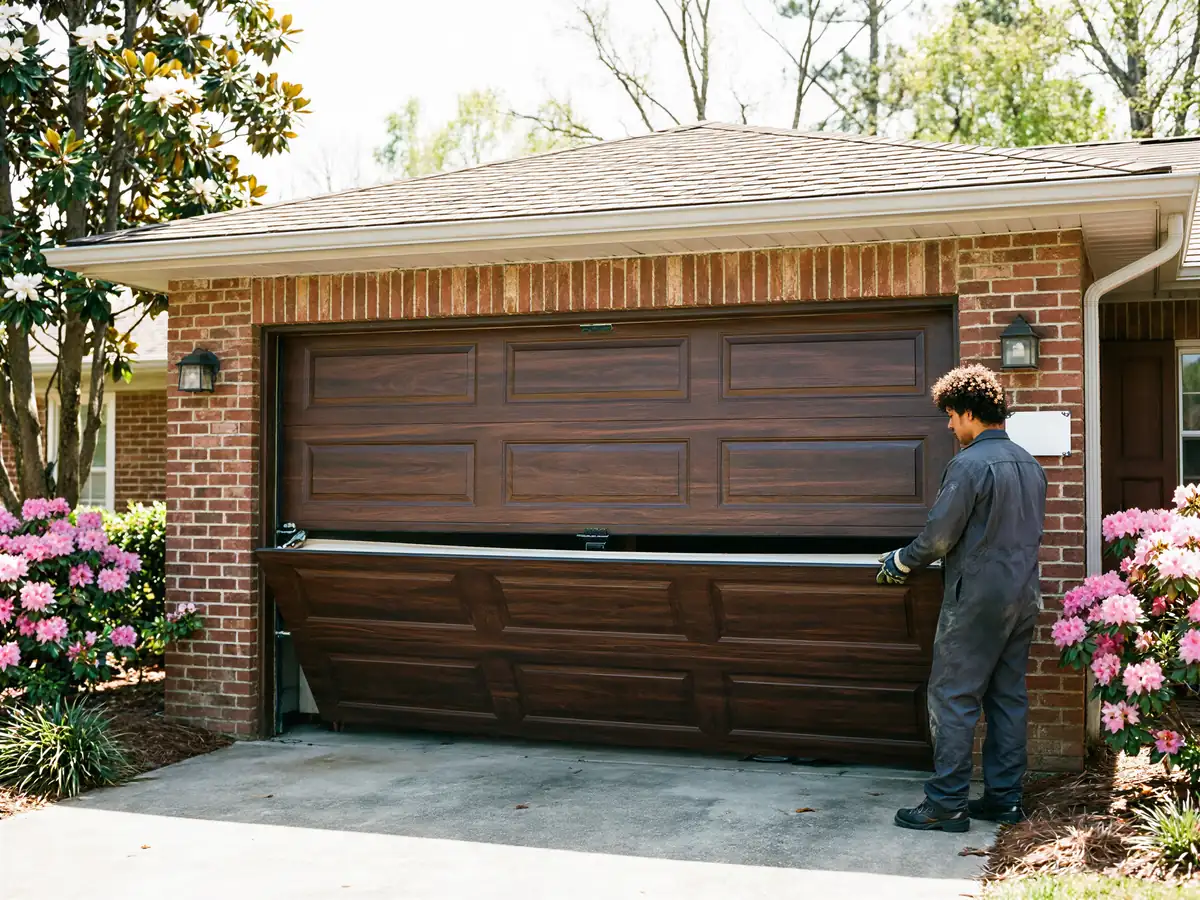
A door installed in the late 1990s almost always shipped with steel 7-ball rollers, sometimes nylon on the better builders' jobs. Either way, that hardware is now pushing 25-plus years of travel up and down a track twice a day. Steel rollers on original bearings get loud first, then start binding. Nylon rollers from that era, the cheaper stock kind, go brittle and crack rather than wear smooth.
Our winters here sit in the cold moderate band, and that's not nothing for rollers. Grease in old steel-roller bearings stiffens up in a cold garage, which is exactly when a marginal roller finally seizes and starts chewing the track instead of rolling through it. If your door's been grinding more since the cold set in, that's usually not a coincidence - it's the original roller telling you it's done.
How Long It Takes
A straight roller swap, all ten rollers on one door
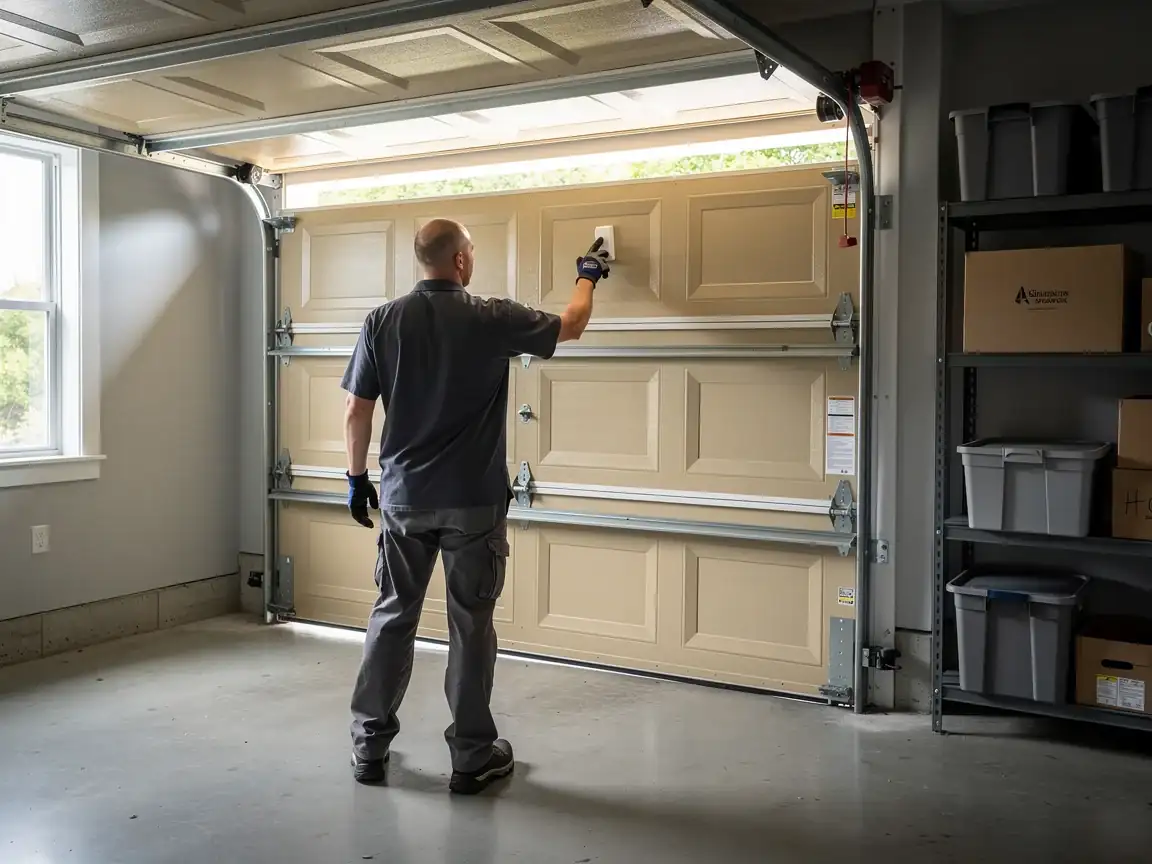
Usually runs under two hours once the truck is on site and the door's up on the bench or the track's been pinned open safely. That's the easy version.
What stretches the job is track condition
On a door that's been running on worn steel rollers for a couple decades, the track itself has often taken damage - bent rails, widened gaps, bearing debris packed into the curve. If the track needs straightening or swapping alongside the rollers, plan on that adding real time, not minutes.
We can't quote a response time here
Since this isn't a Greenbrier-based crew - every job out here starts with the 13-mile drive from Hendersonville, same as the rest of the towns past the city line. Once we're there, the roller work itself is usually the fast part of the visit.
The DIY Question
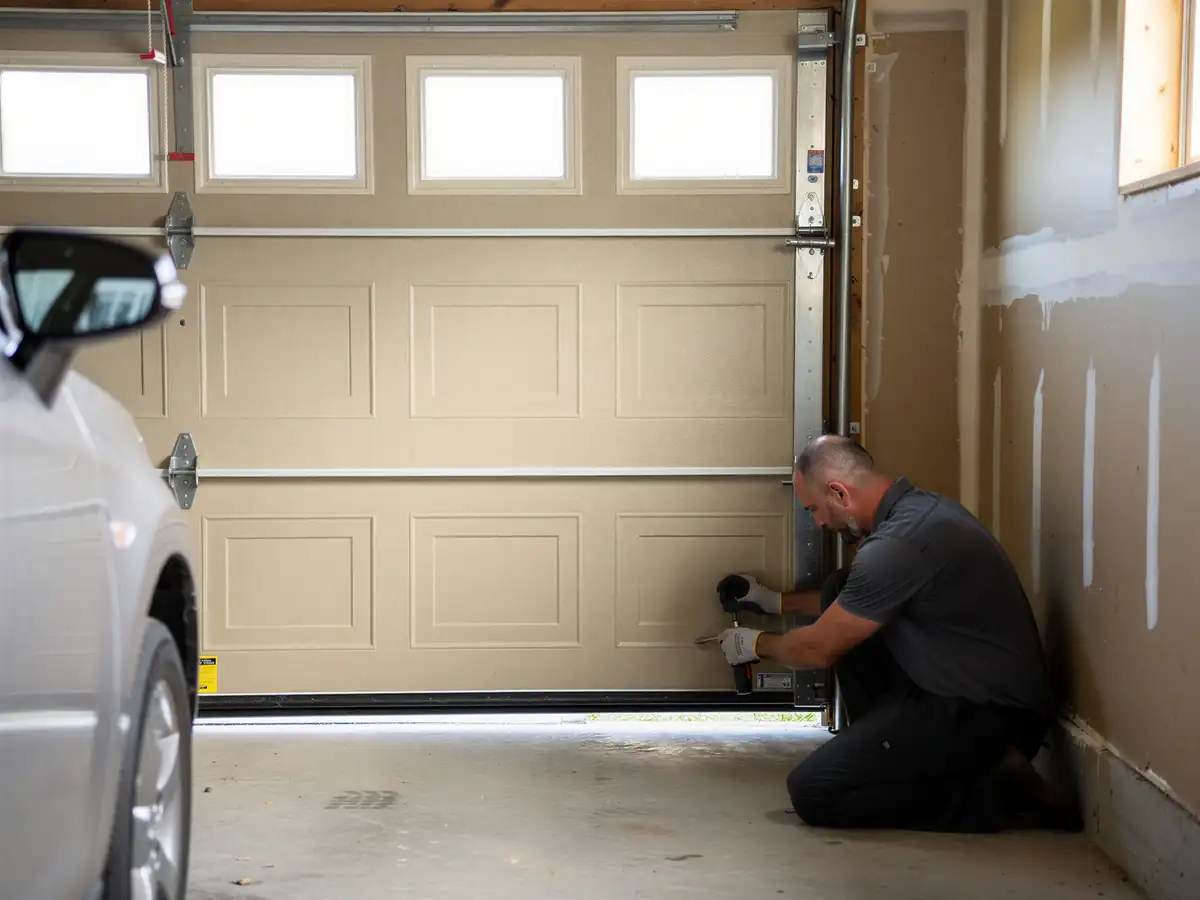
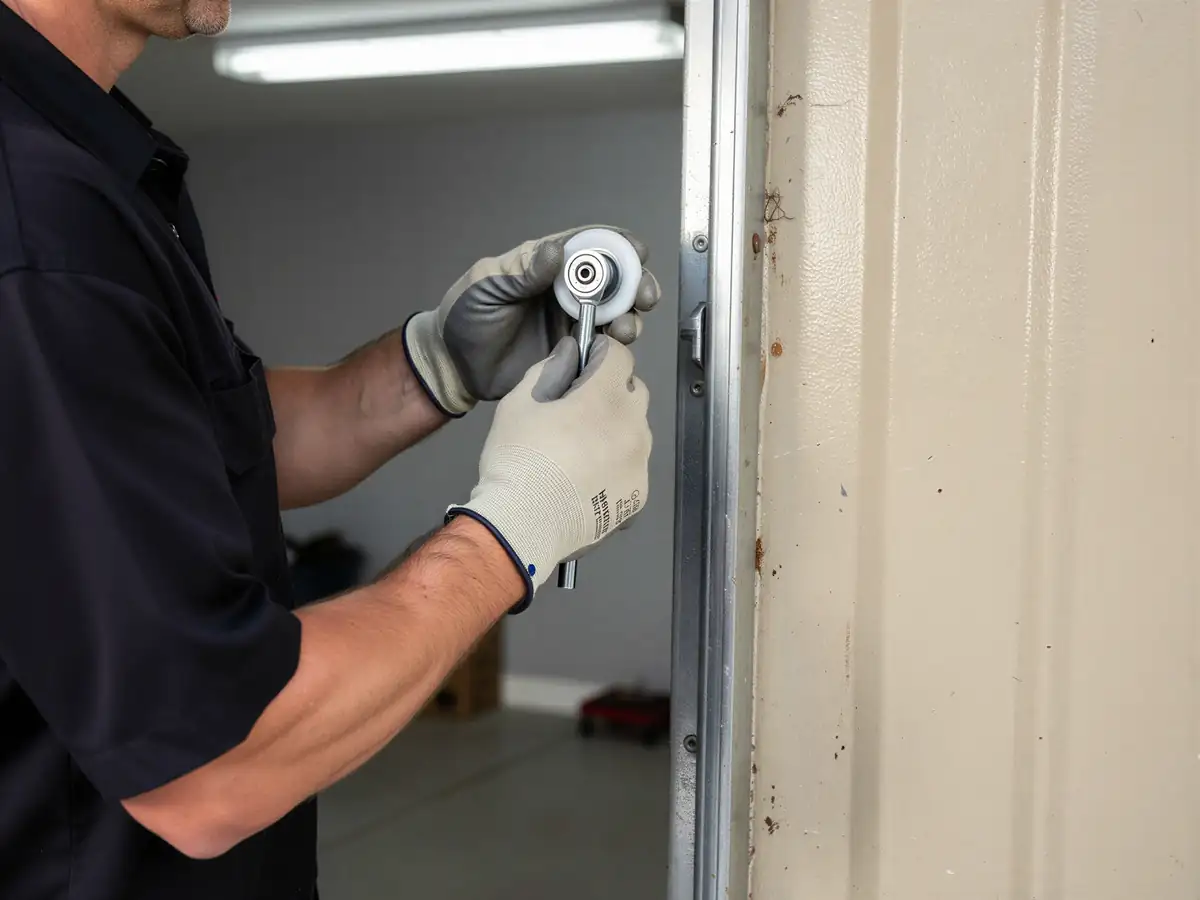
Rollers are one of the more reasonable DIY jobs on a garage door, with one real condition: the door has to be down and the torsion spring left alone. If you're only pulling roller brackets off the bottom few panels with the door closed, that's manageable for someone comfortable with a ladder and a socket wrench.
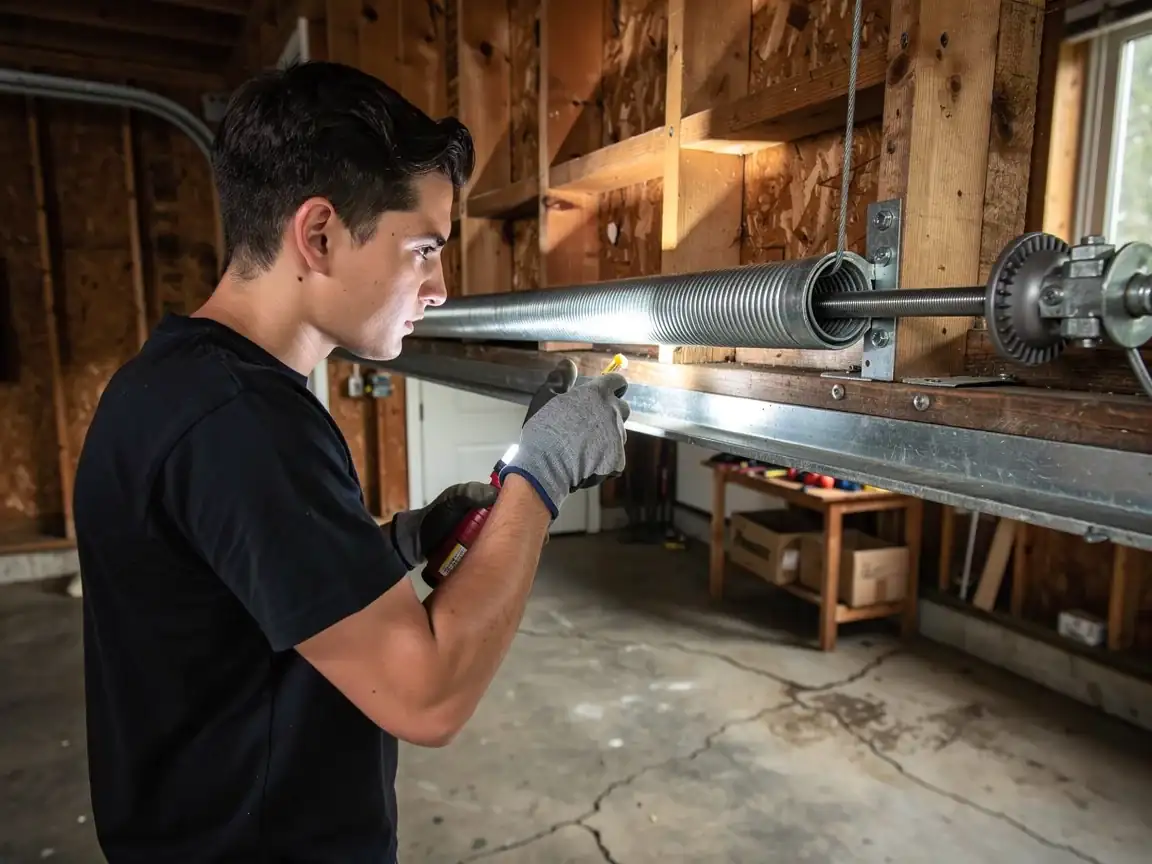
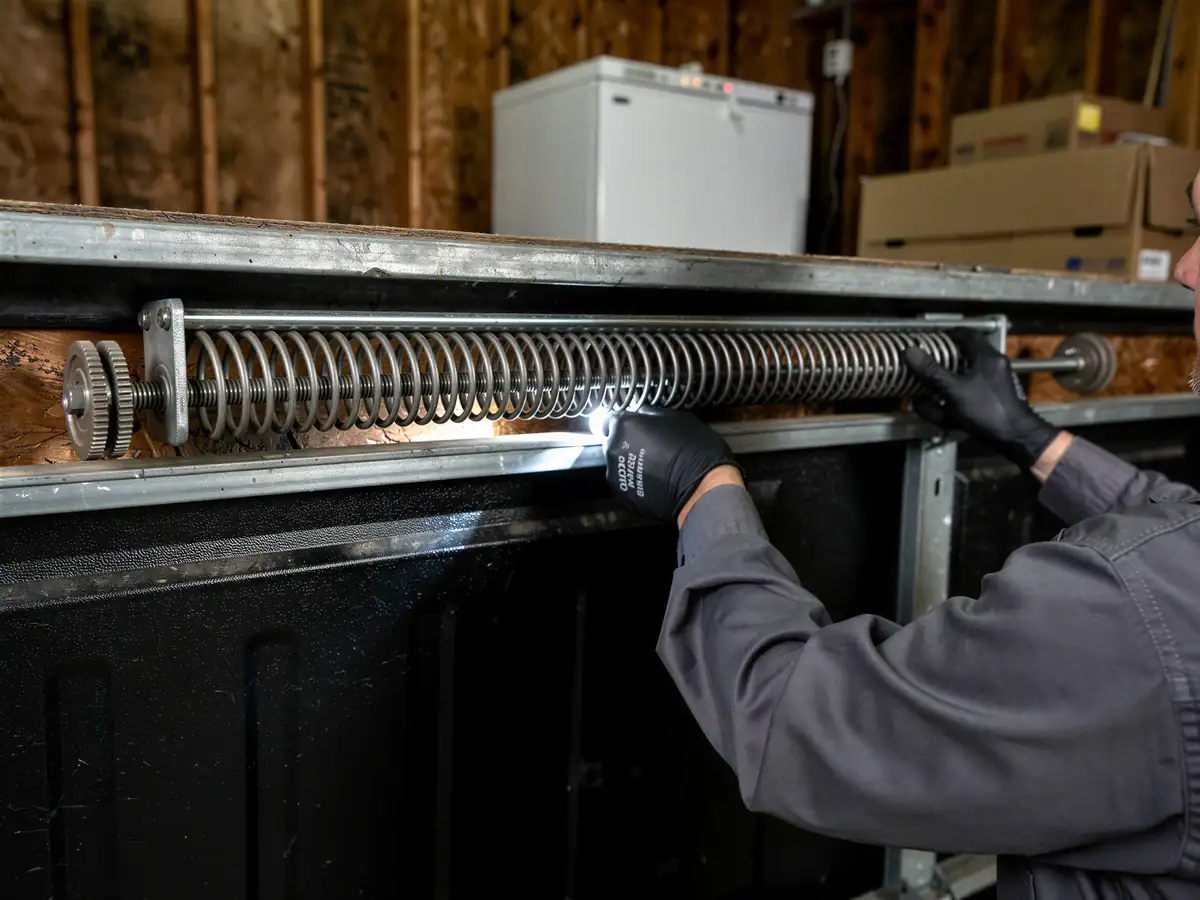
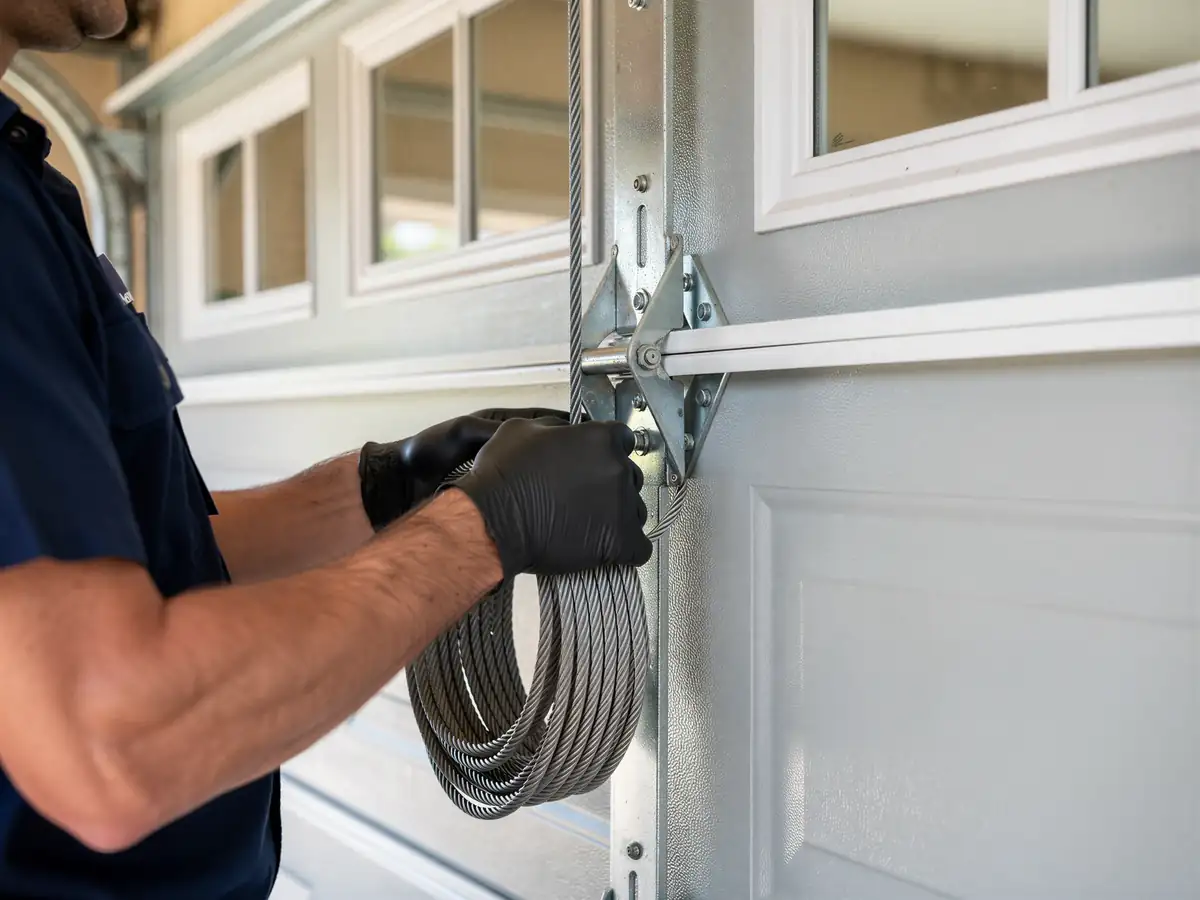
Where it stops being a weekend project is the top roller, the one riding in the track right where the spring and cable system does its work. Pull that bracket with the door up, or with tension still on the spring, and you're working next to the one part of a garage door that can put you in the hospital. We won't talk anyone through that step over the phone, and that's not us being cagey - it's the one part of this job that isn't worth the risk for a part that costs a few dollars.
If your rollers are original to a house built around 1997, your hinges and brackets are probably the same age too, and those can shear on you mid-swap if you're not expecting it.
The Cost of This Job
We're not going to put a number on this page that we can't back up, and roller cost swings enough between nylon and steel, sealed-bearing and open, that a flat figure here would be a guess. What we can tell you is what drives the number: roller material, how many need replacing, and whether the track's coming along for the ride.
Greenbrier's 2,369 households are a small slice of the roughly 59,366 across the whole area we cover, and that's part of why there's no branch out here - every job, roller swap or otherwise, starts with a drive in from Hendersonville. Median income across the area sits around $82,308, and most owners we talk to treat roller replacement as routine maintenance rather than a crisis call, which it usually is if you catch it before the track gets damaged.
If you're not sure whether what you're hearing is rollers or something bigger - a spring, a cable, an opener gear - that's worth a look before you buy parts.