What Can Go Wrong
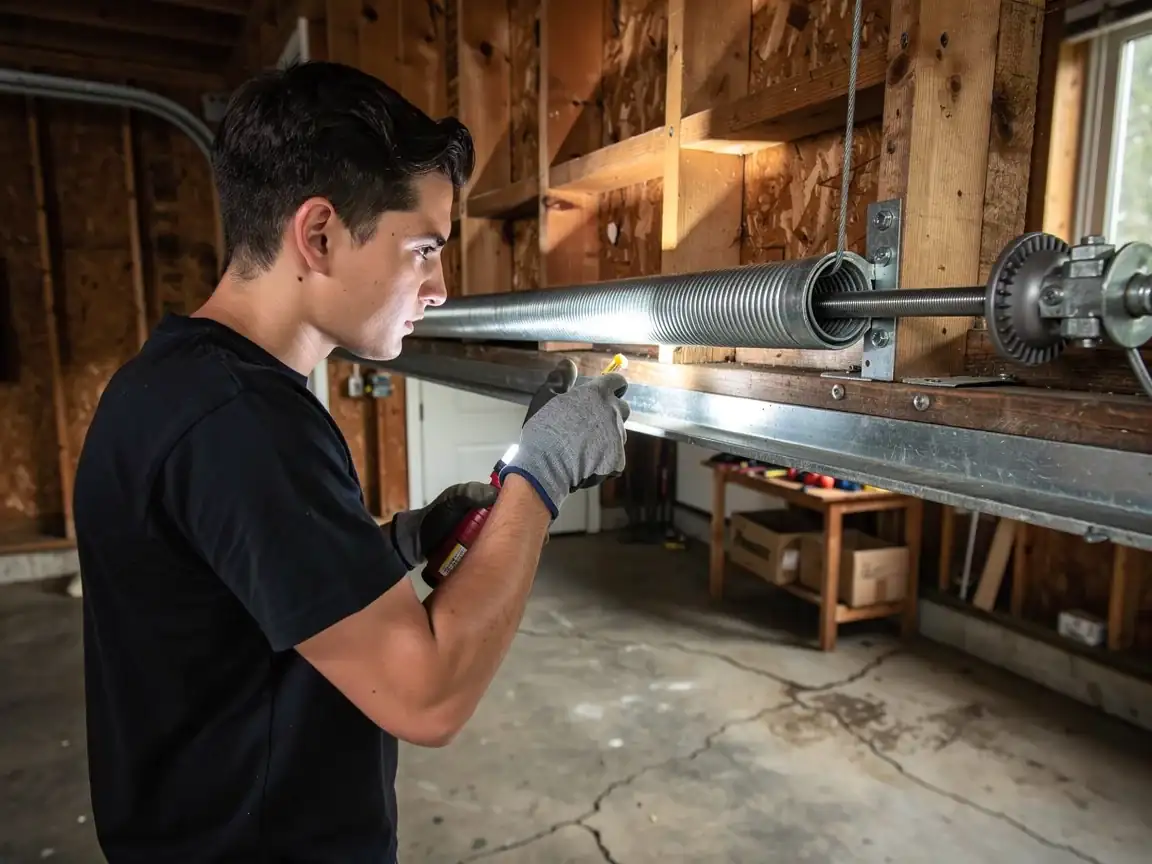
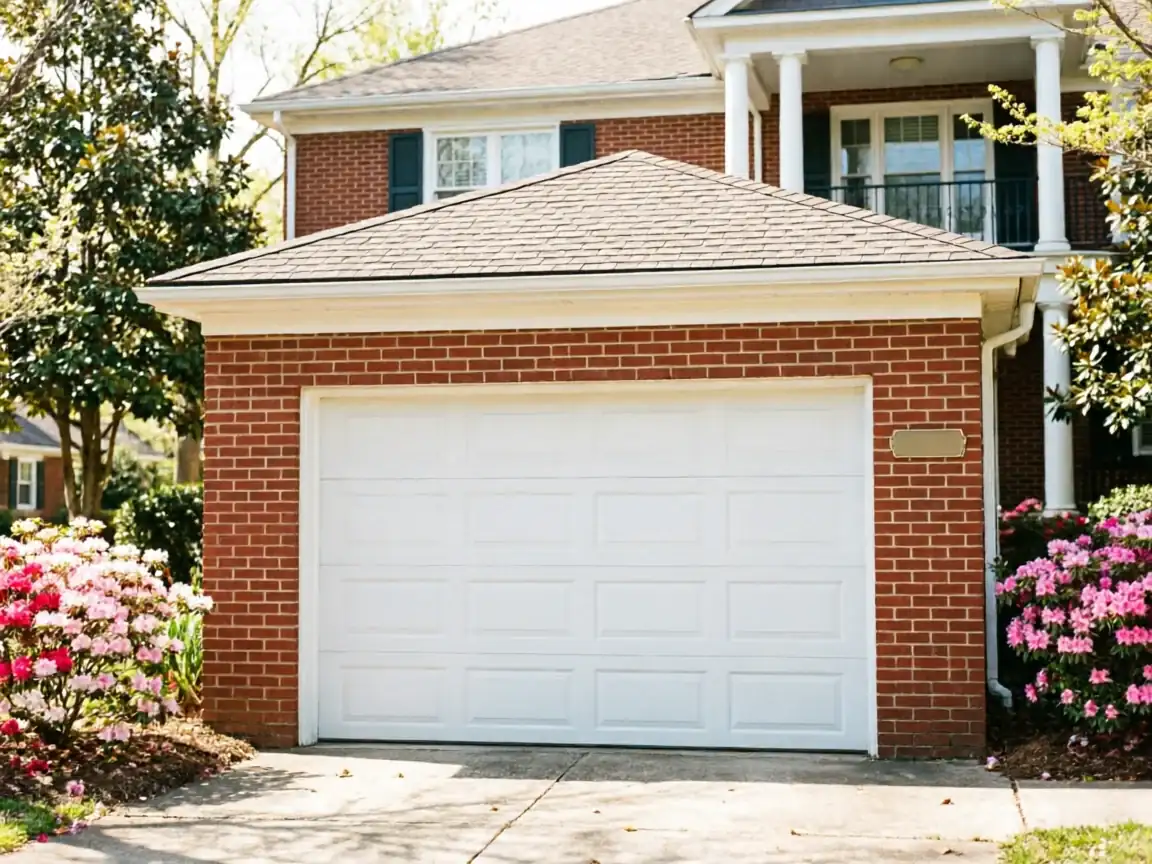
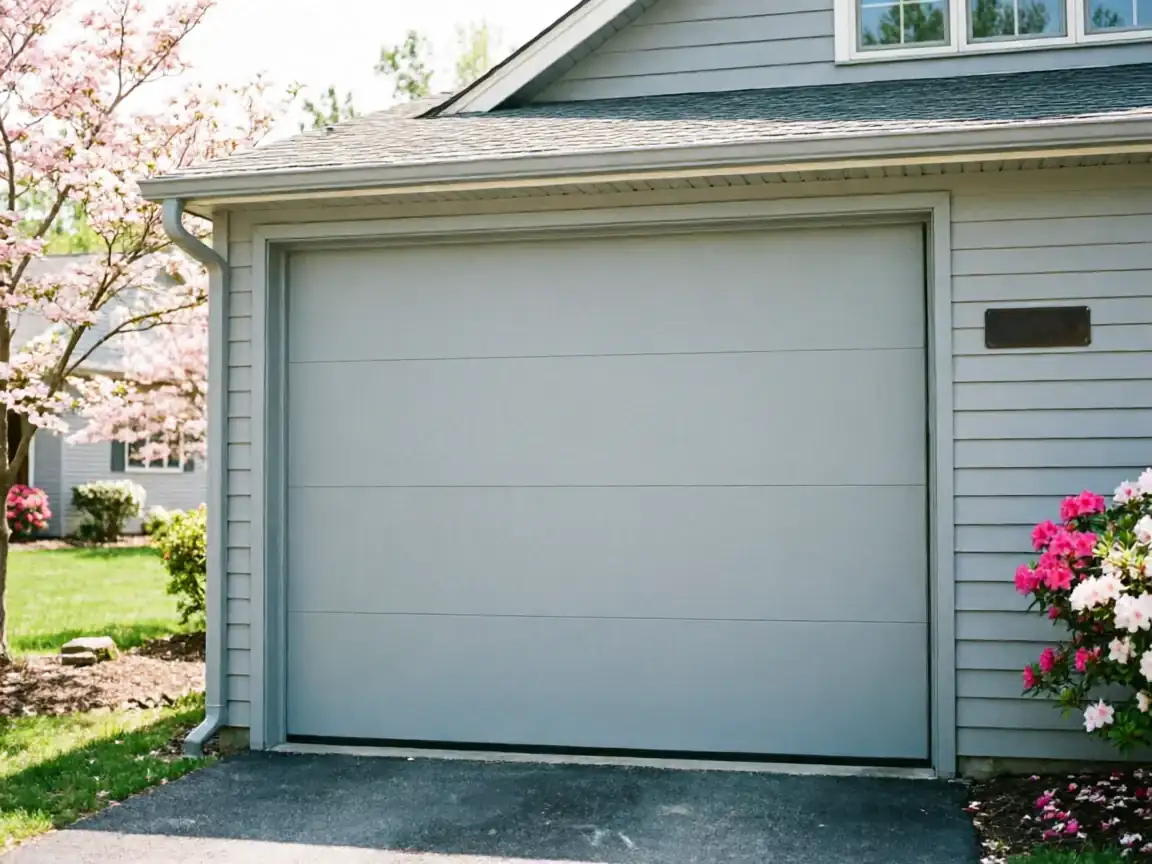
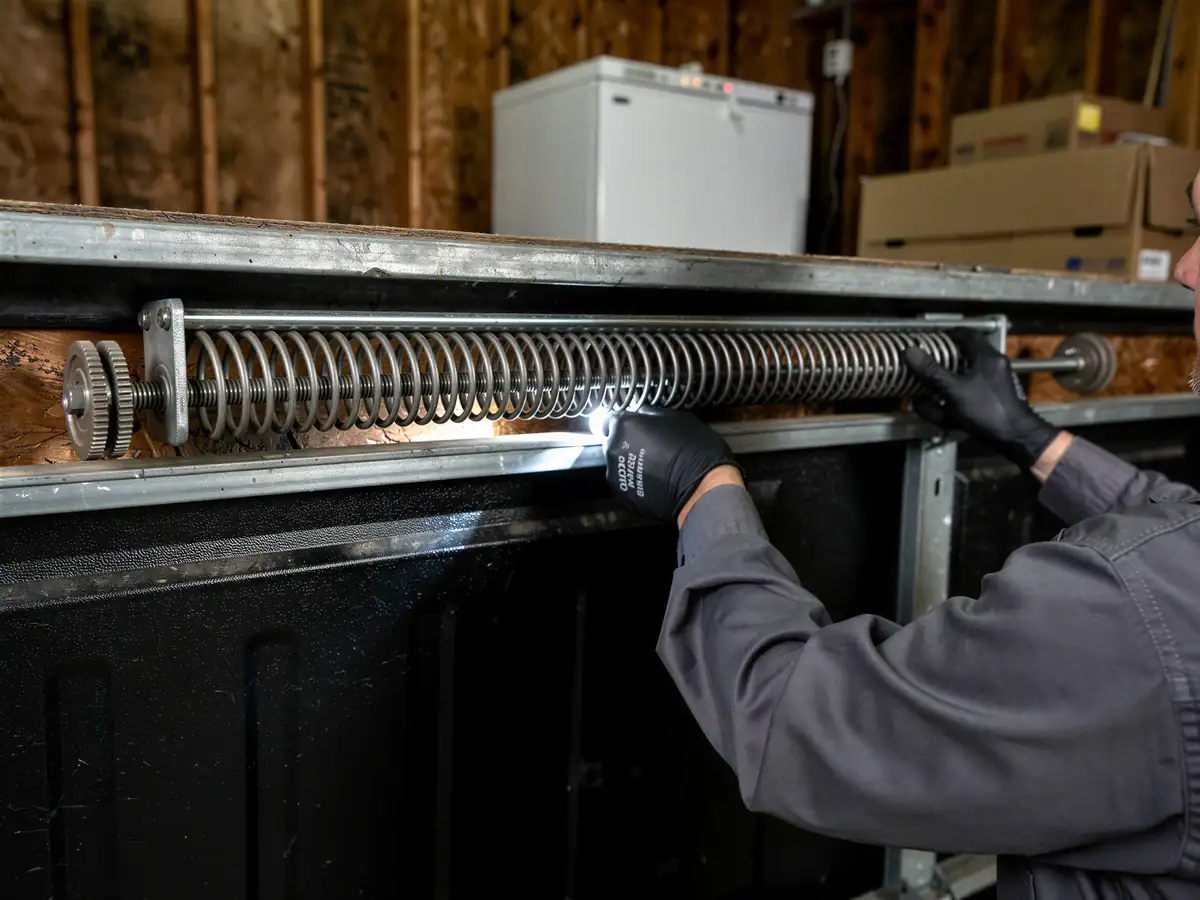
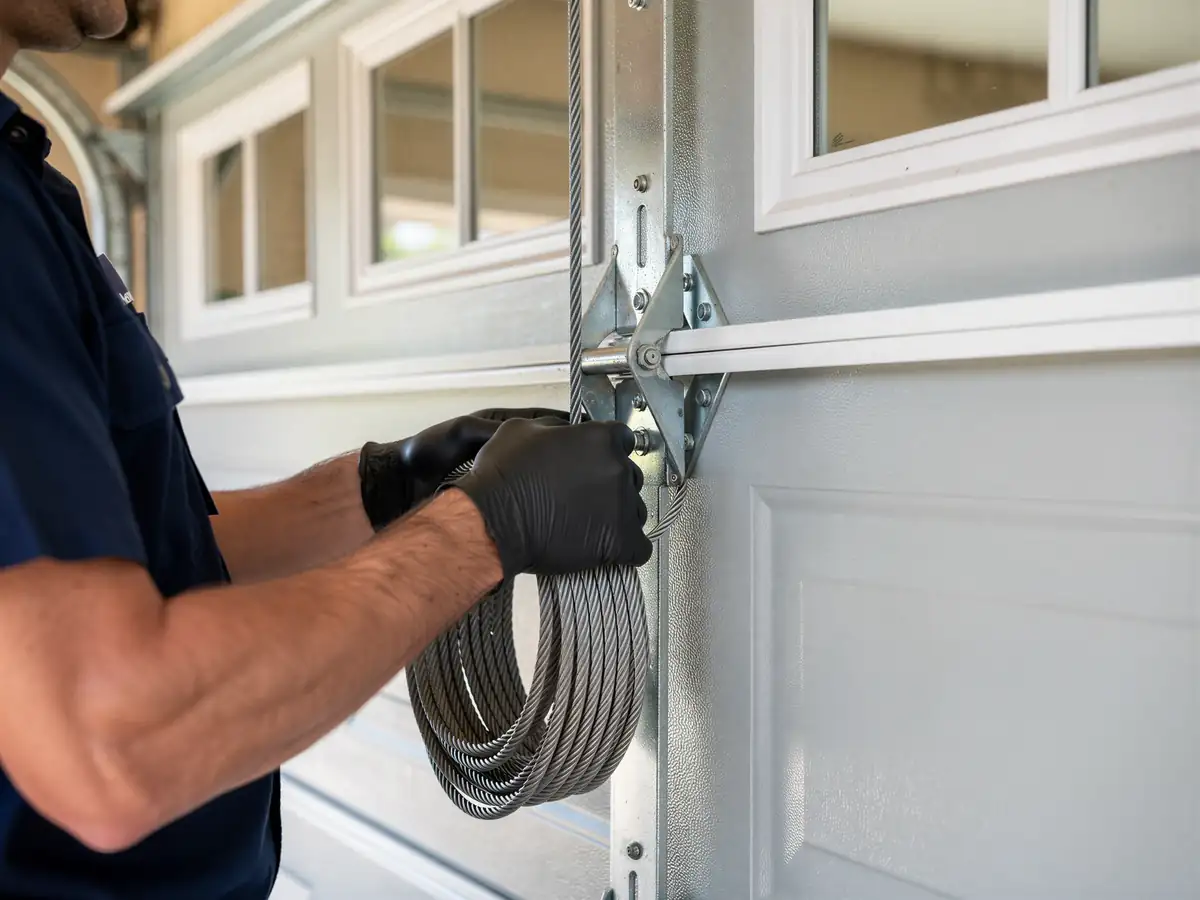
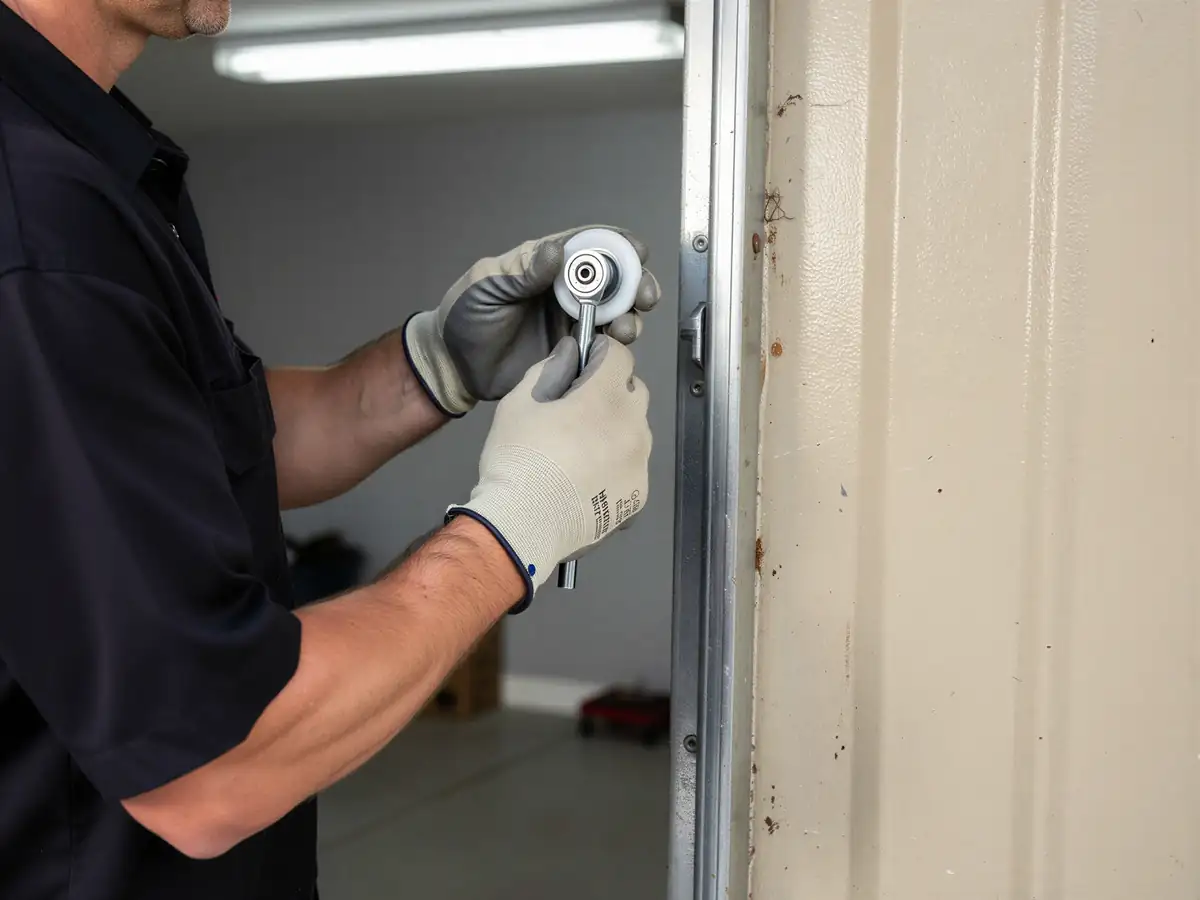
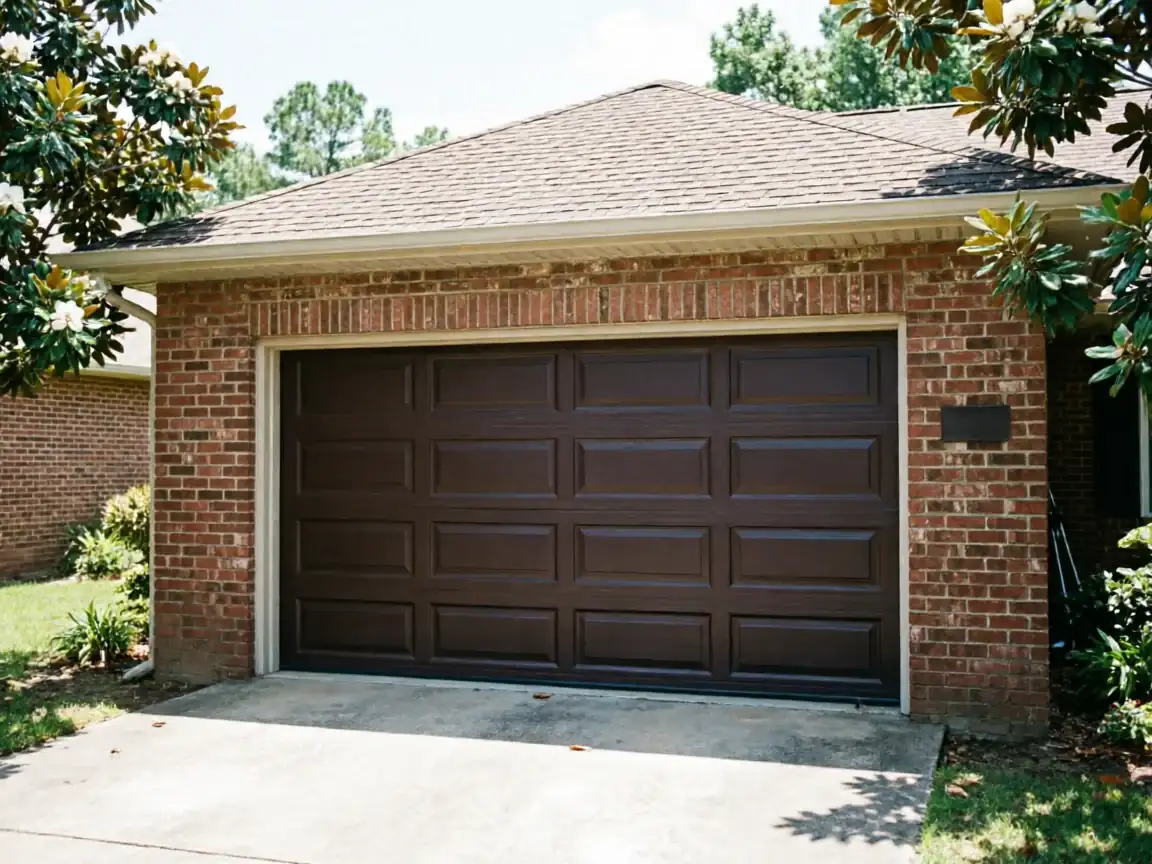
Most houses in Mount Juliet went up after 2000, which puts this area well ahead of the older 1958-2005 stock found closer to Hendersonville. That means the doors here are mostly factory steel sectional units on torsion springs rated for a standard builder-grade cycle count, not the older extension-spring setups you'd find on a house from the 1970s. The failures look different too. On a door this age, the first thing to go is usually the spring itself once it hits its rated cycle life, or the opener's circuit board and drive gear wearing out from regular use rather than age-related rust. Rollers on builder-grade tracks tend to wear unevenly if the door gets used several times a day, which is common in a household with more than one driver. We also see cable fraying at the drum on doors that have never had the spring tension checked since the house was built. None of this is unusual for a 2000s-era door, it's just a different failure pattern than what we see on the older homes closer in, and it's worth knowing which one you've got before you call.
How It Shows Up
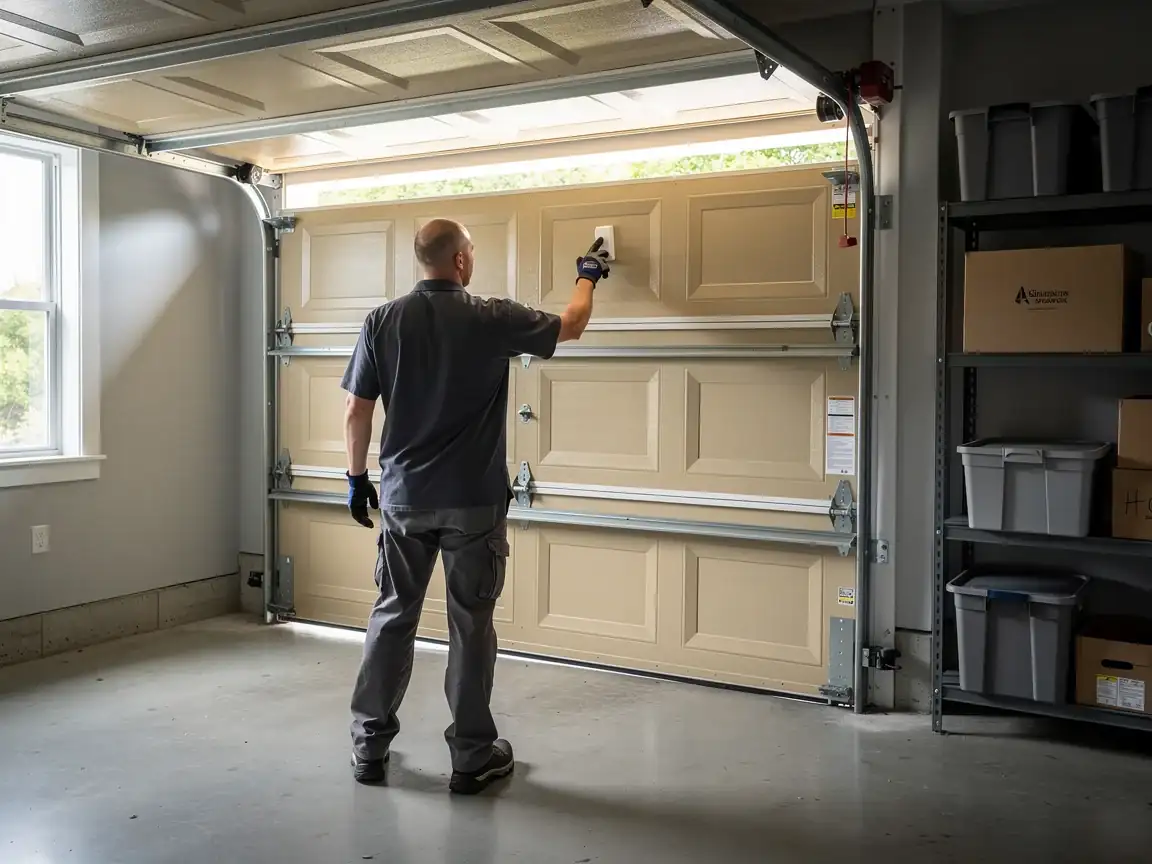
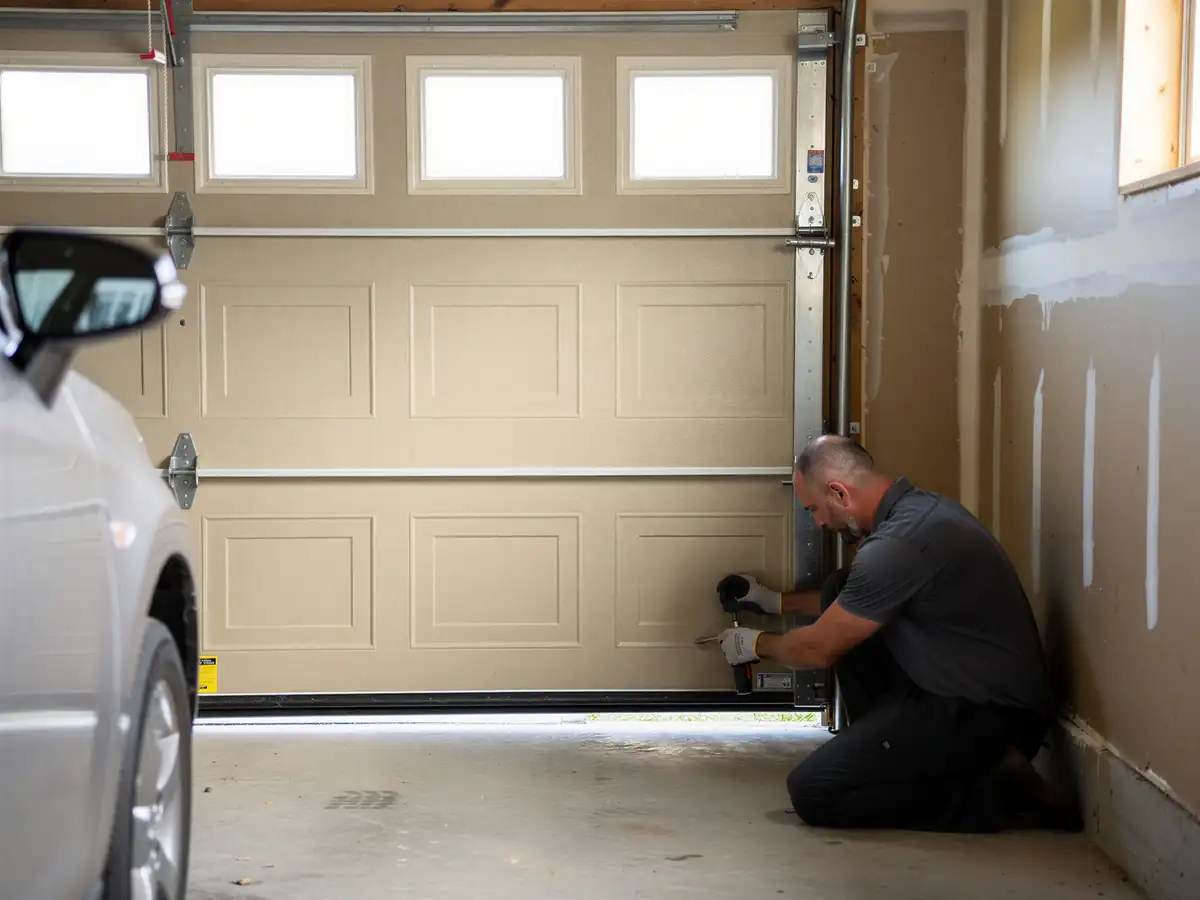
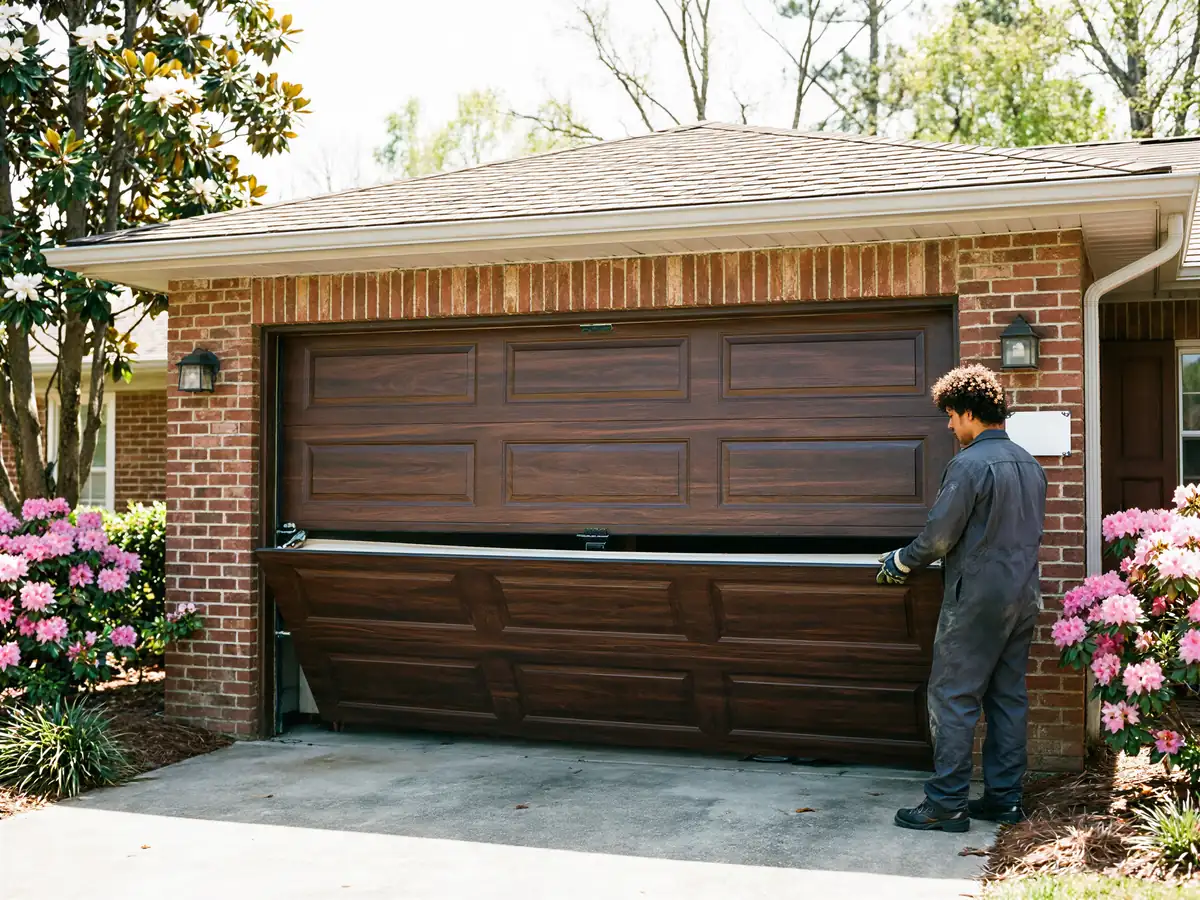
On a newer door, the first sign is usually noise, not a dead stop. A torsion spring nearing the end of its cycle life will often groan or bang on the way up before it actually breaks. A failing opener gear will make a grinding sound and the door will slow down mid-travel rather than refuse to move at all. Builder-grade rollers that are wearing out show up as a door that shudders or jumps slightly as it passes the roller track, especially noticeable on wider double doors. None of these are emergencies the first time you hear them, but they don't fix themselves either, and letting a spring go all the way past its rated cycles usually means a cable or drum gets damaged along with it, turning a one-part job into a three-part one. If the door reverses on its own partway down, that's usually the safety sensor or the opener's force setting, not the spring, and it's worth mentioning which one it's doing when you call so we bring the right parts.
How to Book
We run out of Hendersonville, about 9 miles from Mount Juliet, and we schedule repair and tune-up visits out to this area as part of our regular coverage. When you call, tell us the door's approximate age if you know it, roughly 2005 and newer is standard for most of Mount Juliet, and describe the noise or the way it's failing rather than just "it's broken." That lets us bring the right spring size or opener part on the first trip instead of a second one. We don't keep a branch or drop-off counter in Mount Juliet itself; every job here is a scheduled visit from the Hendersonville shop, so same-day isn't something we promise, but we'll give you a real window when you call. See our Mount Juliet coverage page for the areas we reach nearby, or the Hendersonville garage door service page for the full list of repair and install work we do.