What Can Go Wrong
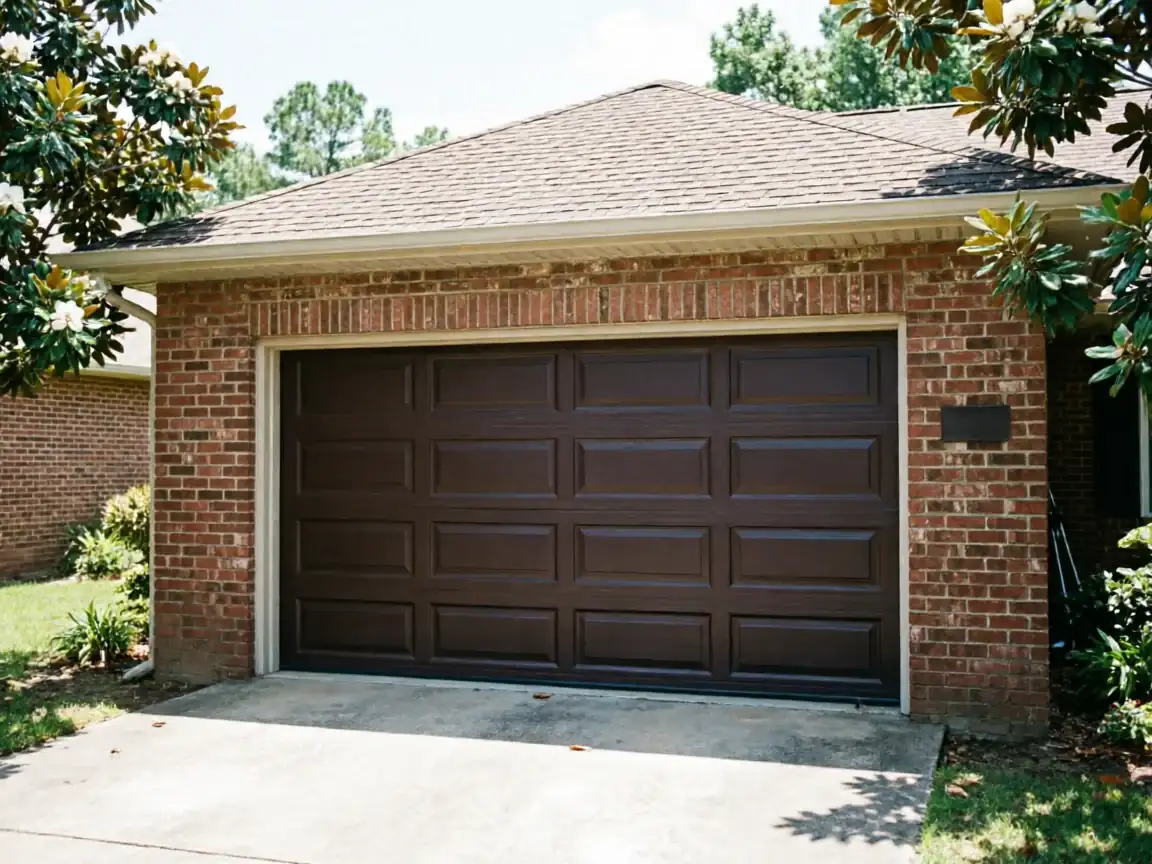
Mount Juliet's housing stock is newer than most of what we work on - median build year here is 2005, a good decade and a half past the 1958-2005 range that covers the wider service area. That matters for rollers specifically. Builders in the early 2000s were using sealed-bearing nylon rollers as standard, which was an upgrade over the steel rollers in older stock, but nylon has a service life too. Twenty years of cycling is right at the edge of what a factory roller is built for, and we're now seeing the first wave of those original rollers fail on doors that have never needed anything else done to them.
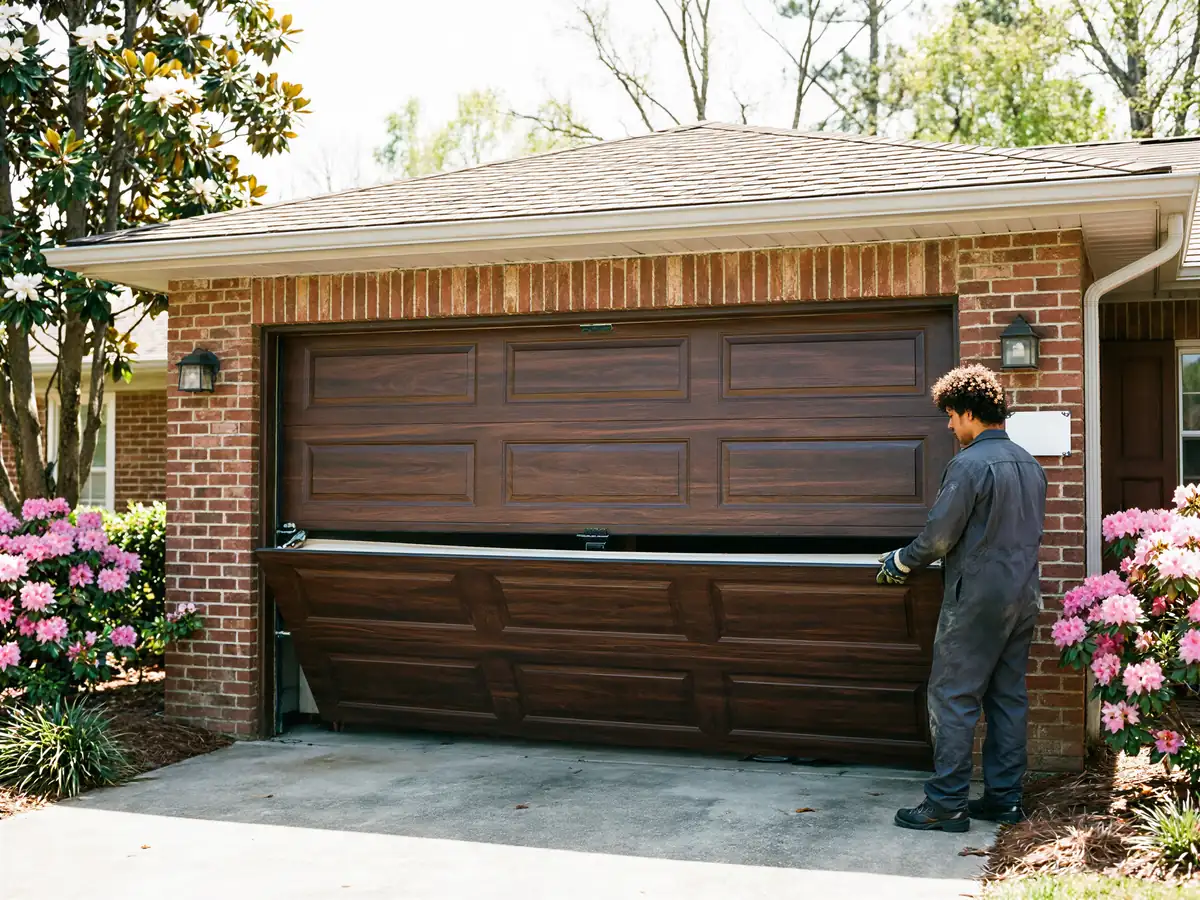
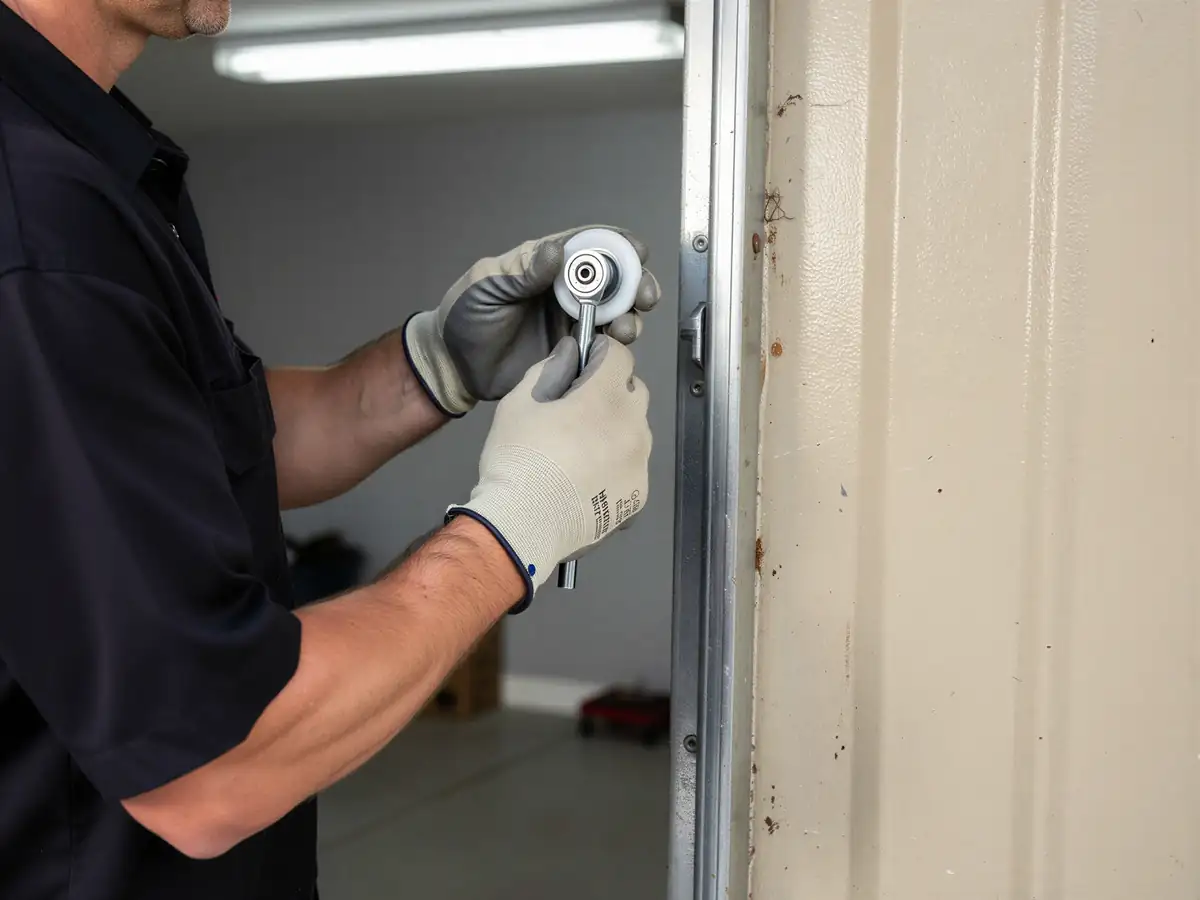
The failure mode is usually a cracked or chipped nylon wheel, or a bearing that's seized inside the roller stem so the wheel stops spinning and starts dragging against the track instead. On a door this age, it's rarely one bad roller - if one has worn out from age and use, the other nine or eleven on that door are close behind, even if they haven't started grinding yet. Replacing them one at a time as each one fails costs more in call-outs than doing the full set once.
What the Repair Takes
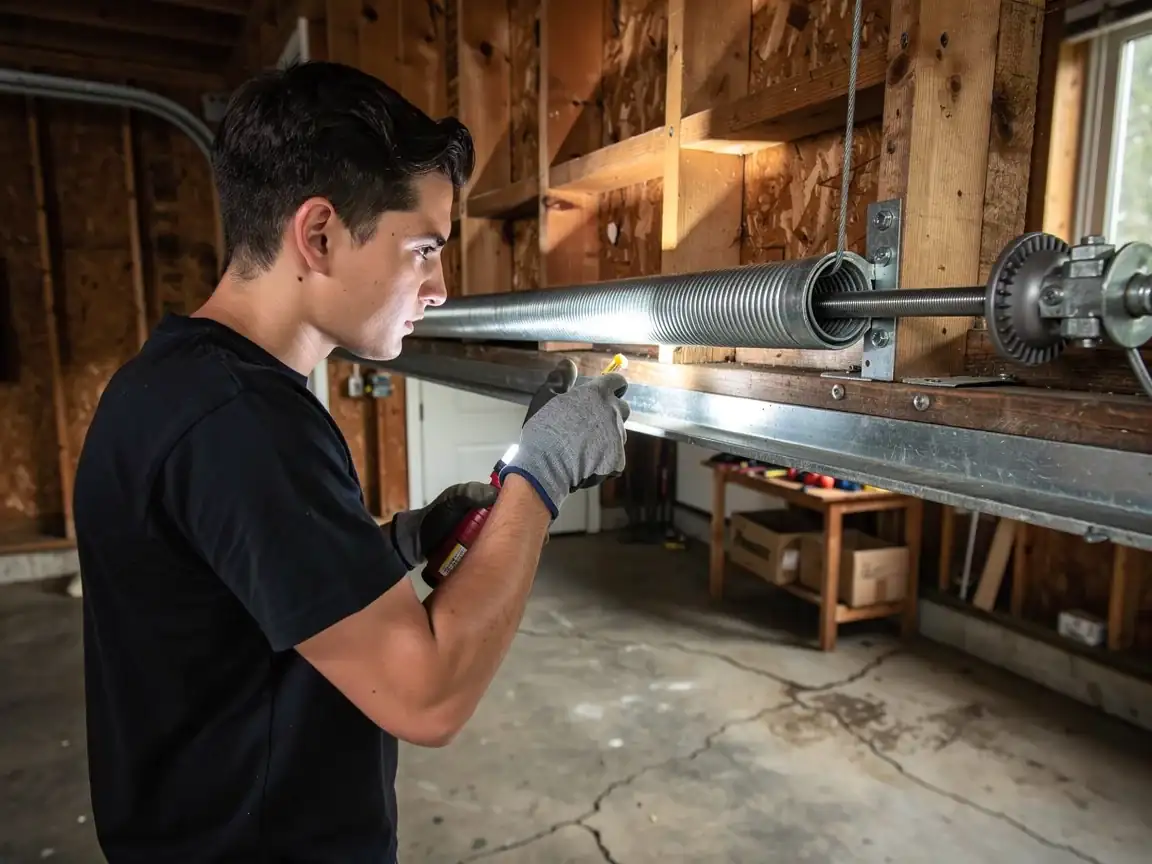
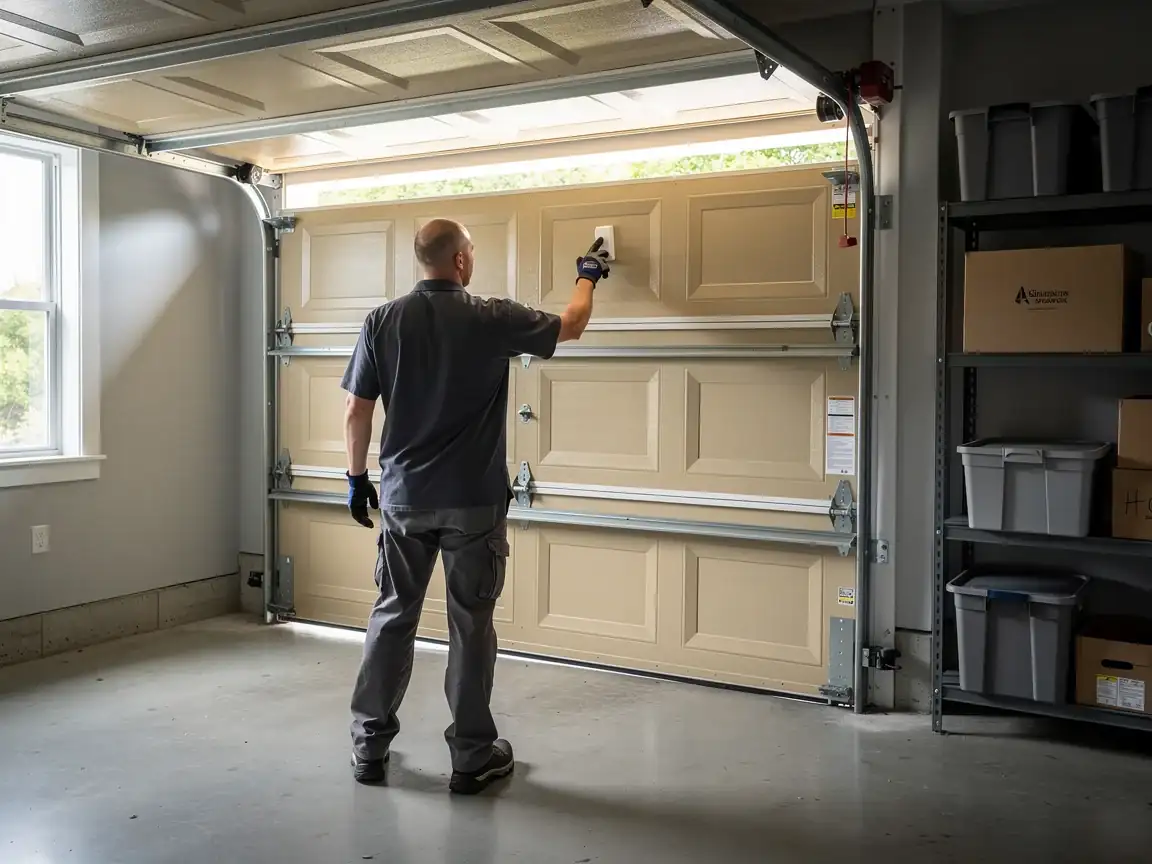
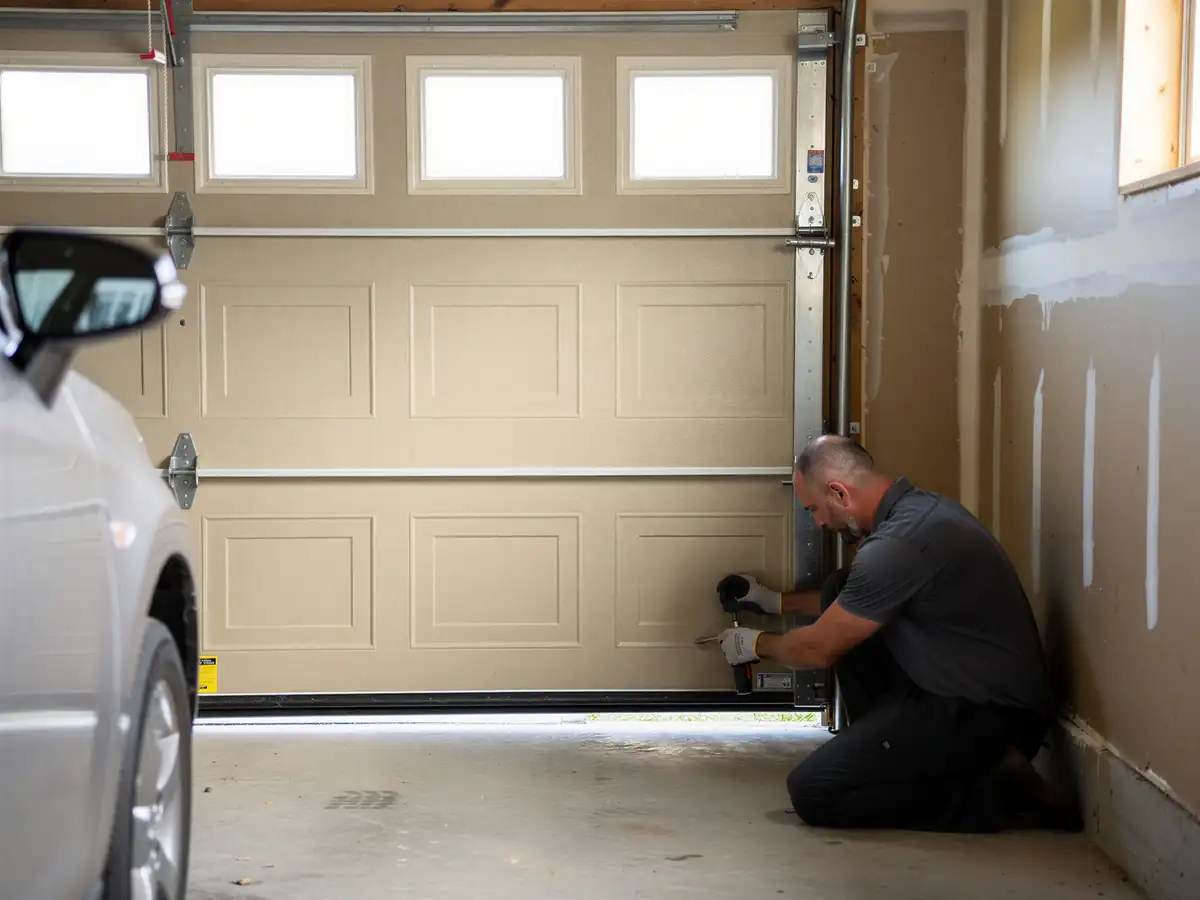
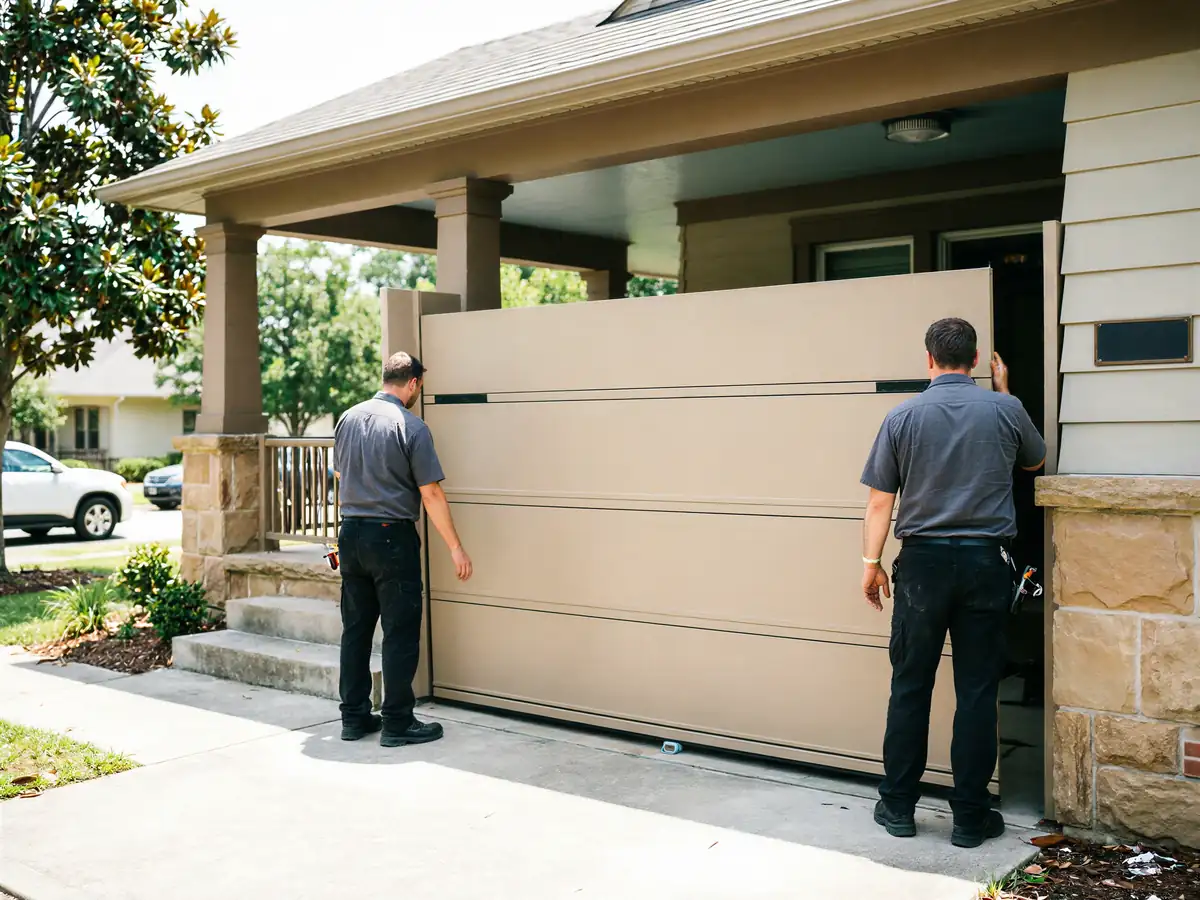
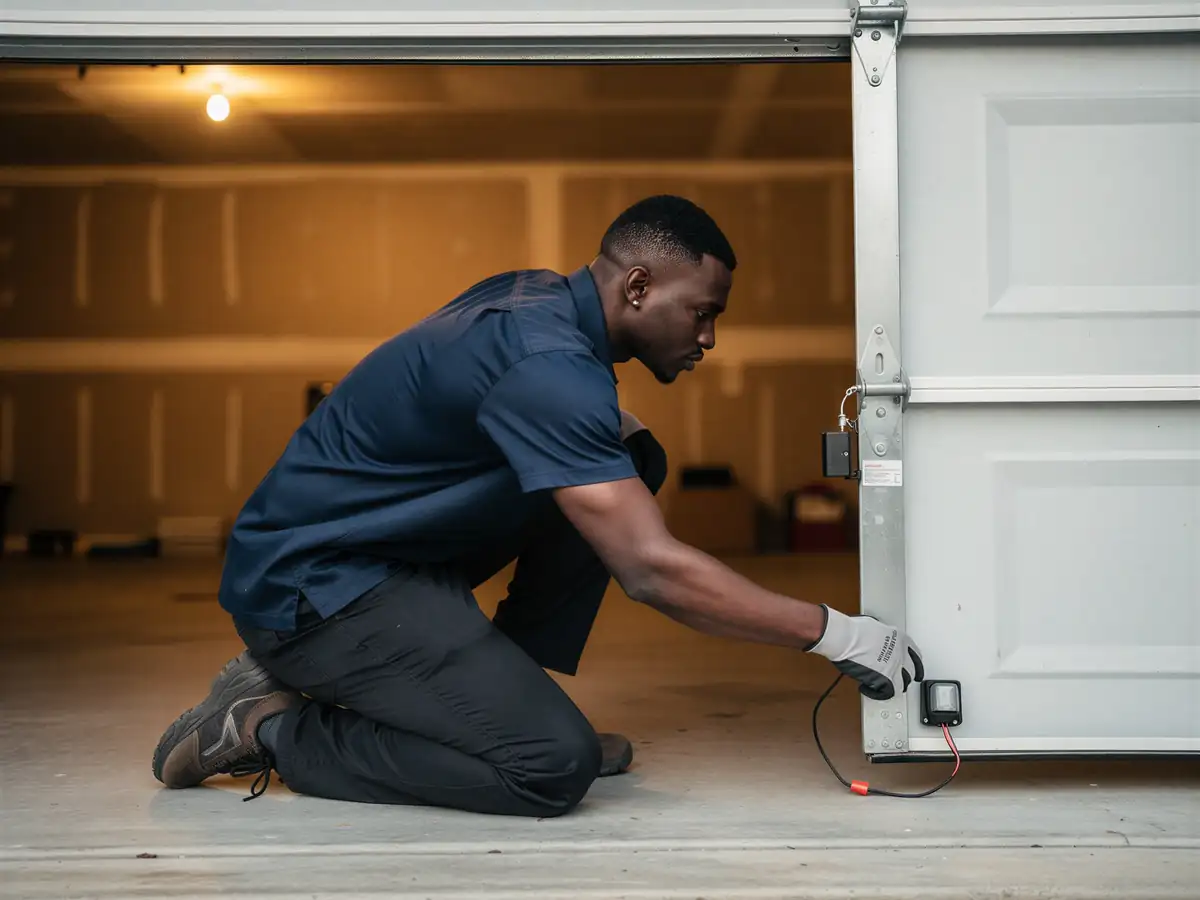
A full roller set replacement means the door comes off its track roller by roller
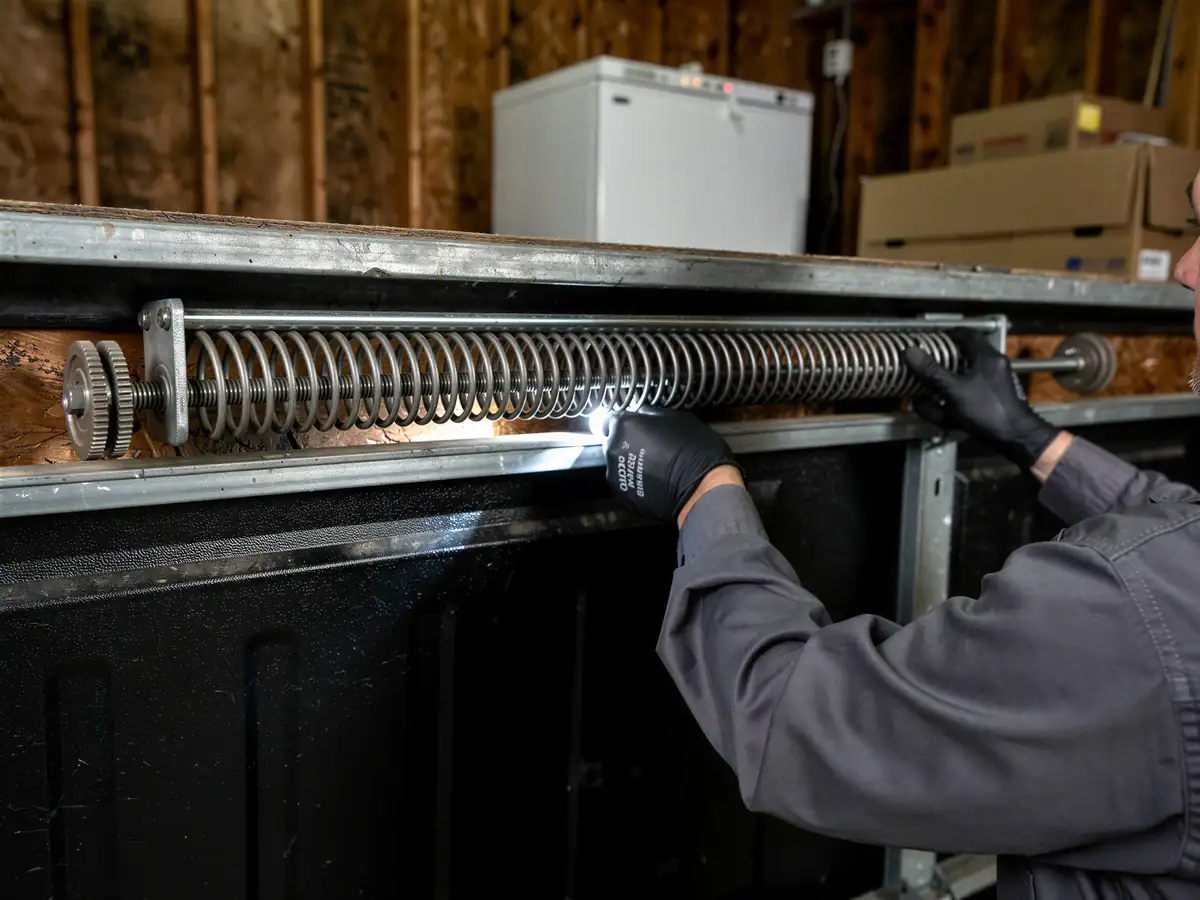
Usually starting at the bottom section and working up, with the door supported so the torsion spring stays loaded correctly the whole time. On a door built around 2005, the rollers are a standard 7-inch stem length with a 2-inch nylon wheel in most cases, sealed bearings, no lubrication required after install.
We also check the track itself while the rollers are out
Worn or dragging rollers put uneven wear on the track over years, and if the track has developed flat spots or the brackets have loosened, that gets addressed in the same visit rather than coming back to it later. One honest limit here: if the track is bent rather than just worn, that's a track repair or replacement job on top of the rollers, not included in a straight roller swap, and we'll tell you that before we start rather than after.
How It Shows Up
The first sign is usually noise - a rhythmic thump or grind as the door moves, worse on the way down than the way up, or a specific loud point partway through the cycle where one bad roller crosses a bend in the track. Homeowners sometimes mistake this for a spring problem because the door still opens fine, just louder. Mount Juliet's winters sit in the same cold-moderate band as the rest of this service area, and cold temperatures stiffen aging nylon, so a roller that was borderline quiet in summer can start grinding hard the first cold week of the year.
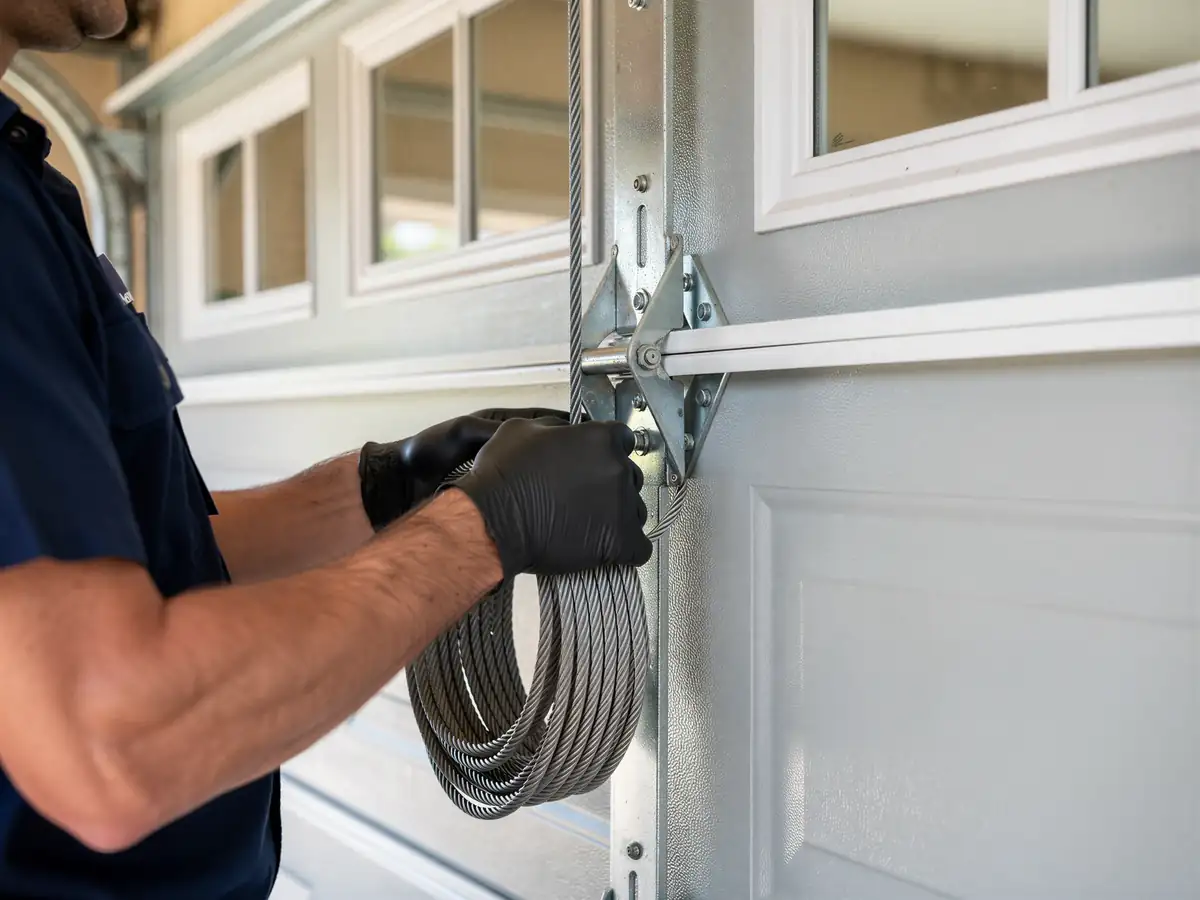
If you catch it at the noise stage, it's a straightforward roller job. If it's ignored, the dragging roller puts load on the opener motor and on the cable drum, and that's where a $200 roller job turns into a bigger bill.
How to Book
We cover Mount Juliet from our base in Hendersonville, about 9 miles out, along with the other communities in this part of the service area. There's no branch or crew stationed in Mount Juliet itself - every job here is a drive-out visit, scheduled like any other call. If you've got a 2000s-built house with a door that's started thumping or grinding on its way down, that's worth a look before it turns into a track or opener repair. See our coverage area for the full list of towns we reach, or read more on roller replacement work in general.