How It Shows Up
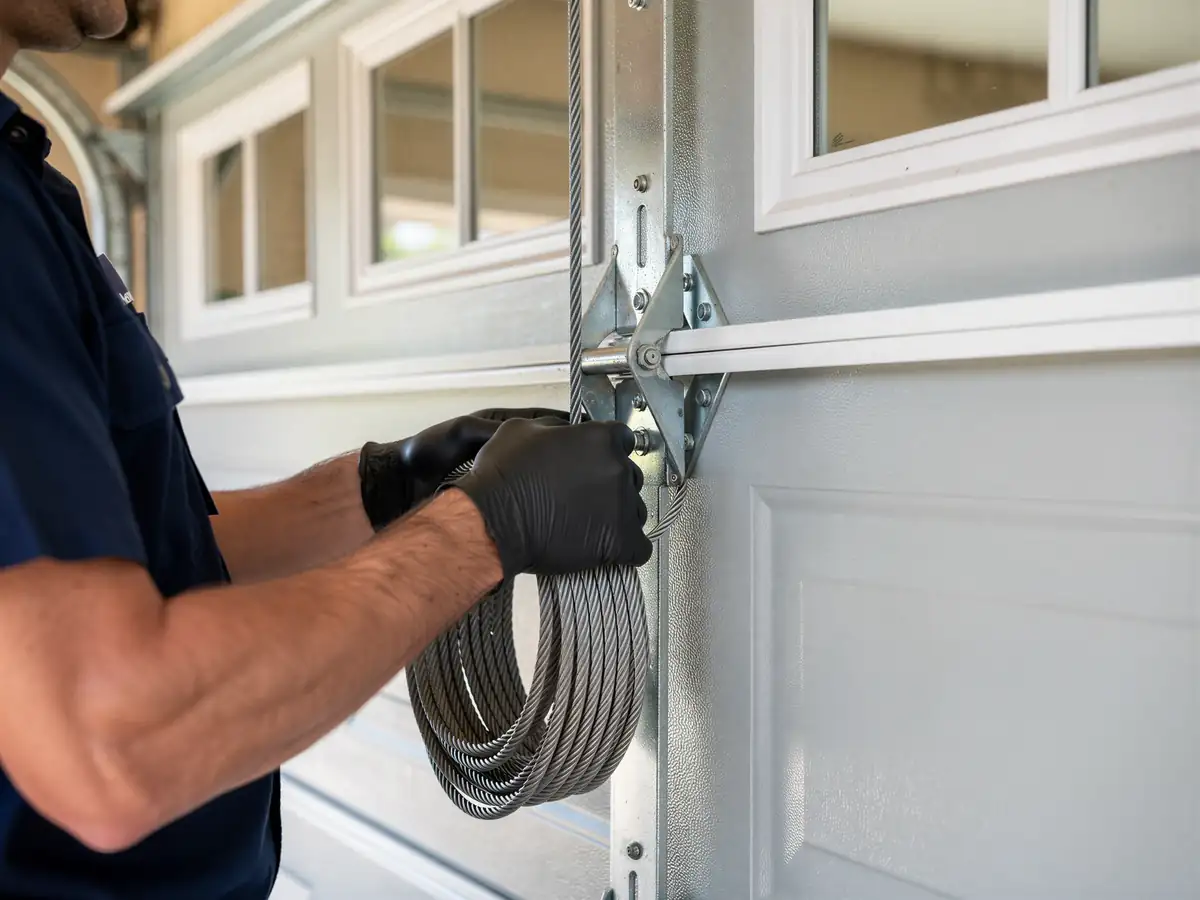
White House sits at a median household income of $87,315, higher than much of the wider Hendersonville service area, and that number matters more than it sounds like it should. At this income level, most owners here don't sit on a frayed cable for three weeks hoping it holds - they call when the door starts dropping unevenly or the cable visibly fans out at the drum, and that's usually still a repair, not a replacement.
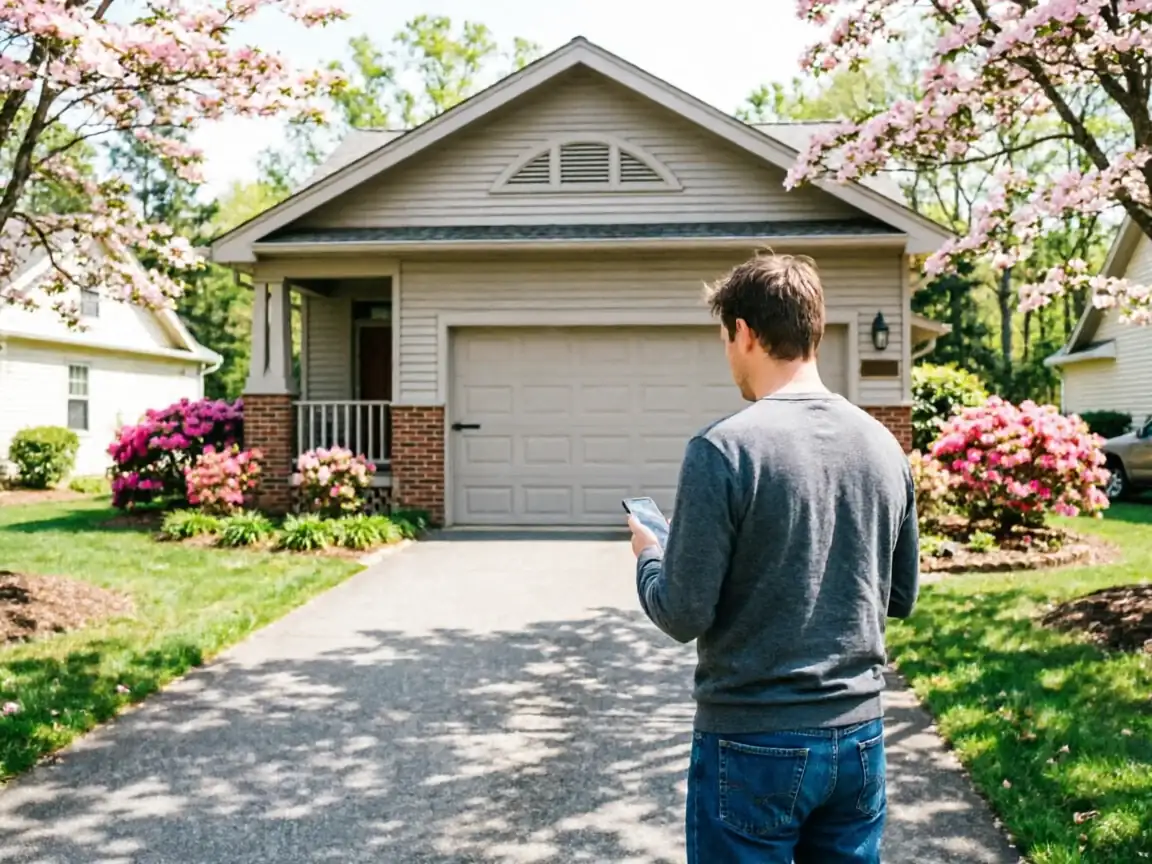
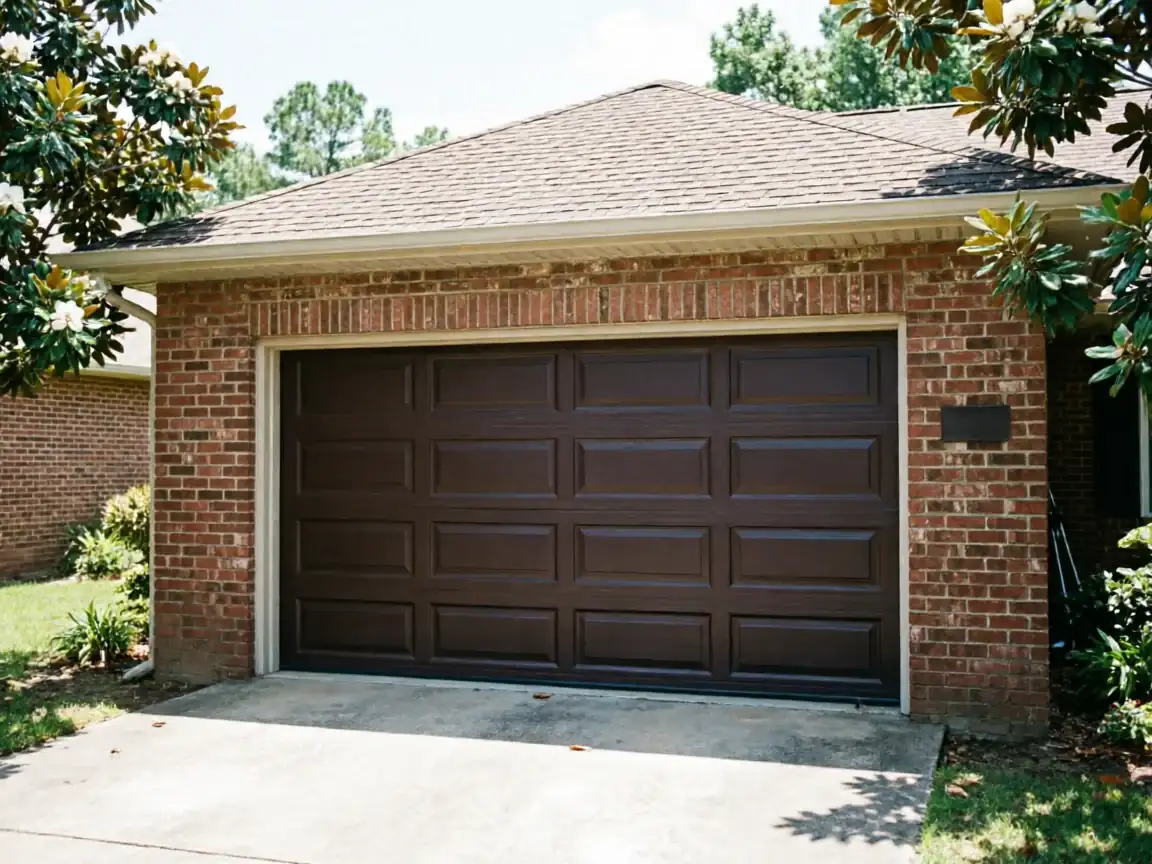
The houses themselves are part of the story. Median year built in White House is 2002, noticeably newer than the 1958-2005 range (median 1990) that covers the broader area this company works. A door built in 2002 is almost always on a galvanized aftermarket cable rated for its drum size, run through factory-set pulleys - not the older hand-fit hardware you find on a 1960s build. When that cable goes, it's wear or a nicked strand from a roller rubbing the wrong way, not a mismatch between old parts and a newer opener bolted on later.
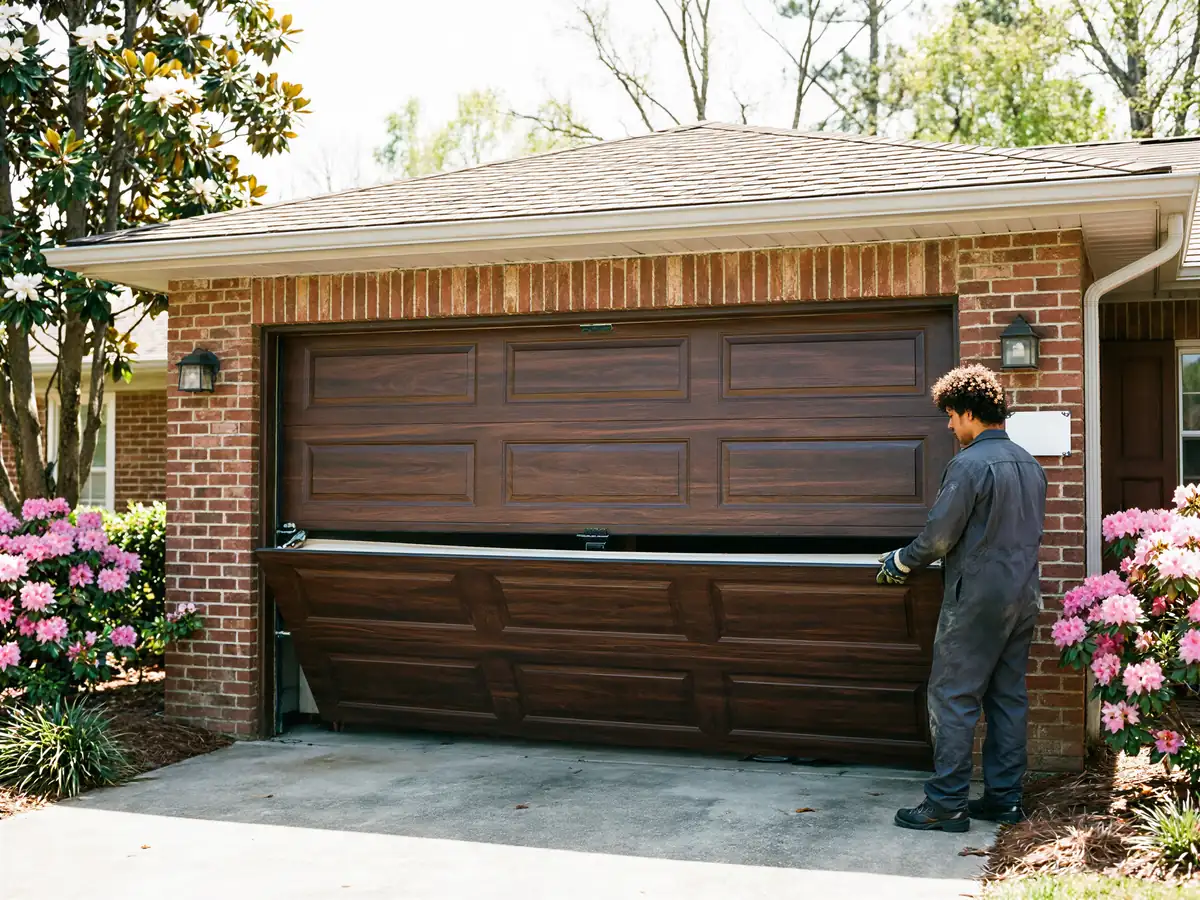
The other sign: a door that slams the last six inches instead of lowering evenly. That's one cable still holding while the other has let go, and it's not safe to run the door again until both sides are looked at.
The DIY Question
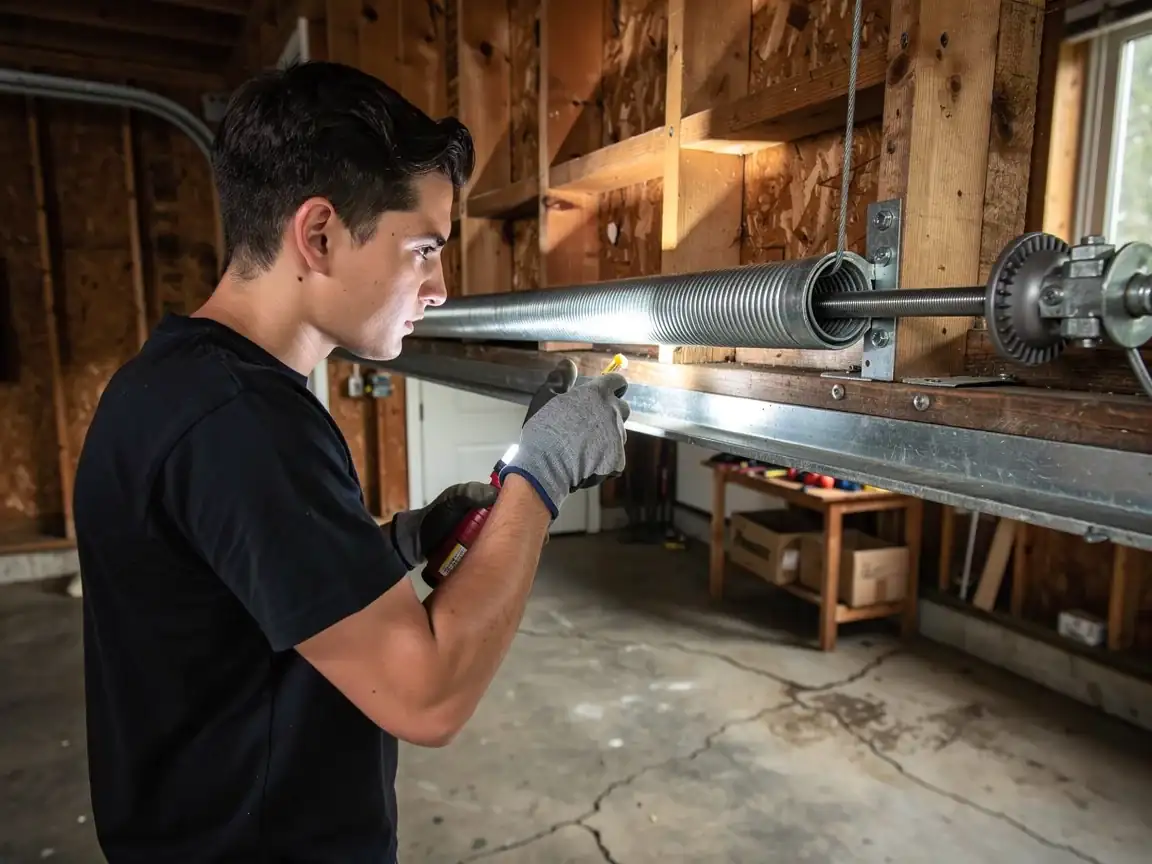
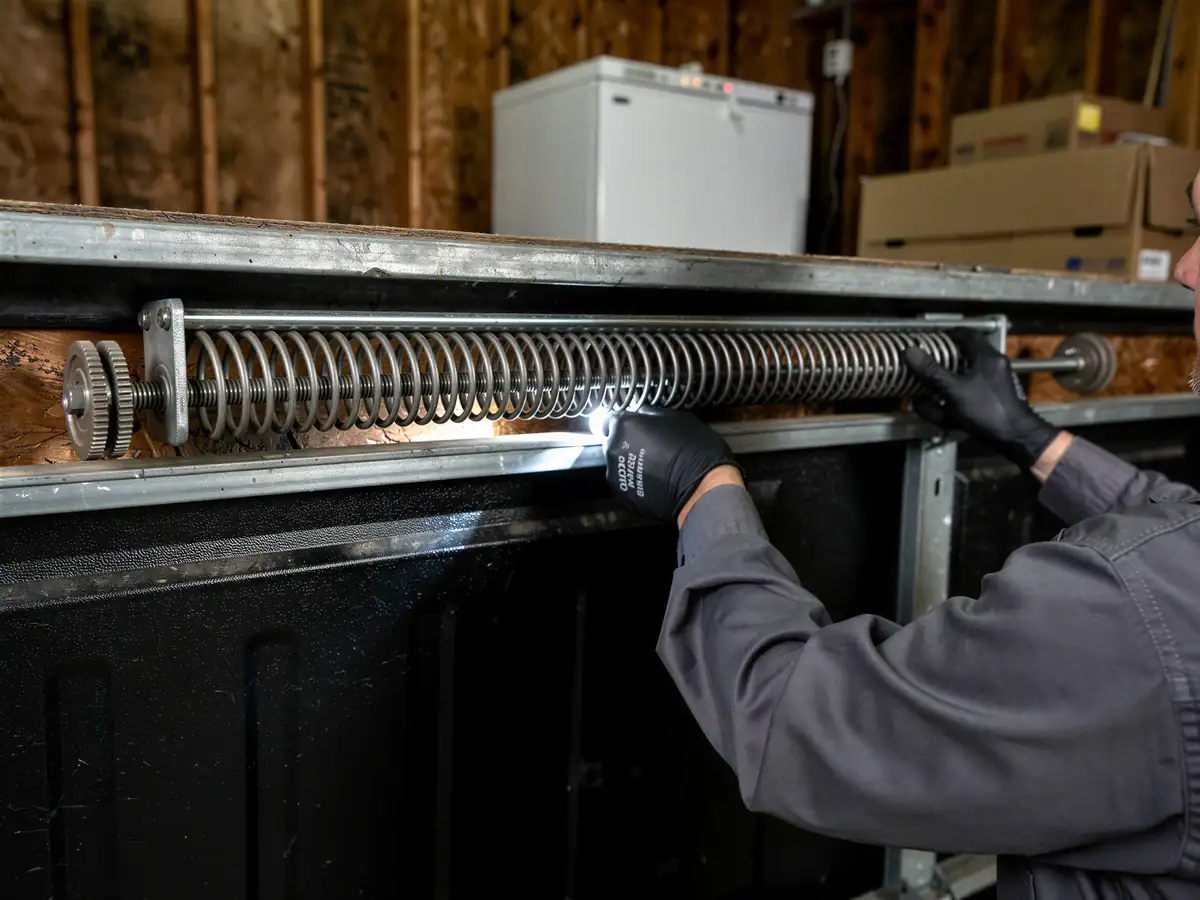
A snapped lift cable on a torsion system is under real tension even with the door down
And a wound spring next to a loose cable is not a weekend project - that part holds everywhere, regardless of town. Where it gets specific to a newer build like most of White House's stock: the drums and cable drilling on a 2002-era door are usually factory standard sizing, so the part itself isn't hard to source. The risk isn't finding the right cable - it's the spring tension while you're working next to it.
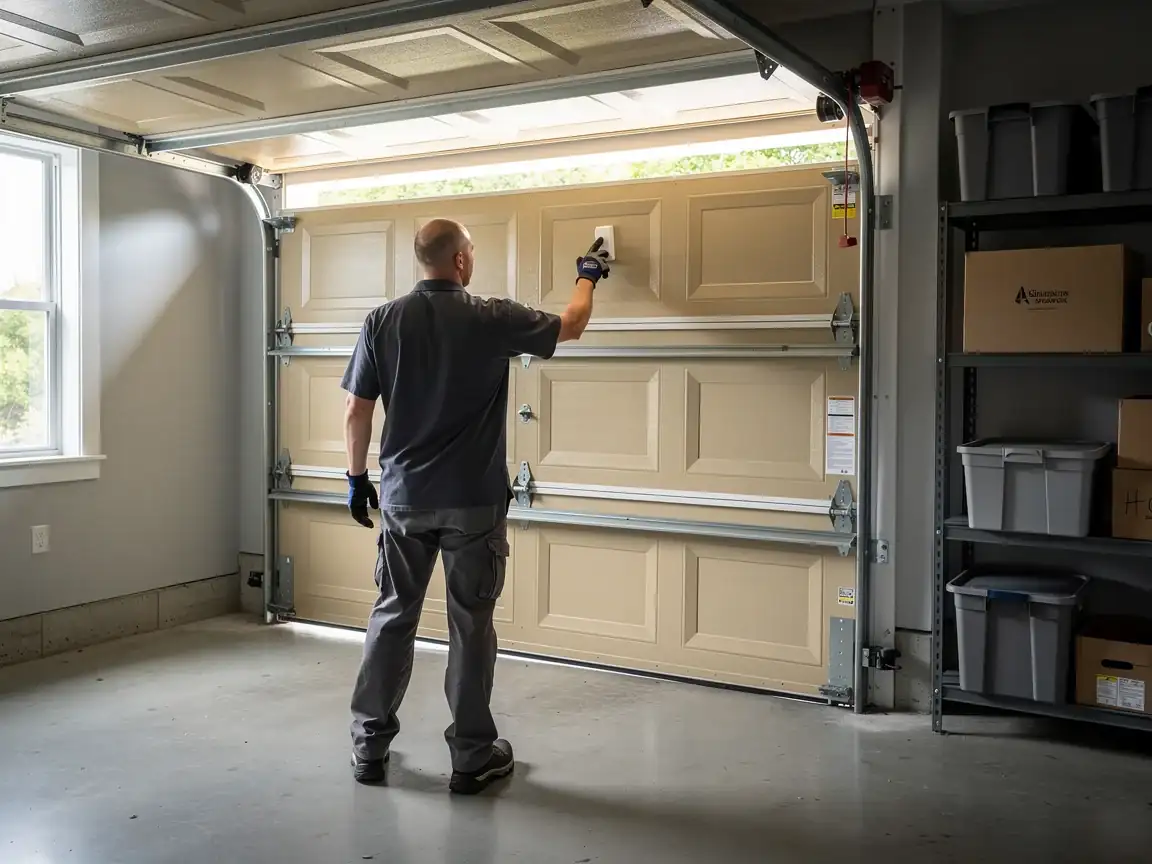
If the door is stuck half-open, leave it there
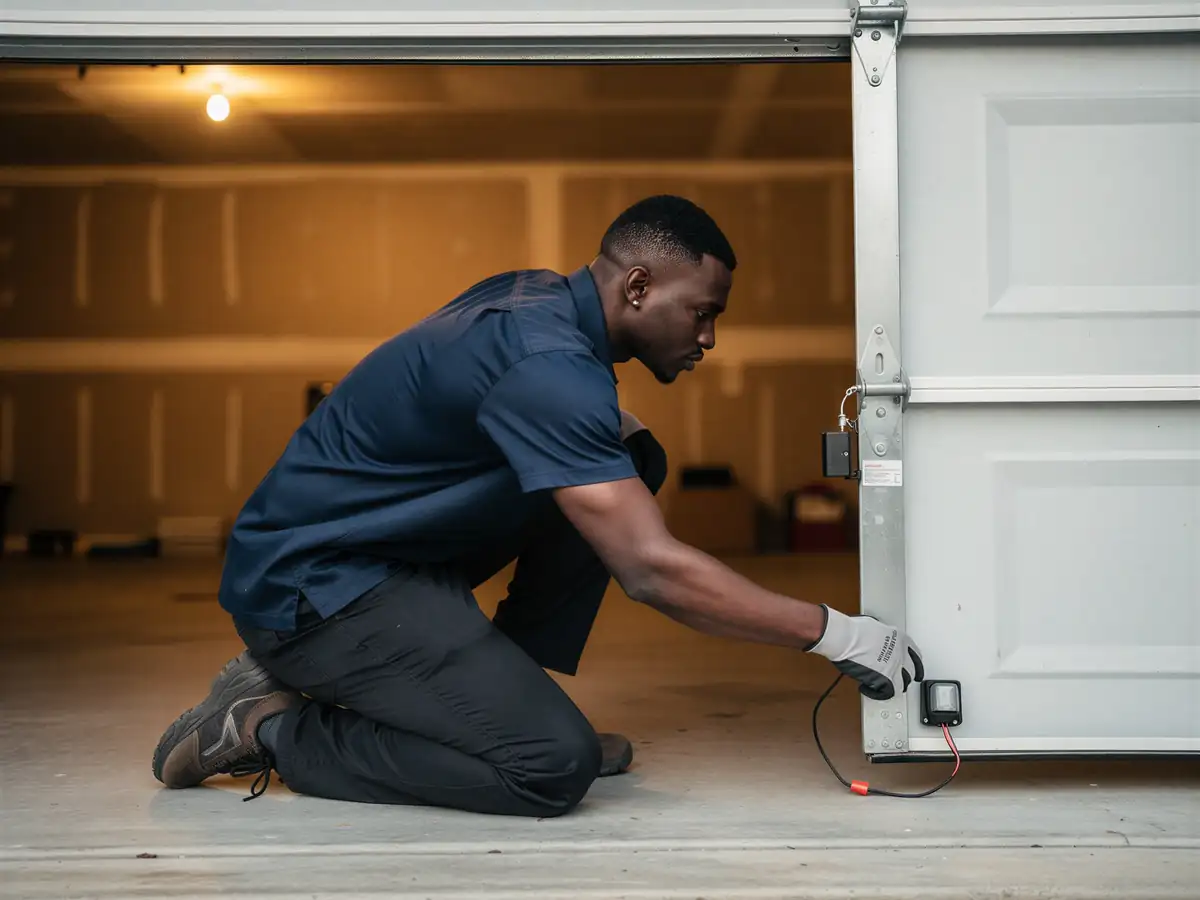
Don't force it by hand and don't run the opener again - that's how a cable finishes shredding or a cable drum cracks. Unplug the opener so nobody tries the wall button while you're waiting.
One honest limit: if the cable failure happened because a spring already let go, that's two problems, not one, and it usually costs about the same to fix both at once rather than twice
We'll tell you straight if that's what we're looking at instead of just swapping the cable and sending you off.
Parts We Carry
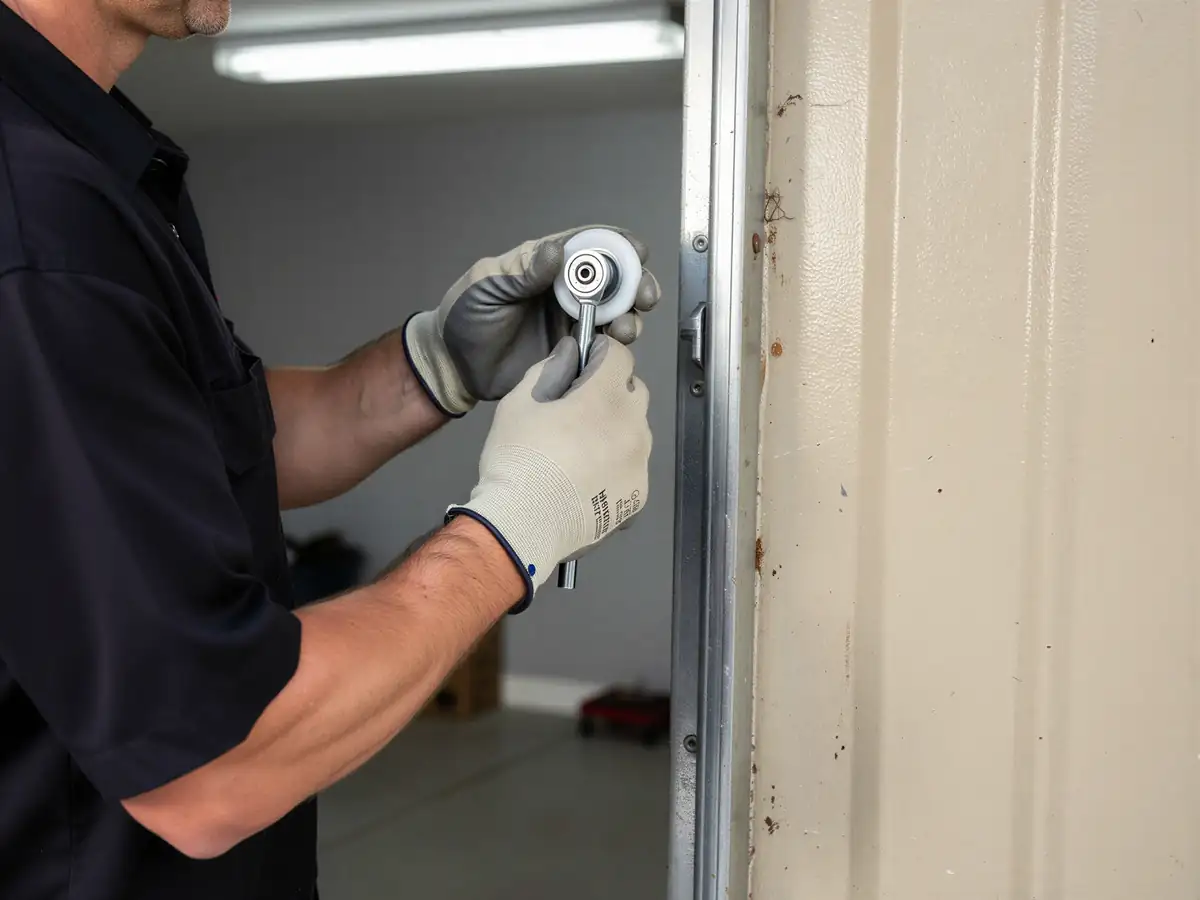
For a house built around 2002, the cable spec is almost always a standard aftermarket gauge for a residential torsion or extension system, which means we're not waiting on a special-order part for a White House call. The truck carries galvanized lift cables in the common drum sizes, end fittings, and the small aluminum ferrules that get swaged onto the cable end - that ferrule is usually what actually fails before the cable wire itself does.
What we don't carry on the truck: cable for doors with non-standard or custom drum sizing, which shows up more on older or architecturally unusual builds than on the 1990s-2000s stock common in this part of the service area. If that's the case, we'll measure on site and order it rather than guess.
We travel to White House from Hendersonville, about 12 miles out, so the parts on hand when we arrive are what get the job closed that same visit for the standard cases.
How to Book
Tell us it's a cable when you call - a snapped cable, a door hanging crooked, or one side dropping faster than the other - so the right stock is already loaded before the truck leaves Hendersonville for the 12-mile run out to White House. Have the door's approximate age handy if you know it; for most houses in this area that's early 2000s or later, which narrows down hardware fast.
If the opener still runs the door partway or the door won't move at all, say that too - it changes whether this is a straight cable swap or something tangled with the spring or the opener itself. We'd rather ask on the phone than guess on site and come back with the wrong part.
What the Repair Takes
A single snapped cable on a standard residential door
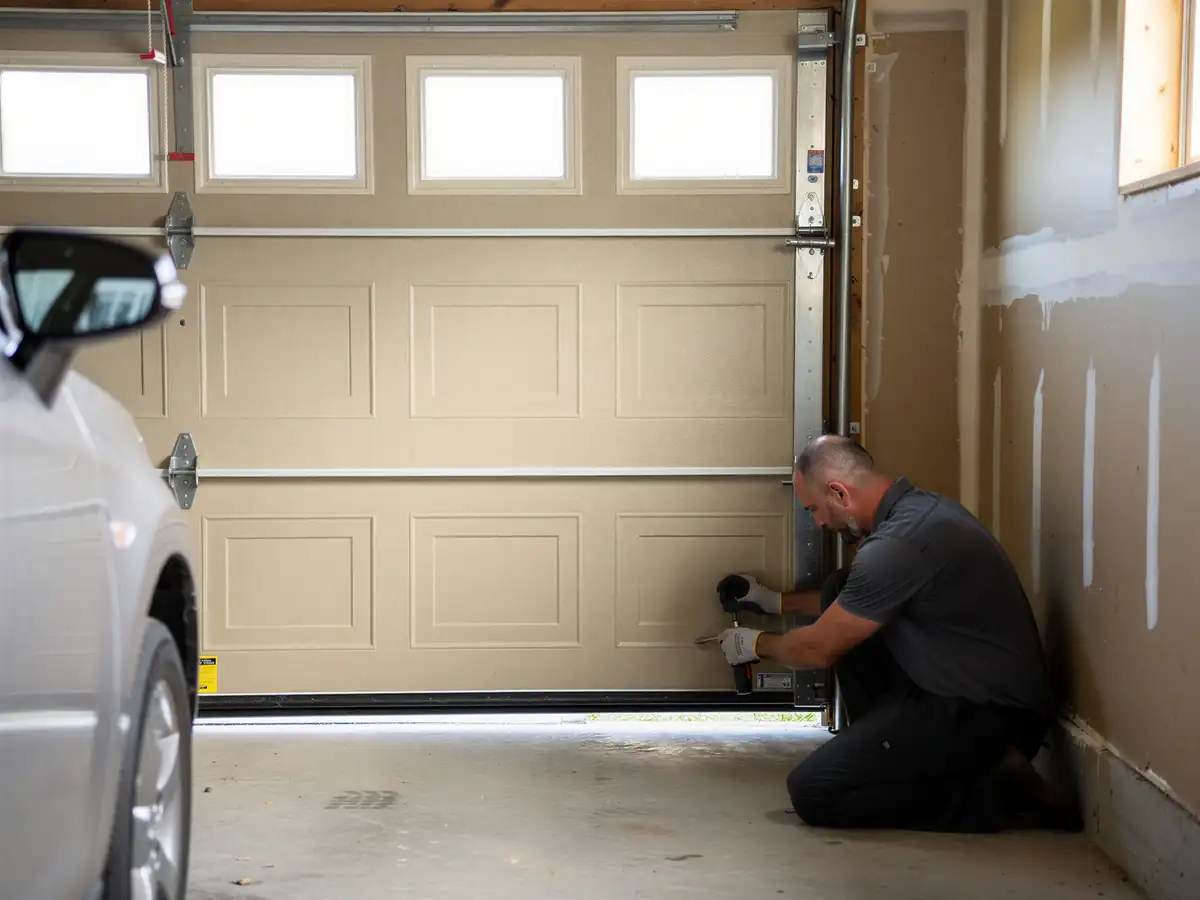
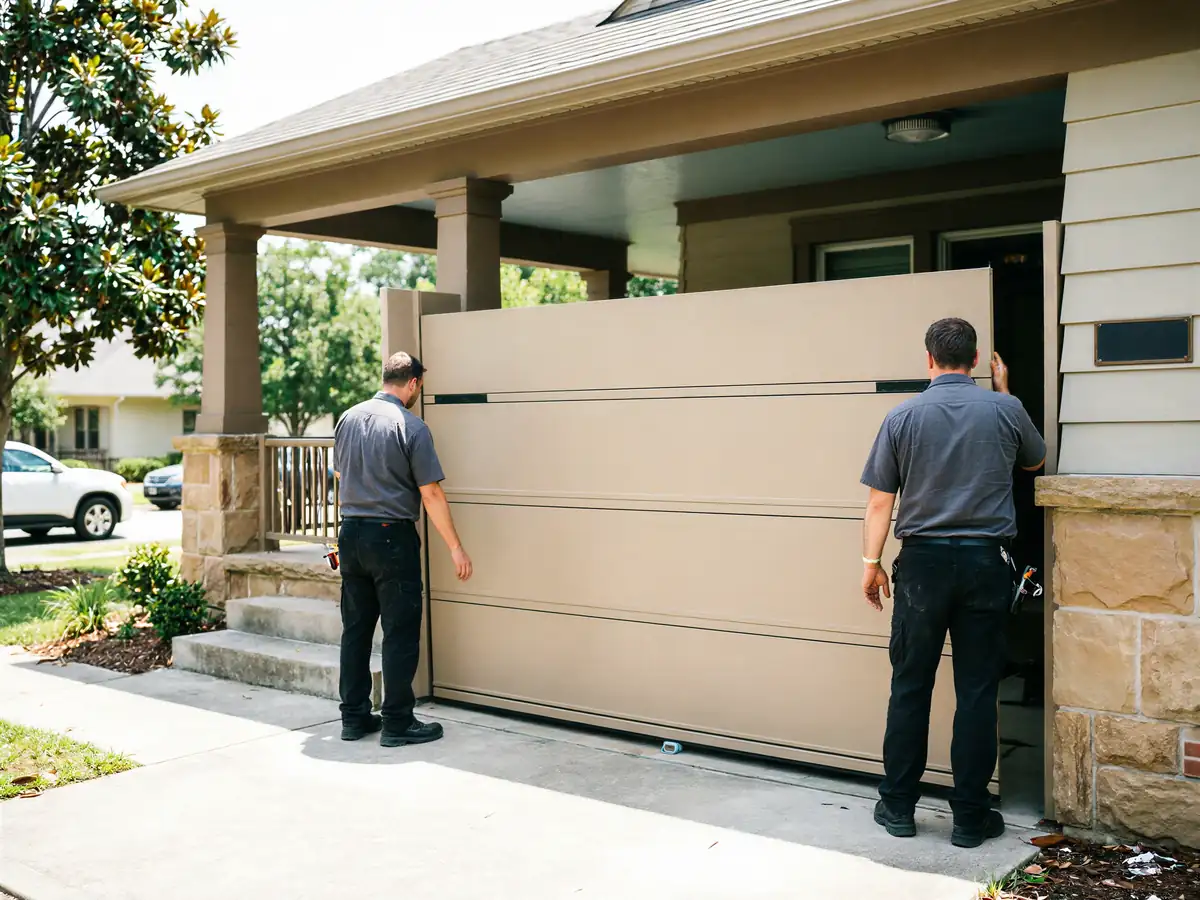
With no spring damage, is a same-visit job once we're on site - the cable gets replaced, the drums checked for wear groove, and the door balanced and run through a few cycles before we leave. Where it runs longer: if both cables are original to a 2002-era install and one just failed, the other is close behind, and replacing both now instead of waiting for the second failure saves a second trip.
Cold-weather note for this area
In the colder months the climate here is on the moderate end rather than severe, but a cable under tension in cold metal is still stiffer and more prone to fraying at the drum than in warmer months - worth mentioning if your failure happened on a cold morning, since it's rarely coincidence.
We don't push replacement on a cable-only failure
If the door, opener, and springs are otherwise sound, a new cable is a new cable - we're not going to talk you into a full door over it.