How It Shows Up
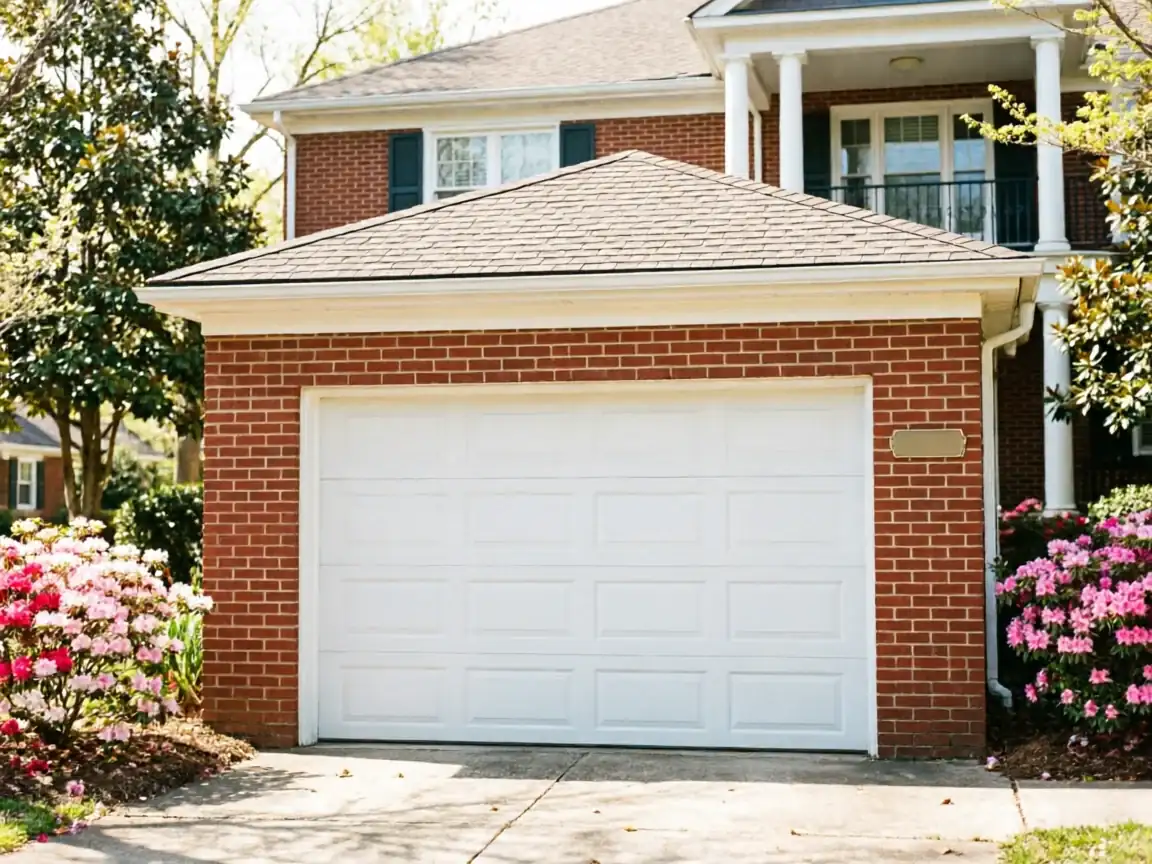
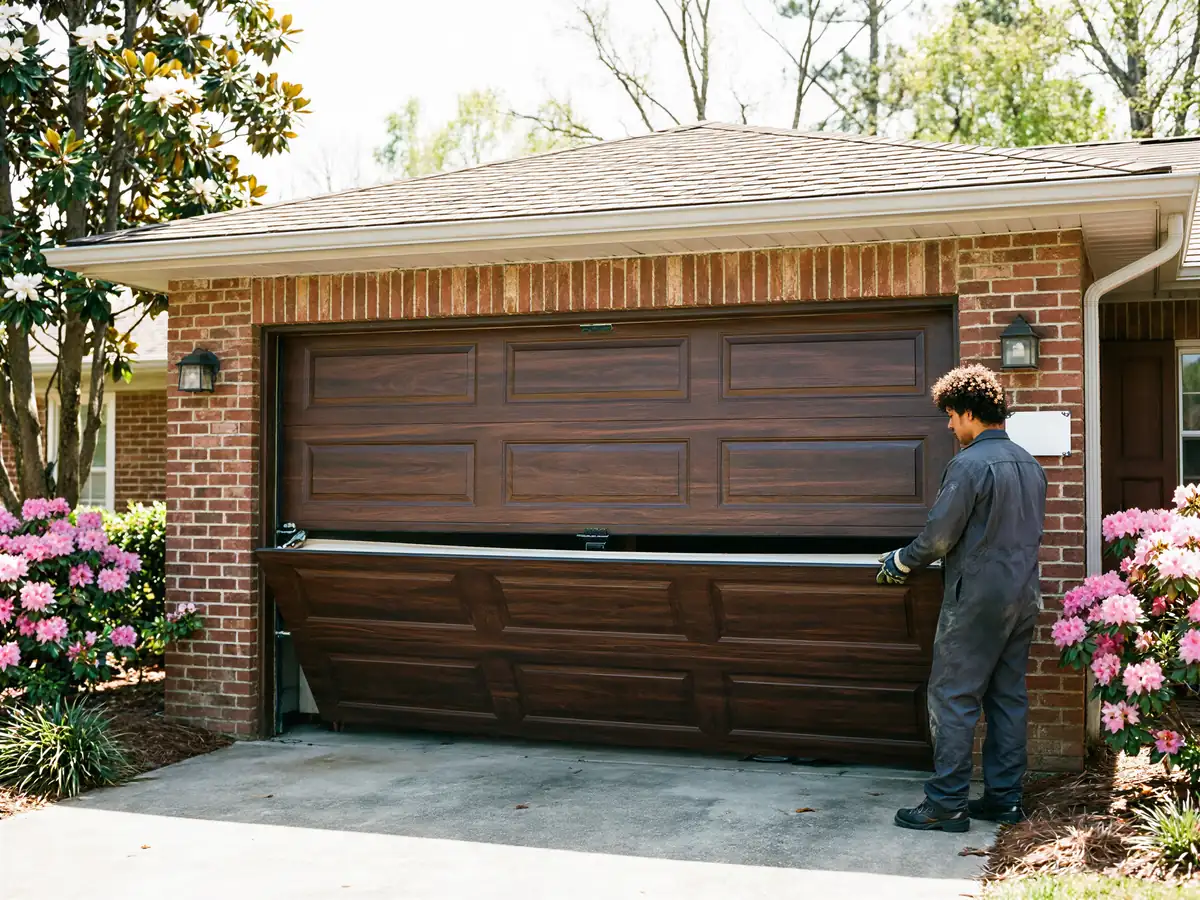
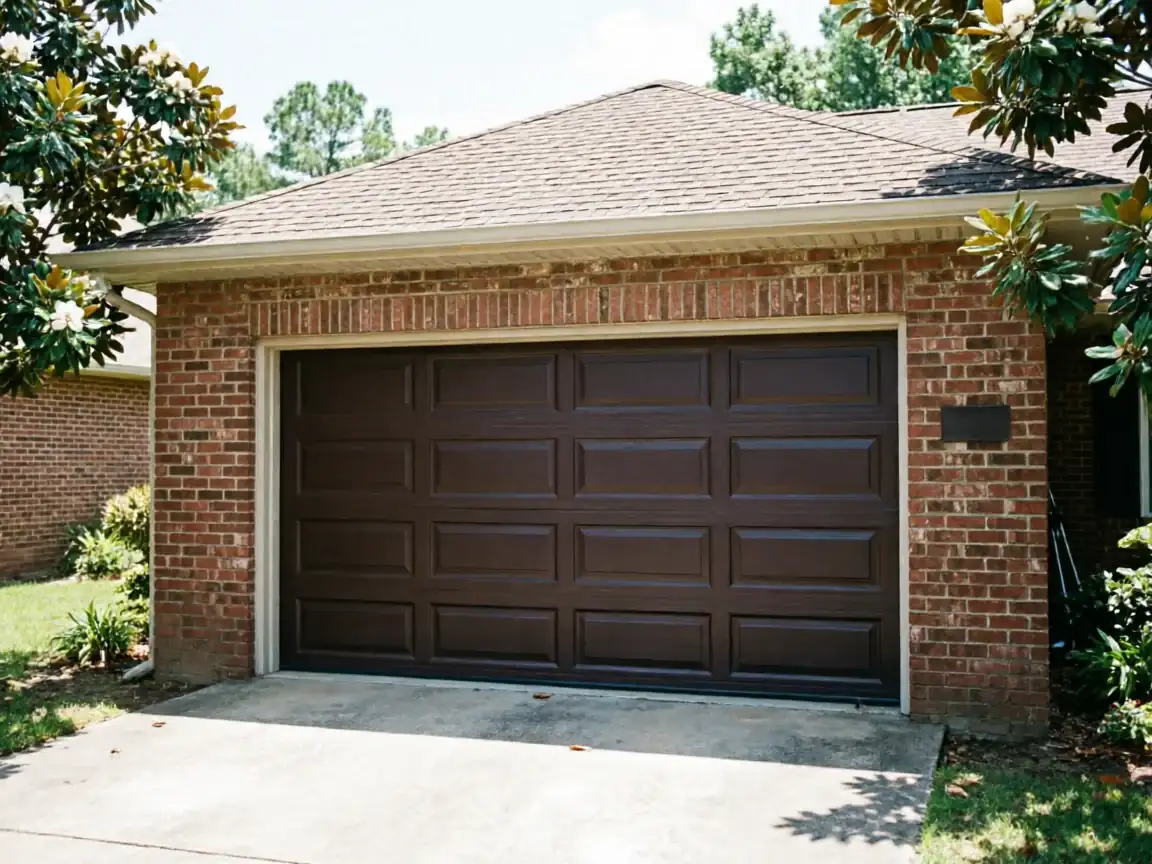
Most houses in White House went up around 2002, which puts the bulk of the stock a decade or two newer than what you'd find closer in toward Hendersonville. That matters here because a house built in that window almost never had its rollers touched. The door still opens and closes, the opener still works, so nobody thinks about the eight or ten small wheels running the track - until one grinds, jumps, or cracks and the door starts shuddering on its way up.
Builder-grade doors from that era came standard with plastic rollers, not nylon or steel ball-bearing ones. Plastic has a service life, and twenty-plus years of cold-season stiffening is close to the end of it. In this part of Tennessee the winters aren't severe, but they're enough - cold tightens the grease in the roller stem and makes a brittle wheel more likely to chip or flat-spot rather than just wear smooth. That's usually the first real hardware failure a 2002-built garage door sees, because everything else on it was built to outlast the roller.
If you hear a rhythmic thunk as the door travels, or see a wheel riding crooked in the track, that's this fault, not a spring or opener problem.
The DIY Question
Rollers are one of the few garage door repairs where a careful homeowner can do real harm to themselves without doing much to the door
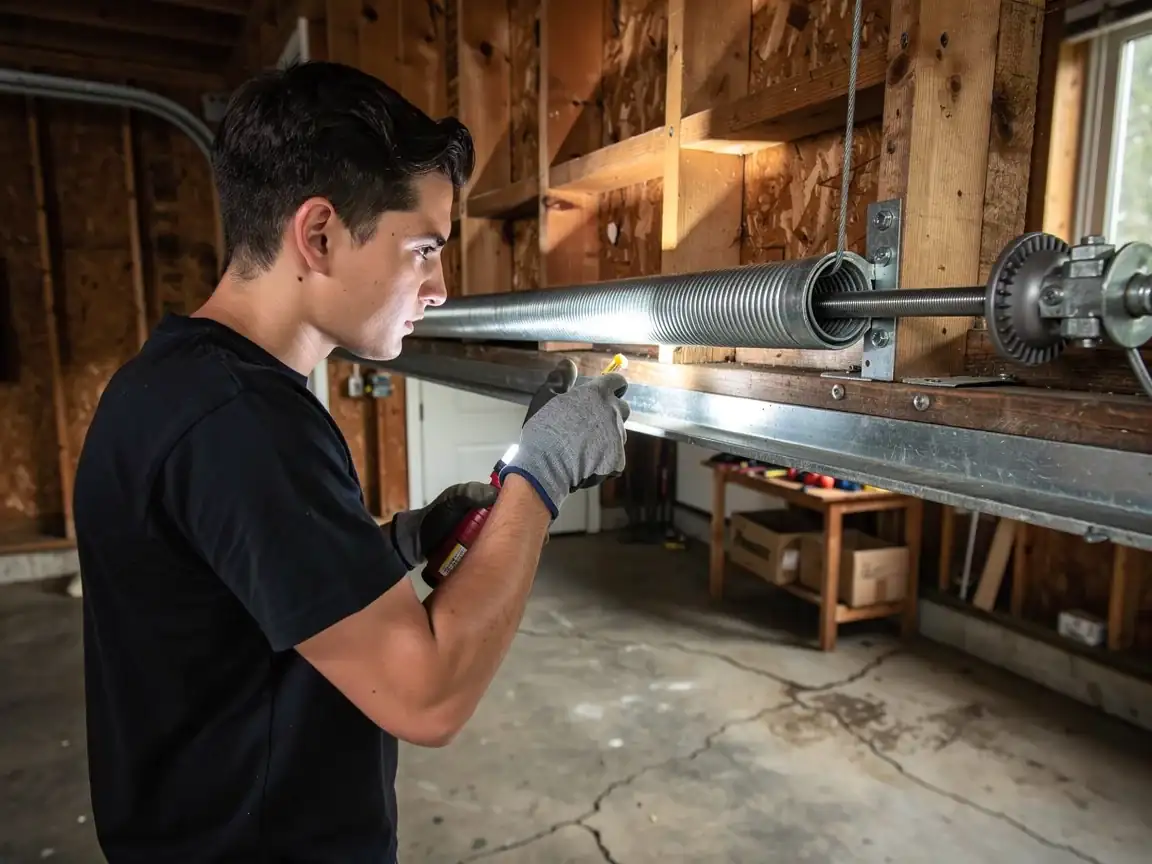
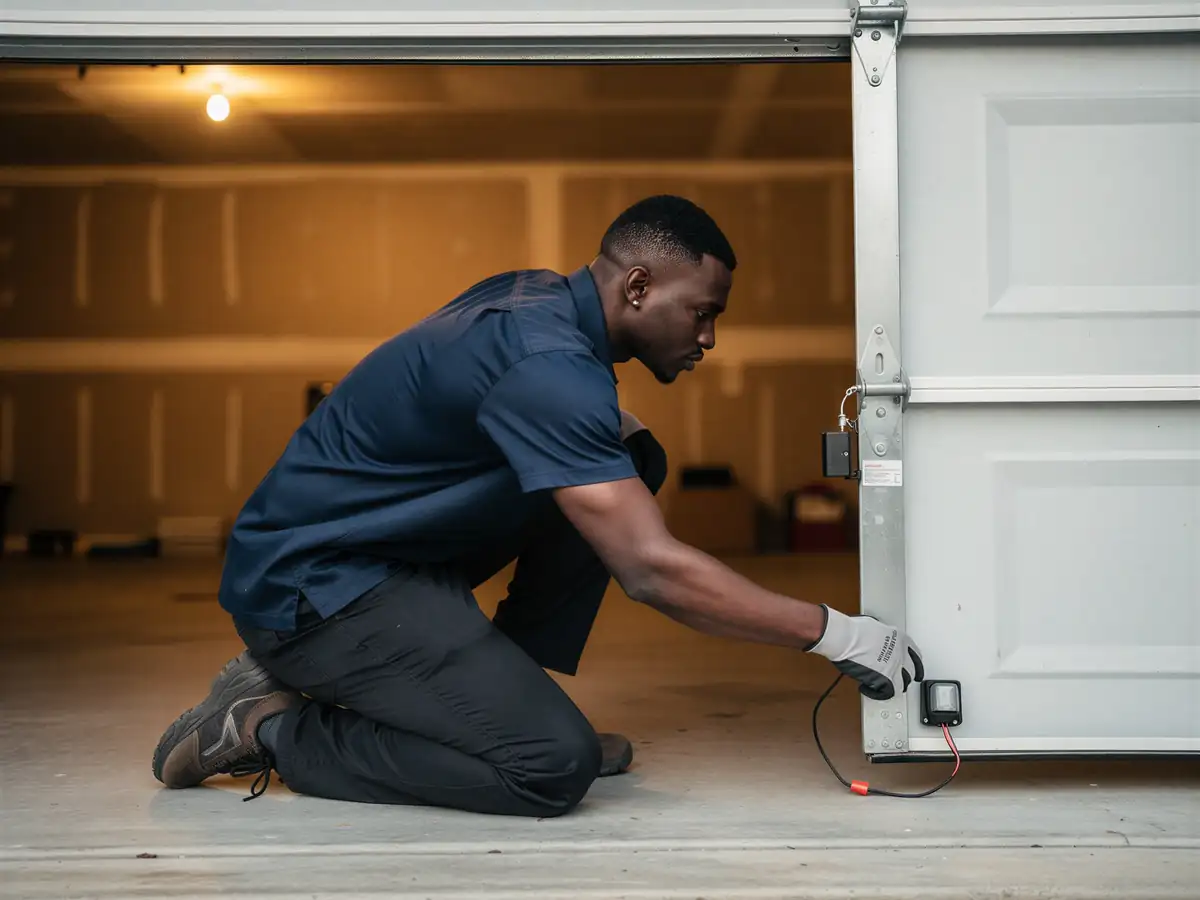
The bottom rollers sit inside a track under spring tension from the cables running past them, and the top rollers sit at the hinge point closest to where the door curves onto horizontal track - both are places where a slipped tool or a dropped door section can take a finger.
Swapping a single roller on a lightweight aluminum door with the door propped and the opener disconnected is within reach for someone handy
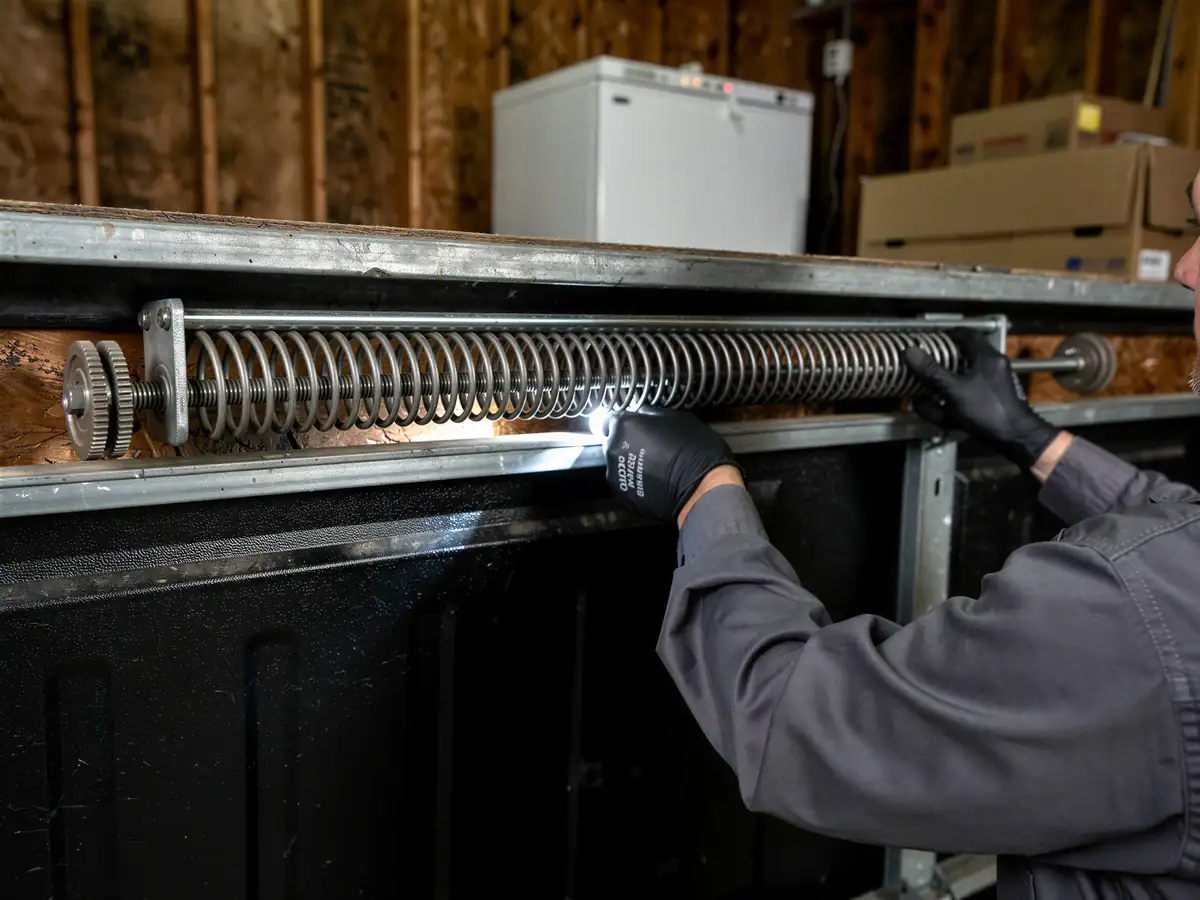
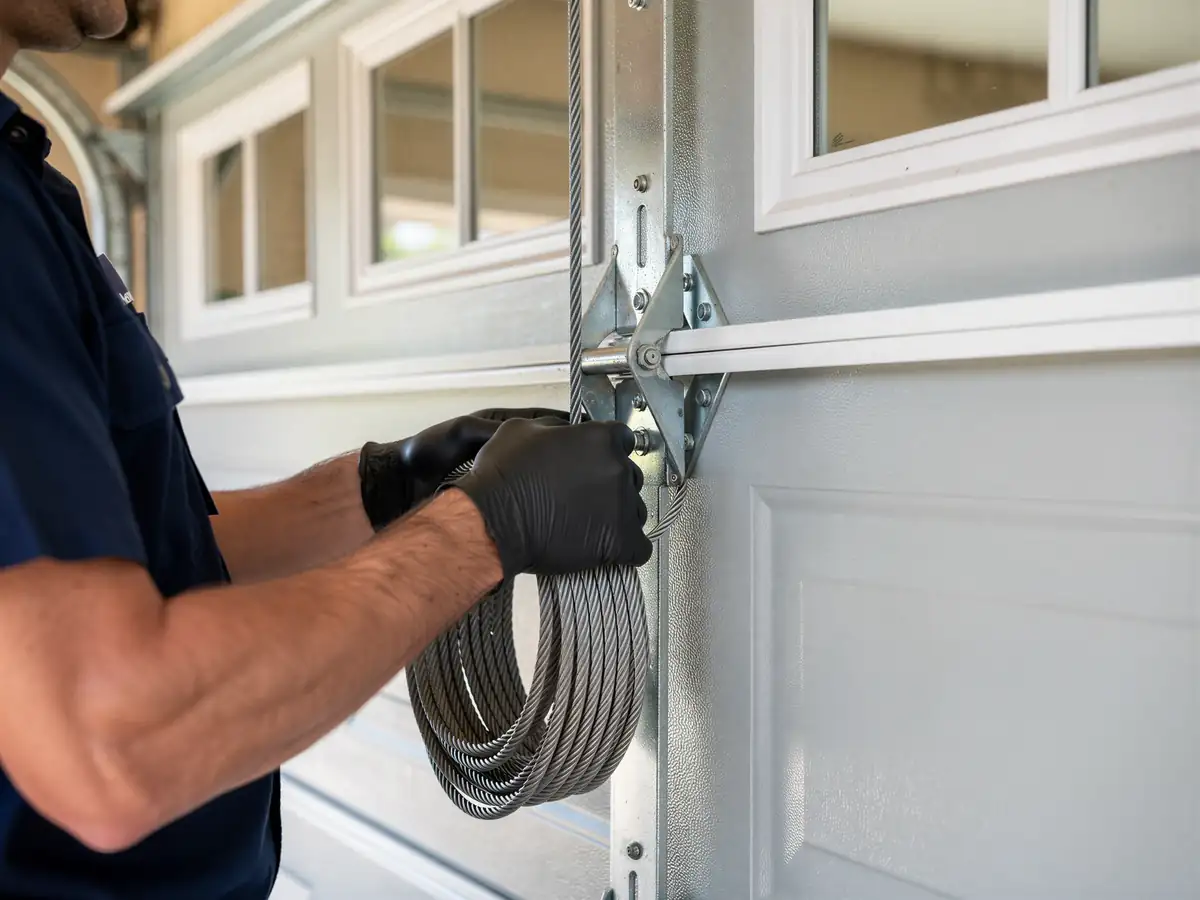
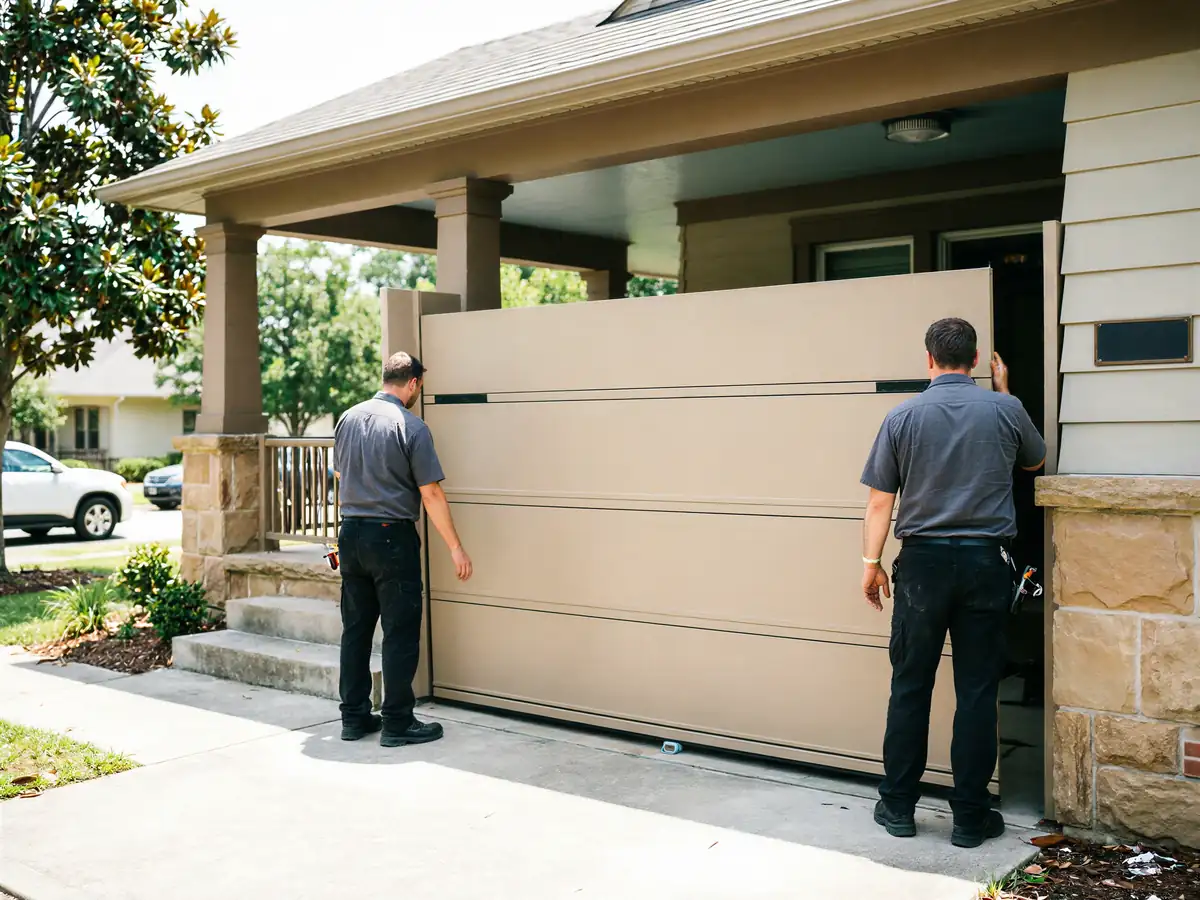
Swapping a full set on a heavier steel door, especially one where the stems are bent or the track is pulling away from the bracket, is a different job. You're now working around spring tension and a door that can come off its rail if a bracket lets go mid-swap.
Our honest limit here
We don't talk anyone through this over the phone, because the risk sits with whoever's hands are on the door, and we'd rather drive the 12 miles from Hendersonville and do it once than talk you into something that goes sideways.
- 12 miles
Parts We Carry
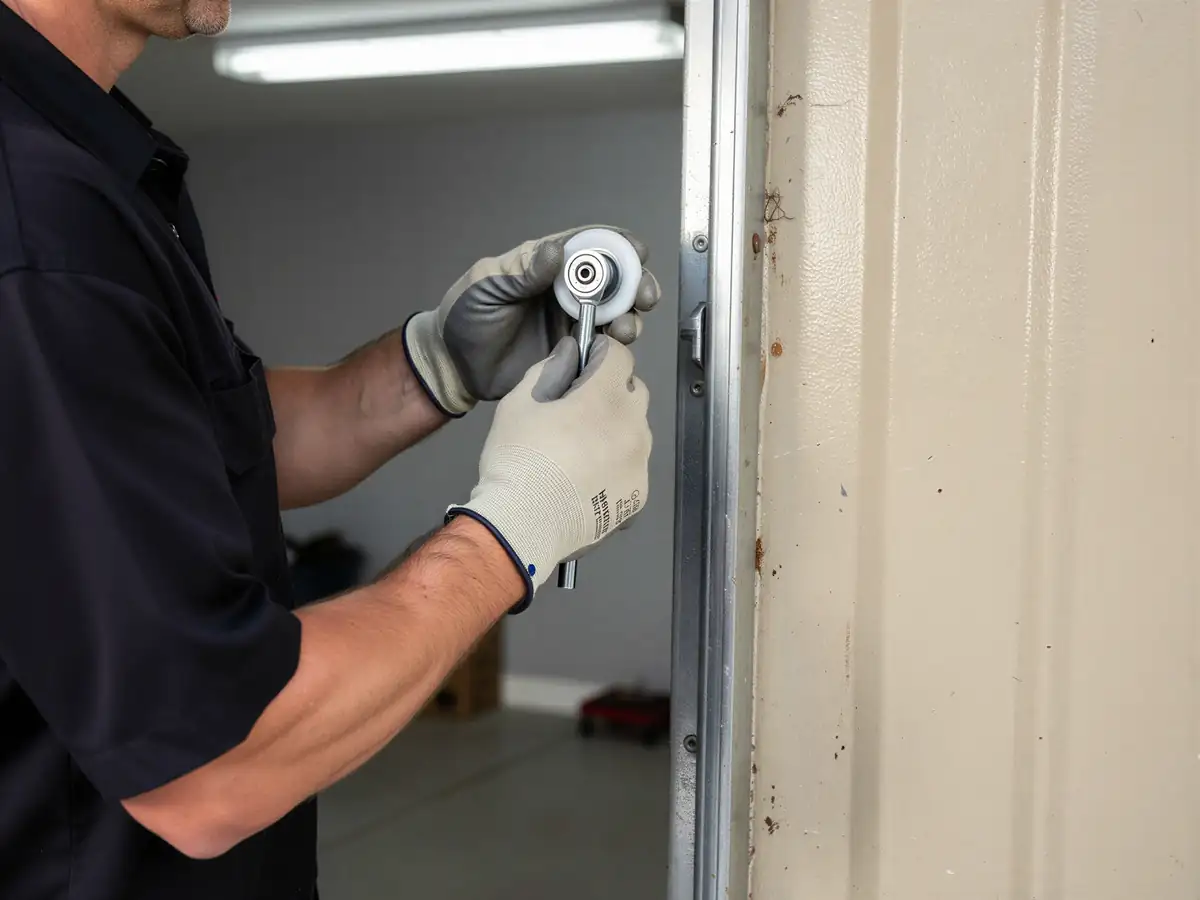
We stock nylon rollers with sealed ball bearings as the standard replacement, since they run quieter than plastic and hold up better through repeated cold-to-warm cycling than the original builder-grade wheels did. For doors where the track itself has worn a groove from twenty years of a harder original roller, we carry stem lengths to match the original hole spacing so you're not drilling new brackets.
We don't stock every steel roller size made - some older commercial-style doors use a stem and wheel diameter we'd need to order in, and if that's your door we'll say so on the first visit rather than guess at a fix that won't fit. For the standard residential doors common to White House's 2002-era stock, the parts we carry on the truck cover the job in one trip.
How to Book
We run roller replacement calls out to White House from our Hendersonville location, 12 miles up the road. Book through the White House coverage page and we'll get details on your door - age, whether it's steel or aluminum, how many panels - before the truck rolls so the right rollers are already on board.
If you're also dealing with a noisy opener or a door that's slow to close, mention it when you book. Roller noise and opener strain often show up together on doors this age, and it's worth having both looked at on the same visit instead of two separate calls.
What the Repair Takes
A full roller set on a standard double door
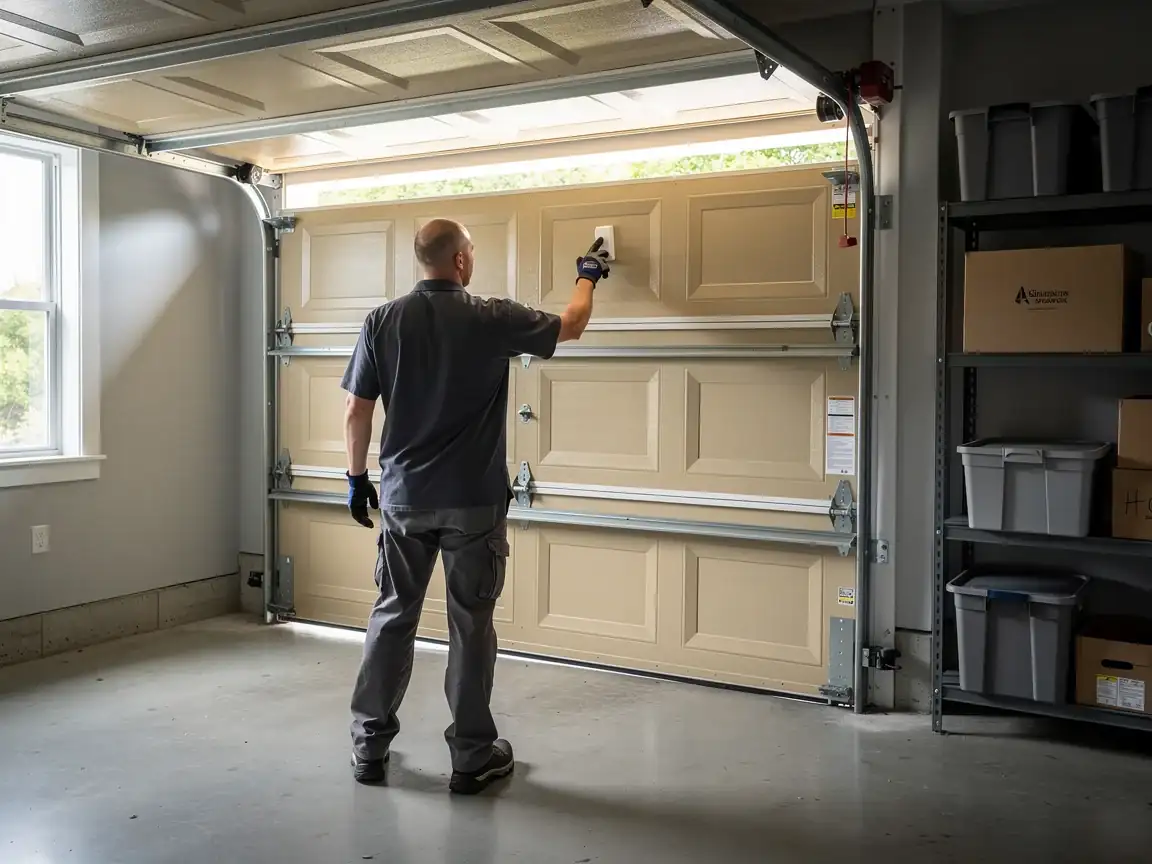
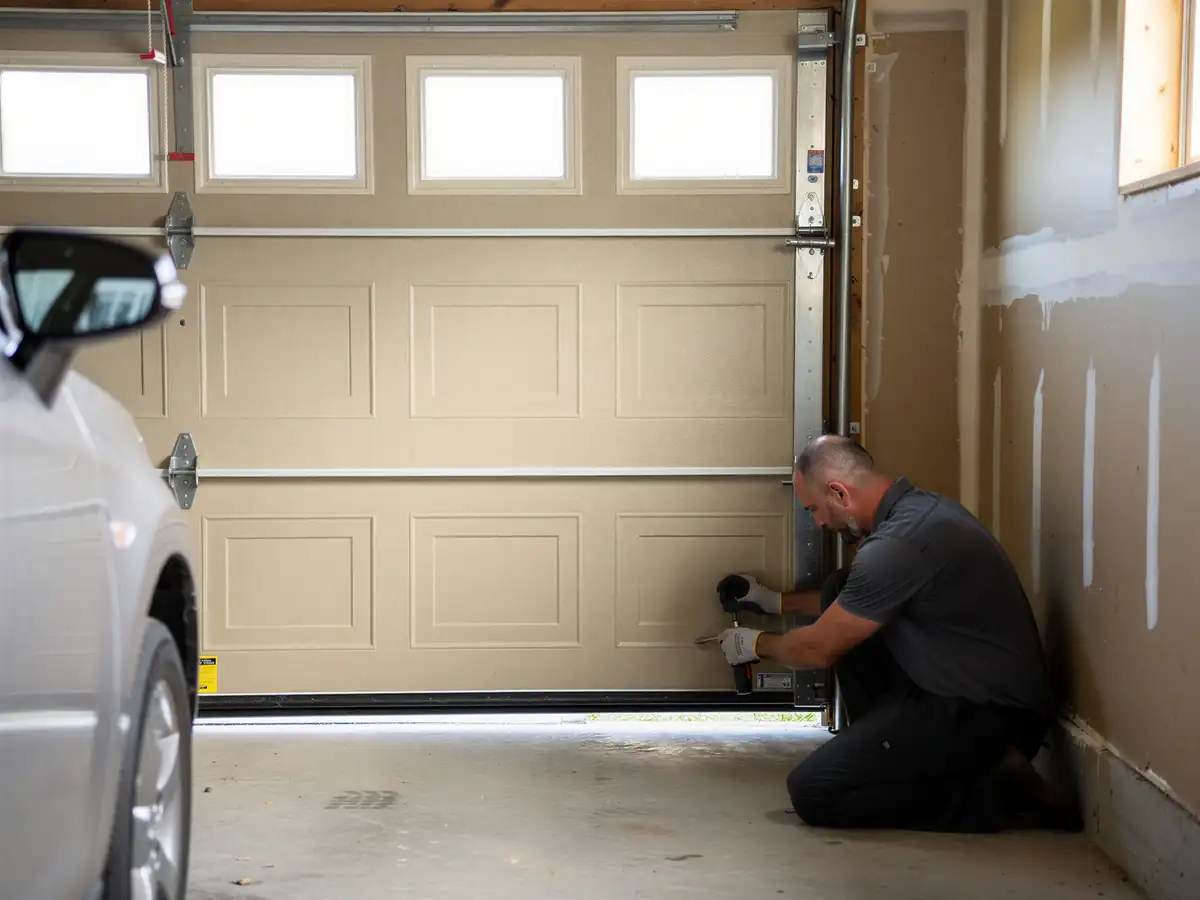
Done with the door propped and the opener disconnected, is a contained job - we're not touching springs or cables unless something else has worn alongside the rollers. Where it runs longer is when the track has to come off to true it back up, which happens more on doors where a cracked roller has been grinding against one side of the track for a while before anyone noticed.
We check the track alignment and the hinge brackets every time, not just the wheels
Because a roller that failed early sometimes did so because the track was already out of true. Replacing the wheel without fixing that just buys you another failure in a year or two.