How It Shows Up
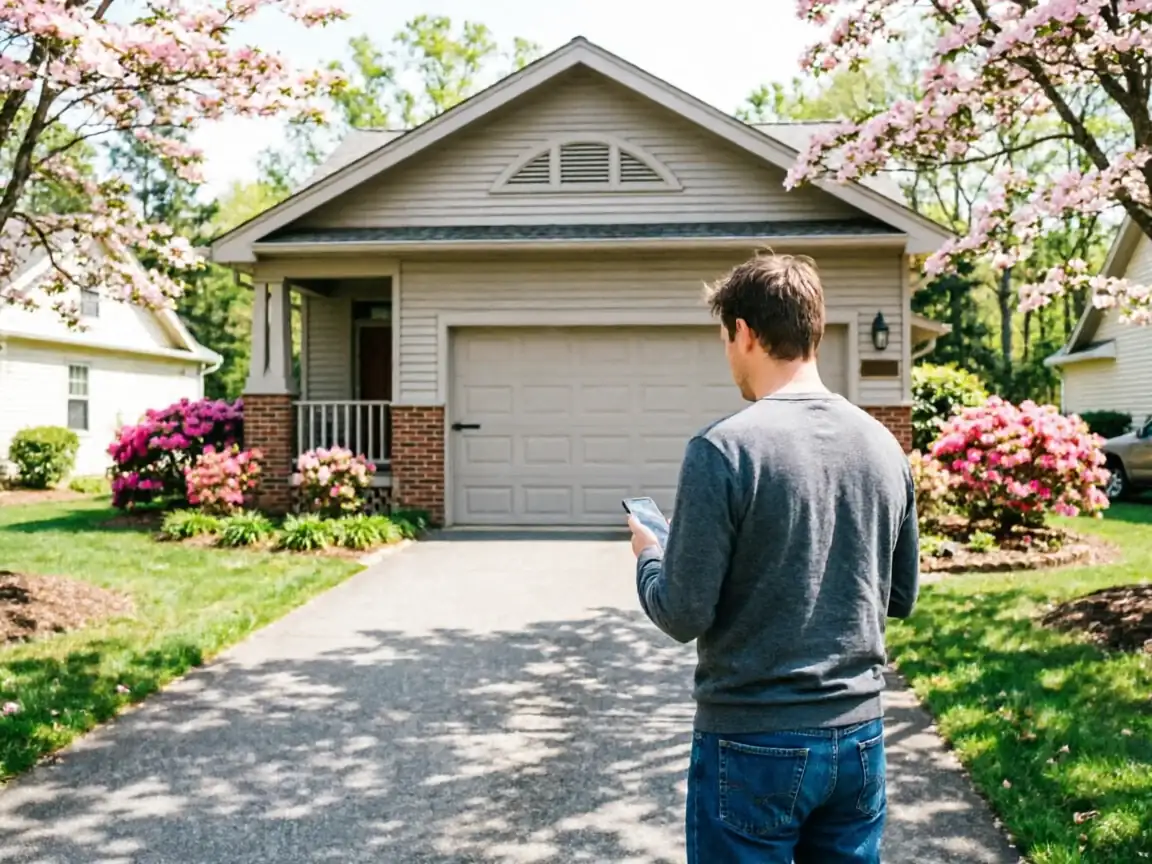
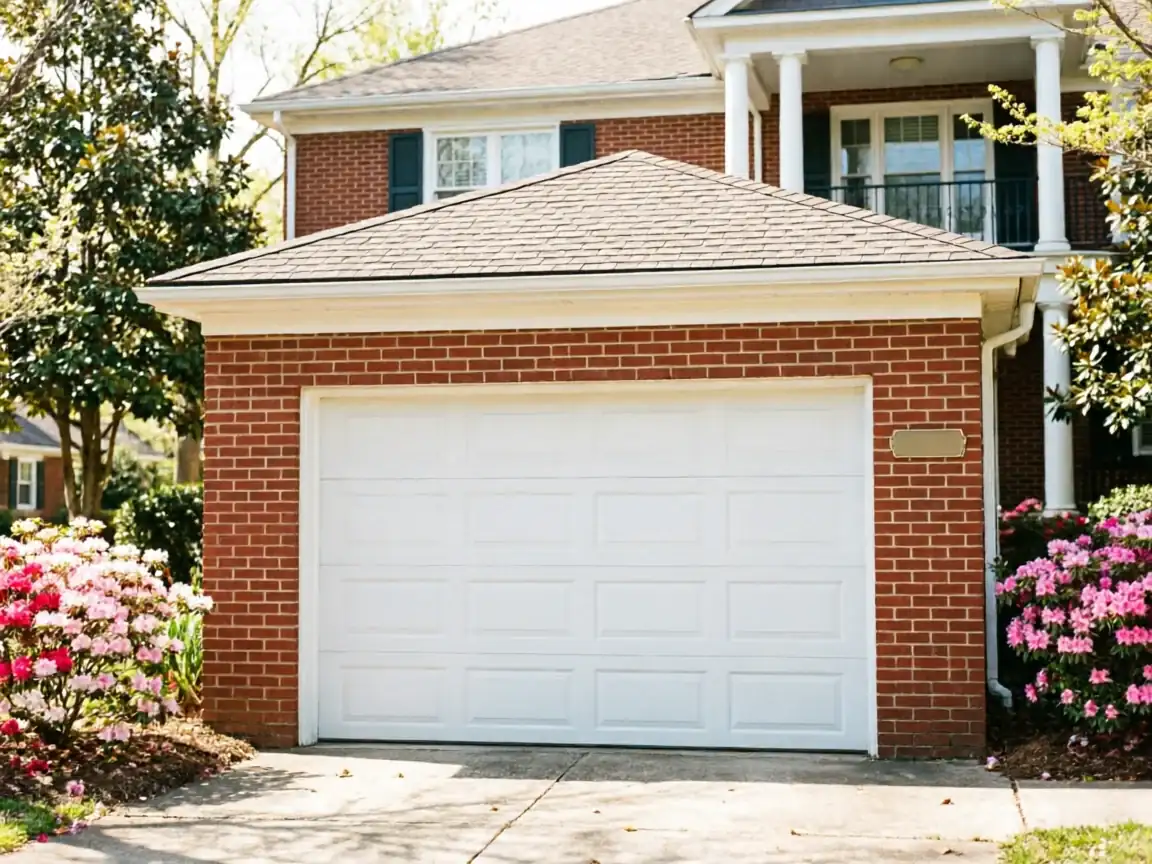
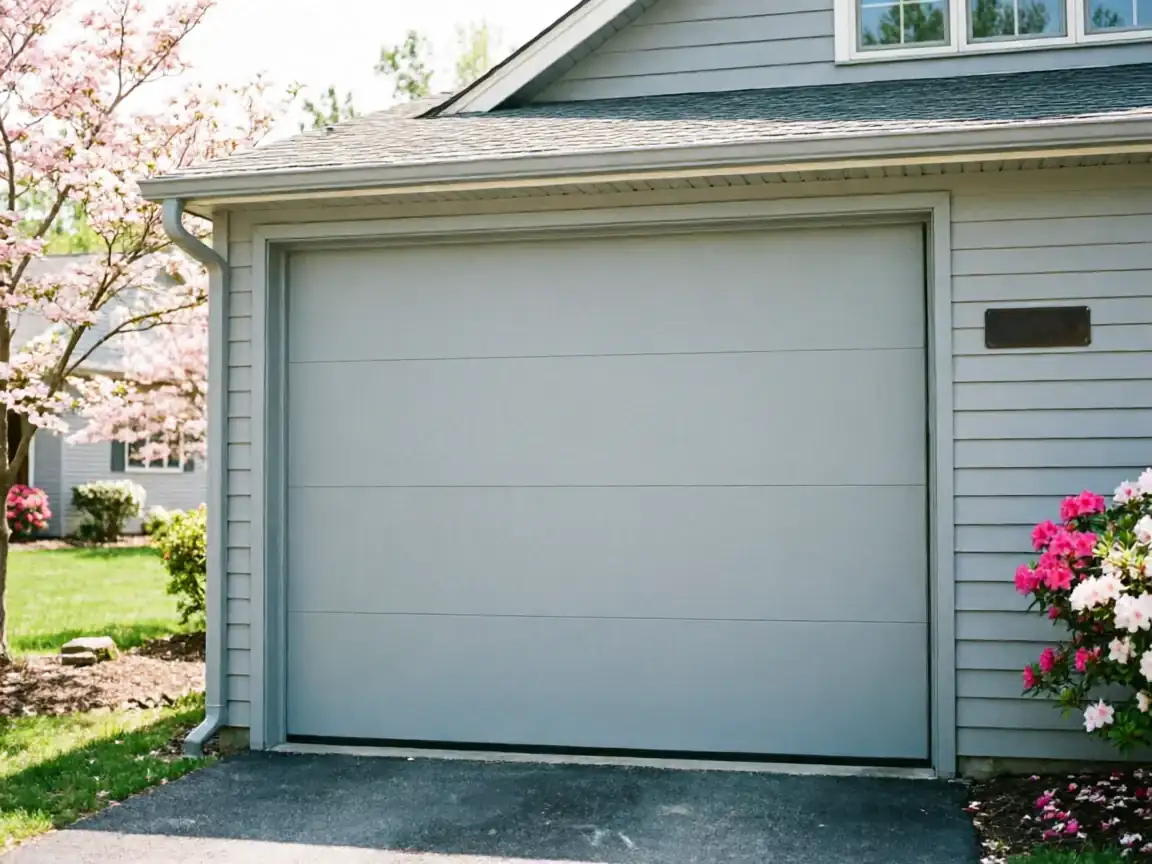
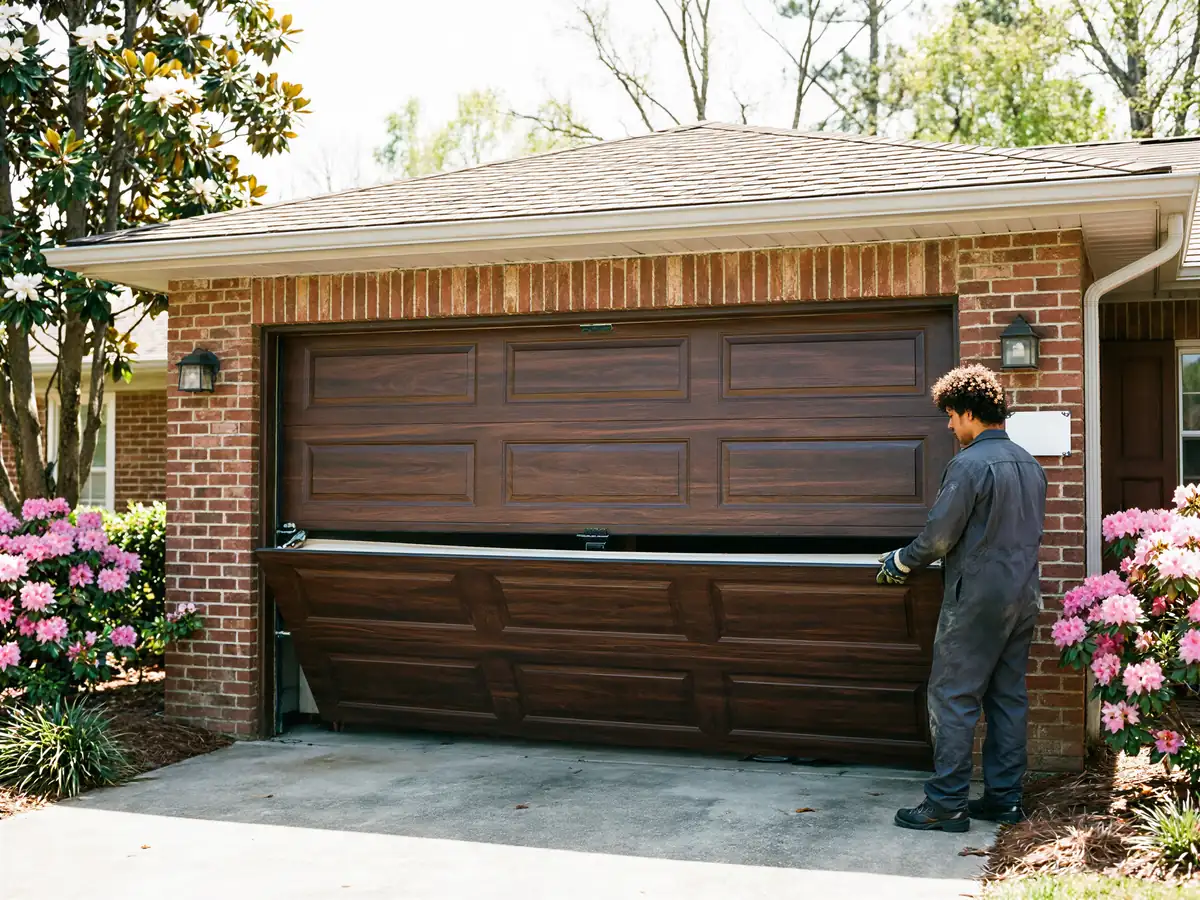
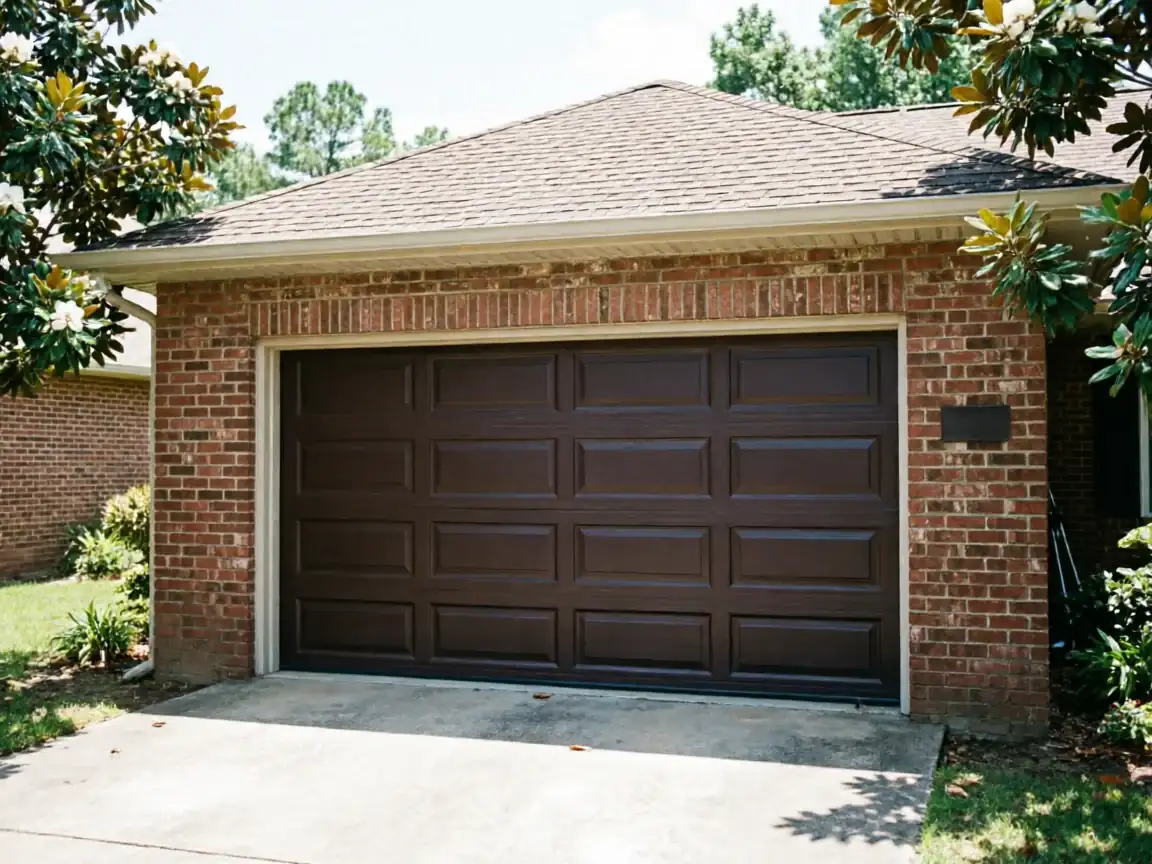
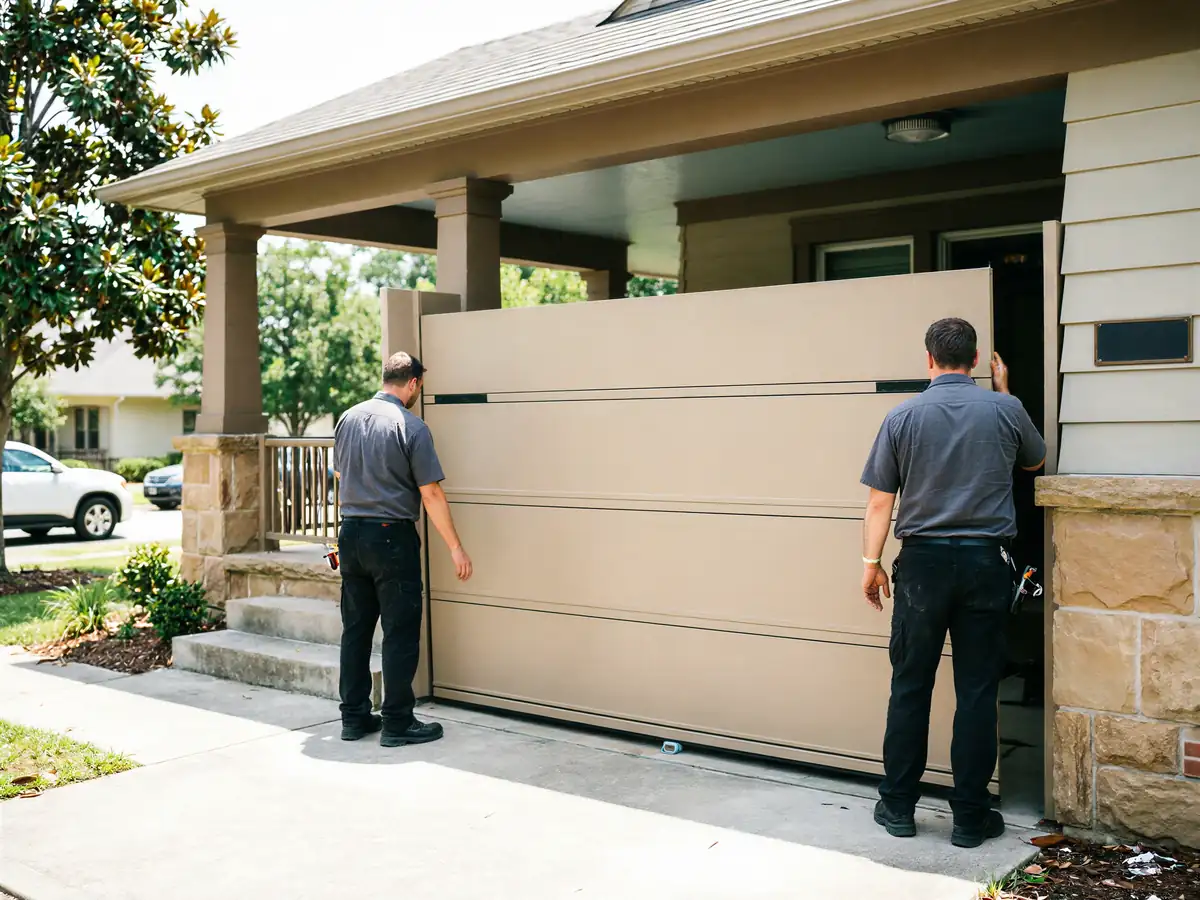
White House's housing largely dates from the late 1990s through the 2000s, which puts most of the neighborhood's garage doors at the tail end of their factory hardware's working life. These are steel sectional doors on chain or belt-drive openers, standard builder-grade gear for that era, not the older wood-panel, extension-spring setups you'd find in an older neighborhood. What fails first on a door this age is predictable: the opener's drive gear strips, the safety sensors drift out of alignment, or the torsion spring - rated for a set number of cycles and now well past 15 years of daily use - lets go without warning.
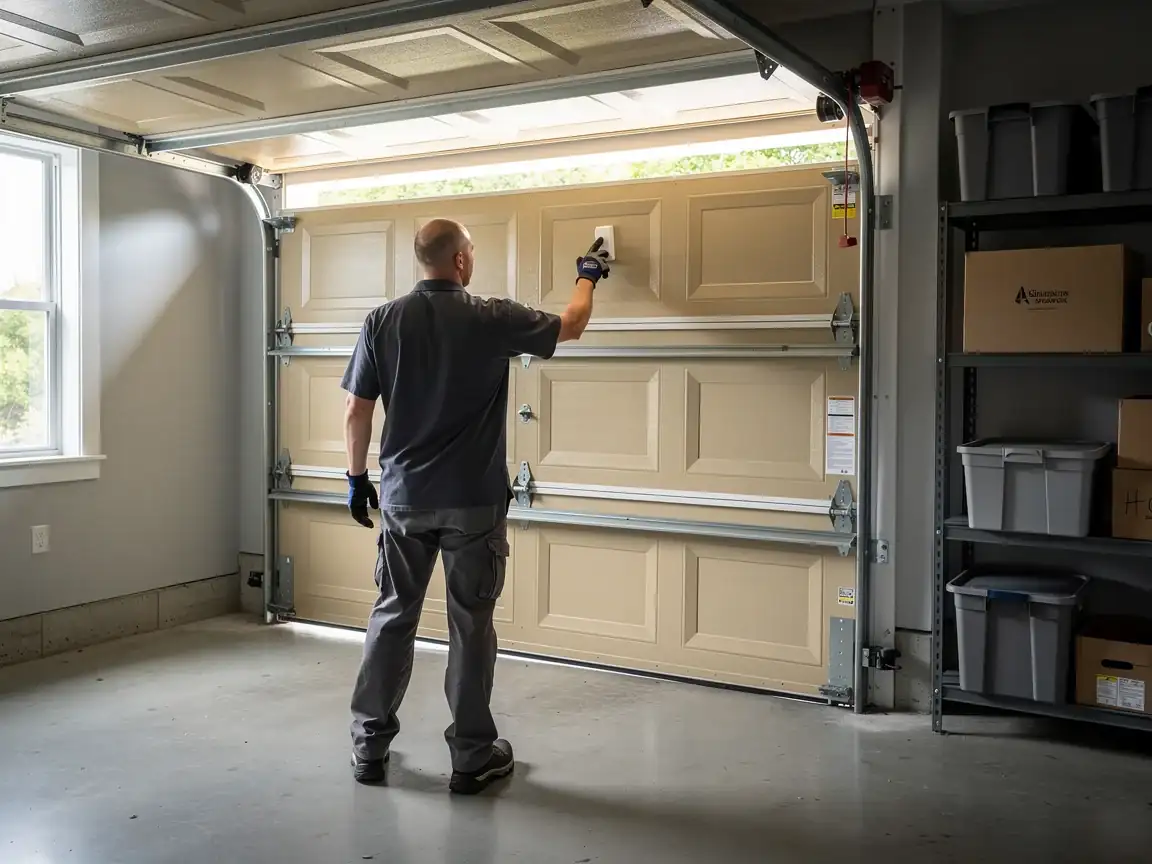
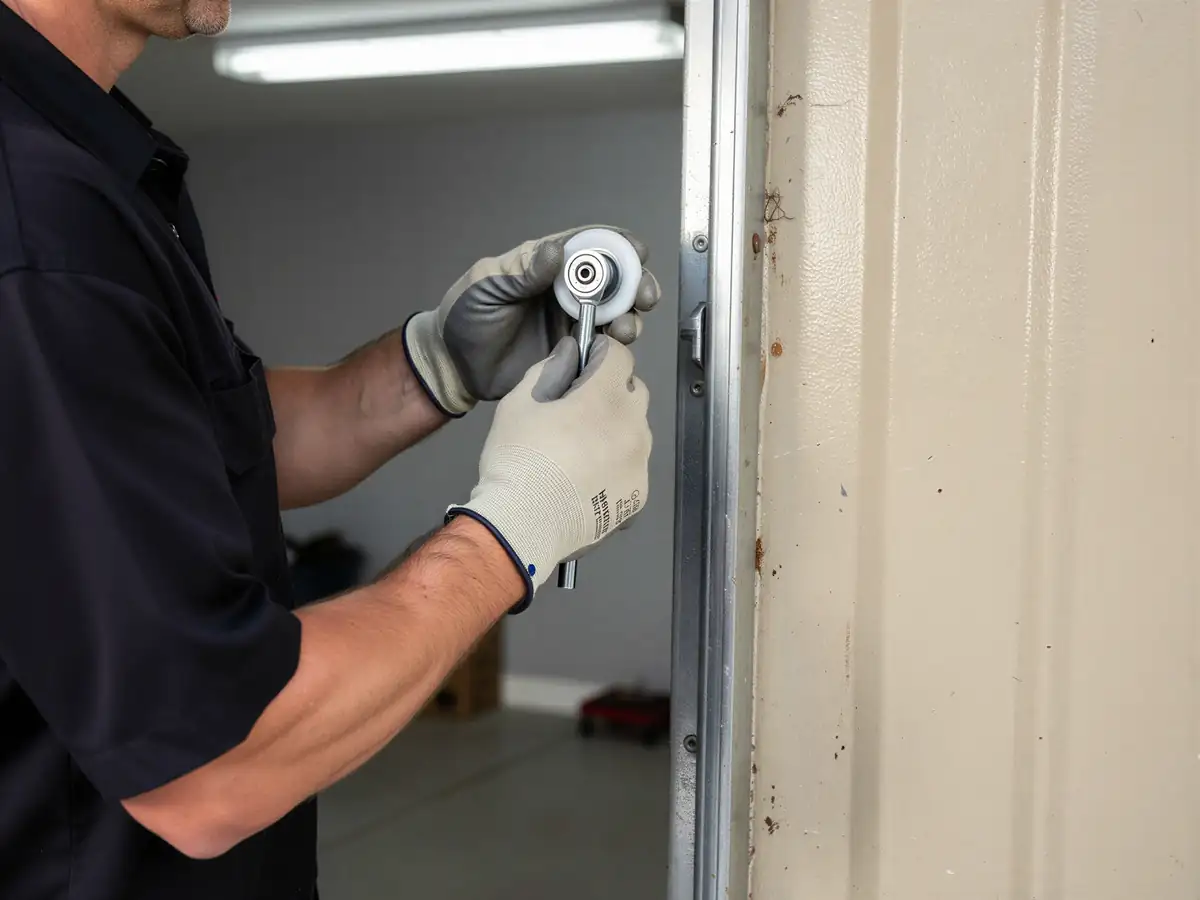
We also see rollers that have gone from nylon to metal-on-metal grinding, a sign nobody's lubricated the track in years, and openers that still run on a circuit board from 2003 when a $40 sensor realignment would've fixed the real problem. White House sits in a cold-moderate climate band, so winter is when stiff grease and a sagging spring combine to turn a minor noise into a door that won't move at all. None of this is dramatic. It's just hardware reaching the end of its rated life around the same calendar year across a lot of houses built close together.
The DIY Question
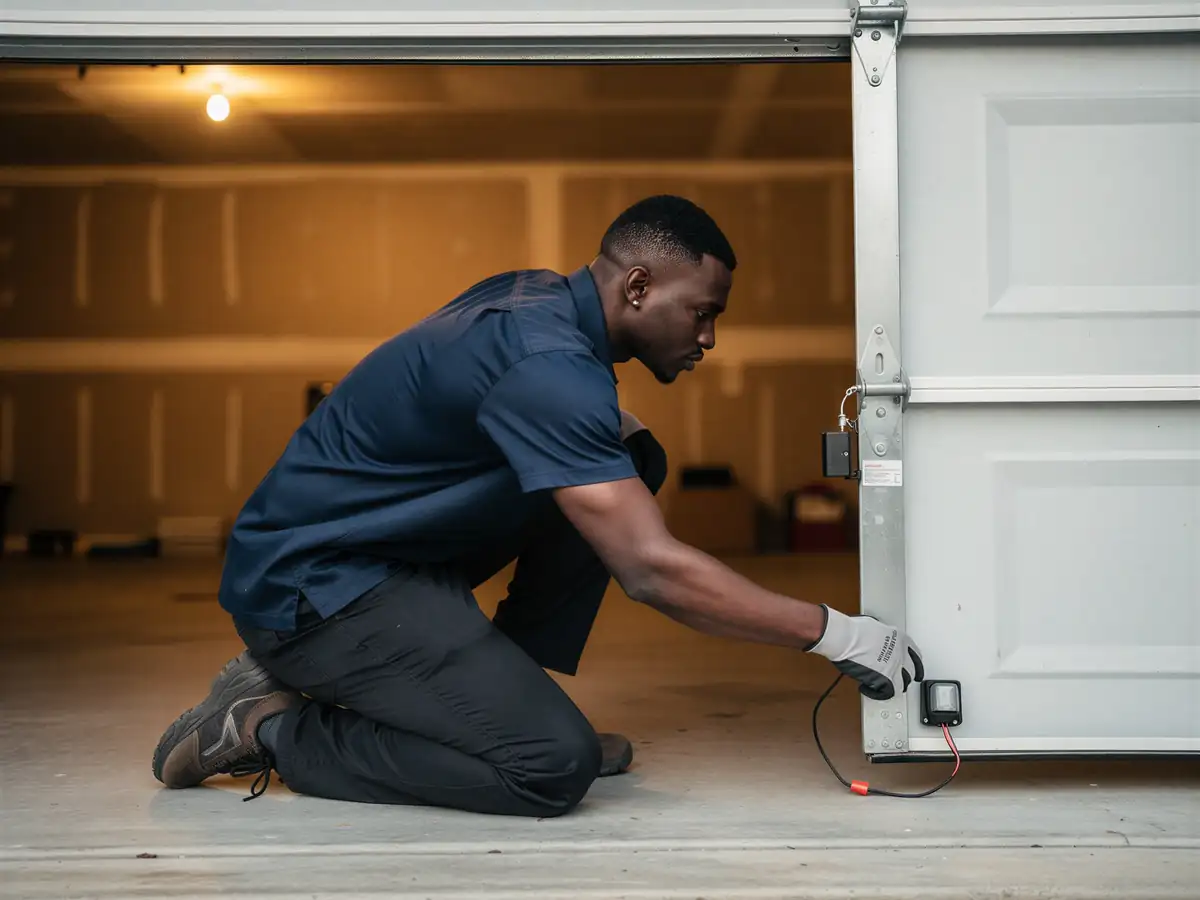
A loose bracket or a sensor you can re-aim yourself, sure, that's a five-minute fix and no shame in doing it
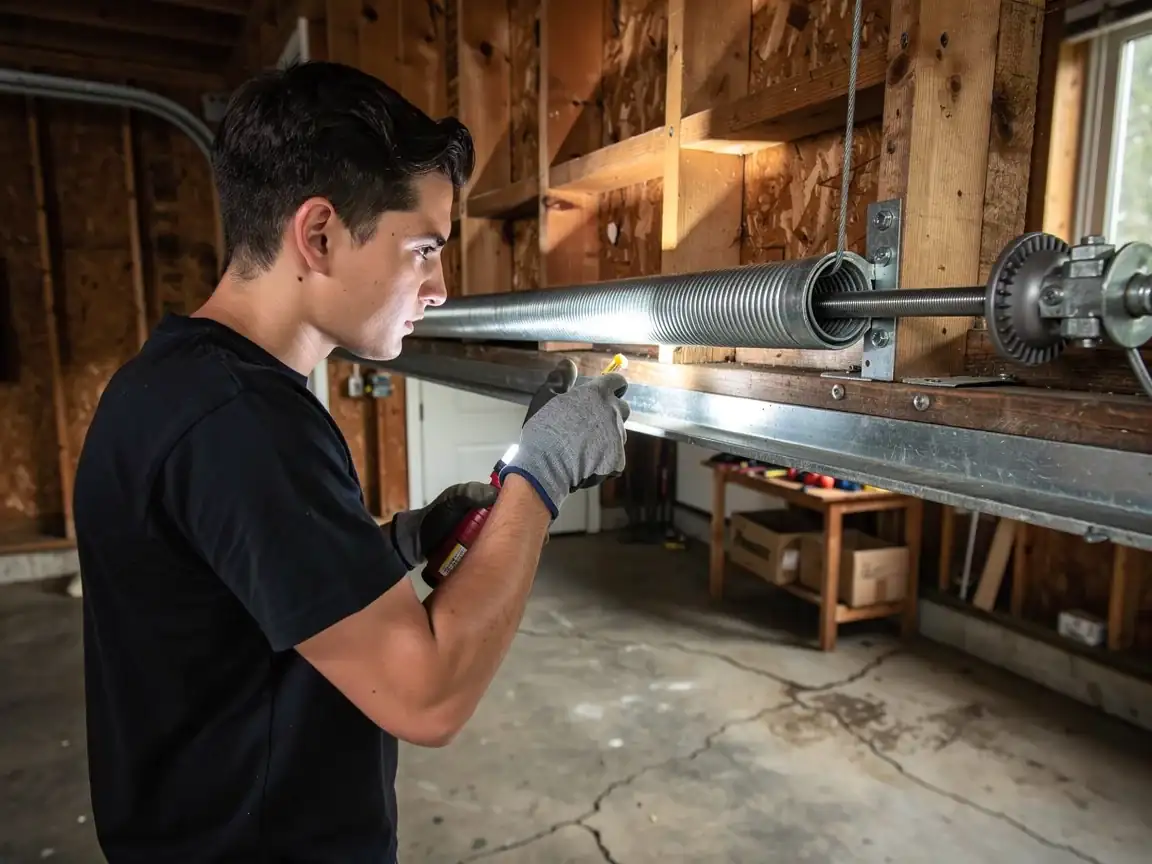
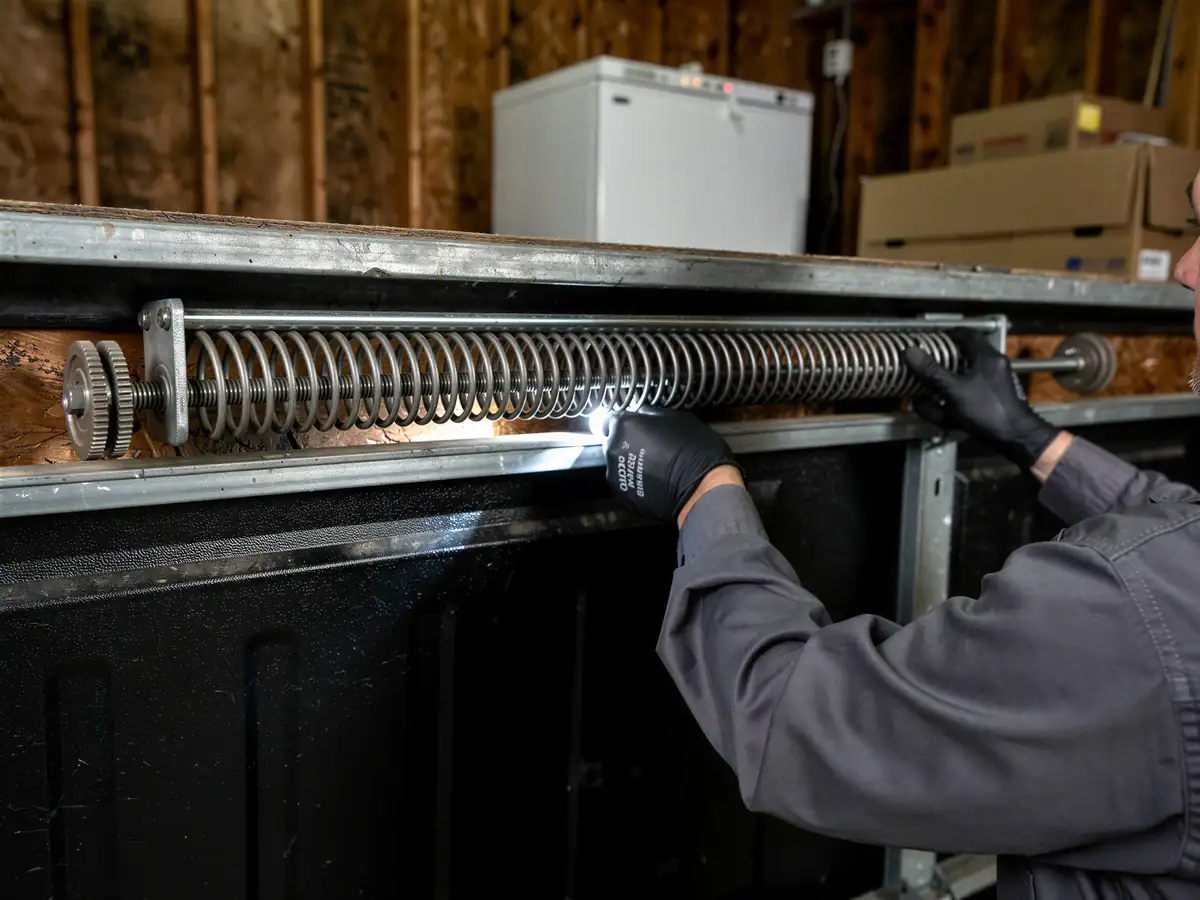
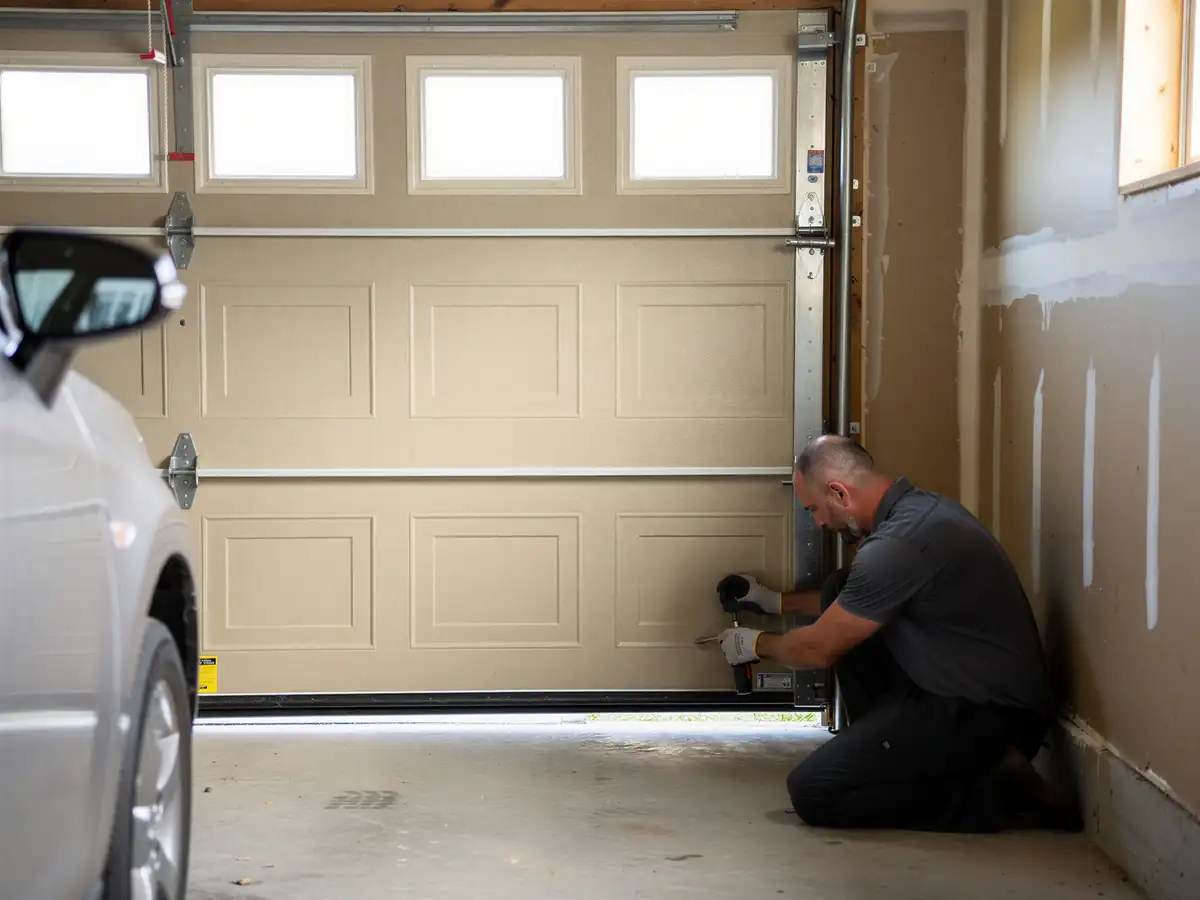
A torsion spring is a different animal - it's wound under enough tension to break a bone or worse, and the tools to do it safely aren't something most garages have lying around. If your door is from the same build wave as most of White House, the spring and the opener's internal gears are both old enough that one failure often means the other isn't far behind.
Here's the limitation worth saying out loud
We don't carry every obsolete opener board or panel style on the truck. If your door is a less common model from that era, we may need to order the part, and that adds a day or two, not same-day. We'll tell you straight when that's the case instead of guessing at a fix that doesn't hold.
Parts We Carry
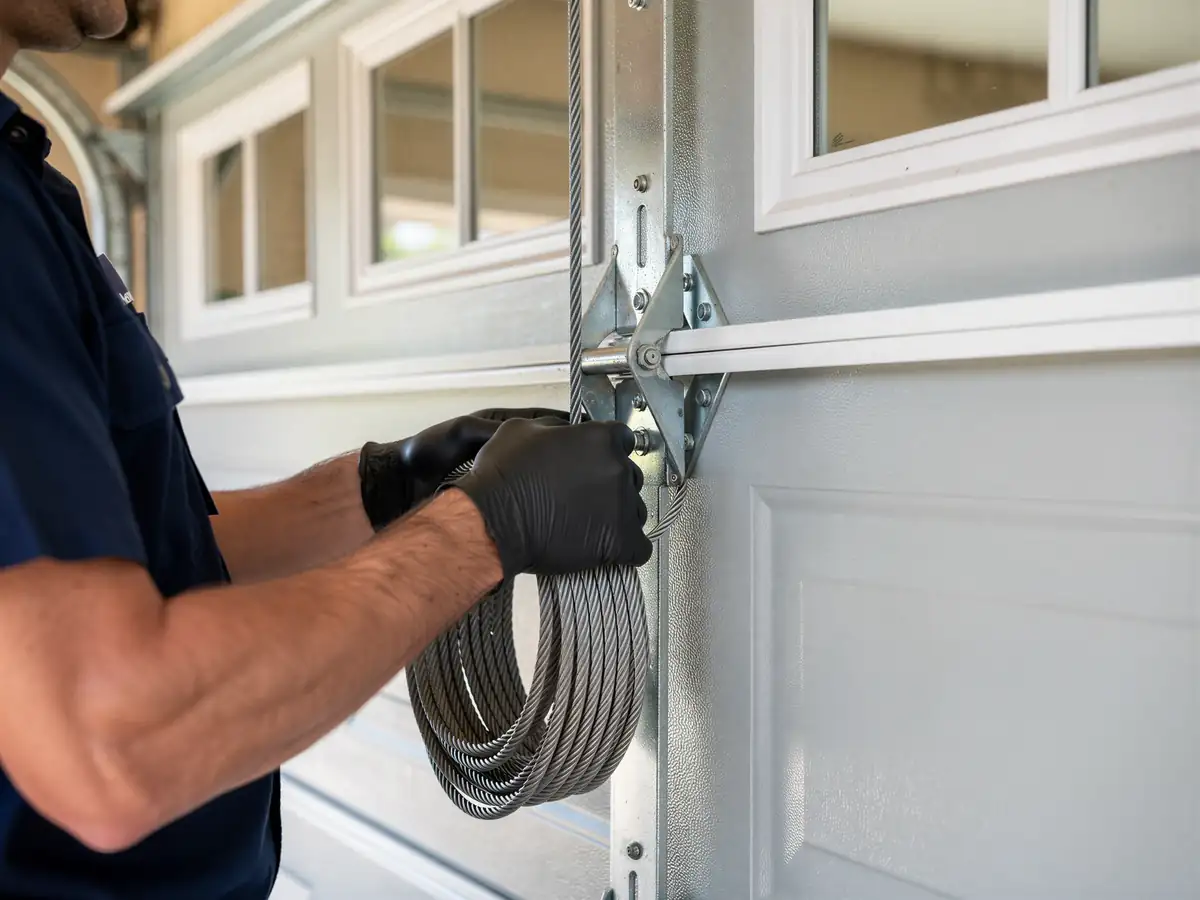
For the steel sectional doors and chain/belt openers common to White House's 2000s-era builds, we stock torsion springs sized for standard residential door weights, galvanized lift cables, nylon rollers, and the sensor and gear-kit parts that fail most often on openers of that vintage. These are the parts that match what's actually on these doors, not a generic kit.
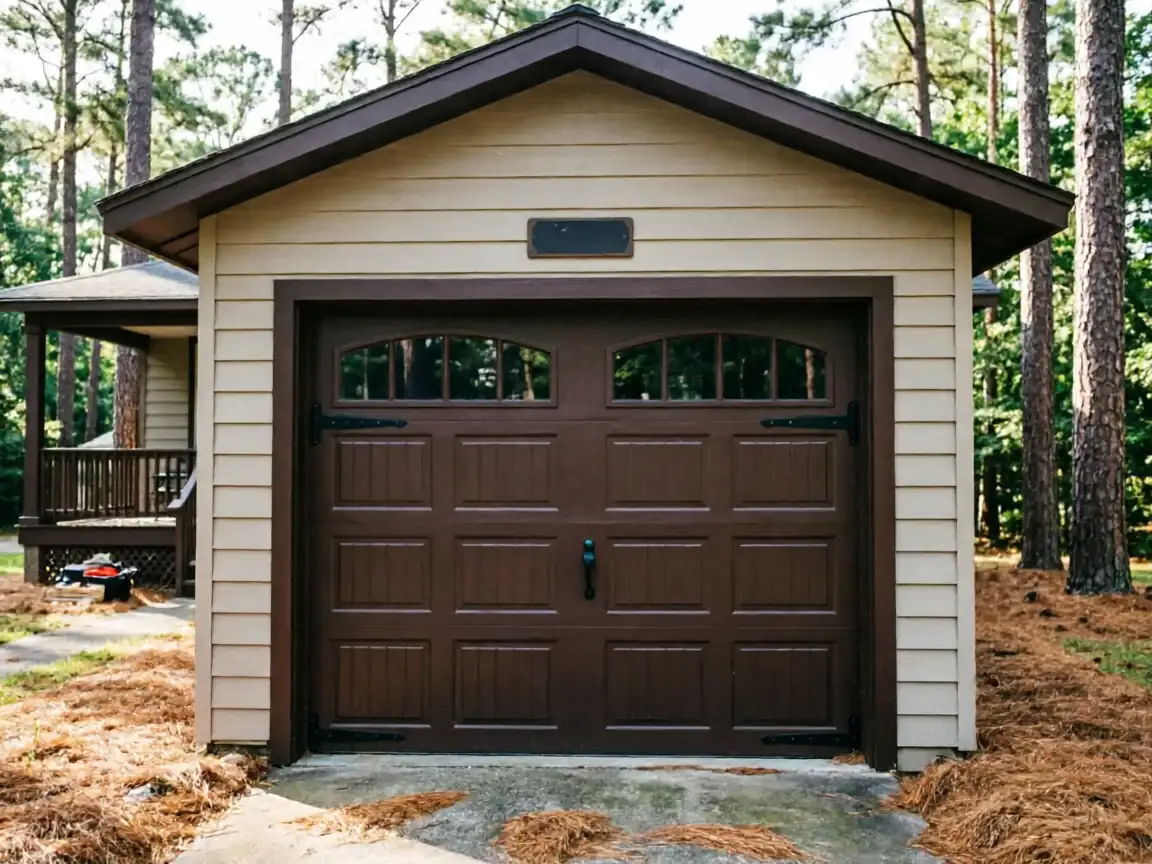
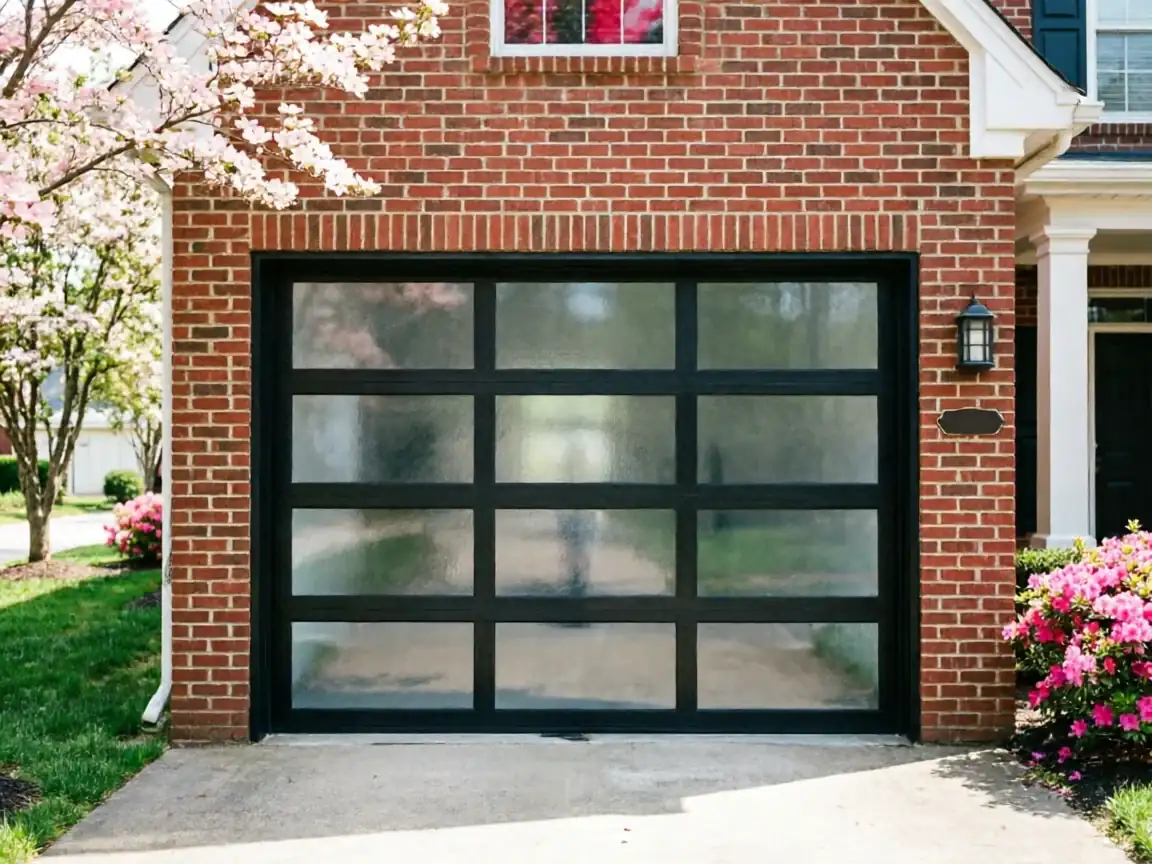
What we don't keep on hand is anything custom - a panel style discontinued by the original builder's supplier, or an opener board from a brand that stopped making parts. If that's your situation, we'll order it and give you a straight timeline instead of a guess.
How to Book
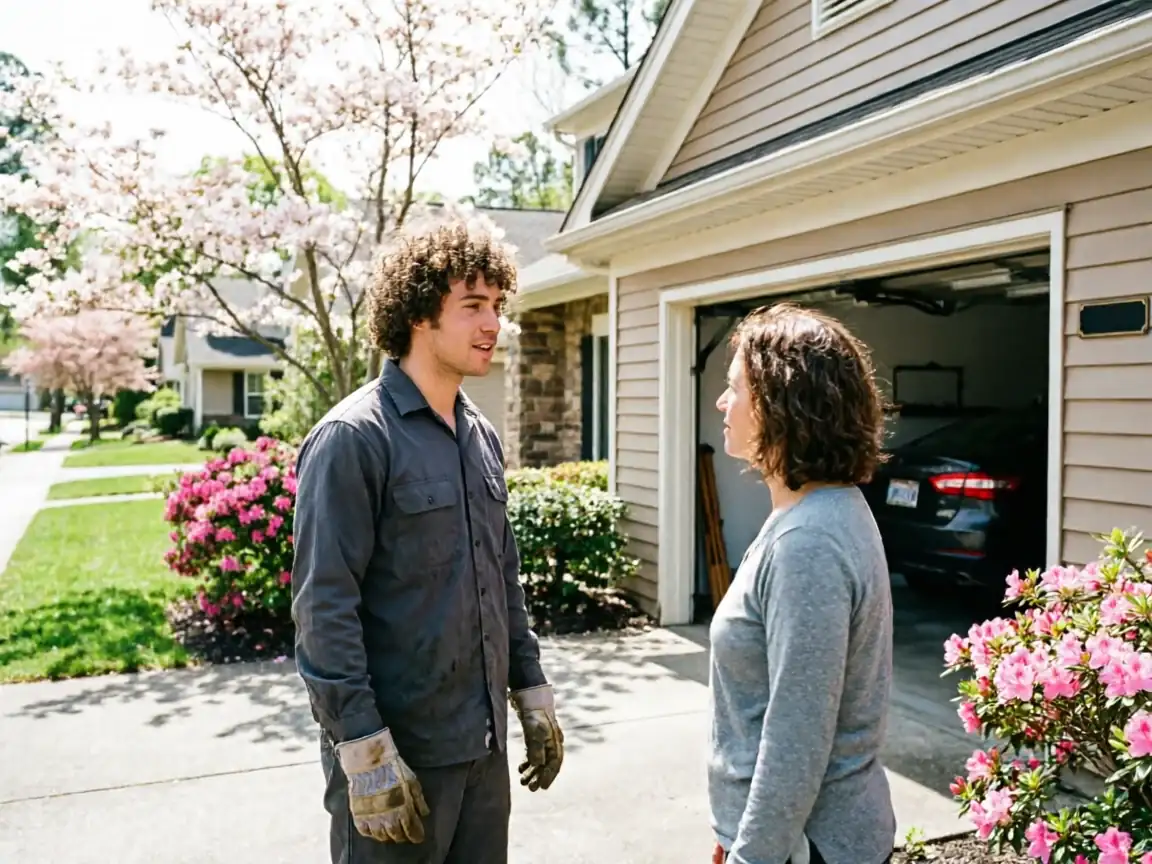
We cover White House from our Hendersonville base, about 12 miles up the road. That distance means we're not a walk-in shop around the corner, so a phone call or online booking to set the visit works better than dropping by. Tell us the door's age if you know it - builds from the early-to-mid 2000s, which covers most of White House, usually point us straight at spring or opener-gear wear before we even look at the door.
See our White House coverage page for what we handle in this area, or check the main Hendersonville repair page if you're outside White House proper.