How It Shows Up
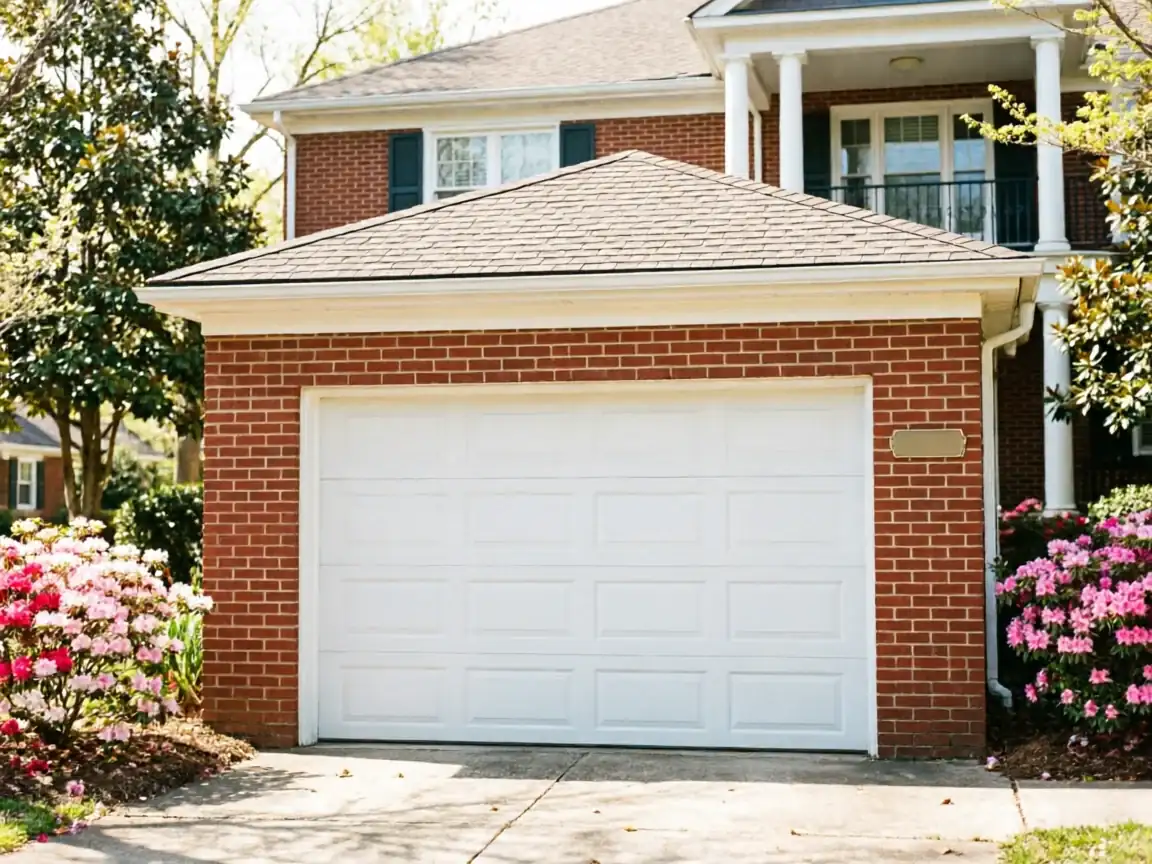
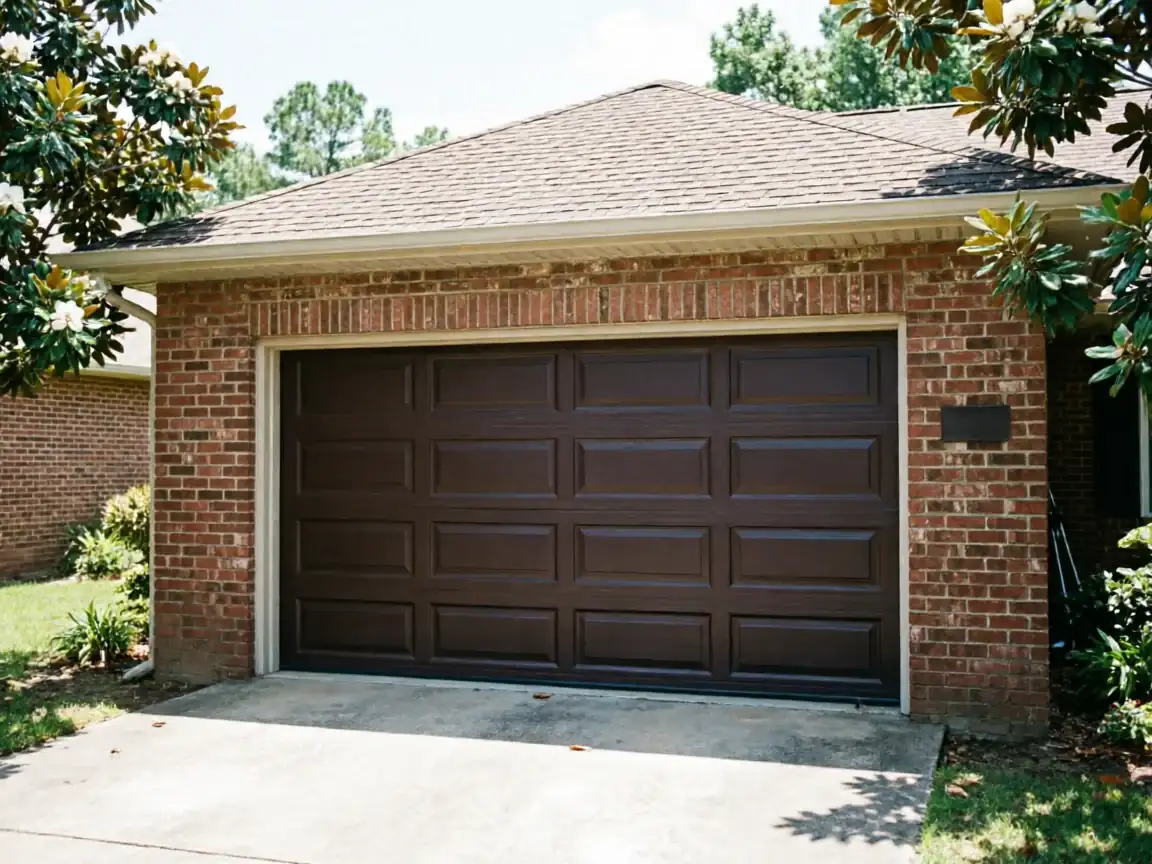
Most of the damage we see on White House calls is a dented or bowed panel, not a rusted-out one. Housing here mostly dates from after the 1990s building boom moved north, and a lot of it went up around 2002, median for the area. That means steel sectional doors with factory baked-on finish, foam-backed insulation, and standard panel heights - built well enough that the door itself doesn't fail from age the way an older door does.
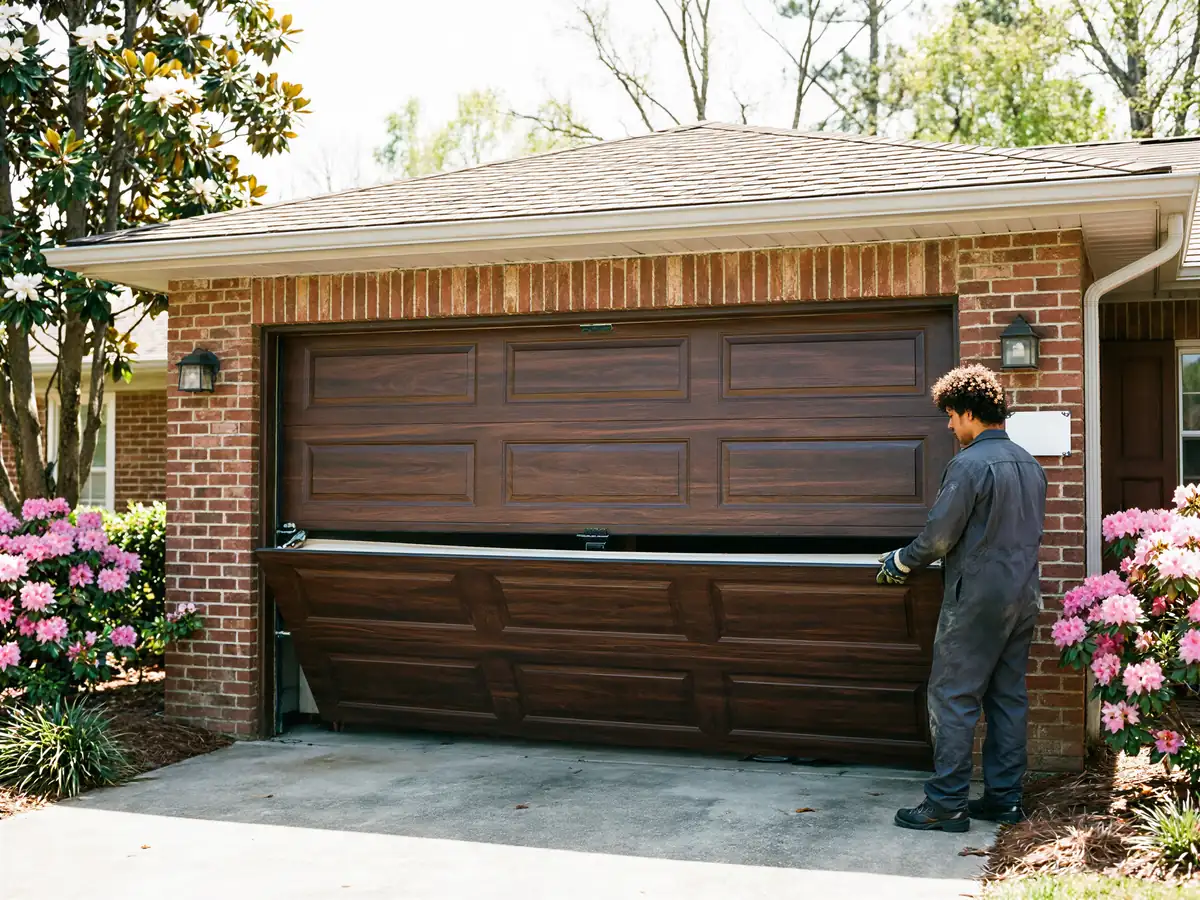
What fails instead is the bottom panel, usually from a trailer hitch backing in wrong or a kid's bike clipping the edge, and the top panel on double-wide doors where wind load and the opener arm put the most flex on the seams. In a cold-moderate climate the freeze-thaw cycle works into any crack in the finish around the bottom panel's weep edge, and a small dent turns into bubbled paint and a soft spot by the second winter. On a 2002-era door that's still otherwise sound, you're replacing one or two panels, not the whole unit.
The DIY Question
A single dented panel on a newer sectional door is one of the more DIY-friendly garage door jobs
And we'll say that straight out. If the track is straight, the dent hasn't cracked the panel seam, and you can source the exact panel profile, a homeowner with basic tools can swap it in an afternoon.
Where it stops being a weekend job
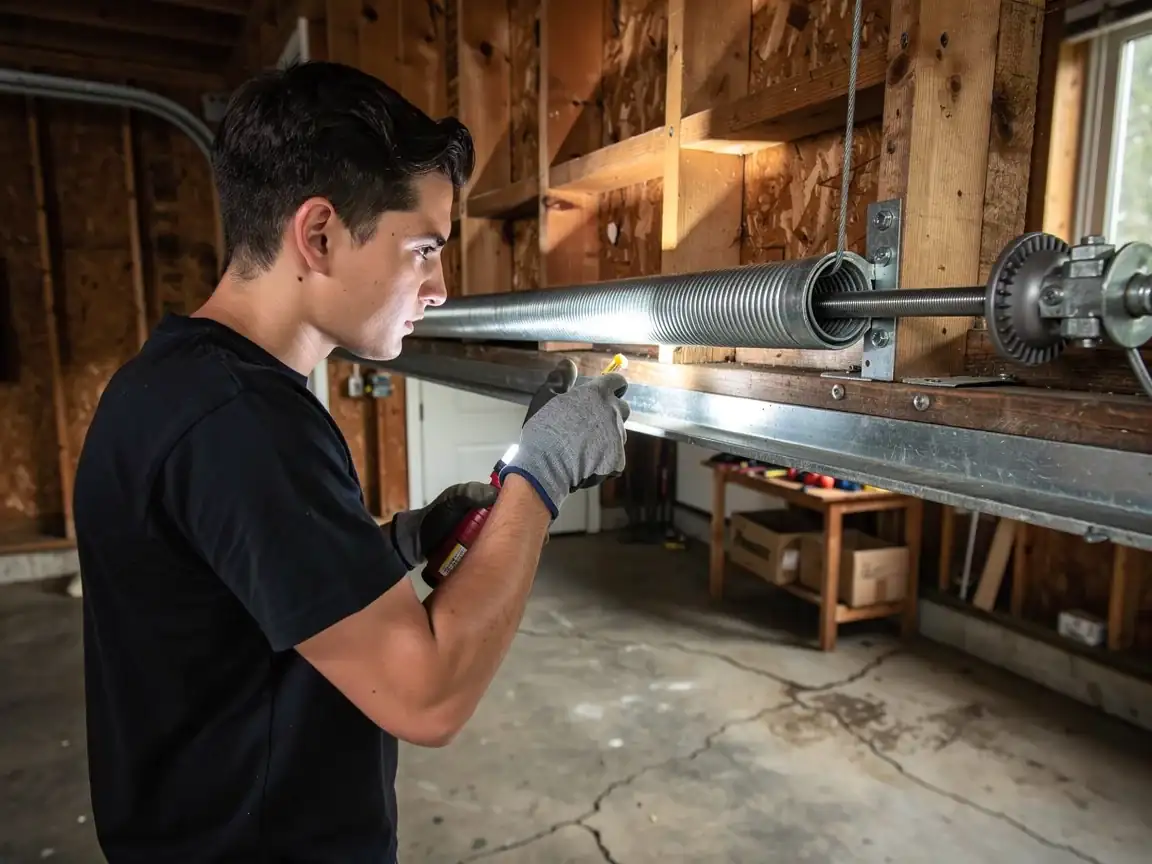
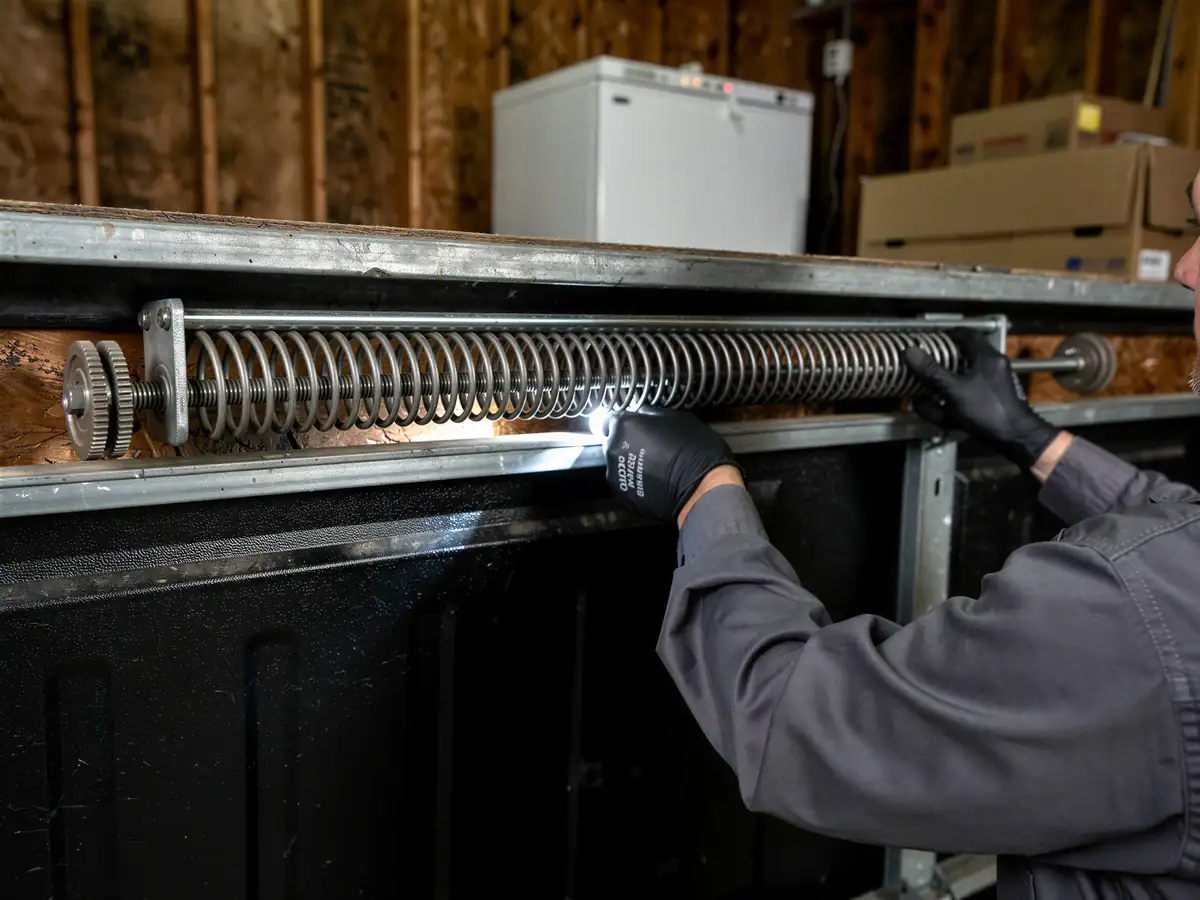
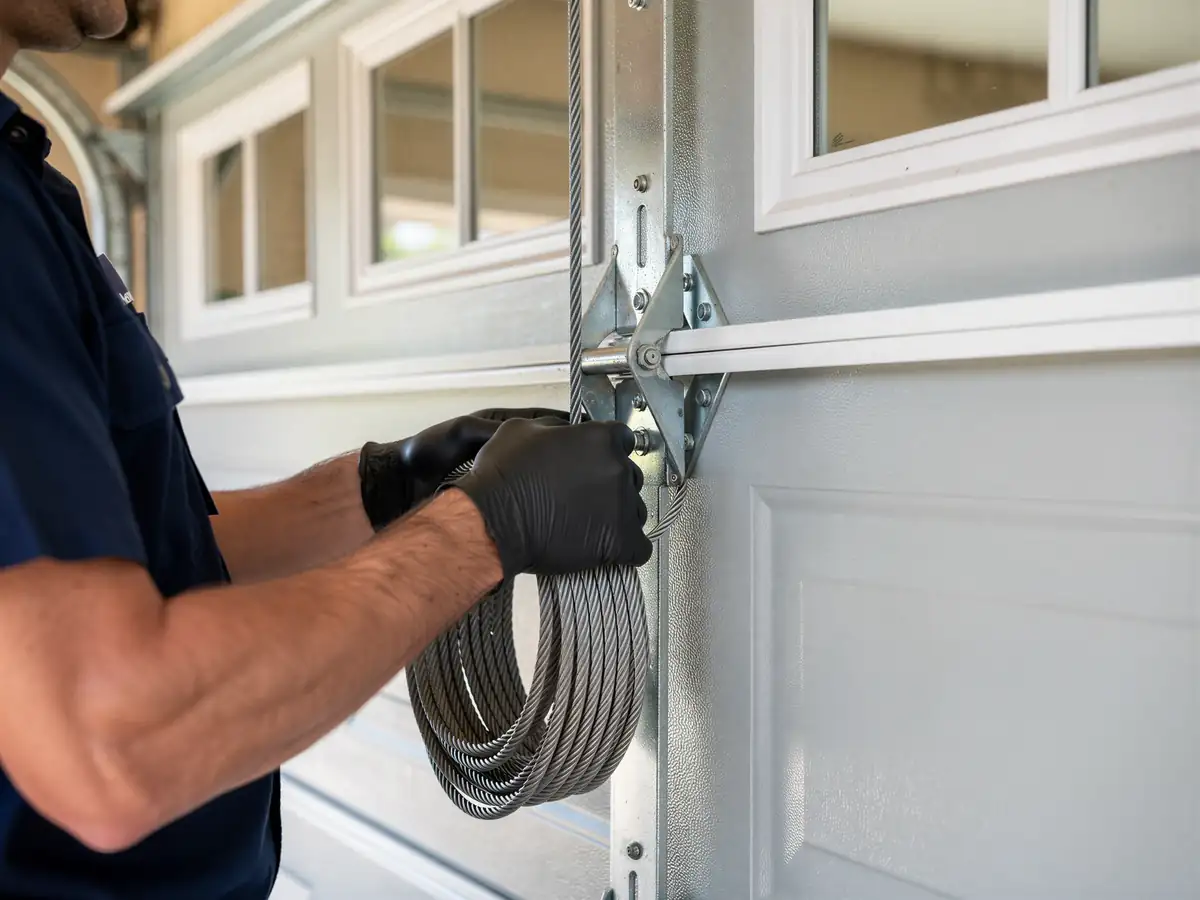
Matching the panel to a door that's been in the sun for 20 years, because factory finishes fade unevenly and a new panel next to faded ones looks worse than the dent did. Also if the damage is on a panel that carries the bottom bracket or the top roller hinge - those brackets carry spring tension, and getting that wrong on a loaded torsion system is how people end up in the ER, not the DIY hall of fame. If you're not sure which panel you're looking at, send us a photo before you order anything.
- 20 years
Parts We Carry
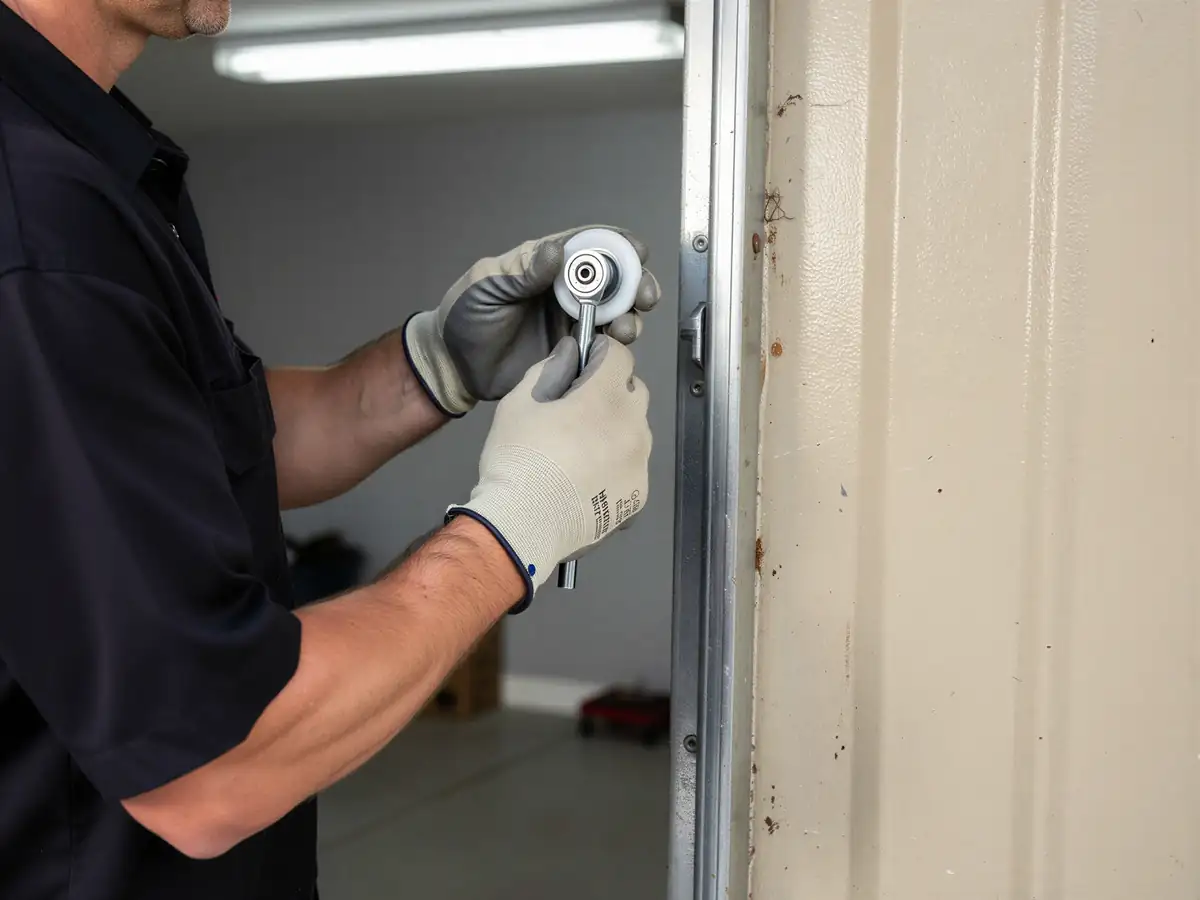
We stock panel sections sized for the sectional doors common in houses built from the late 1990s through the 2000s, which covers the bulk of White House's stock. We carry matching end caps, hinges, and rollers so a single-panel swap doesn't leave you with mismatched hardware on one section and original hardware on the rest.
What we don't carry on the truck: panels for doors older than that window, or for discontinued residential lines that some manufacturers stopped making sections for. If your door falls into either camp, we'll tell you on-site rather than quote a part we can't actually get, and we'll talk through whether full-door replacement makes more sense than hunting a panel that's back-ordered six weeks.
How to Book
We run panel jobs in White House out of Hendersonville, about 12 miles south, so we schedule by route rather than same-day drop-in. Tell us the door's approximate age, how many panels are affected, and whether the opener still runs smoothly - that's enough for us to bring the right stock on the first trip instead of a second visit to fetch the part. See our White House coverage page for what else we handle out this way, and our main panel replacement page covers pricing and process in more depth.
What the Repair Takes
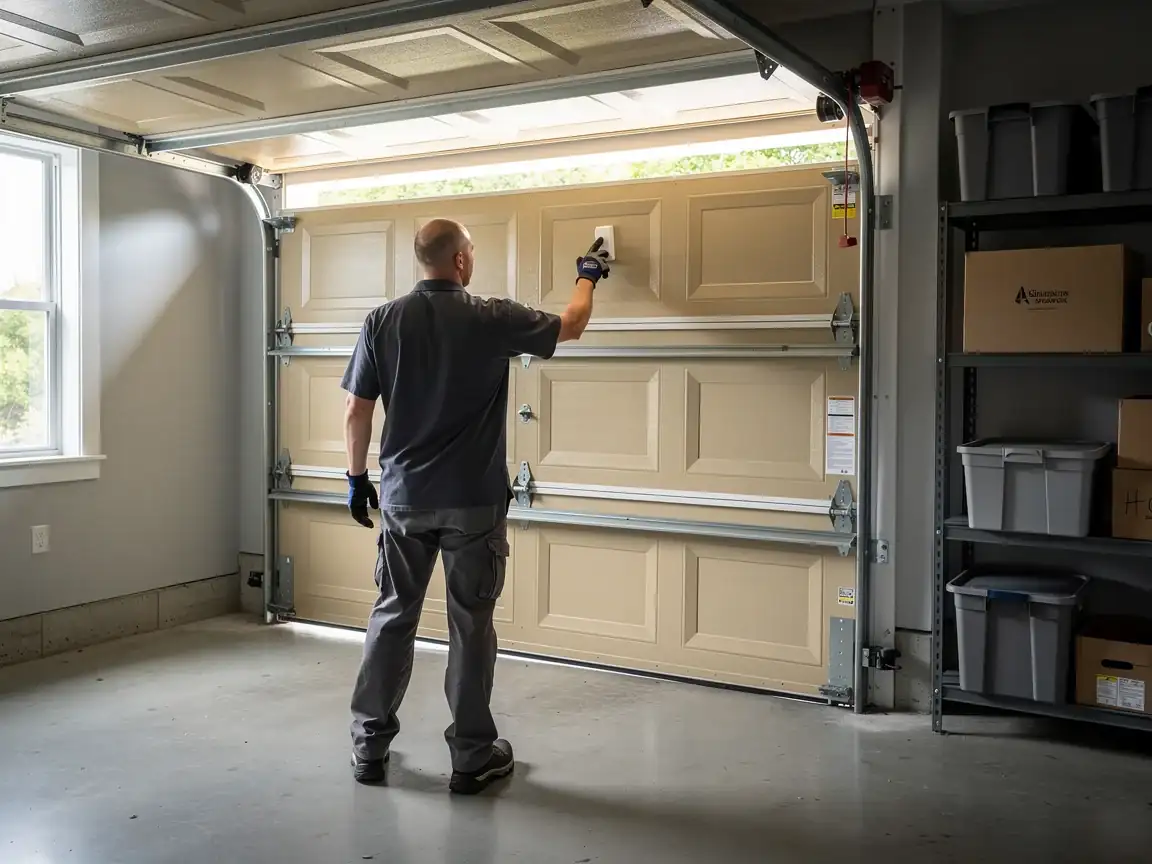
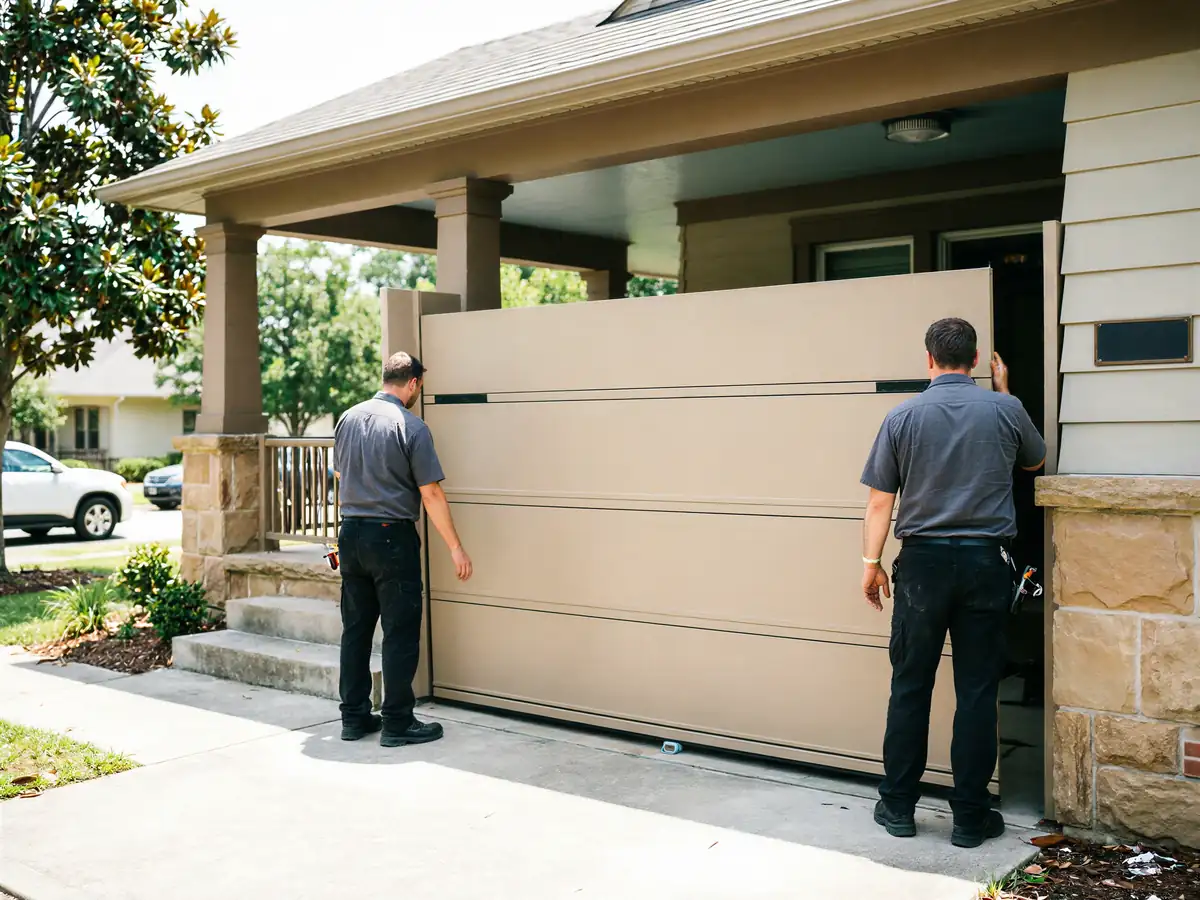
A one or two-panel swap on a standard double-wide sectional door is usually a half-day job once we're on site
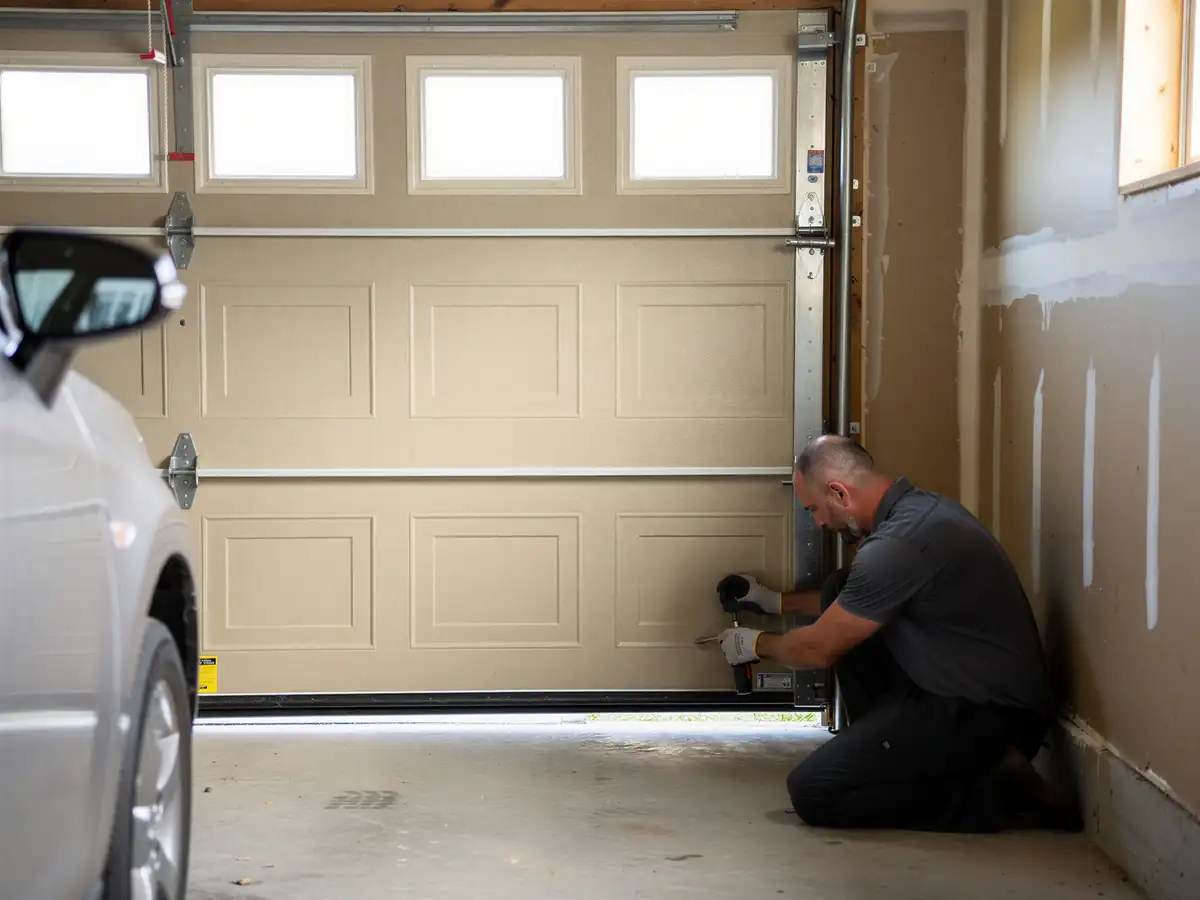
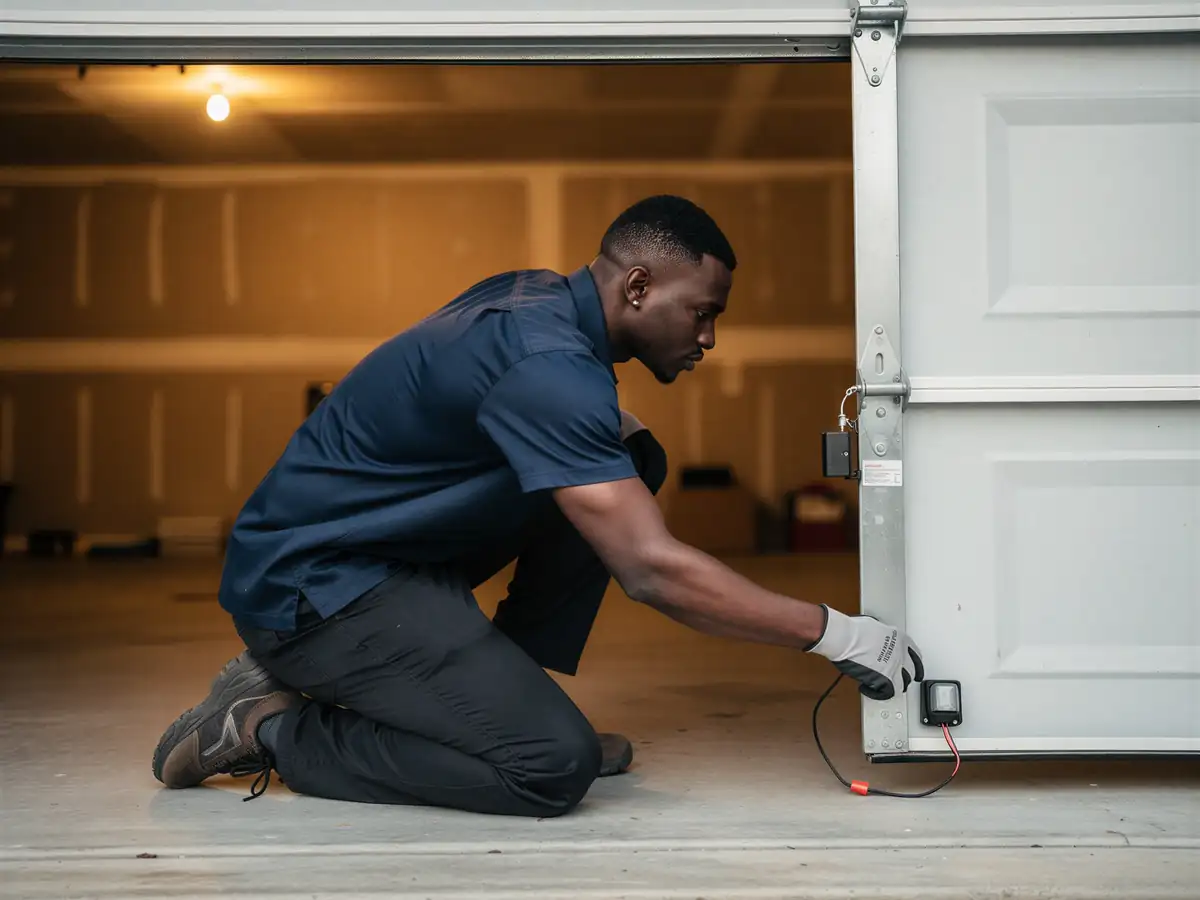
Disconnect the opener arm, pull the roller brackets off the damaged section, slide the new panel in, re-hang and re-align the track. On a 2002-build door the hardware is still factory-standard, so we're not fighting obsolete bracket spacing or side-mount torsion setups that show up on older stock.
The part that takes longer than the labor is the wait on the panel itself if it's not something we're carrying that week
Color-matched sections especially, since a mismatch is worse than a dent left alone for a few extra days. We'd rather tell a White House homeowner the truth about a two-week lead time than install a panel that doesn't match and have them calling back annoyed.