What Can Go Wrong
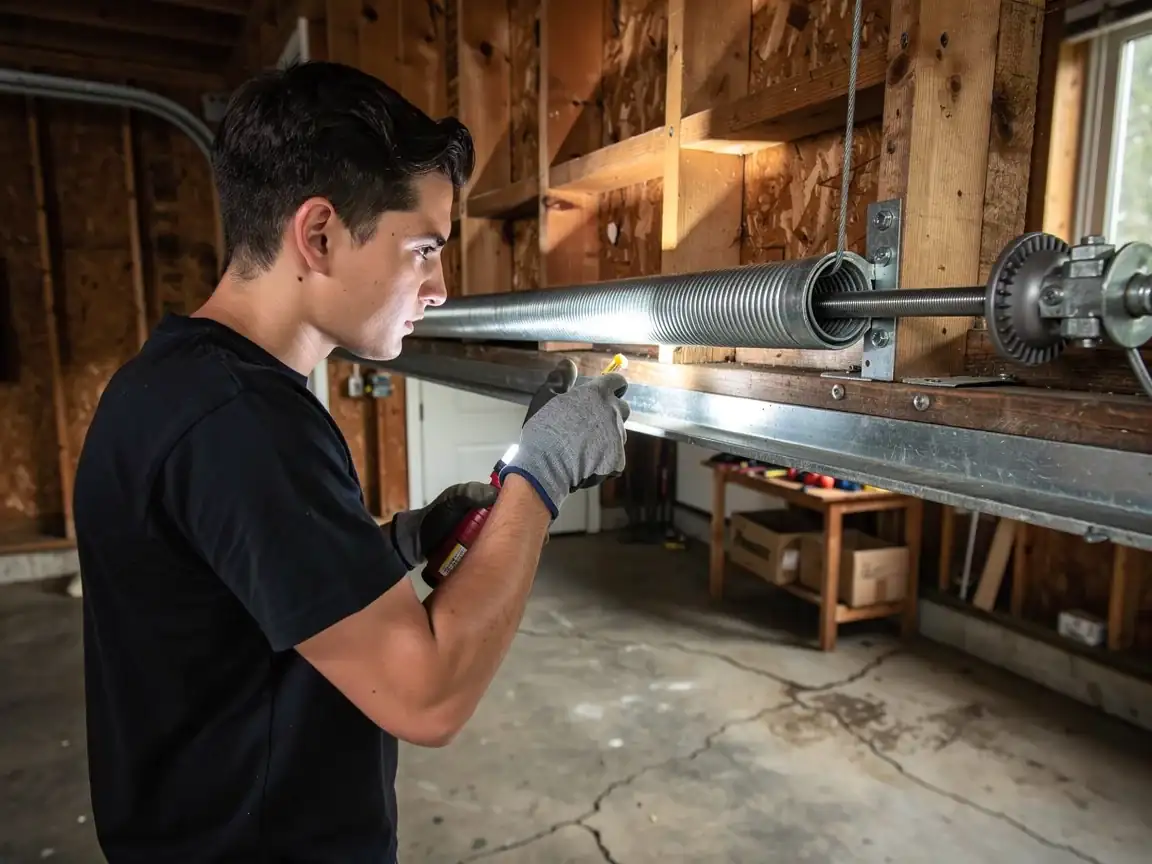
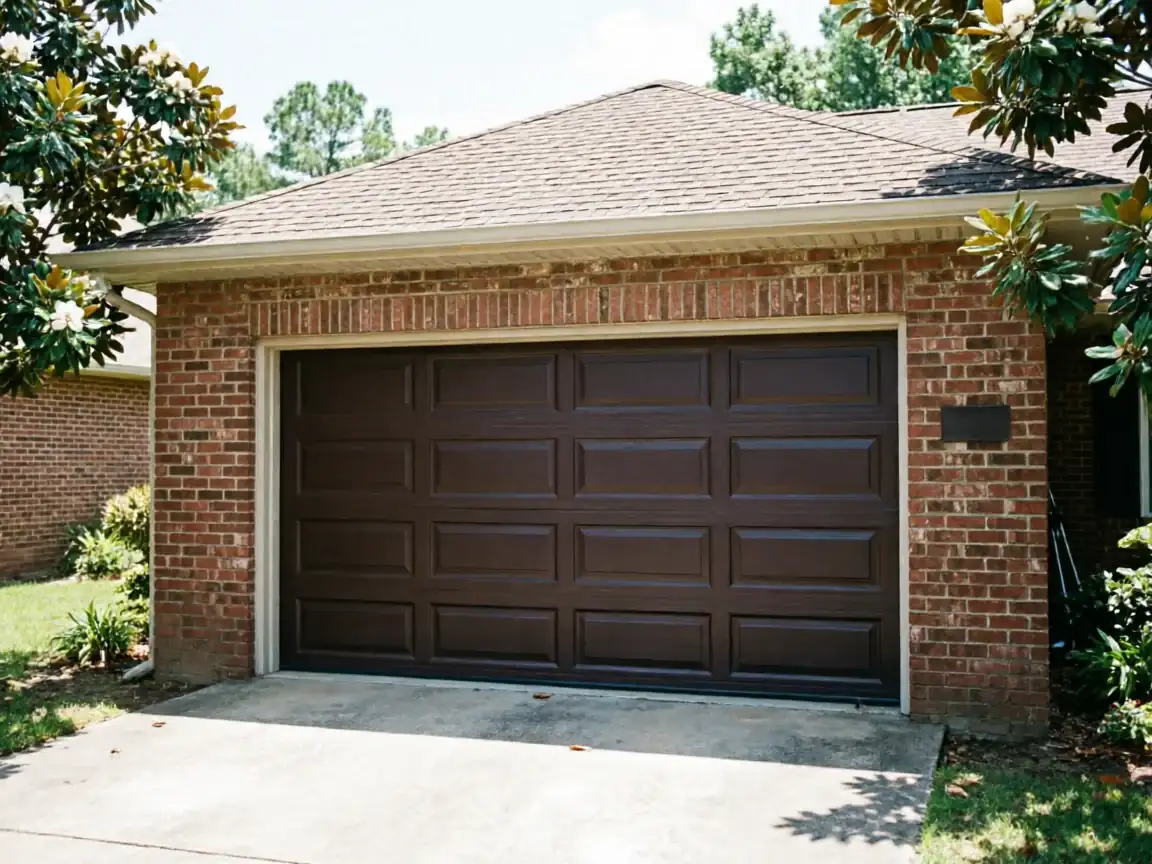
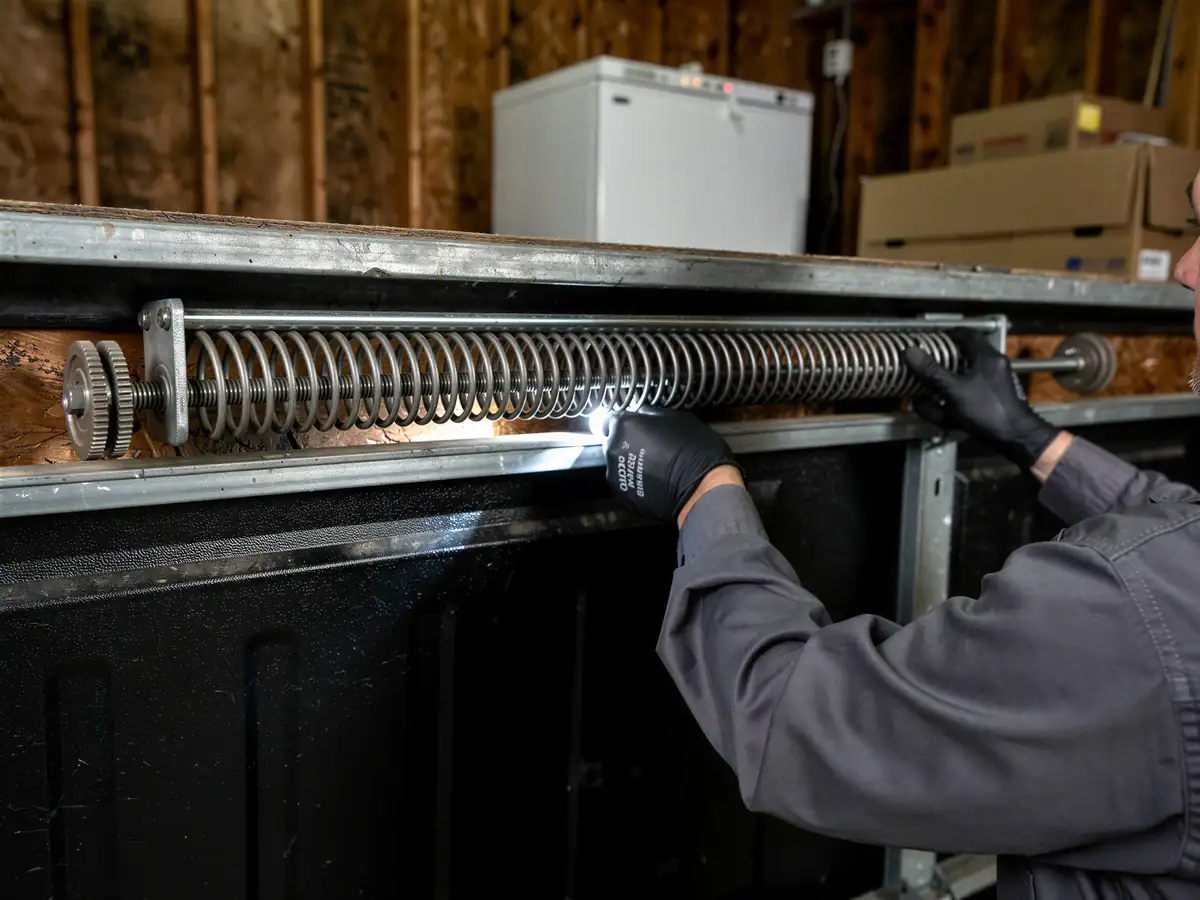
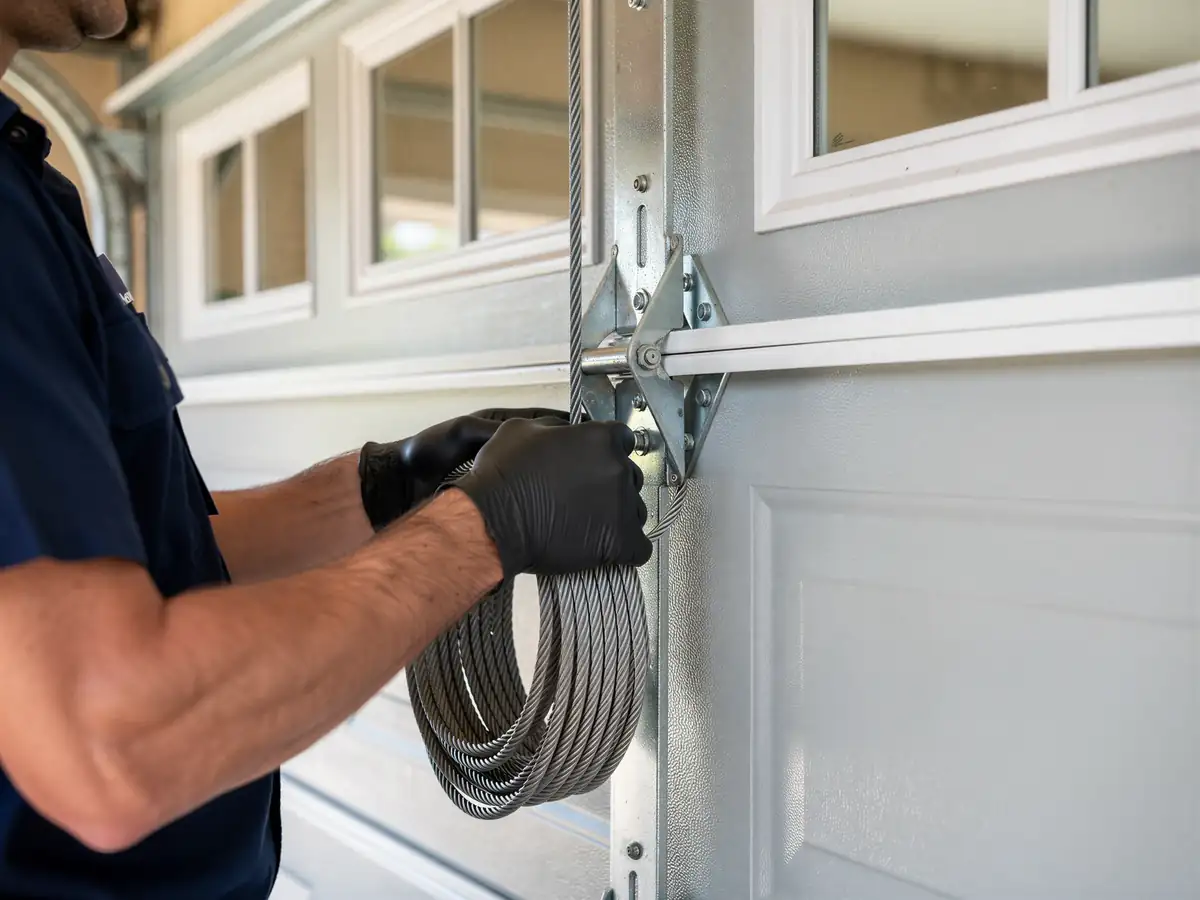
A garage door cable does one job: it rides the drum and takes the weight off the springs so the door lifts evenly. When it frays, jumps the drum, or snaps outright, that balance goes away fast. On a lot of Green Hill garages, the cable is original to a door system installed when the house was built in the late 1970s, which means the galvanized wire has had close to fifty years to work-harden and lose strands one at a time before anyone notices. The usual failure points are the same everywhere: the cable kinks where it wraps the drum, it frays against a worn roller bracket, or the little loop at the bottom bracket wears through from years of the door settling the same half-inch every close. What's different here is the hardware underneath it. A 1978-era torsion system doesn't always match the drum sizes and cable lengths stocked for houses built after 2000, so the fix isn't always a straight swap. We check the drum and the spring before we touch the cable, because replacing one without checking the other just moves the problem down the line.
How It Shows Up
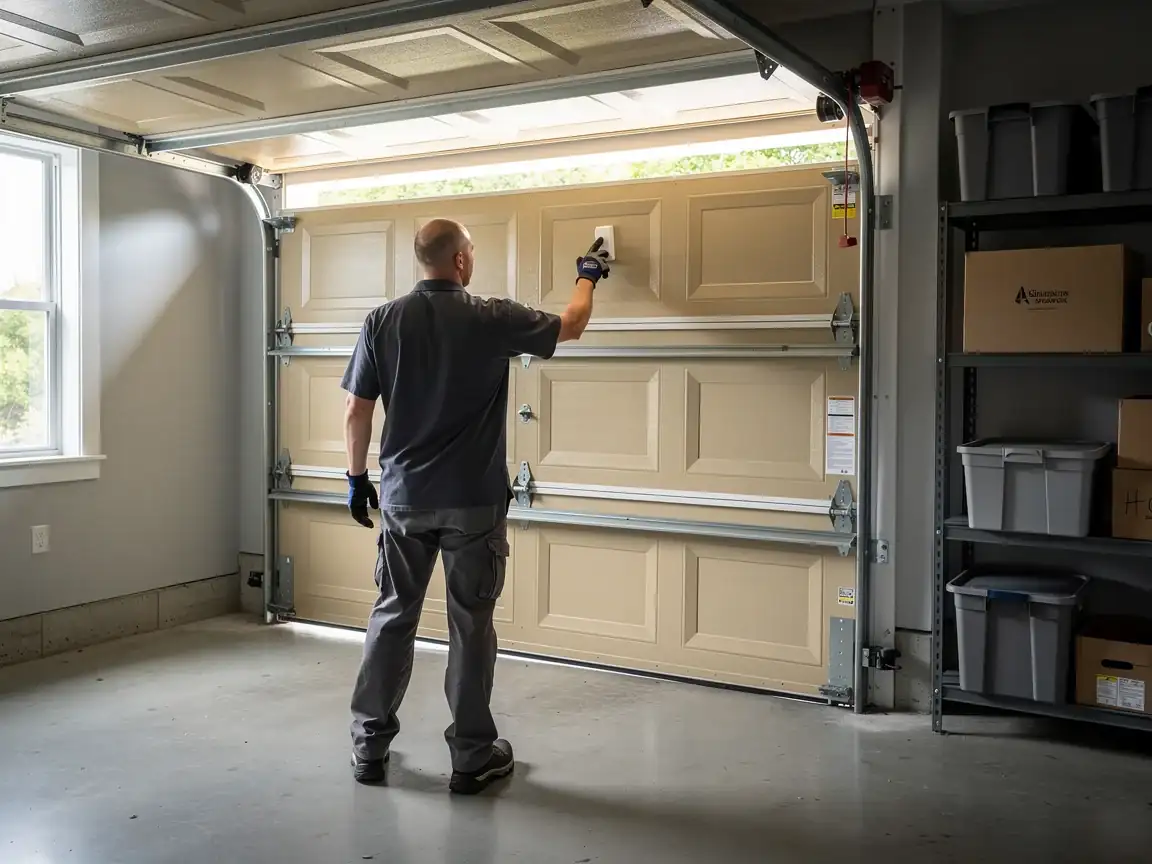
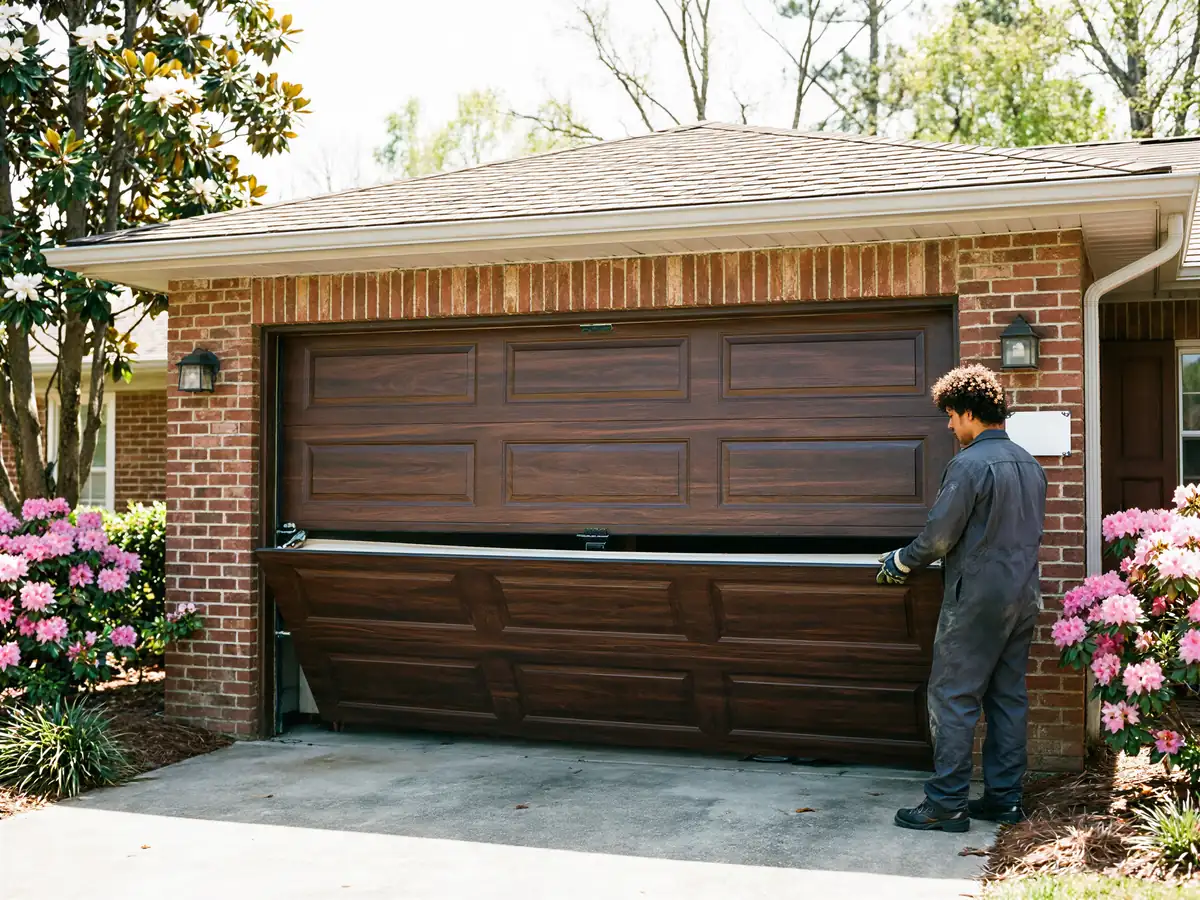
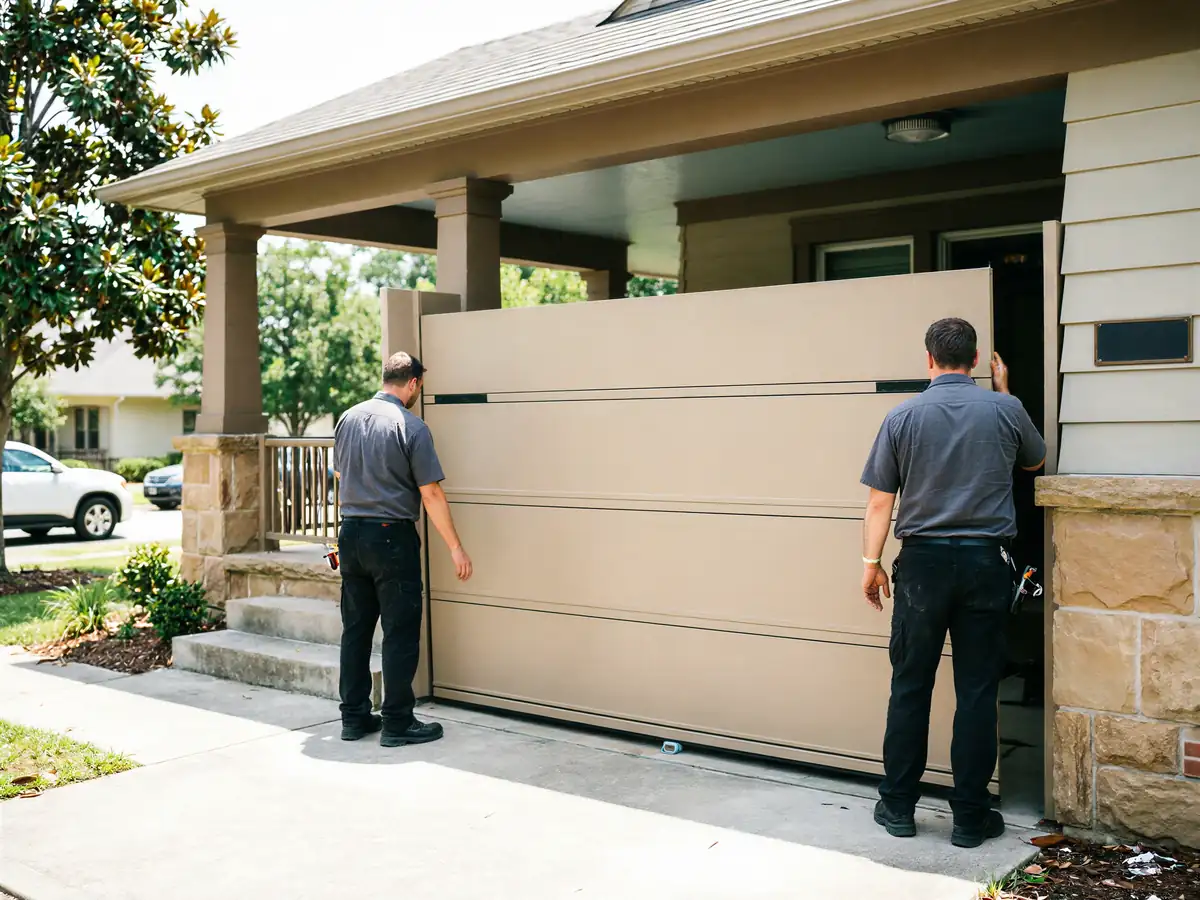
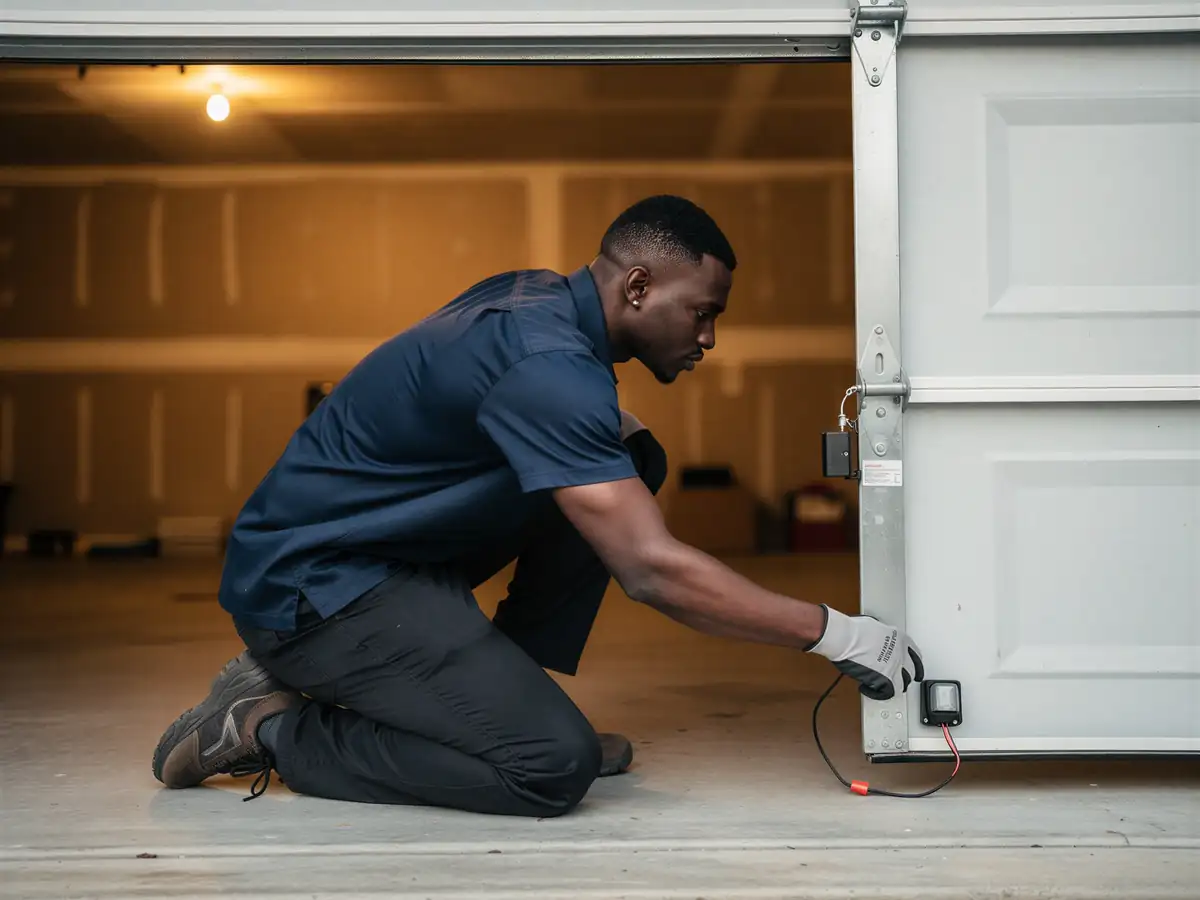
A failing cable rarely announces itself all at once. More often, one corner of the door starts hanging a little lower than the other, or the door shudders and catches partway through its travel instead of moving smooth. Sometimes you'll hear a snap and the door drops crooked on one side, stuck at an angle in the track. Other times the cable's still intact but has slipped off the drum, and the door won't move at all when the opener tries to lift it - you'll hear the motor working with nothing happening. If a cable has already separated, do not run the opener again. Running a motor against a bad cable can bend the track or crack a panel, and that turns a cable job into a bigger one.
The DIY Question
A garage door cable sits under real tension because of the springs behind it, and that's the part that makes this a bad DIY project. Loosening the wrong bolt, or trying to re-seat a cable on a loaded drum, can let the whole assembly let go at once. We'd rather you call and have us look at it than have you up on a ladder with a torsion spring still wound tight a foot from your hands. If the cable is simply loose and the door is sitting flat on the ground, closed, that's about the only situation where leaving it alone and waiting for a call is the safer move than touching it yourself.
Parts We Carry
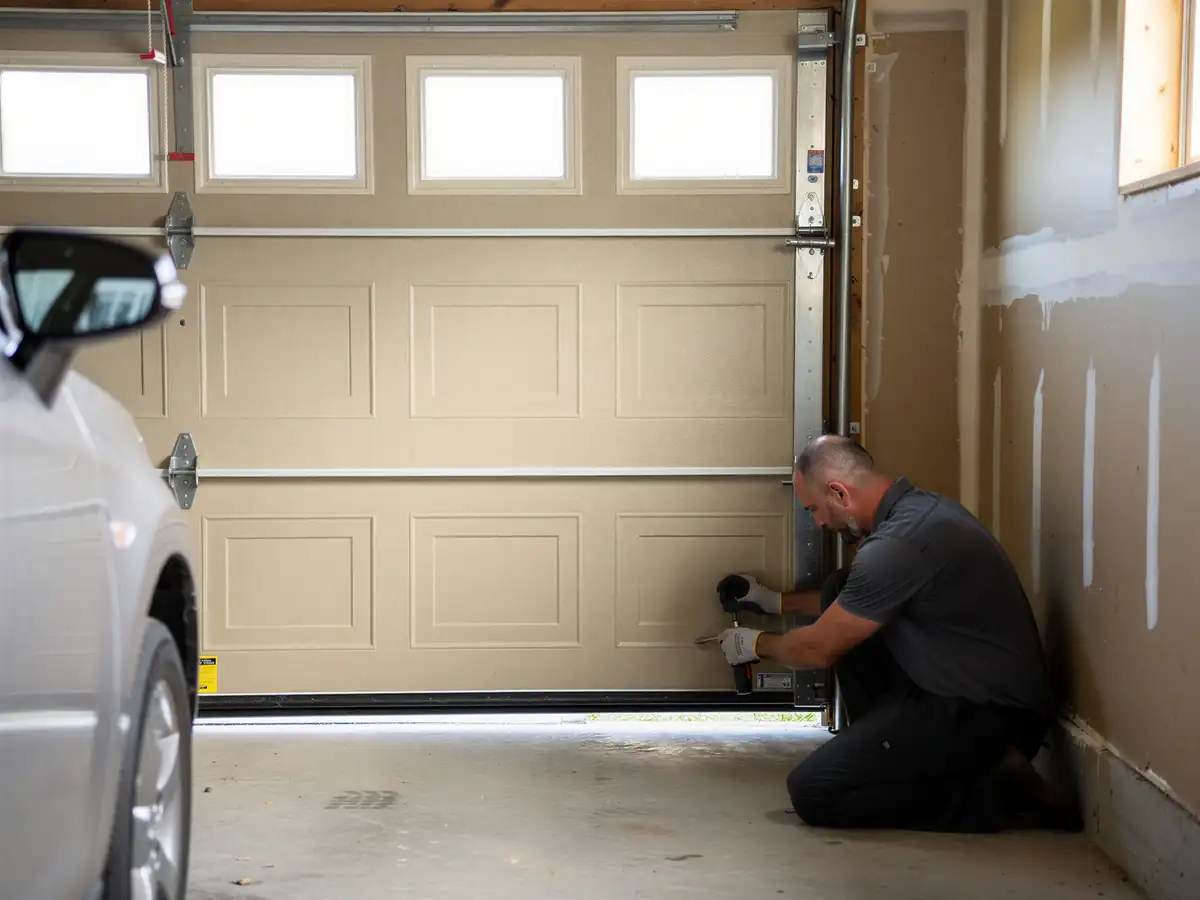
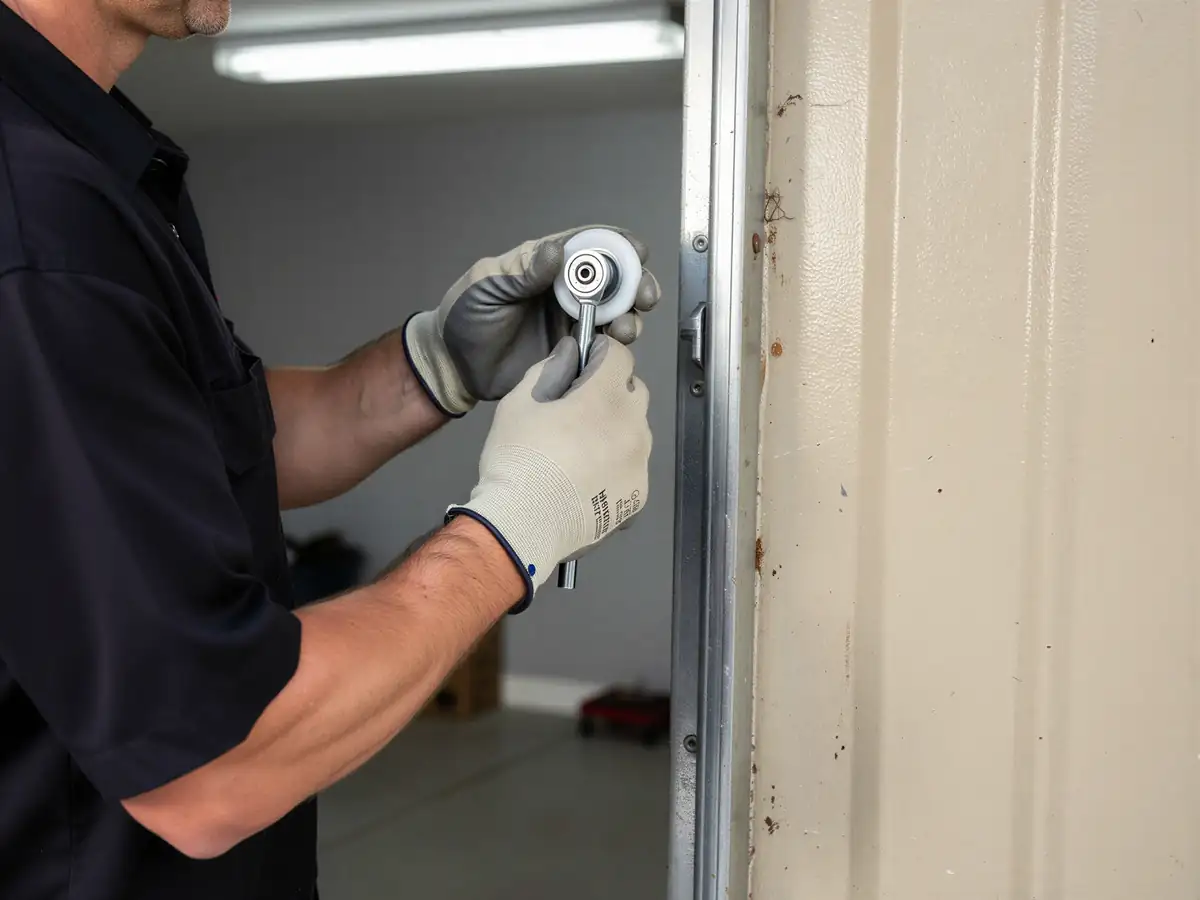
Because Green Hill's doors tend to run older drum and track hardware than some of the newer construction nearby, we bring a range of cable gauges and drum sizes on the truck rather than assuming one setup fits every garage on the street. For a standard torsion system from this era, that usually means galvanized aircraft cable sized to the original drum, matched bottom-bracket hardware, and the fasteners to go with it - swapping a cable without checking that the drum and bracket are still true just sets up the next failure. If a door's spring or drum turns out to be worn beyond what a cable swap alone can fix, we'll say so before starting rather than after.