What Can Go Wrong
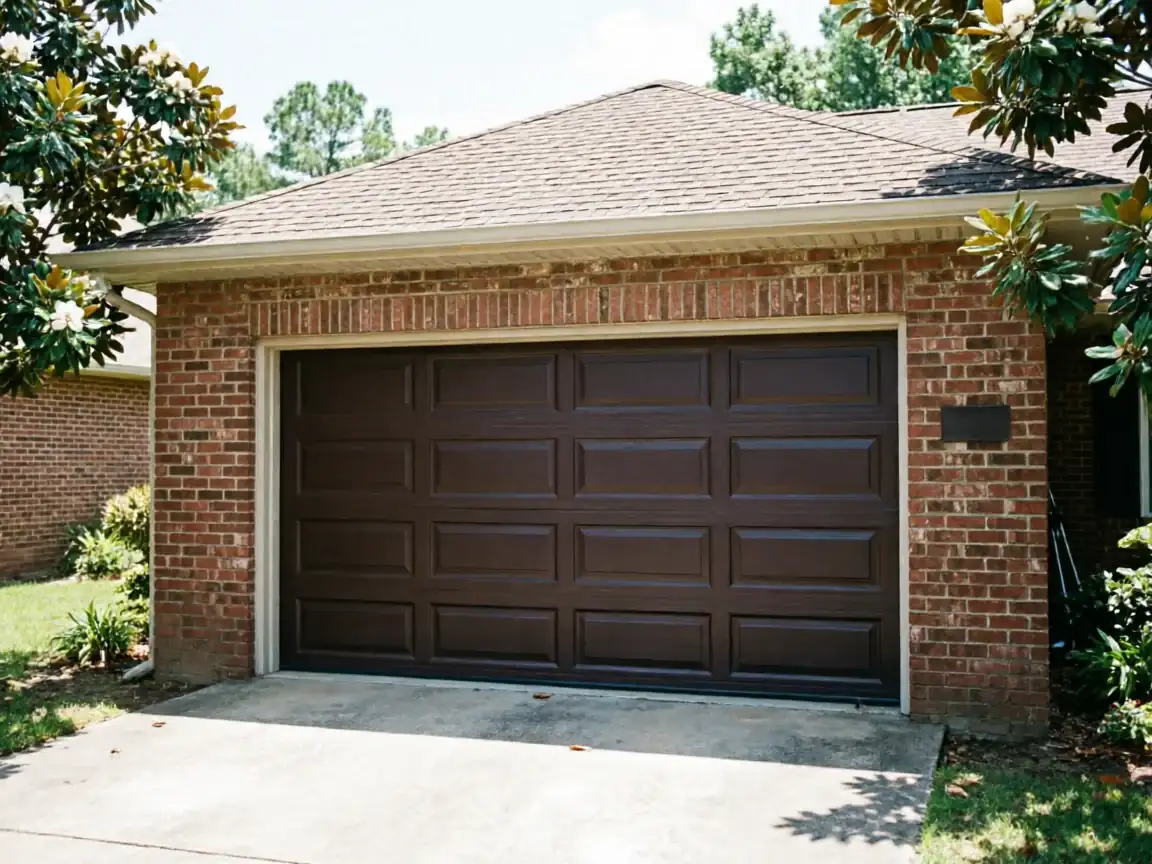
Most houses in Green Hill went up around 1978, a good ten years ahead of the service area's overall median build year of 1990. That matters because 1978 was right in the middle of the switch from wood doors to steel panel doors, but before anyone was putting foam insulation inside them. A lot of the original doors on this stretch are single-layer steel: no insulation, no thermal break, and often still running on the torsion spring sizing that was standard for a bare steel panel rather than a heavier insulated one.
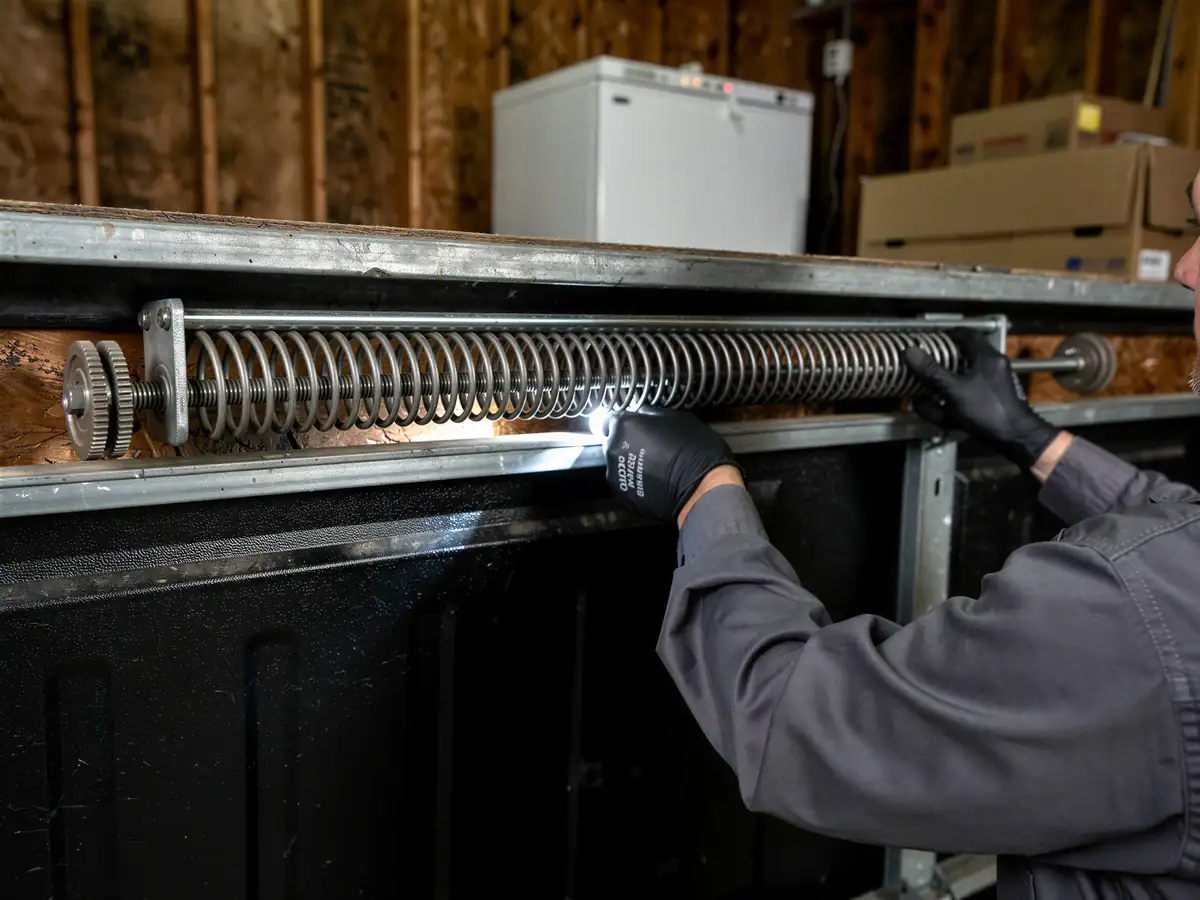
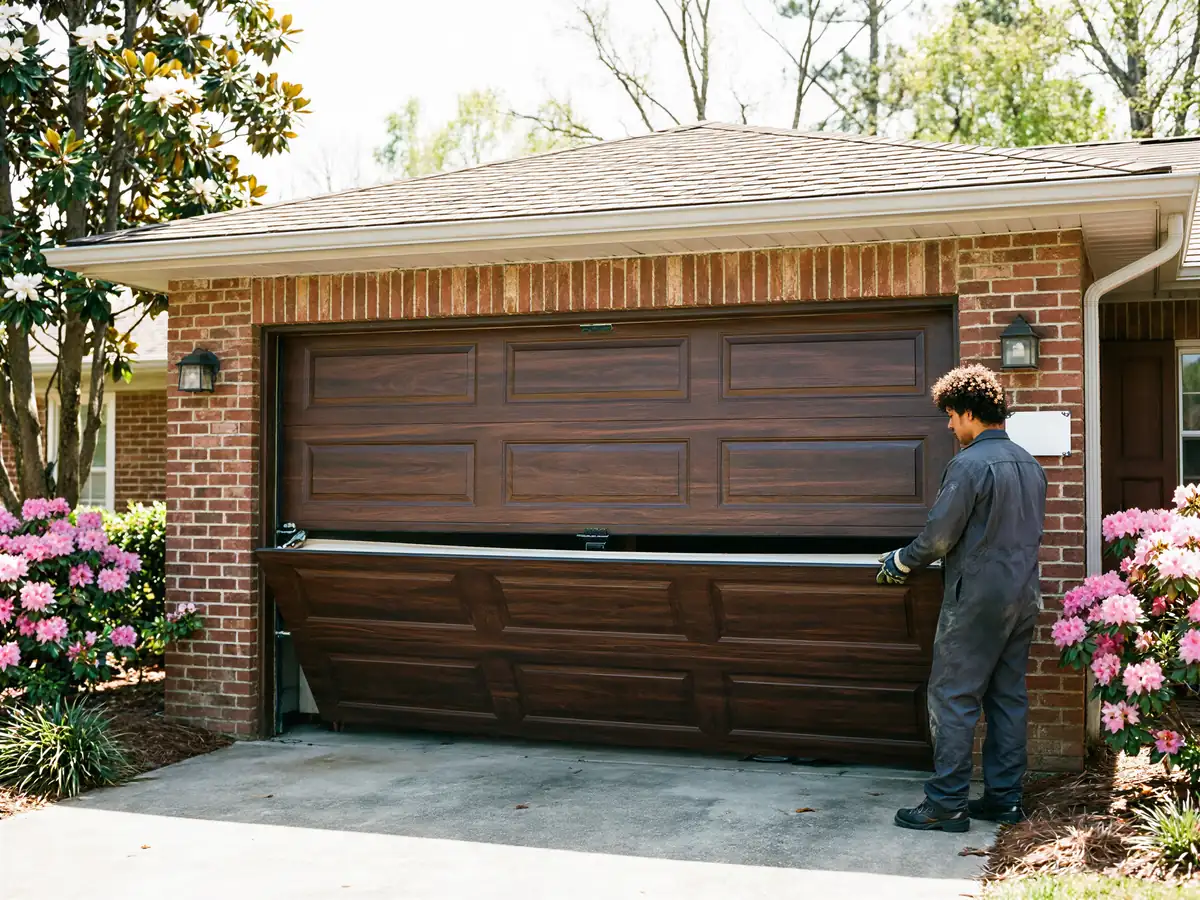
Thirty-plus years on, those springs are past end of life even if they haven't snapped yet, and the steel itself has usually taken enough dents and rust at the bottom panel that a patch job stops making sense. The tracks on these original installs also tend to be the narrower stamped-steel kind, which doesn't hold up well if an opener was added later and is pulling the door at an angle it wasn't built for. None of this is dramatic failure - it's slow wear that ends with a door that's heavy to lift, noisy, and one spring break away from an unsafe one-ton slab hanging on cable.
How Long It Takes
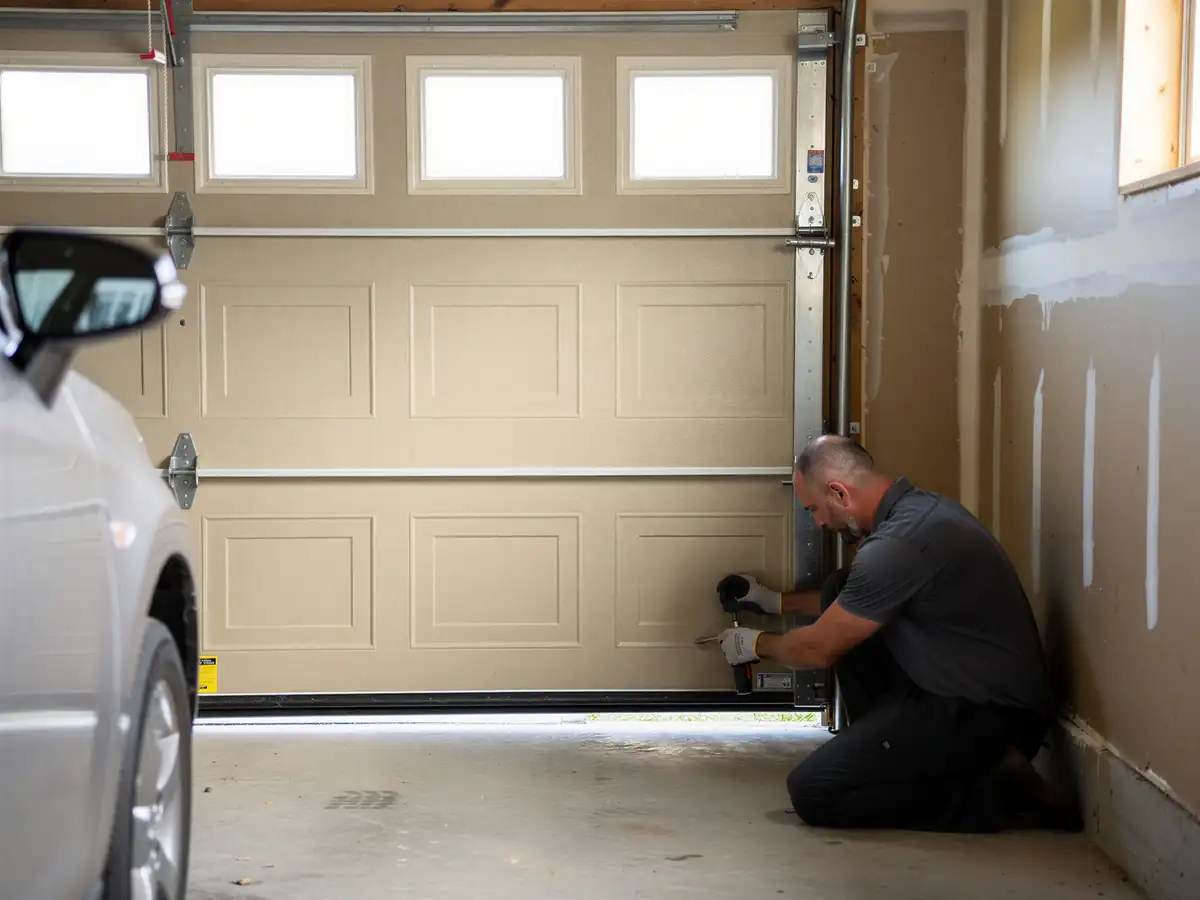
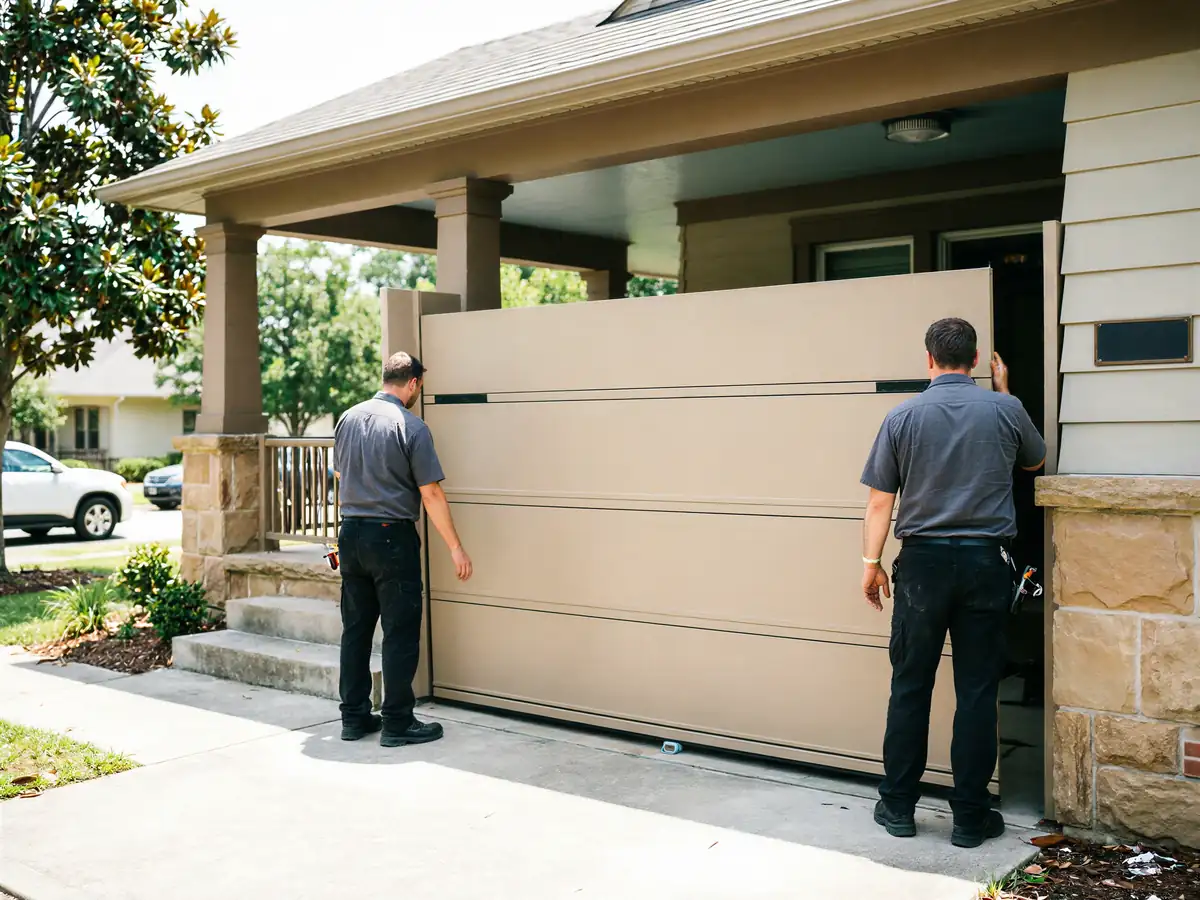
A straight swap - old steel panel door off, new door on the same track width and header
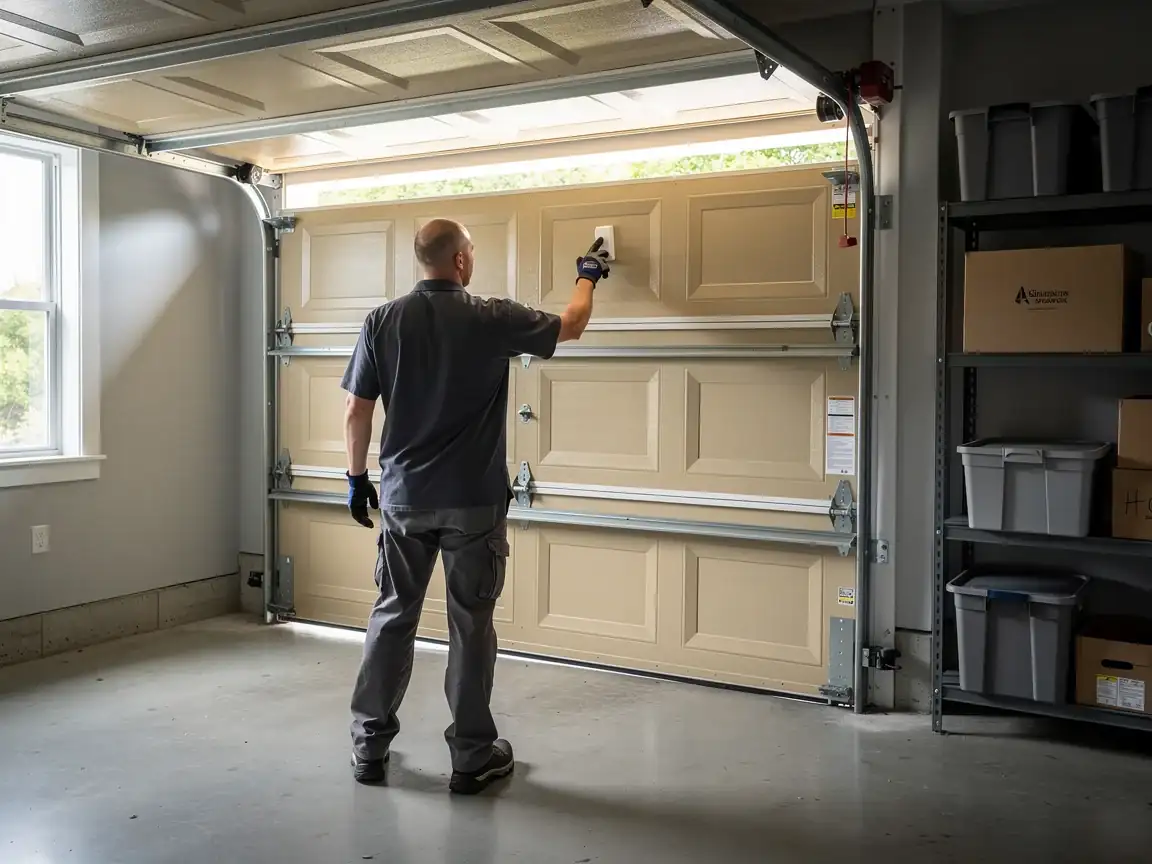
Is a one-day job for one crew. Where it runs longer is when the 1978 opening doesn't match current standard sizing, or when the header above the door needs reinforcing for a heavier insulated panel than the original bare steel one. We won't know which case you're in until someone's measured the actual opening.
Because the crew travels from Hendersonville, about five miles off, there's no separate dispatch delay built into a Green Hill job versus one closer to the shop
The honest limitation: if your door needs a non-stock size - something wider or taller than the standard residential openings - the door itself can be back-ordered from the manufacturer for a week or more. We can usually get you a loaner solution for safety in the meantime, but we won't promise a date we don't control.
How It Shows Up
On a 1978 house, the tell is usually the sound before it's the look. Original torsion springs that have never been replaced start making a grinding or shuddering noise partway through the lift, because the coil has lost tension unevenly. The door itself may still look fine from the street - steel from that era was thick enough to resist cosmetic dents for decades - but the bottom panel is where rust eats through first, right where it meets the slab and holds moisture after rain.
Owners also notice the door's gotten heavier to lift by hand, which is a spring problem, not a track problem, and it's the kind of thing that gets worse fast once it starts. If there's a chain-drive opener bolted onto what was originally a manual door, listen for a labored motor sound - that's the opener fighting hardware it was never really sized for.
The DIY Question
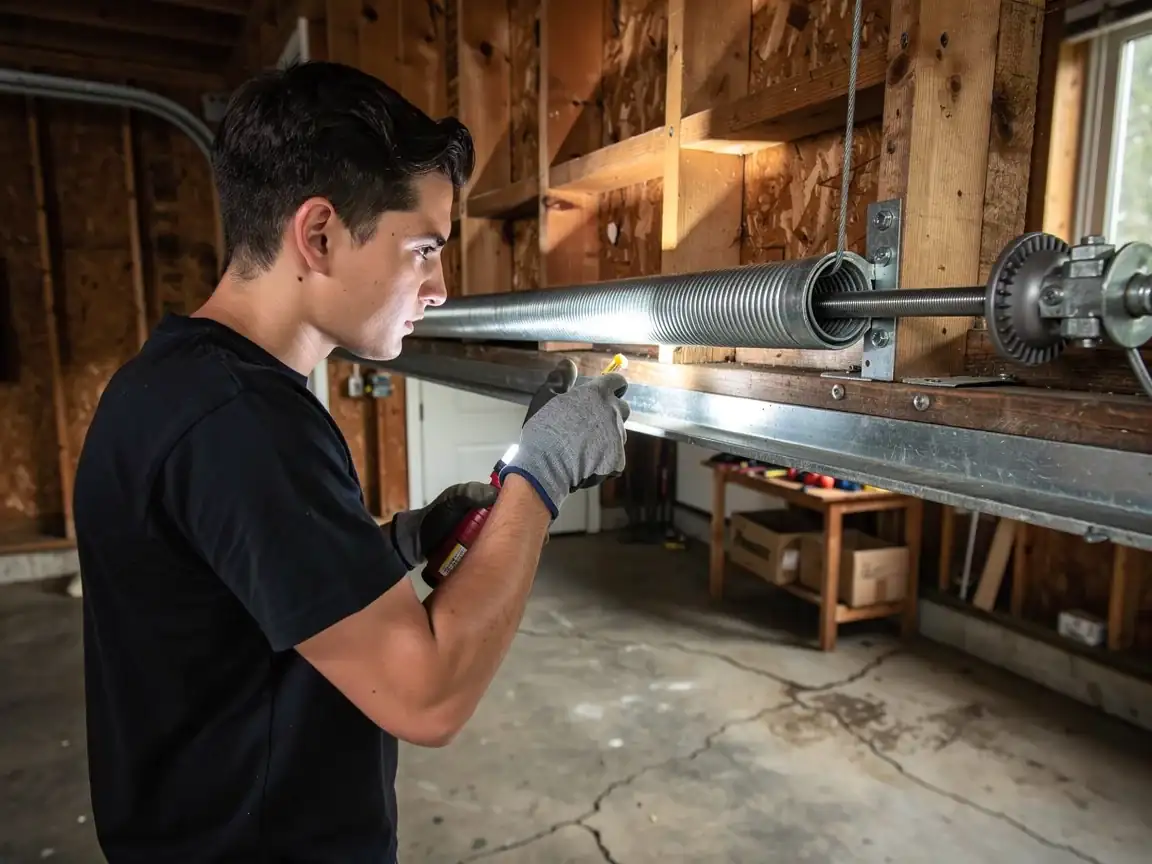
Swapping a garage door panel yourself isn't like swapping a front door. The door is under spring tension even when it looks still, and on a torsion system from this era, the spring is sized to a door weight and a drum setting that most homeowners have no way to verify safely without the right winding bars and a clamp on the track.
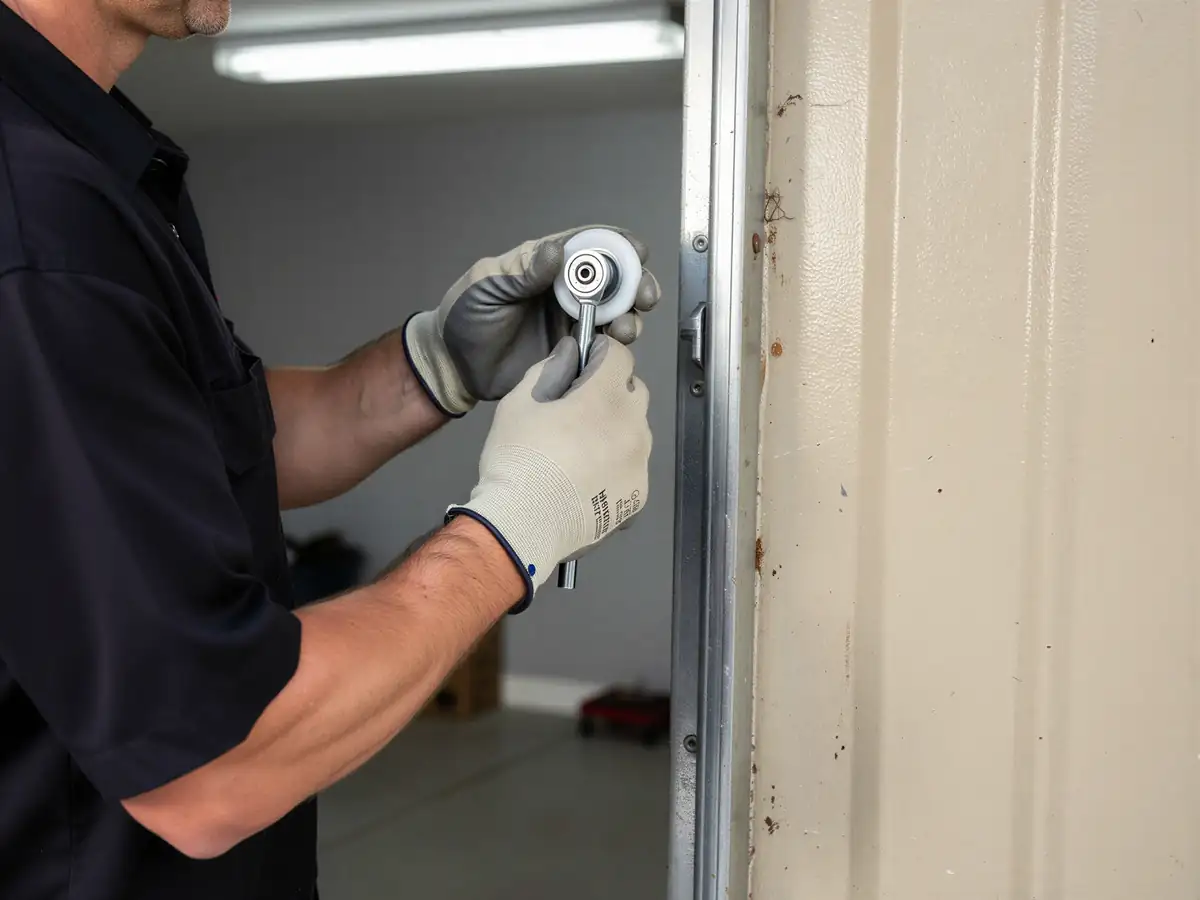
What a homeowner can reasonably do: clean and lubricate rollers and hinges, check weatherstripping at the bottom, and watch for visible rust or daylight gaps at the panel seams. What we'd tell you not to do is loosen or remove the spring yourself, or try to rehang a new door on an old track without checking the track's actually square - a door built for a 1978 opening often isn't plumb anymore after four decades of settling.
Why This Fails Locally
Green Hill sits in the same cold-moderate climate band as the rest of the service area
Which means winter temperature swings put real stress on steel that's already thinned by age. A door built in 1978 without insulation handles that swing worse than a newer sandwich-panel door, and the uninsulated steel contracts and expands enough over a cold night that seams and weld points eventually crack.
Green Hill's median household income runs higher than the wider service area's
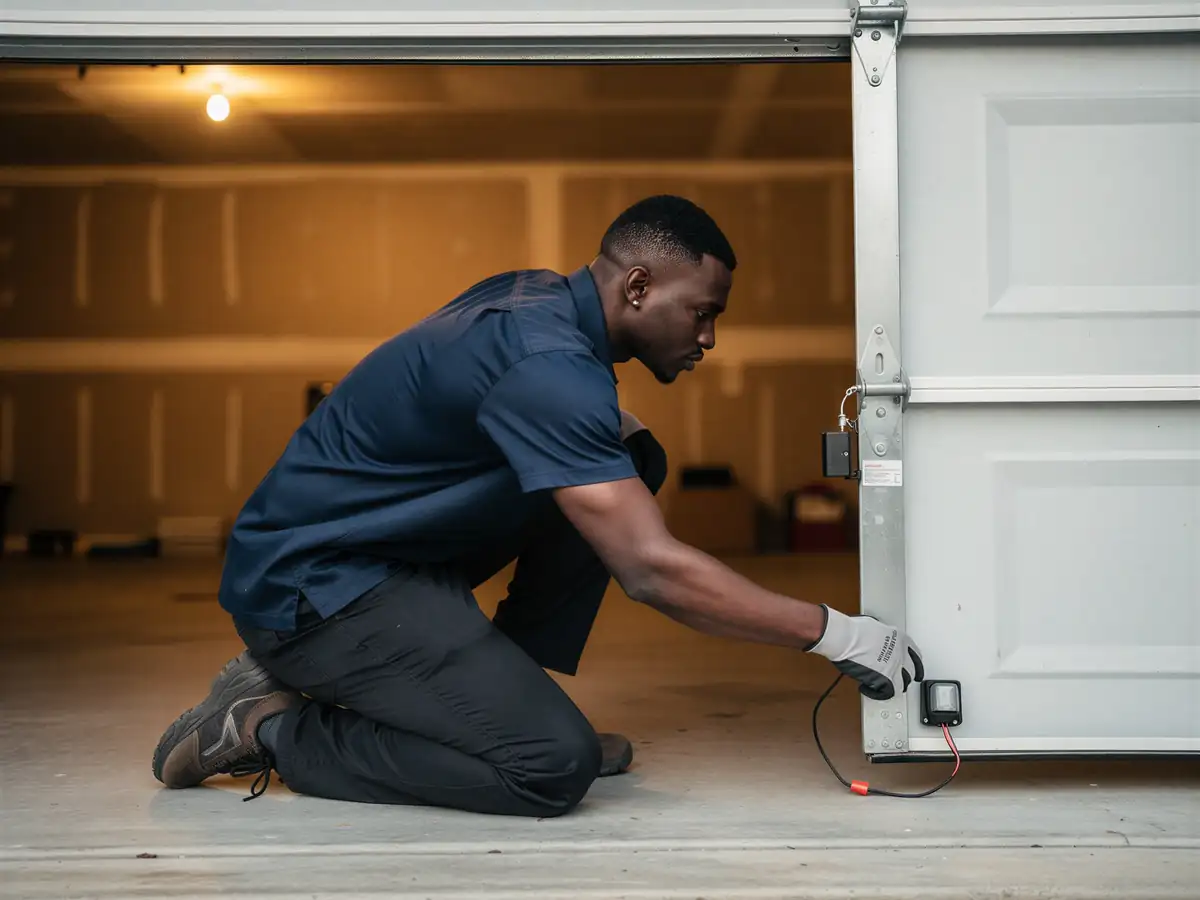
$91,397 here against $82,308 across the territory - and that shows up in which repairs owners actually choose. More owners here opt for a full insulated replacement rather than patching a cracked panel, because the math on energy loss through an uninsulated 1978 door, run for another decade, outweighs the cost difference. It's also worth saying plainly: a door built in 1978 predates the auto-reverse safety sensor requirement that came in during the mid-1990s. If yours never had that retrofitted, a new install is also where that safety gap gets closed.
Parts We Carry
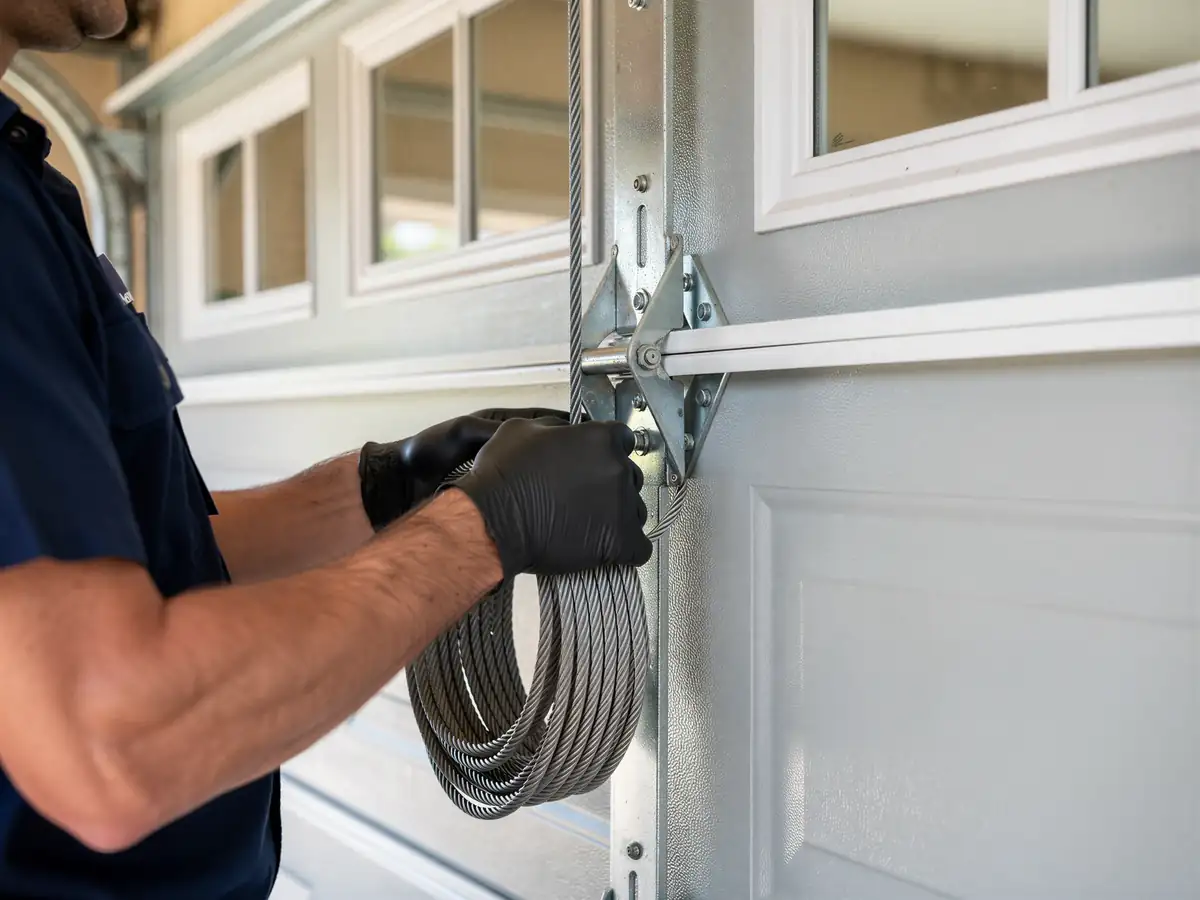
For a job like this, we carry standard-width torsion springs sized for both bare steel and insulated panel doors, since a lot of 1978-era openings take a different spring than what's installed now if the door's ever been swapped for something heavier. We stock common galvanized tracks, rollers, and the extension cable sizes that match older narrow-track setups, plus the safety sensor kits that doors from this era usually never had.
What we don't stock on the truck: oversized or custom-width doors outside the standard residential range - those come from the manufacturer on order. If your opening turns out to be nonstandard, we'll tell you straight rather than force a fit that won't hold up.