What Can Go Wrong
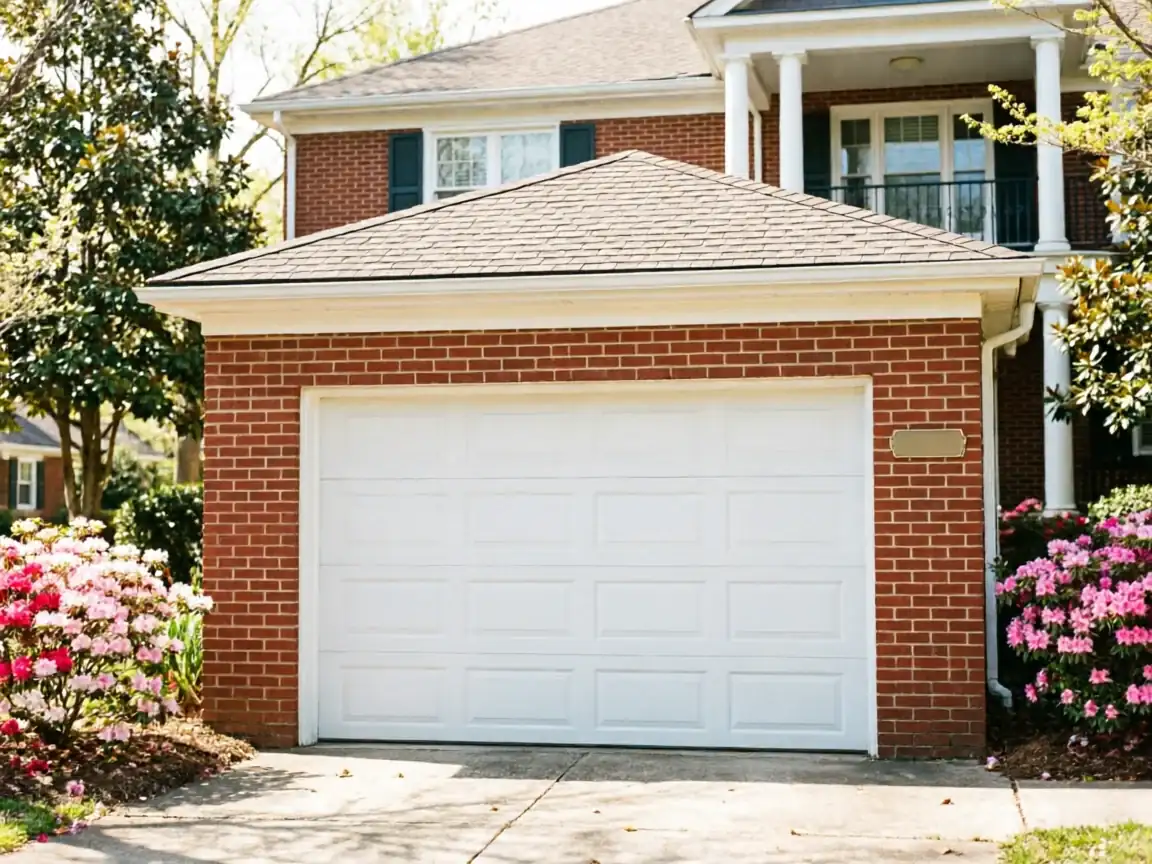
Most of the spring failures we see out in Green Hill trace back to the same root cause: age of the hardware, not abuse. A house built around 1978 has had its garage door springs through roughly four decades of cold winters and hot summers, and a torsion spring rated for 10,000 cycles doesn't care how gently you've treated it - it just wears out. If your door is original to the house, the spring on it is likely original too, or a mismatched replacement from whoever worked on it last.
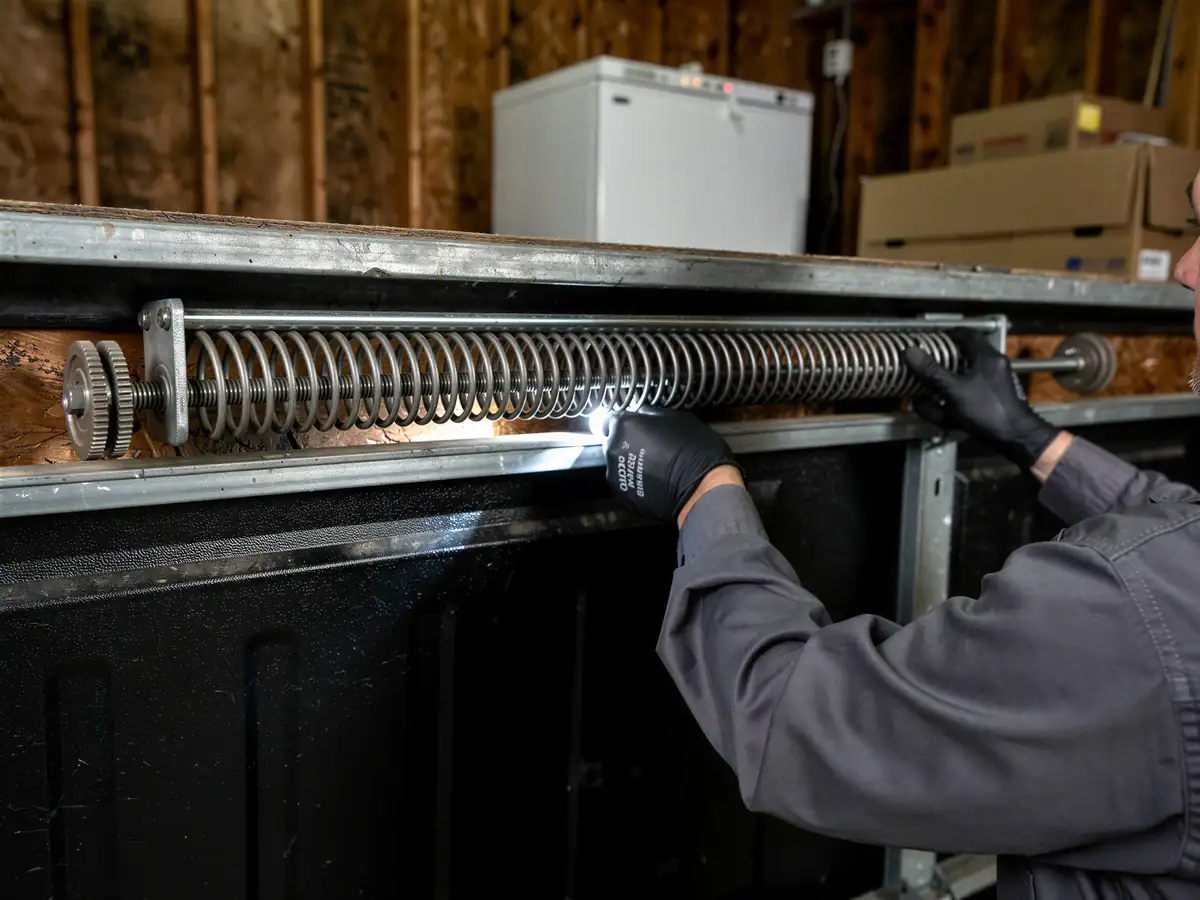
The wider area we cover runs from houses built in 1958 up through 2005, with a lot of that stock going up in the 80s and 90s. Green Hill sits on the older end of that range. That matters for spring repair specifically, because pre-1990s doors were more commonly set up with extension springs rather than torsion springs, and older extension setups often lack the safety containment cables that became standard practice later. When one of those lets go, the spring doesn't stay put - it can whip. That's a different kind of job than swapping a torsion spring on a newer door, and it changes what we bring on the truck.
How Long It Takes
A straightforward torsion spring swap, once we're on site, usually runs under two hours
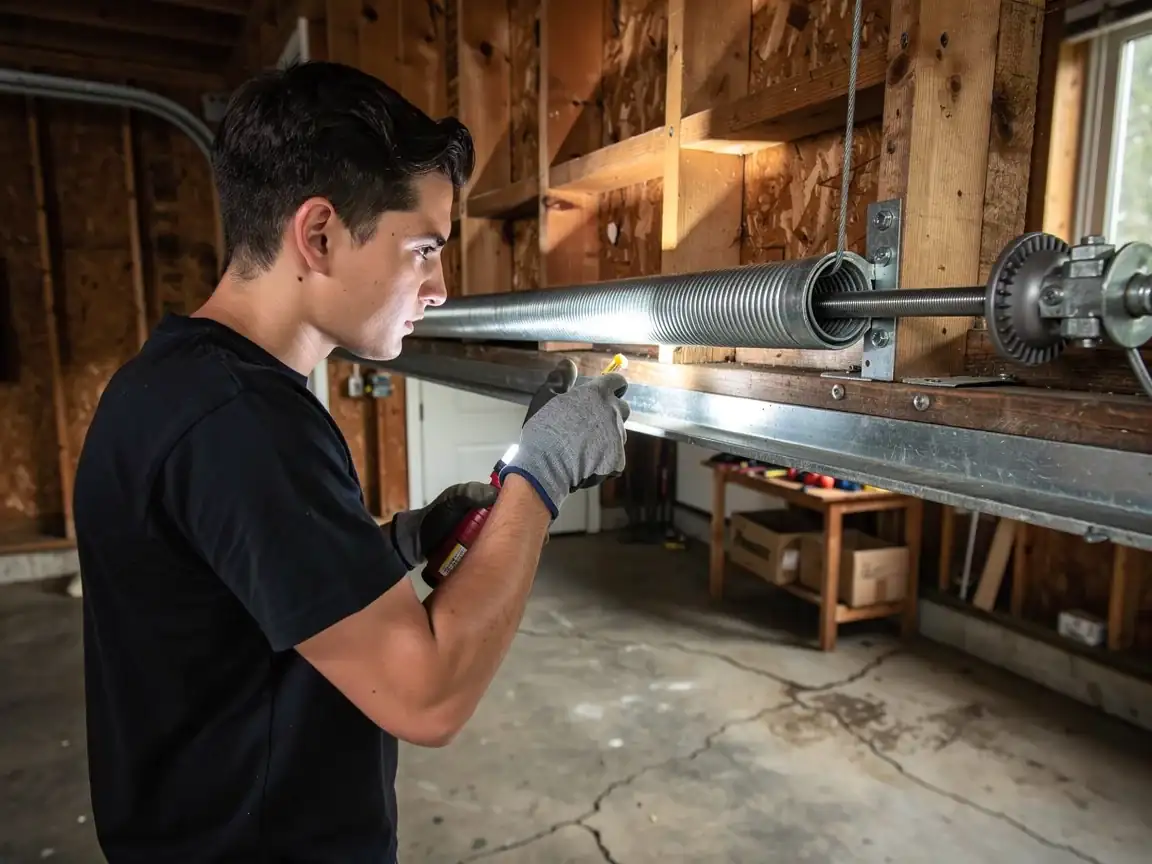
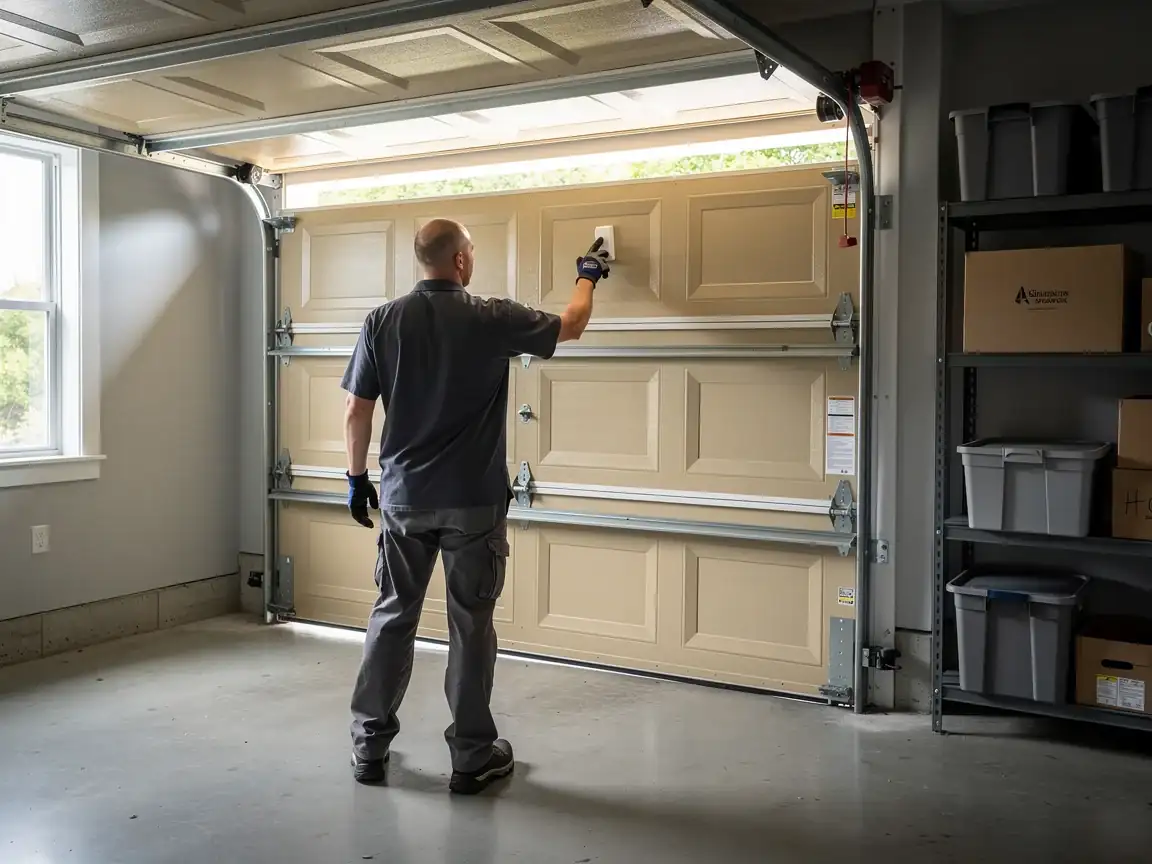
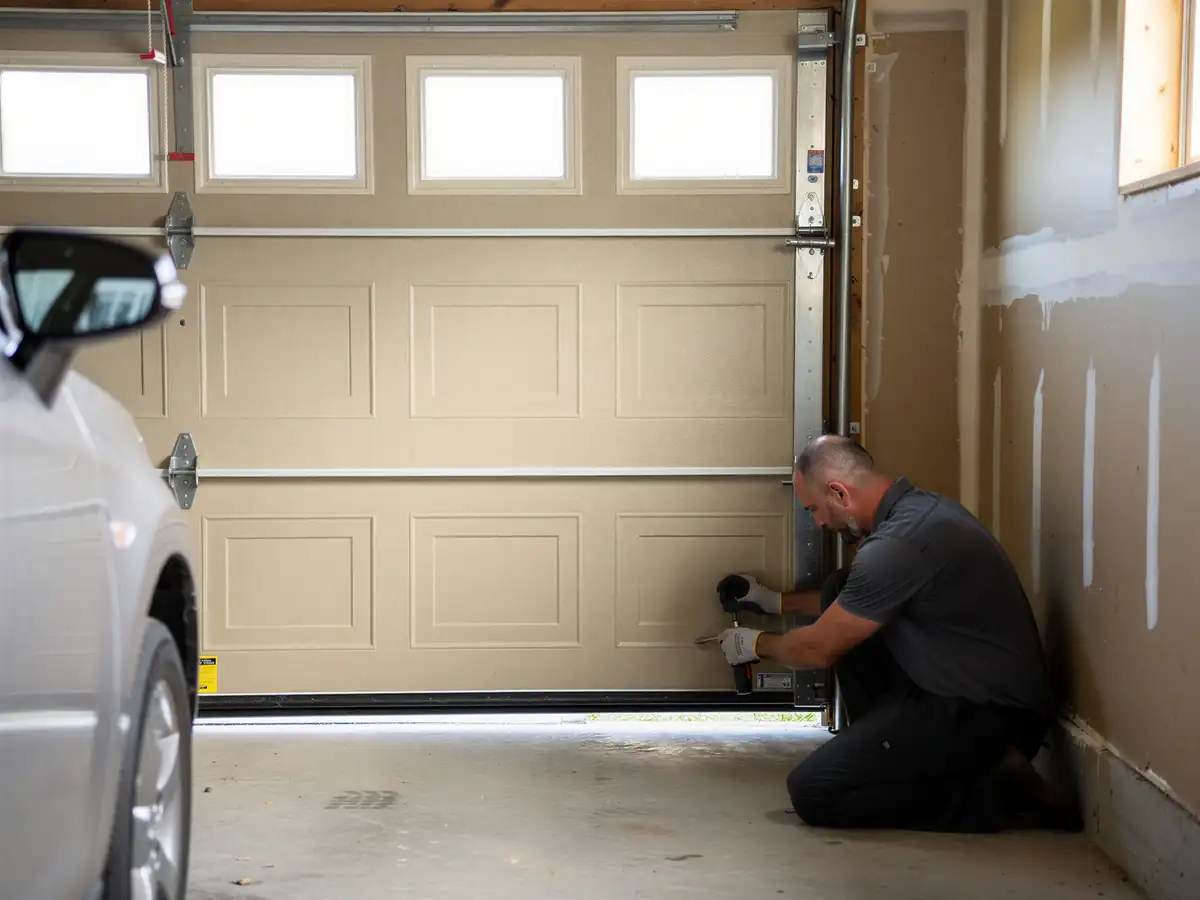
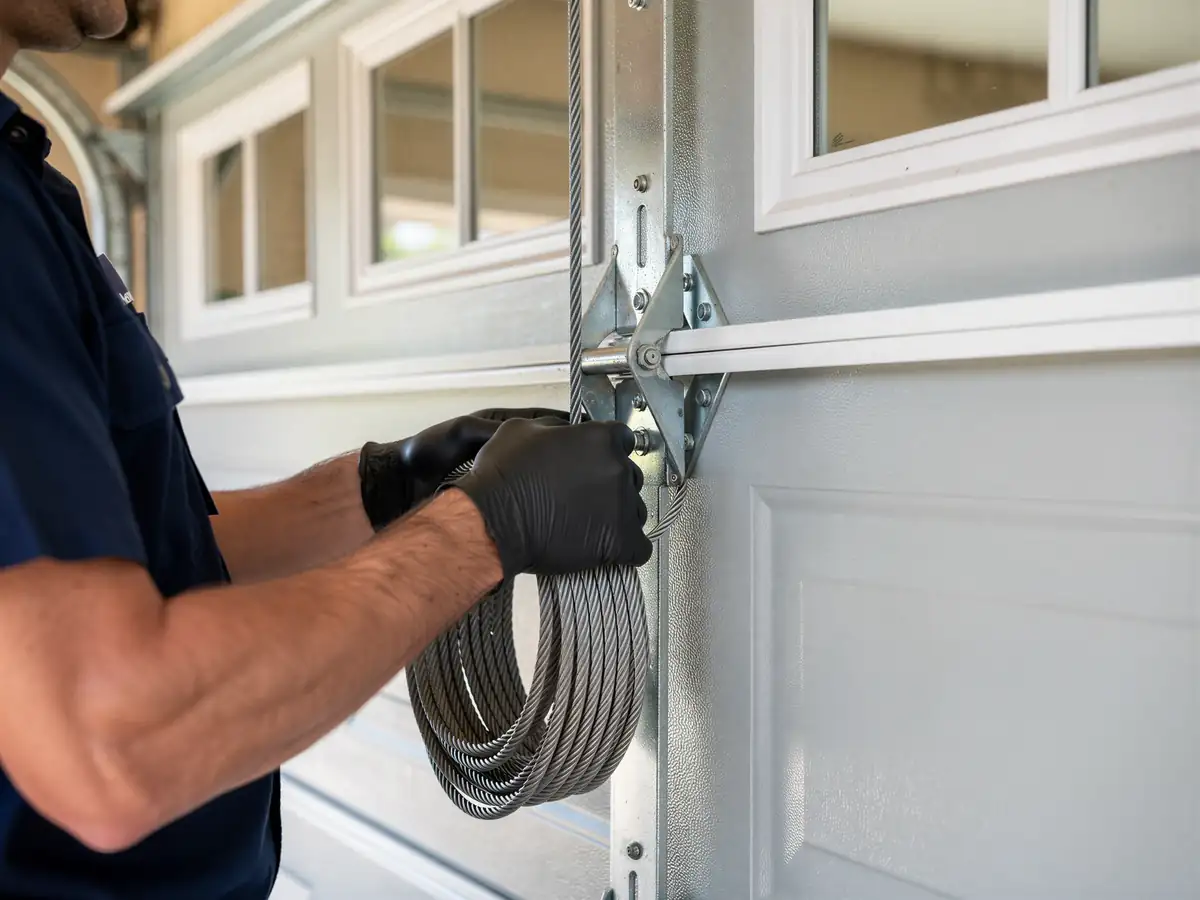
Cables are detensioned, old springs come off the shaft, new ones go on, door gets balanced and cycle-tested. Extension spring jobs on an older setup can take a bit longer if we're also adding or replacing missing safety cables, since that's not a part the original installer in 1978 would have used.
We travel to Green Hill from Hendersonville, about 5 miles out
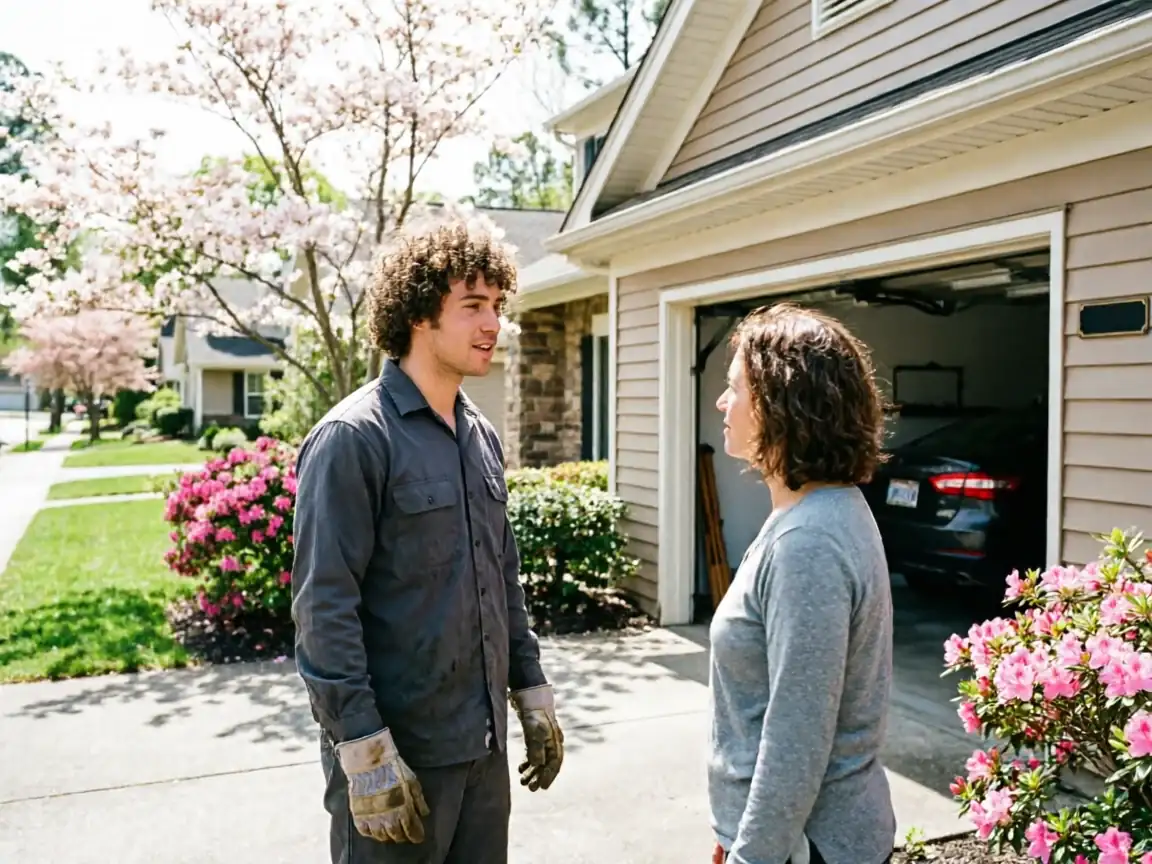
So factor that into when we can get there - we don't keep a crew stationed in Green Hill itself. What we can tell you up front is which type of spring you likely have based on the age of the house, so you're not guessing when you call.
- 5 miles
How It Shows Up
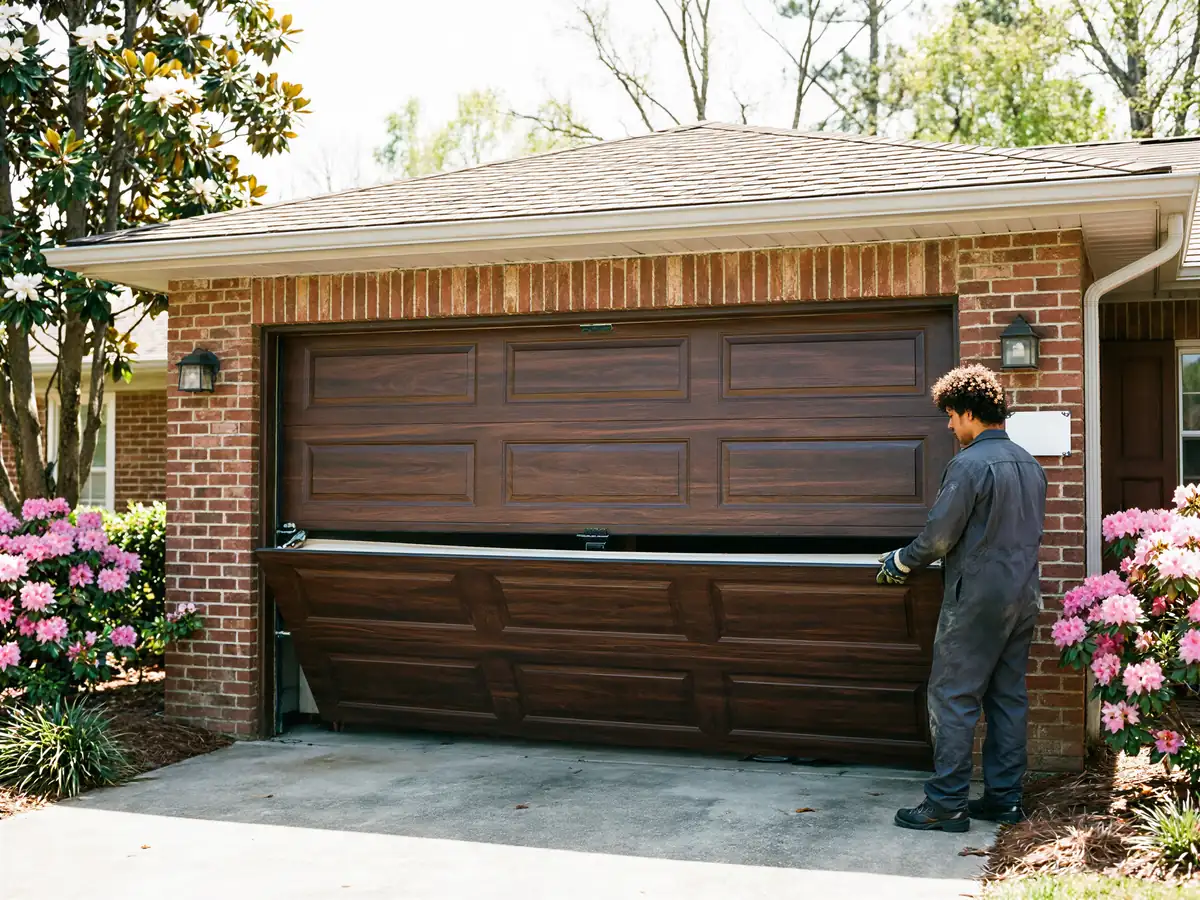
The door won't open, or it opens about a foot and stalls - that's a torsion spring that's let go. On older extension setups, you'll sometimes hear it before you see it: a loud bang from the garage, then the door feels twice as heavy when you try to lift it by hand. Some owners notice it gradual instead - the opener starts straining, making a grinding or whining sound as it tries to do the spring's job alone, which burns out the opener motor faster than it should wear.
If you've got two springs and only one breaks, the door may still move but will hang crooked, with one side higher than the other. That's not something to keep running the opener on - it loads one cable and track harder than it's built for.
The DIY Question
Torsion springs are under real tension, enough to cause serious injury, and that doesn't change because a house is older or newer. We won't talk anyone through doing this one themselves. Where the DIY question actually comes up in Green Hill is on the older extension-spring doors without containment cables - some owners want to just replace the spring and skip adding the cable to save a step. We don't do that one either. If we're there replacing the spring, we're adding the cable; leaving it off is the exact setup that causes the spring to become a projectile if it fails again later.
What you can safely do yourself is diagnose which kind of spring you have and whether it's actually broken versus the opener's travel limits being off - a quick visual check before you call saves everyone time.
Why This Fails Locally
The honest answer is build year
A door and spring system designed and installed around 1978 is operating on assumptions about cycle counts and safety hardware that were current then, not now. Newer builds elsewhere in the service area, especially houses from the 90s and 2000s, more often came with torsion springs and factory-installed safety cables from the start, so the failure mode and the fix are different.
We're not going to pretend every Green Hill garage runs on original 1978 hardware
Plenty have had a door or opener replaced at some point. But when we get a call from this part of the coverage area, the odds of finding an older extension-spring setup are higher than they are closer to the newer subdivisions, and that shapes what we load on the truck before we leave Hendersonville.
Parts We Carry
We stock standard torsion springs in the common sizes used across the service area's 1958-2005 housing stock, plus extension springs and the safety containment cables that should accompany them on older setups. What we don't keep on the truck is every obsolete or proprietary spring size from a specific older opener brand - if your door has unusual hardware, we may need to order the exact match rather than swap it same-visit. That's the one limitation worth saying plainly: most jobs close in one trip, but an uncommon spring size on an older Green Hill door can mean a short wait on the part.